Whether a Corgi Puppy Should Be Screened for DM
Bringing home a Corgi puppy is a joyful, whirlwind experience, filled with adorable antics and endless questions, and amidst the excitement, many new Corgi parents find themselves worrying about serious health concerns like Degenerative Myelopathy (DM). It's incredibly stressful to think about your vibrant little companion potentially facing a debilitating neurological disease, and you might be wondering if screening for DM at such a young age is even necessary, or if it truly helps. This guide aims to clear up the confusion surrounding DM screening in Corgi puppies, explaining why this genetic test is a vital tool for understanding your Corgi's future health and how it empowers you to make the best decisions for their care.
Understanding Degenerative Myelopathy in Corgis
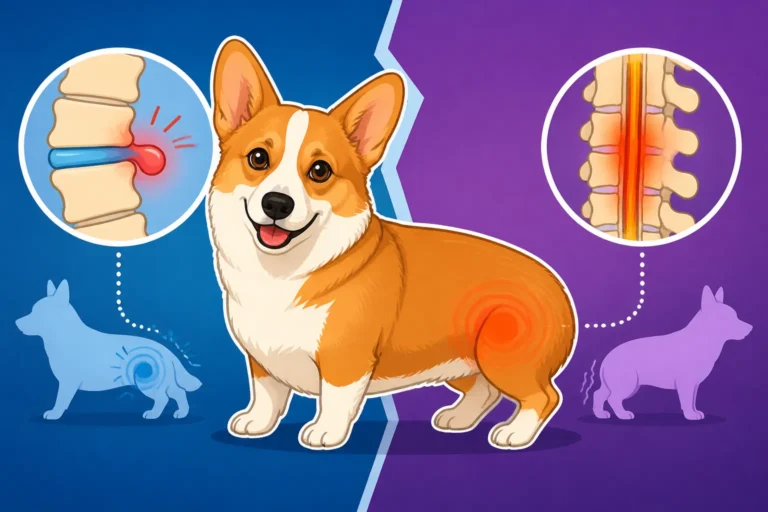
Degenerative Myelopathy, often shortened to DM, is a truly heartbreaking condition that affects the spinal cord in older dogs, leading to progressive weakness and paralysis, particularly in the hind limbs. For Corgi owners, it's a particularly salient concern because our beloved short-legged herders are one of the breeds genetically predisposed to it. The sheer thought of watching your lively Corgi lose its ability to walk is enough to keep any owner up at night, and sadly, there's currently no cure.
What DM Is and How It Progresses
DM is essentially a slow, insidious disease that damages the white matter of the spinal cord. Think of the spinal cord as the body's superhighway, carrying messages between the brain and the limbs. In a dog with DM, this highway starts to break down, particularly in the thoracic (chest) and lumbar (lower back) regions. It's a non-painful condition, which can sometimes make it even more difficult for owners to process, as their dog isn't in obvious discomfort, but their body is failing them.
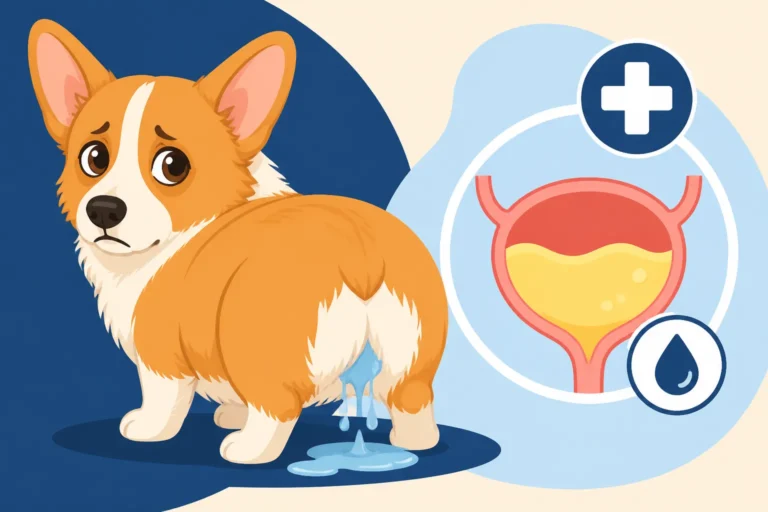
The onset of DM typically occurs in middle to older age, usually between 8 and 14 years old for Corgis, though it can vary. The first signs are often subtle: a slight scuffing of the back paws, a wobble when standing, or a tendency for the hind legs to cross over when walking. These initial symptoms are easily mistaken for arthritis or general aging, adding to the challenge of early diagnosis. Over time, the weakness progresses, leading to difficulty getting up, frequent falls, complete paralysis of the hind limbs, and eventually, sometimes even affecting the front limbs or ability to control bladder and bowels. While the disease itself isn't painful, the secondary effects of immobility, like pressure sores or muscle atrophy, can certainly cause discomfort. For a deeper dive into the disease itself, you might find our article on Degenerative Myelopathy and the Corgi helpful.
The Genetic Link in Corgis
The devastating reality of DM is its strong genetic component, specifically tied to a mutation in the SOD1 gene. It's not a simple "one gene, one disease" scenario, which adds another layer of complexity. Corgis, particularly Pembroke Welsh Corgis, have a relatively high prevalence of this gene mutation within the breed. This means that if both parents carry the mutated gene, there's a higher chance their puppies will inherit two copies, putting them "at-risk" of developing DM later in life.
It's crucial to understand that simply carrying the gene mutation doesn't mean a dog will get DM. Many Corgis carry one copy of the gene (classified as "carriers") and never show signs of the disease. Even Corgis with two copies of the mutated gene ("at-risk") may live their entire lives without developing symptoms. This is why our article, Why a Corgi Carrying the DM Gene Usually Stays Well emphasizes the complex nature of this condition. Environmental factors, lifestyle, and other unknown genetic modifiers are also believed to play a role in whether an "at-risk" dog actually manifests the disease. However, knowing your Corgi's genetic status allows for proactive management and informed breeding decisions.
The Case for Early DM Screening in Corgi Puppies
So, with all this nuance, why bother screening a tiny, happy Corgi puppy for a disease that might not even appear until they're old? The answer lies in empowerment, responsible pet ownership, and giving yourself the best possible information to support your dog throughout their life. It's not about predicting a definite future, but about understanding potential predispositions.
Why Genetic Testing Isn't Just for Breeders
While genetic testing for DM is absolutely fundamental for responsible Corgi breeders to make informed breeding decisions and reduce the incidence of the gene in future generations, it's also incredibly valuable for pet owners. When you bring home a puppy, you're making a long-term commitment. Knowing their genetic health profile, especially concerning conditions common in Corgis like DM, gives you a significant advantage. It allows you to plan for potential future health challenges, much like knowing a family history of a certain condition for yourself might prompt you to take specific preventative steps.
For example, if you know your Corgi puppy is "at-risk," you might be more diligent about maintaining a healthy weight for them throughout their life, ensuring they get appropriate, low-impact exercise, and setting up your home to minimize spinal stress with ramps and steps. You'd also be more aware of subtle early signs when they reach senior years, allowing for earlier discussions with your veterinarian about supportive care. Our comprehensive guide on The DNA Tests a Corgi Breeder Should Run further illustrates the array of genetic screenings available, highlighting DM as a critical one.
Peace of Mind and Proactive Planning
Let's be honest, the unknown is often the most anxiety-inducing part of pet ownership. Knowing your Corgi puppy's DM status, whatever it may be, can bring a profound sense of peace. If your puppy tests "clear," you can breathe a little easier about DM, though you'll still be vigilant for other common Corgi issues like disc disease. If your puppy tests as a "carrier," you know they won't develop DM themselves, but they carry one copy of the gene. If they test "at-risk," it allows you to start a dialogue with your vet early on about lifestyle adjustments and monitoring protocols.
Consider the scenario where your Corgi starts showing subtle hind leg weakness at age ten. If you have their DM screening results, you can immediately inform your vet, helping them narrow down potential diagnoses faster. This can save valuable time, money on unnecessary tests, and, most importantly, provide your dog with appropriate support sooner. Many pet insurance providers, like Healthy Paws, emphasize the benefits of comprehensive early health knowledge for long-term care planning. They often encourage owners to be proactive in understanding their pet's genetic predispositions to better manage future health outcomes.
Navigating the DM Genetic Test
Getting your Corgi puppy tested for DM is a straightforward process, thankfully. It doesn't require invasive procedures or a trip to a specialist. The simplicity of the test makes it incredibly accessible for all Corgi owners, not just breeders.
How the Test is Performed
The DM genetic test typically involves a simple cheek swab or a blood sample. Most commonly, breeders or owners opt for a cheek swab kit, which can be ordered directly from a reputable veterinary genetics laboratory. You'll receive a sterile swab, which you gently rub inside your puppy's cheek for a specified amount of time to collect cells. It's painless and quick, something most puppies tolerate with a bit of cheese or a favorite toy as a distraction. Once collected, you simply mail the swab back to the lab.
If a blood sample is preferred, your veterinarian can collect it during a routine puppy check-up and send it to a genetic testing lab. Both methods are equally accurate. The lab then analyzes the DNA extracted from the cells to determine if the SOD1 gene mutation is present and, if so, how many copies your Corgi puppy carries. For specific information on labs, you can consult our article, Which Labs Run the Corgi DM Test.
Decoding Your Puppy's Results
Once the results come back, they will typically categorize your Corgi puppy into one of three classifications based on their SOD1 gene status:
- N/N (Clear): This means your puppy has two normal copies of the gene and is highly unlikely to ever develop DM. They also cannot pass the gene on to any offspring.
- A/N (Carrier): This means your puppy has one normal copy and one mutated copy of the gene. They are extremely unlikely to develop DM themselves, but they can pass the mutated gene to approximately 50% of their offspring if they were to be bred.
- A/A (At-Risk): This means your puppy has two mutated copies of the gene. They are considered "at-risk" of developing DM in their lifetime. As we discussed, being at-risk doesn't mean it's a certainty, but it significantly increases the probability. If bred, they would pass one mutated gene to 100% of their offspring.
Here's a quick summary table to help clarify:
| Result Classification | Gene Copies | Risk of Developing DM | Can Pass Gene to Offspring? |
|---|---|---|---|
| N/N (Clear) | Two normal | Very Low | No |
| A/N (Carrier) | One normal, one mutated | Very Low | Yes (50% chance per pup) |
| A/A (At-Risk) | Two mutated | Significantly Increased | Yes (100% chance per pup) |
Understanding these results is crucial. If you're a responsible owner, especially with an at-risk or carrier Corgi, you might want to delve into Reading a Corgi SOD1 Test Result for a more in-depth explanation.
Choosing a Reputable Testing Laboratory
Not all genetic testing labs are created equal. When considering a DM screening for your Corgi puppy, it's essential to choose a laboratory that is well-established, uses validated testing methods, and provides clear, understandable results. Some of the most recognized and trusted names in veterinary genetic testing include OFA (Orthopedic Foundation for Animals), Embark Veterinary, and Canine Health Check.
These labs are known for their accuracy and for providing detailed reports that can be easily shared with your veterinarian. They often offer full breed panels that test for multiple genetic conditions common in Corgis, not just DM. This can be a more cost-effective and comprehensive approach, giving you a fuller picture of your Corgi's genetic predispositions. Be wary of any "cheap" or unverified testing services, as inaccurate results can lead to unnecessary worry or, conversely, a false sense of security.
Living with DM Risk and Supporting Your Corgi
Discovering your Corgi puppy is a DM carrier or at-risk can certainly be a heavy moment, but it's important to remember that this knowledge is a tool, not a death sentence. It allows you to focus on providing the best possible life and proactive care, regardless of what the future may hold.
Managing an At-Risk or Affected Diagnosis
If your Corgi puppy tests as "at-risk" (A/A), the most important thing is not to panic. As previously mentioned, many at-risk Corgis never develop the disease. The knowledge simply empowers you to be hyper-vigilant and proactive. This means working closely with your veterinarian from an early age to develop a wellness plan focused on spinal health. This often includes:
- Weight Management: Maintaining an ideal body condition score is paramount. Excess weight puts immense strain on a Corgi's already long back, potentially exacerbating any underlying spinal weaknesses. Even a few extra pounds can make a huge difference. Our article on The Body Condition Score a Corgi Should Hold provides excellent guidance here.
- Controlled Exercise: While exercise is vital, ensuring it's low-impact and controlled is key. Avoid activities that involve excessive jumping, twisting, or high-impact landings. Think walks on soft surfaces, swimming, or gentle play.
- Environmental Modifications: Set up your home with ramps or steps for furniture, and consider non-slip rugs on hard floors to prevent slips and falls. This is something we delve into in Ramps and Steps That Save a Corgi's Back.
- Regular Vet Check-ups: Ensure your vet is aware of the DM status so they can pay extra attention to neurological exams as your Corgi ages, looking for even the slightest changes.
- Nutritional Support: Discuss supplements with your vet, such as omega-3 fatty acids, antioxidants, or joint support, which may play a role in overall neurological health, though no supplement has been definitively proven to prevent or cure DM.
For at-risk Corgis, being aware of The First Signs of DM in a Corgi is critical so you can identify any subtle changes early on and discuss them with your vet.
Long-Term Health Strategies for Corgis
Regardless of your Corgi puppy's DM status, embracing a proactive approach to their long-term health is just good pet ownership. This includes regular veterinary care, a high-quality diet, appropriate exercise, and consistent grooming.
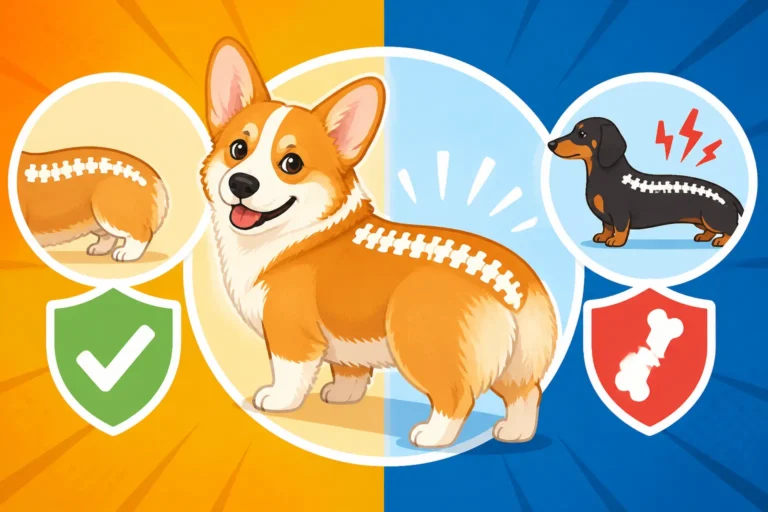
For Corgis in general, due to their unique body structure, back health is a lifelong consideration. Beyond DM, Corgis are also prone to intervertebral disc disease (IVDD), which can present with similar symptoms but is a different condition entirely. Understanding how to differentiate these can be complex, as discussed in Telling a Corgi's Slipped Disc From Myelopathy. This is another reason why comprehensive veterinary care and open communication with your vet are so important.
Investing in a good pet insurance plan, such as those offered by Healthy Paws, early in your Corgi's life, especially before any conditions manifest, can provide invaluable financial protection for future health challenges, whether it's DM, IVDD, or something else entirely. They are a valuable resource for unexpected vet bills down the line. By being informed and proactive from puppyhood, you can help ensure your Corgi lives the longest, happiest, and healthiest life possible.
Disclaimer
This article is for general informational purposes only and does not constitute professional advice. Laws, prices and regulations vary by location and change over time. Consult a qualified professional for guidance on your specific situation.