The DNA Tests a Corgi Breeder Should Run
Bringing a Corgi puppy into your life is an incredible joy, but for responsible breeders, the journey starts long before that adorable fluffball arrives. The heartbreaking reality is that even seemingly healthy parent dogs can silently carry genes for devastating conditions, passing them down to their unsuspecting offspring. This comprehensive guide is dedicated to shedding light on the absolutely essential DNA tests Corgi breeders must conduct to ensure the health and longevity of this beloved breed, safeguarding both the puppies and the families who adore them.
Why Genetic Testing is Non-Negotiable for Corgi Breeders
When you look at a vibrant, playful Corgi, it's easy to assume they're robust and free from serious health issues. However, appearances can be incredibly deceiving, especially when it comes to genetic conditions. For Corgi breeders, relying solely on visual health checks is simply not enough; it's a gamble with the future of the breed and the well-being of every puppy. Genetic testing provides a crucial window into the unseen, allowing breeders to make informed decisions that prevent heartache down the line.
Beyond the "Healthy" Look: Unmasking Hidden Risks
Imagine two gorgeous Corgi parents, both displaying perfect conformation, bright eyes, and boundless energy. They eat well, play hard, and have never shown a single sign of illness. To the casual observer, they are paragons of health. Yet, one or both of them could be a carrier for a serious genetic disease – a "silent carrier." This means they possess one copy of a faulty gene but do not exhibit the disease themselves because they also have a healthy copy of the gene to compensate. The problem arises when two carriers are bred together. In such cases, there's a 25% chance with each puppy that it will inherit two copies of the faulty gene, meaning it will be "affected" and likely develop the disease. This is a cruel twist of genetics, where the best-looking parents can inadvertently produce puppies destined for suffering.
Think about conditions like Degenerative Myelopathy (DM), a devastating progressive neurological disease. A Corgi carrying one copy of the associated gene mutation might never show symptoms, living a full and happy life. But if bred to another carrier, their puppies could face a grim future. Without genetic testing, a breeder would be completely unaware of this ticking time bomb in their lines. This is why a simple vet check-up, while important for general health, cannot replace the insights provided by specific DNA tests. It's about looking beneath the surface, into the very genetic code, to understand the true health potential of a breeding dog.
Protecting the Breed's Future and Puppy Owners' Hearts
The decision to breed Corgis comes with immense responsibility. It's not just about producing cute puppies; it's about contributing positively to the breed's genetic health. Ignoring available DNA tests is, frankly, a disservice to the breed and to every family who will welcome one of these puppies into their home. When affected puppies are born, the consequences can be devastating, not just for the dog, but for the entire family. Owners often spend thousands of dollars on diagnostics, treatments, and supportive care, only to watch their beloved companion decline due to a preventable genetic condition. This financial and emotional toll is immense, leaving families heartbroken and questioning why they weren't informed or protected.
Moreover, irresponsible breeding practices can spread genetic conditions more widely within the breed population. If affected dogs, or carriers bred without care, reproduce, the faulty genes become more prevalent, making it harder for future generations of breeders to produce healthy dogs. This is a long-term problem that impacts the entire Corgi community. Responsible breeding, backed by thorough DNA testing, helps to reduce the incidence of these diseases over time, slowly but surely weeding out the problematic genes while maintaining genetic diversity. It's a commitment to the breed's future, ensuring that the Corgi remains a healthy, cherished companion for generations to come. Insurance providers like Healthy Paws often highlight the importance of preventive care and genetic screening, as it can potentially reduce the likelihood of costly, heartbreaking conditions later in a pet's life.
Degenerative Myelopathy (DM) SOD1 Test
Degenerative Myelopathy, or DM, is one of the most widely recognized and feared genetic conditions in Corgis. It’s a progressive neurodegenerative disease that affects the spinal cord, leading to a gradual loss of mobility and quality of life. For Corgi breeders, understanding and testing for DM is paramount.
Understanding the SOD1 Gene and Its Role in DM
DM is caused by a mutation in the SOD1 gene, a gene that normally produces an enzyme crucial for protecting cells from damage. When this gene is mutated, it leads to the breakdown of nerve cells in the spinal cord, specifically those that transmit signals to the limbs. The progression of DM is relentless, typically starting with weakness and poor coordination in the hind limbs, which can manifest as a Corgi that scuffs its back nails. This often progresses to paralysis, eventually affecting the forelimbs and breathing muscles. While it is not painful itself, the loss of function and control can be incredibly distressing for both the dog and its owners.
Corgis, particularly the Pembroke Welsh Corgi, are highly predisposed to DM. In fact, you'll often find that many breeders and enthusiasts discuss Why Pembrokes Sit at the Top of DM Lists. It’s a recessive genetic condition, meaning a dog must inherit two copies of the mutated gene (one from each parent) to be "at-risk" of developing the disease. A dog inheriting only one copy is a "carrier" – they won't develop DM themselves but can pass the gene to their offspring. This makes the SOD1 DNA test an indispensable tool for every Corgi breeder.
Interpreting Test Results: Clear, Carrier, At-Risk
The DM SOD1 test typically yields one of three results, which are crucial for breeders to understand:
- N/N (Clear/Normal): This Corgi has two normal copies of the SOD1 gene and is highly unlikely to ever develop DM due to this specific mutation. They cannot pass the mutated gene to their offspring.
- A/N (Carrier): This Corgi has one normal copy and one mutated copy of the SOD1 gene. They are generally healthy and will not develop DM themselves, but they will pass the mutated gene to approximately 50% of their offspring.
- A/A (At-Risk/Affected): This Corgi has two copies of the mutated SOD1 gene and is therefore "at-risk" of developing DM. While not every at-risk dog will develop clinical signs, the vast majority will, often later in life. They will pass the mutated gene to all of their offspring.
It's important to remember that being "at-risk" doesn't guarantee a dog will get DM, and even then, the onset and progression can vary. However, it significantly increases the likelihood. For a deeper dive into understanding these outcomes, you can learn more about Reading a Corgi SOD1 Test Result. The statistics on How Many Corgis Carry the DM Mutation can be quite eye-opening, illustrating just how prevalent this genetic predisposition is within the breed.
Ethical Breeding Practices for DM
The clear understanding of DM test results empowers responsible breeders to make ethical breeding decisions. The goal is to slowly reduce the prevalence of the mutated gene in the Corgi population while maintaining a healthy gene pool.
Here are the generally accepted guidelines:
- Clear x Clear (N/N x N/N): This pairing will produce 100% clear puppies. This is the safest pairing in terms of DM, as none of the offspring will inherit the mutated gene.
- Clear x Carrier (N/N x A/N): This pairing will produce approximately 50% clear puppies and 50% carrier puppies. None of the puppies will be "at-risk" for DM, as they can only inherit one copy of the mutated gene at most. This is a very common and acceptable pairing, allowing breeders to responsibly utilize carriers with excellent qualities in their breeding programs without producing affected dogs. The carrier puppies can then be selectively bred to clear dogs in the next generation.
- Clear x At-Risk (N/N x A/A): This pairing will produce 100% carrier puppies. While none of the puppies will be "at-risk" themselves, all will carry the mutated gene. This pairing is generally discouraged unless the "at-risk" dog possesses truly exceptional qualities that are vital to the breed, and the breeder is committed to only breeding the resulting carriers to clear dogs in subsequent generations. However, this carries the most risk of perpetuating the gene.
- Carrier x Carrier (A/N x A/N): This pairing will produce approximately 25% clear puppies, 50% carrier puppies, and 25% "at-risk" puppies. This pairing is highly discouraged by responsible breeders because it knowingly produces "at-risk" puppies.
- Carrier x At-Risk (A/N x A/A) or At-Risk x At-Risk (A/A x A/A): These pairings will produce a high percentage, or even 100%, of "at-risk" puppies. These pairings are considered highly unethical by reputable breeders and should be avoided at all costs.
For more nuanced discussions on breeding decisions, particularly concerning those with the gene, consider exploring resources on Whether an At-Risk Corgi Should Be Bred. The ultimate aim is to remove the gene from the population responsibly, ensuring fewer Corgis face the challenges of DM.
Von Willebrand Disease (vWD) Type I Test
Beyond the neurological concerns of DM, another critical genetic condition that Corgi breeders must screen for is Von Willebrand Disease (vWD) Type I. This is a hereditary bleeding disorder that can have severe implications, especially during times of injury or surgery. It's often referred to as a "silent bleeder" because affected dogs might appear perfectly healthy until a crisis occurs.
The Silent Bleeder: What vWD Means for Corgis
Von Willebrand Disease is the most common inherited bleeding disorder in dogs, and it occurs when there's a deficiency in Von Willebrand factor, a protein essential for normal blood clotting. Without sufficient Von Willebrand factor, a dog's blood has difficulty forming stable clots, leading to prolonged or excessive bleeding. In Corgis, specifically the Pembroke Welsh Corgi, Type I vWD is the most prevalent form.
The signs of vWD can range from subtle to life-threatening. Affected Corgis might experience easy bruising, frequent nosebleeds, or prolonged bleeding after a minor cut. More concerning are situations like surgery (e.g., spaying, neutering, or even a dental procedure) or injury, where excessive bleeding can lead to severe blood loss and even death if not managed properly. Imagine your Corgi needing an emergency procedure, only for the vet to discover they have a clotting disorder that was previously unknown. It's a terrifying scenario that can be entirely avoided with proper screening. This is the condition behind The Bleeding Disorder Pembrokes Carry, and it’s a serious concern for any responsible Corgi owner or breeder.
Testing Protocols and Result Implications
Similar to DM, vWD Type I is typically inherited in an autosomal recessive pattern, though some forms can be dominant. The DNA test identifies the specific gene mutation responsible for the deficiency in Von Willebrand factor. The results categorize dogs into three groups:
- Clear/Normal: This Corgi has two normal copies of the vWD gene and is not affected by vWD Type I. They cannot pass the mutated gene to their offspring.
- Carrier: This Corgi has one normal copy and one mutated copy of the vWD gene. They are generally not affected by vWD Type I themselves, but they carry the gene and can pass it on to their puppies.
- Affected: This Corgi has two copies of the mutated vWD gene. They will likely be affected by vWD Type I and will pass the mutated gene to all their offspring. These dogs are at significant risk for bleeding complications throughout their lives.
For affected dogs, even routine veterinary procedures require extreme caution. Vets need to be aware of their status to take preventative measures, such as having blood products on hand or administering clotting-promoting medications before any invasive procedure. This awareness is so critical that often, Clotting Tests Before a Corgi Goes Under are standard protocol for affected dogs or those with an unknown vWD status, highlighting the very real risks involved. This also speaks to why it’s so important to pick an insurance provider like Healthy Paws, who understands the importance of these genetic screenings for ensuring the well-being of your Corgi from the start.
Managing vWD in a Breeding Program
For Corgi breeders, the strategy for managing vWD Type I is straightforward and follows similar ethical guidelines as DM:
- Test all breeding stock: Every Corgi considered for breeding should be tested for vWD Type I. This is a foundational step to ensure no affected dogs are inadvertently produced.
- Avoid breeding affected dogs: Corgis identified as "affected" should not be used for breeding. Their offspring would all be carriers at minimum, and if bred to another carrier or affected dog, would produce more affected puppies.
- Careful consideration of carriers: Carriers can be bred, but only to clear dogs. This ensures that no affected puppies are produced. Breeding a carrier to a clear dog will result in approximately 50% clear puppies and 50% carrier puppies, none of which will be affected by the disease. This allows breeders to retain valuable genetics from carrier dogs while responsibly eliminating the risk of affected offspring.
By adhering to these practices, breeders can systematically reduce the frequency of the vWD Type I gene within the Corgi population. This proactive approach not only protects individual puppies from a potentially life-threatening disorder but also strengthens the overall genetic health of the breed, ensuring that future Corgis can live full, active lives free from the constant threat of a bleeding crisis.
Progressive Retinal Atrophy (PRA-RCD3) Test
Another critical area of genetic screening for Corgi breeders involves eye health, specifically testing for Progressive Retinal Atrophy (PRA), particularly the RCD3 form. While not life-threatening in the same way DM or vWD can be, PRA leads to a gradual, irreversible loss of sight, which significantly impacts a dog's quality of life and the experience of its owners.
The Gradual Loss of Sight: PRA Explained
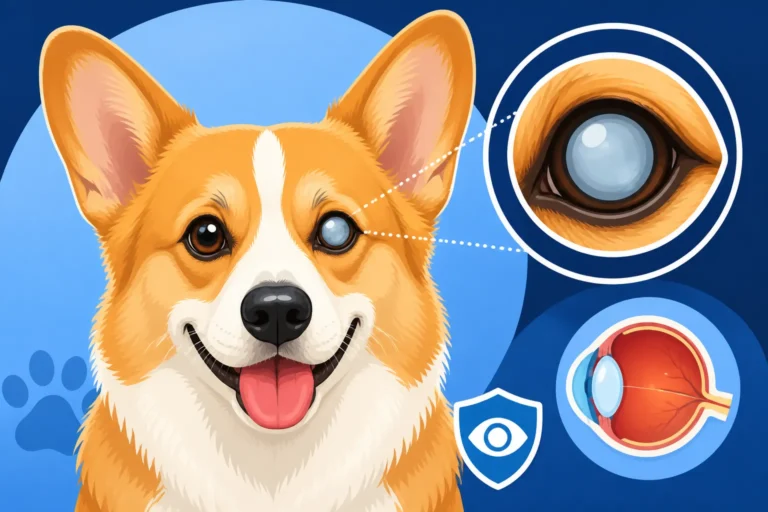
Progressive Retinal Atrophy is actually a group of genetic diseases that cause the degeneration of the photoreceptor cells (rods and cones) in the retina of the eye. These cells are responsible for detecting light and transmitting visual information to the brain. In Corgis, the specific form of concern is usually cone-rod dystrophy 3 (PRA-RCD3). This means the cones, responsible for vision in bright light and color perception, and the rods, responsible for vision in low light and peripheral vision, both degenerate.
The progression of PRA-RCD3 is typically slow and insidious. One of the first noticeable signs for owners is often "night blindness," where the dog struggles to navigate in dim light, may bump into furniture, or becomes hesitant to go outside after dusk. As the disease advances, day vision also deteriorates, eventually leading to complete blindness. This loss of sight can be incredibly disorienting and stressful for a dog, even though Corgis, like many dogs, adapt remarkably well to blindness. Still, it is a condition that can be prevented through responsible breeding. For those interested in the broader scope of Corgi eye issues, checking out Corgi Eye Disease and PRA provides more context.
Genetic Markers and Visual Health
PRA-RCD3 is an autosomal recessive inherited disorder. This means a Corgi must inherit two copies of the mutated gene (one from each parent) to be affected and eventually develop blindness. Dogs with one copy of the mutated gene are carriers; they will have normal vision but can pass the gene to their offspring.
The DNA test for PRA-RCD3 identifies the specific genetic mutation responsible for this form of retinal degeneration. By utilizing this test, breeders can accurately determine the genetic status of their breeding stock:
- Clear/Normal: Possesses two healthy copies of the gene, will not develop PRA-RCD3, and cannot pass the mutation to offspring.
- Carrier: Possesses one healthy and one mutated copy of the gene, will have normal vision, but can pass the mutated gene to approximately 50% of offspring.
- Affected: Possesses two mutated copies of the gene, will develop PRA-RCD3, and will pass the mutated gene to all offspring.
This genetic screening is critical because clinical signs of PRA might not become apparent until a dog is several years old, long after it might have already been bred. Relying solely on veterinary eye exams can miss carriers, especially in younger dogs. The DNA test provides a definitive answer regardless of age. If you're looking for specifics on the test itself, The Corgi PRA Gene Test can offer more detail on what is involved.
Incorporating Eye Health into Breeding Choices
Responsible Corgi breeders use PRA-RCD3 test results to make informed breeding decisions that protect the vision of future generations:
- Avoid breeding affected dogs: Corgis identified as "affected" for PRA-RCD3 should not be used for breeding. Breeding an affected dog guarantees that all offspring will receive at least one copy of the mutated gene, becoming carriers at minimum.
- Strategic breeding of carriers: Carriers can be bred, but only to clear dogs. This pairing will produce approximately 50% clear puppies and 50% carrier puppies, none of whom will be affected by PRA-RCD3. This allows breeders to continue lines with desirable traits while responsibly managing the genetic risk. Breeding two carriers together, or a carrier to an affected dog, is highly discouraged as it can produce affected puppies.
- Regular veterinary ophthalmologist exams: While DNA testing is invaluable for detecting carriers and affected status, it should complement, not replace, regular eye examinations by a board-certified veterinary ophthalmologist. These examinations (often certified through organizations like OFA Eye/CERF) can detect other non-genetic eye conditions or different forms of PRA not covered by a specific DNA test. This dual approach offers the most comprehensive assessment of a Corgi's eye health.
By diligently screening for PRA-RCD3 and adhering to ethical breeding practices, Corgi breeders play a vital role in preserving the excellent vision and overall well-being of this charming breed. Ensuring good vision is fundamental to a dog's happiness and ability to interact with the world around them, making this test a cornerstone of any responsible Corgi breeding program.
Other Important Genetic Considerations for Corgi Health
While DM, vWD Type I, and PRA-RCD3 are among the most critical genetic tests for Corgi breeders, the genetic landscape of the breed extends further. Several other genetic factors can influence a Corgi's health, structure, and appearance, and responsible breeders will consider these in their comprehensive health screening. These tests, while perhaps less universally critical than the big three, contribute to a holistic approach to breeding healthy Corgis.
Chondrodystrophy (CDDY and CDPA)
Corgis are known for their distinctive short legs, a trait that is a hallmark of the breed's conformation. This characteristic is due to a form of disproportionate dwarfism known as chondrodystrophy. However, there are two distinct genetic mutations related to this trait, CDDY (chondrodystrophy with intervertebral disc disease) and CDPA (chondrodysplasia), and understanding them is crucial.
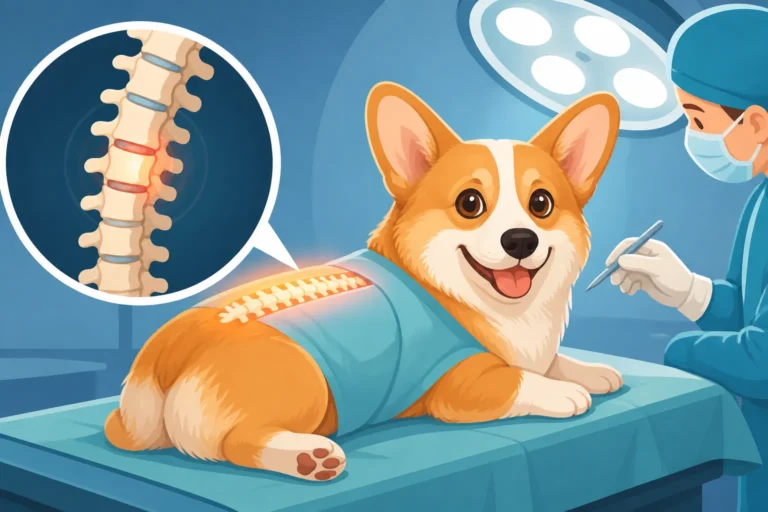
- CDDY (Chondrodystrophy and IVDD Risk): The CDDY gene causes the short-legged phenotype and is associated with an increased risk for premature degeneration of the intervertebral discs. This means that while it gives Corgis their short stature, it also predisposes them to Intervertebral Disc Disease (IVDD), a painful and debilitating spinal condition. Unlike DM which is a neurological degeneration, IVDD is a structural problem where discs bulge or rupture, pressing on the spinal cord. This can lead to sudden pain, weakness, and even paralysis. The CDDY mutation is semi-dominant, meaning even one copy can confer the short-legged trait and the IVDD risk. For breeders, understanding their Corgi's CDDY status is vital, as it provides insight into the potential for spinal issues. To delve deeper into how this structural predisposition impacts Corgis, it's worth understanding What Chondrodystrophy Means for a Corgi, and linking it to the discussions on Disc Disease in a Long-Backed Corgi and Why Corgi Weight Is a Spinal Problem.
- CDPA (Chondrodysplasia): The CDPA gene is responsible for the original, non-IVDD-associated short-legged trait in some breeds. While Corgis primarily carry CDDY, some may also carry CDPA. While CDPA itself is not directly linked to IVDD risk, understanding its presence can give a more complete genetic picture of the dog's structure.
Breeders should test for CDDY to understand the inherent IVDD risk in their lines. While eliminating short legs isn't desirable or possible for the breed, being aware of the genetic predisposition to disc disease allows breeders to make informed decisions and to counsel puppy buyers on preventative care. This helps families understand the importance of managing their Corgi's activity and weight, especially with an insurance provider like Healthy Paws that can help manage the financial strain of an unexpected IVDD surgery or treatment.
Fluffy Coat Gene (Long Coat Trait)
While not a health issue, the "fluffy" coat is a distinctive genetic trait in Corgis that breeders should be aware of. A "fluffy" Corgi has a longer, softer, often more feathery coat than the standard harsh, weather-resistant double coat typical of the breed. This trait is caused by a recessive gene.
- Genetic Basis: A Corgi must inherit two copies of the "fluffy" gene (one from each parent) to display the fluffy coat. Dogs with one copy are carriers and will have a standard coat but can pass the gene to their offspring.
- Breed Standard vs. Pet: In the show ring, a fluffy coat is considered a disqualifying fault according to the AKC Pembroke Welsh Corgi breed standard. However, fluffy Corgis are perfectly healthy and can make wonderful family pets.
- Breeder Decisions: Responsible breeders often test for the fluffy gene to avoid producing fluffy puppies if they are primarily focused on conformation showing. For those breeding for pet homes, understanding the gene allows them to inform prospective owners about the coat type. Importantly, Whether a Fluffy Corgi Has Different Health Risks is a common question, and the answer is generally no – it's purely a cosmetic difference.
Testing for the fluffy gene helps breeders manage their lines according to their breeding goals, whether it's adhering strictly to the breed standard or simply understanding the potential coat types of their puppies.
Renal Telangiectasia (RT) in Pembrokes
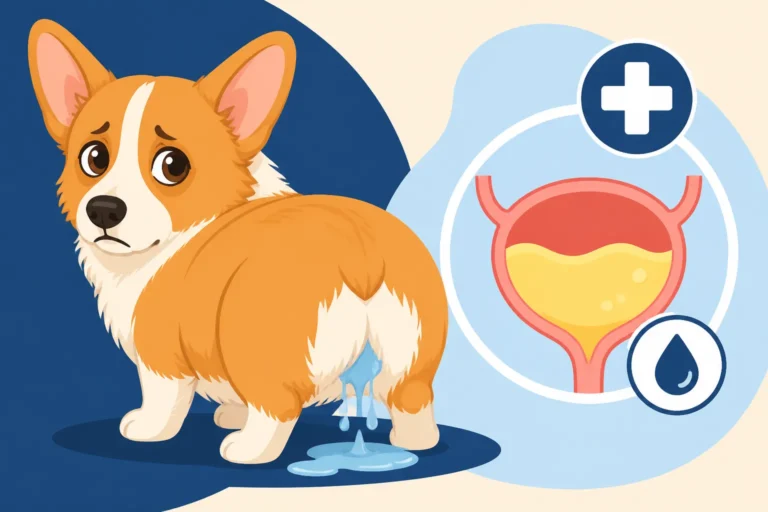
Renal Telangiectasia (RT) is a rare but serious inherited kidney disorder primarily affecting Pembroke Welsh Corgis. It involves abnormal dilation of blood vessels (telangiectasias) in the kidneys, which can lead to blood loss into the urine and, in severe cases, progressive kidney failure.
- Genetic Basis: RT is also inherited in an autosomal recessive pattern. A dog must inherit two copies of the mutated gene to be affected. Carriers have one copy and are not affected but can pass the gene to their offspring.
- Clinical Signs: Affected Corgis may show signs such as blood in the urine, increased thirst, and lethargy. The condition can be variable in its severity.
- Importance of Testing: While less common than DM or vWD, RT is a serious condition when present. A DNA test is available to identify clear, carrier, and affected dogs. For any Pembroke Welsh Corgi breeder, testing for RT is a responsible step, especially if the condition is known to exist in their broader lineage. More details on this specific condition can be found under Renal Telangiectasia in a Pembroke.
Including these additional genetic tests in a breeding program demonstrates a comprehensive commitment to the health of the Corgi breed, addressing not only the most prevalent issues but also other potential concerns that can impact a Corgi's life.
Navigating the Testing Process and Choosing Labs
Once a Corgi breeder understands why genetic testing is crucial, the next step is to understand how to go about it. The process is generally straightforward, but choosing the right laboratory and knowing how to interpret and utilize the results are key to a successful and ethical breeding program.
How Genetic Tests Are Performed
Genetic testing for Corgis is a relatively simple and non-invasive procedure, especially compared to some veterinary diagnostics. The most common methods involve:
- Cheek Swab (Buccal Swab): This is the easiest and most popular method. A small brush or swab is gently rubbed on the inside of the dog's cheek for about 10-20 seconds to collect epithelial cells, which contain DNA. The swab is then air-dried and sent to the laboratory. It's painless and can be done at home or by a vet technician.
- Blood Sample: In some cases, a veterinarian may prefer to draw a small blood sample. This is typically done if a dog is already at the clinic for other procedures or if the lab has specific requirements. Blood samples often provide a higher concentration of DNA, but cheek swabs are generally sufficient for accurate results.
Regardless of the method, it's vital to follow the lab's specific instructions for sample collection carefully to avoid contamination or insufficient DNA. This usually involves ensuring the dog hasn't eaten or nursed within an hour or two of collection to avoid food particles on the swab. Once collected, the sample is mailed to the chosen genetic testing laboratory, where their scientists extract the DNA and analyze it for the specific mutations being screened. Results are usually provided electronically within a few weeks.
Reputable Genetic Testing Laboratories
Choosing a reputable laboratory is paramount to ensure accurate and reliable results. Several well-established companies specialize in canine genetic testing. When considering a lab, look for:
- Accreditation and Reputation: Labs with a strong reputation in the veterinary genetics community and proper accreditation offer peace of mind.
- Comprehensive Panels: Many labs offer comprehensive breed-specific panels that test for multiple genetic conditions relevant to Corgis (like DM, vWD, PRA, CDDY, fluffy gene, RT) all from one sample. This is often more cost-effective and efficient than ordering individual tests.
- Clear Reporting: The lab should provide easy-to-understand reports that clearly state the dog's genetic status (Clear, Carrier, Affected/At-Risk) for each tested condition.
- Customer Support: Good customer service is helpful if you have questions about the process or results.
Some of the most highly regarded genetic testing laboratories that Corgi breeders commonly use include:
- Embark Veterinary: Known for its comprehensive DNA health panels that screen for hundreds of genetic conditions, breed identification, and genetic diversity.
- Optimal Selection (MyDogDNA): Offers extensive breed-specific health panels for various breeds, including Corgis, with a focus on inherited diseases.
- Paw Print Genetics: Specializes in genetic health testing for purebred dogs, offering individual tests and breed-specific panels with detailed reports.
- Animal Genetics: Provides a range of individual genetic tests for various canine diseases and traits.
You can often find more information about which specific labs perform tests for certain conditions by researching resources like Which Labs Run the Corgi DM Test, which frequently highlight these key players. Many breeders find that investing in a comprehensive panel right from the start with a trusted provider saves money and provides a more complete picture of their Corgi's genetic makeup.
Recording and Sharing Results Ethically
Once the results are in, the work isn't over. Responsible breeders have an ethical obligation to record and, often, share these results transparently.
- Public Databases: Organizations like the Orthopedic Foundation for Animals (OFA) maintain public health databases. Breeders can submit their Corgi's genetic test results to OFA, which then become publicly accessible. This allows prospective puppy buyers to verify health clearances independently. This transparency builds trust and helps educate the public. The Canine Health Information Center (CHIC) program, also through OFA, provides a standardized set of health screening recommendations for specific breeds, encouraging breeders to complete all recommended tests.
- Transparency with Puppy Buyers: A cornerstone of responsible breeding is honesty with potential puppy owners. Breeders should readily share the genetic test results of both parents, explaining what each result means for the puppy they are considering. Providing copies of the health certificates gives buyers confidence and allows them to understand the genetic health of their new family member. For example, if a puppy is a DM carrier, the breeder should explain what that means (no DM symptoms, but don't breed them to another carrier).
- Leveraging Results for Health Management: Understanding a Corgi's genetic predispositions isn't just for breeding; it also empowers owners with knowledge for their pet's lifelong health management. For instance, knowing a Corgi is at higher risk for IVDD due to CDDY can prompt an owner to be more proactive about weight management, discourage jumping, and consider steps and ramps around the home. Similarly, if a dog is an affected carrier of vWD, this information is critical for their veterinarian before any surgical procedure. Insurance providers, like Healthy Paws, often base their coverage on whether a condition is pre-existing, so having these test results documented early on can be beneficial for future claims related to these genetic conditions.
By meticulously navigating the testing process, choosing reputable labs, and ethically sharing results, Corgi breeders affirm their commitment to the health and well-being of the breed, building a foundation of trust and transparency with every puppy they place.
The Lifelong Commitment: Beyond DNA Tests
While DNA testing forms an indispensable cornerstone of responsible Corgi breeding, it is by no means the only tool in a breeder's arsenal. A truly comprehensive approach to ensuring the health and vitality of Corgis involves a broader spectrum of health screenings, continuous learning, and a deep commitment to the breed's overall welfare. DNA tests tell us about specific genetic predispositions, but they don't paint the whole picture of a dog's health or suitability for breeding.
Comprehensive Health Screening and Pedigree Research
Responsible Corgi breeders understand that genetic testing is just one piece of a much larger puzzle. To produce truly healthy and sound puppies, additional health screenings are essential, alongside meticulous pedigree research:
- Hip and Elbow Scoring: Corgis, with their chondrodystrophic structure, can be prone to orthopedic issues, though less commonly than some larger breeds. Hip and elbow dysplasia, while not as prevalent as in some other breeds, can still occur. Utilizing screening programs like those offered by the Orthopedic Foundation for Animals (OFA) or PennHIP is crucial. These involve X-rays to evaluate the structural integrity of the hip and elbow joints, helping to identify dogs with arthritic changes or joint laxity. Scores or grades (e.g., Excellent, Good, Fair for hips) guide breeders in selecting sound breeding stock. For more in-depth information on this, explore resources like Corgi Hips and Front-End Structure and what Corgi Hip Scores and What They Mean. These evaluations provide vital information about a Corgi's physical soundness, which is just as important as its genetic health.
- OFA Eye (CERF) Examinations: While DNA tests cover specific forms of PRA, a board-certified veterinary ophthalmologist conducts a comprehensive eye exam to screen for other eye conditions. These exams can detect issues like cataracts, retinal dysplasia, distichiasis (extra eyelashes), and other abnormalities not identified by a simple DNA test. These certifications typically need to be renewed regularly.
- Cardiac Screening: Depending on the lines, some breeders might also consider cardiac screenings, especially if there's any history of heart issues in a Corgi's pedigree. This usually involves a physical exam and sometimes an echocardiogram performed by a veterinary cardiologist.
- Pedigree Research: Beyond individual dog testing, a responsible breeder delves deep into the pedigrees of their breeding stock. This involves researching the health of ancestors, siblings, and offspring to identify any recurring health issues that might not be covered by standard DNA panels or orthopedic screenings. A known incidence of conditions like epilepsy or kidney problems in a line can inform breeding decisions, even without a specific DNA test. This historical perspective is invaluable for making truly informed choices.
By combining thorough DNA testing with these physical health screenings and extensive pedigree research, breeders create a robust health profile for their Corgis, significantly increasing the likelihood of producing healthy, long-lived puppies.
Mentorship and Continuous Learning for Breeders
The world of canine health and genetics is constantly evolving. What was considered cutting-edge yesterday might be standard practice today, and new genetic discoveries are made regularly. Therefore, a commitment to continuous learning and engagement with the broader Corgi community is a hallmark of a responsible breeder.
- Joining Breed Clubs: Becoming an active member of the Pembroke Welsh Corgi Club of America (PWCCA) or regional Corgi clubs is invaluable. These organizations are often at the forefront of promoting responsible breeding practices, funding health research, and educating members. They provide platforms for sharing information, discussing health concerns, and connecting with experienced mentors.
- Seeking Mentorship: New breeders, especially, benefit immensely from mentorship by seasoned, ethical breeders. Mentors can offer guidance on interpreting test results, understanding pedigrees, making difficult breeding decisions, and navigating the complexities of canine reproduction and puppy raising. This hands-on, experience-based learning complements the scientific data from DNA tests.
- Staying Updated: Attending seminars, webinars, and conferences on canine health, genetics, and breeding is crucial. Reading veterinary journals and reputable online resources ensures breeders are aware of the latest research, emerging health concerns, and new testing recommendations. For example, understanding how a seemingly small topic like The DNA Tests a Corgi Breeder Should Run fits into the much larger strategy of breed preservation and advancement. This proactive approach ensures that breeders are always equipped with the most current knowledge to make the best decisions for their dogs.
- Collaborating with Veterinarians: Building a strong relationship with a veterinarian who is knowledgeable about Corgi health and breeding is essential. They can provide advice on testing protocols, interpret complex results, and offer guidance on overall breeding management. A trusted vet is an invaluable partner in any breeding program.
This ongoing commitment to education and community involvement ensures that breeders remain at the cutting edge of Corgi health, constantly refining their practices to produce the healthiest possible puppies.
The True Mark of a Responsible Corgi Breeder
Ultimately, the true mark of a responsible Corgi breeder goes far beyond simply ticking off boxes on a health test list. It encompasses a holistic dedication to the well-being of the entire breed, a deep understanding of each individual dog, and an unwavering commitment to the families who welcome their puppies home.
A responsible breeder:
- Prioritizes Health Above All: They make breeding decisions based on a comprehensive understanding of health, temperament, and conformation, never sacrificing health for trends or show ring success alone.
- Is Transparent and Honest: They are open about all health test results, both positive and negative, and are willing to discuss potential risks and challenges with prospective puppy owners. They provide contracts that outline health guarantees and responsibilities.
- Offers Lifelong Support: They view themselves as a resource for their puppy buyers for the entire life of the dog, offering advice, support, and a commitment to take back any dog they have bred if the owners can no longer care for it.
- Contributes to the Breed's Future: Through careful selection, health testing, and ethical practices, they strive to improve the genetic health and overall quality of the Corgi breed with each generation. They understand that every breeding decision has implications for the future of Corgis.
In essence, a responsible Corgi breeder is a steward of the breed. They invest not just money, but time, emotion, and intellect into ensuring that the delightful, intelligent, and sturdy Corgi continues to thrive for years to come. Their commitment extends from the first DNA swab to the last wag of a Corgi's tail, ensuring that each puppy has the best possible start to a long, happy, and healthy life with its loving family.
Key Corgi Genetic Health Tests
To give you a clearer picture of the primary DNA tests discussed, here's a summary:
| Genetic Test | What It Screens For | Inheritance Pattern | Why It's Critical for Corgis |
|---|---|---|---|
| Degenerative Myelopathy (DM) | Mutation in the SOD1 gene, linked to a progressive neurodegenerative spinal cord disease. | Autosomal Recessive | High prevalence in Corgis; leads to hind limb weakness and paralysis. |
| Von Willebrand Disease (vWD) Type I | Deficiency in Von Willebrand factor, a protein necessary for blood clotting. | Autosomal Recessive | Common inherited bleeding disorder, posing risks during injury or surgery. |
| Progressive Retinal Atrophy (PRA-RCD3) | Degeneration of photoreceptor cells in the retina, leading to eventual blindness. | Autosomal Recessive | Specific form of PRA leading to irreversible vision loss, preventable with testing. |
| Chondrodystrophy (CDDY) | Genetic basis for short legs and increased risk of Intervertebral Disc Disease (IVDD). | Semi-Dominant | Inherent risk for spinal issues due to disc degeneration; crucial for owner education. |
| Fluffy Coat Gene | Recessive gene for a longer, softer coat (a cosmetic fault in show ring). | Autosomal Recessive | Important for breeders aiming for breed standard conformation, no health impact. |
| Renal Telangiectasia (RT) | Abnormal blood vessels in kidneys, potentially leading to blood in urine and kidney failure. | Autosomal Recessive | Rare but serious kidney disorder, particularly in Pembrokes. |
Disclaimer
The information provided in this article is for educational and informational purposes only and does not constitute veterinary advice. Always consult with a qualified veterinarian or veterinary specialist for any health concerns or before making any decisions about your Corgi's health or breeding program. Genetic testing results should be interpreted in conjunction with a full veterinary examination and consideration of a dog's complete pedigree and health history.