The Corgi PRA Gene Test
It’s truly disheartening to imagine your beloved Corgi, full of life and joy, slowly losing their precious eyesight. The thought of them struggling to navigate their familiar home, bumping into furniture, or losing their zest for walks can be incredibly worrying for any Corgi parent. This comprehensive guide is here to shed light on Progressive Retinal Atrophy (PRA), a genetic eye condition that can lead to blindness in our charming, low-riding companions, and more importantly, how the PRA gene test can empower you with knowledge and proactive care.
Understanding Progressive Retinal Atrophy (PRA) in Corgis
Progressive Retinal Atrophy, often shortened to PRA, isn't just one disease but rather a blanket term for a group of genetic eye disorders that gradually cause the cells in the retina to degenerate. For Corgi owners, especially those with Cardigan Welsh Corgis, this is a particularly relevant health concern. It’s a condition that can steal your dog's sight over time, transforming their world from vibrant to vague.
What is PRA and How Does It Affect Vision?
The retina is a thin layer of tissue at the back of the eye that contains photoreceptor cells – rods and cones. Rods are responsible for vision in low light and detecting movement, while cones handle bright light and color perception. In dogs affected by PRA, these photoreceptor cells begin to deteriorate, much like pixels on a screen slowly burning out. Initially, the rod cells are often affected first, leading to a condition known as "night blindness." This means your Corgi might struggle to see in dimly lit rooms, at dusk, or when navigating familiar spaces after dark. You might notice them hesitating, bumping into things, or becoming more reliant on you in low light.
As the disease progresses, the cone cells also begin to degenerate, eventually leading to complete blindness, even in bright light. This is a slow, relentless process, which, while sad, does give dogs a chance to adapt to their diminishing vision. The timeline for vision loss can vary significantly depending on the specific genetic mutation and the individual dog, but it is always progressive and irreversible. Unlike some other eye conditions, PRA isn't typically painful, but the loss of sight can certainly impact a Corgi's quality of life and confidence.
The Genetic Basis for PRA in Corgis
The devastating reality of PRA is that it is an inherited condition, meaning it’s passed down through generations. For our Corgi friends, specifically Cardigan Welsh Corgis, there’s a well-identified form of PRA called progressive rod-cone degeneration 3, or PRA-rcd3. This particular mutation causes early-onset blindness, often starting with night blindness around 1-3 years of age, and progressing to total blindness by 4-6 years. This is why understanding The DNA Tests a Corgi Breeder Should Run is so incredibly important for responsible breeding.
Dogs typically inherit two copies of every gene, one from each parent. For PRA-rcd3, it’s an autosomal recessive trait. This means a Corgi must inherit two copies of the affected gene (one from the mother and one from the father) to develop the disease.
- Clear: A dog with two normal genes will not develop PRA and cannot pass the gene to its offspring.
- Carrier: A dog with one normal gene and one affected gene will not develop PRA itself (it's asymptomatic), but it can pass the affected gene to its puppies.
- Affected: A dog with two copies of the affected gene will develop PRA and will pass one affected gene to all of its offspring.
This genetic inheritance pattern highlights why testing is so critical. A carrier dog looks and acts perfectly healthy, but if bred with another carrier, there's a 25% chance in each litter that a puppy will be affected by PRA. This silent spread can continue for generations if breeders aren't vigilant with genetic testing.
Recognizing the Early Signs of Vision Loss
Spotting the first signs of PRA can be tricky because Corgis are incredibly adaptable. They use their other senses, like their keen sense of smell and hearing, to compensate for dwindling vision. However, there are subtle clues that, when noticed, should prompt a visit to your vet.
One of the earliest and most common indicators is Night Blindness in a Corgi. You might observe your Corgi becoming hesitant to go outside in the dark, bumping into furniture in a dimly lit hallway, or appearing disoriented at dusk. They might stick closer to your legs or seem more easily startled in low light conditions. Another sign can be dilated pupils, even in moderate light, as their eyes try to gather more light to compensate for the degenerating photoreceptors. Their eyes might also develop a "tapetal reflection" or a brighter-than-usual shine when light hits them, due to changes in the back of the eye.
As the disease progresses, you might notice more generalized clumsiness, particularly in unfamiliar environments. They might hesitate before jumping off a sofa they once navigated with ease, or they might seem more reluctant to explore new places. Their confidence can take a hit, and they might become more vocal or anxious when their usual routines are disrupted. It’s a slow fade, which can make it hard to pinpoint exactly when the changes began, but paying close attention to these subtle shifts in behavior can make all the difference. For a more comprehensive understanding of vision issues, you might want to look into topics like Corgi Eye Disease and PRA.
The Corgi PRA Gene Test: A Crucial Tool
The PRA gene test is an invaluable resource for Corgi owners and breeders alike. It's a simple, non-invasive test that can provide definitive answers about your Corgi's genetic status regarding PRA. This knowledge is power, allowing for informed decisions regarding breeding, early management, and ensuring the best possible quality of life for your furry family member.
What the Gene Test Pinpoints
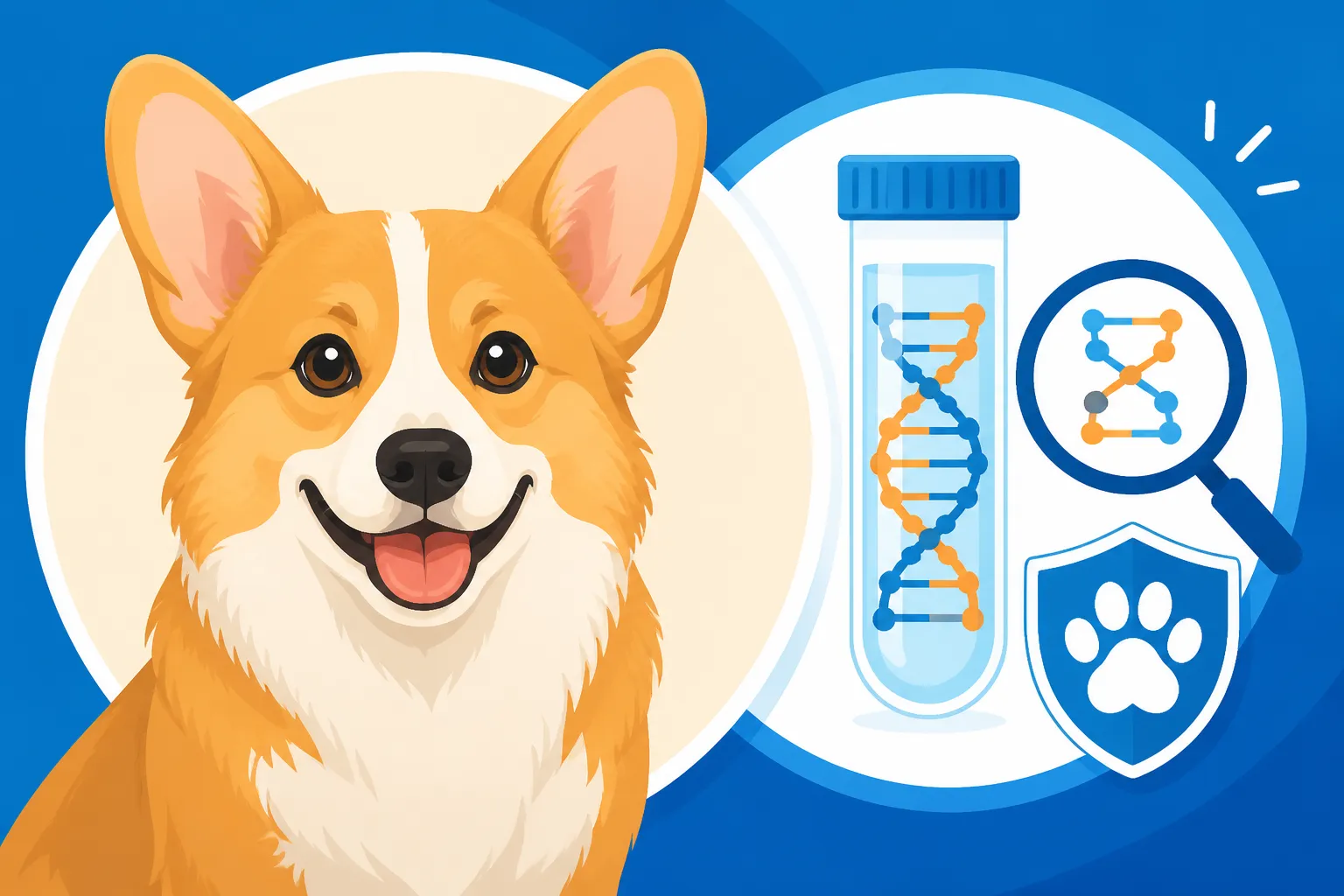
The PRA gene test works by analyzing a small sample of your dog's DNA, typically collected via a simple cheek swab. Leading veterinary diagnostic labs, such as Embark or OptiGen, offer these specific tests for various Corgi breeds. For Cardigan Welsh Corgis, the test specifically looks for the rcd3 mutation. It doesn't tell you if your dog has PRA right now, but rather if they carry the genes that predispose them to developing it or passing it on.
The test results will categorize your Corgi as "Clear," "Carrier," or "Affected." This genetic blueprint provides certainty that physical examination alone cannot. A vet can conduct an eye exam to look for physical signs of PRA, but these signs often don't become apparent until the disease has already started to progress. The gene test, however, can identify a dog at risk long before any symptoms manifest, sometimes even as a puppy. This proactive approach is essential for mitigating the spread of genetic diseases within the breed and for giving owners the earliest possible heads-up.
When and Why to Test Your Corgi
Ideally, all Corgis intended for breeding should be genetically tested for PRA before they are ever bred. This is a cornerstone of responsible breeding practices and helps ensure that puppies are born healthy and free from preventable genetic conditions. Breeders often test their entire breeding stock, and reputable breeders will readily provide documentation of these tests for both parent dogs. You should always ask a breeder about Whether Corgi Eyes Are Checked Before Breeding.
For pet owners, testing a puppy can offer peace of mind or prepare you for potential future challenges. If you adopted your Corgi and their genetic history is unknown, a PRA test is still a good idea, especially if you have a Cardigan Welsh Corgi or notice any subtle signs of vision impairment. Even if your Corgi isn't used for breeding, knowing their PRA status can help you understand any future vision changes and plan accordingly for their care. Early detection, even through genetic markers, allows you to consult with your veterinarian about appropriate monitoring and environmental adjustments that can make a huge difference if vision loss does occur. Some pet insurance providers, like Healthy Paws, might even encourage preventative testing as part of a comprehensive wellness strategy, though coverage for genetic testing itself can vary.
Deciphering PRA Test Results
Once you receive your Corgi's PRA gene test results, understanding what they mean is paramount. The results will typically fall into one of three categories:
| Result Category | Genetic Makeup | Implications for Your Corgi | Implications for Breeding |
|---|---|---|---|
| Clear (N/N) | Two normal genes | Will not develop PRA-rcd3. | Can be bred safely with any tested Corgi. |
| Carrier (N/PRA) | One normal, one affected gene | Will not develop PRA-rcd3 themselves. | Should only be bred with a "Clear" Corgi to avoid producing affected puppies. |
| Affected (PRA/PRA) | Two affected genes | Will develop PRA-rcd3. | Should NOT be bred as they will pass an affected gene to all offspring. |
If your Corgi tests "Clear," congratulations! You have a dog that is genetically free from PRA-rcd3 and cannot pass this particular gene on. This provides immense relief and helps you understand why Why a Corgi Carrying the DM Gene Usually Stays Well might be a similar, but distinct, genetic consideration.
If your Corgi is a "Carrier," it means they won't develop the disease themselves, which is excellent news for their personal health. However, if you were considering breeding them, you'd need to be extremely careful to only pair them with a "Clear" mate. This is crucial to prevent affected puppies from being born.
An "Affected" result, while difficult to hear, provides vital information. It means your Corgi will develop PRA-rcd3 at some point in their life. This allows you to plan ahead, consult with a veterinary ophthalmologist, and begin making necessary adjustments to your home environment long before their vision loss becomes severe. It also means that this Corgi should absolutely not be bred to prevent passing on this debilitating condition. Knowing this information early can make a world of difference in preparing for and managing your Corgi's future.
Navigating Life with a PRA-Affected Corgi
Receiving an "Affected" result for the PRA gene test, or noticing definitive signs of vision loss in your Corgi, can be heartbreaking. However, it's not a death sentence, nor does it mean your Corgi can't live a full, happy life. Many Corgis adapt remarkably well to vision impairment with the right support, patience, and environmental modifications from their devoted owners.
Adapting Your Home for a Visually Impaired Dog
The key to helping a Corgi with progressive vision loss is consistency and safety. Their world becomes about familiarity and scent. You'll need to create a stable environment that reduces hazards and allows them to navigate confidently.
- Maintain Consistency: Avoid rearranging furniture. Keep food and water bowls, beds, and toy baskets in the same location. This helps them build a mental map of their home.
- Safety First: Block off stairs or dangerous areas with baby gates. Pad sharp corners of furniture. Ensure clear pathways throughout the house, free of tripping hazards like shoes, bags, or small toys. Consider placing tactile markers, like different textured rugs, near doors or steps to give them cues.
- Scent and Sound Cues: Utilize scents to mark important areas. A dab of a unique, dog-safe essential oil (diluted appropriately) on their bed or near a doorway can help them orient themselves. Talk to them frequently as you move around the house so they know where you are. jingling your keys or saying a consistent phrase before approaching can also help.
- Outdoor Safety: Always keep your visually impaired Corgi on a leash when outside, even in a fenced yard, unless you are absolutely certain of the area's safety. Fencing must be secure and regularly checked. Consider a designated "potty spot" that they can reliably find by scent.
- Interactive Toys: Focus on toys that engage their other senses. Scent-based puzzle toys, squeaky toys, or toys that make noise when moved can still provide mental stimulation and fun.
Remember, patience is crucial. It takes time for them to adjust, and they will rely heavily on your guidance and reassurance.
Ongoing Veterinary Care and Support
Even though PRA is progressive and there’s no cure, ongoing veterinary care is essential. Regular check-ups with your primary vet, and ideally, a veterinary ophthalmologist, will help monitor the progression of the disease and rule out any other concurrent eye issues, such as Cataracts and Lens Problems in a Corgi.
Your vet can provide guidance on managing any secondary effects of blindness, such as increased anxiety or changes in behavior. They can also advise on nutritional supplements, though none have been definitively proven to stop or reverse PRA. Discussing eye drops or medications to keep the eyes comfortable and prevent secondary complications (like glaucoma or dry eye, which can sometimes occur) is also important.
Furthermore, consider looking into tools like "halo" vests (often called "Muffin's Halo") that act as bumpers around their head, preventing them from bumping into obstacles. These can significantly boost their confidence and mobility. Pet insurance plans, such as those from Healthy Paws, can be a lifesaver for managing the costs associated with regular specialist visits, potential medications, and any other health concerns that arise as your Corgi ages. Planning for these expenses is part of being a responsible Corgi owner. You can also explore options for Guiding a Corgi That Has Lost Its Sight, which can include professional trainers specializing in visually impaired dogs.
Ethical Breeding Practices to Mitigate PRA
The existence of the PRA gene test puts a powerful tool in the hands of Corgi breeders committed to the health of the breed. Ethical breeding practices are the frontline defense against propagating genetic diseases like PRA. This means:
- Mandatory Testing: All breeding stock, both male and female, should be tested for PRA-rcd3 (for Cardigans) and any other known forms of PRA relevant to the breed. The results should be transparently shared with prospective puppy buyers.
- Informed Mating Decisions: Never breed two "Carrier" dogs together, as this guarantees a percentage of affected puppies. Similarly, "Affected" dogs should never be bred. The goal is always to breed "Clear" to "Clear," or "Clear" to "Carrier" if the carrier possesses other exceptional qualities important to the breed standard, with the understanding that all offspring from a "Clear" x "Carrier" pairing should also be tested.
- Educating Buyers: Reputable breeders don't just sell puppies; they educate new owners about the potential health concerns of the breed, including PRA, and provide full disclosure of parental health screenings. This empowers new Corgi parents to continue with responsible care.
- Utilizing Public Databases: Many breed clubs and health organizations maintain public databases of genetic test results (e.g., the Orthopedic Foundation for Animals – OFA). Ethical breeders will list their dogs' results here, contributing to broader breed health knowledge.
By committing to these practices, breeders play a vital role in reducing the incidence of PRA and ensuring that future generations of Corgis enjoy a lifetime of good vision. It's a testament to the dedication of those who truly love the breed and prioritize its well-being over all else. This meticulous approach to health testing also extends to other genetic concerns, as explored in discussions around Whether a Corgi Puppy Should Be Screened for DM.
Disclaimer
Please remember that the information provided in this guide is for educational purposes only and should not be considered a substitute for professional veterinary advice. Always consult with a qualified veterinarian or veterinary ophthalmologist for any health concerns or before making any decisions about your Corgi's care.