A Corgi Bumping Into Things at Dusk
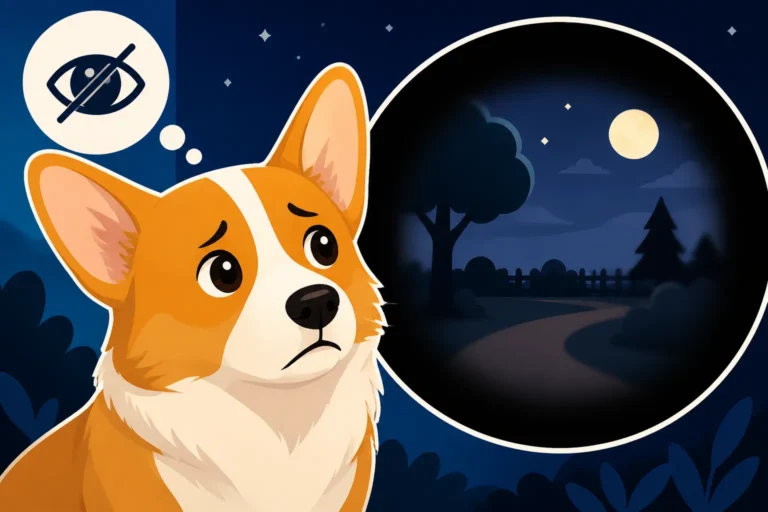
There's nothing quite like the heart-sink moment when you see your beloved Corgi, a dog usually so nimble and sure-footed despite their low rider stature, suddenly stumble or bump into a familiar piece of furniture as the light starts to fade. It's unsettling, and it immediately makes you wonder if their eyesight is going, or if something more serious is at play. As our furry family members age, these changes can be particularly distressing, but understanding what might be happening and how to help them is the first step. This guide will explore why your Corgi might be struggling with low light, delve into common health issues, and offer practical advice to keep them safe and comfortable.
Understanding Canine Vision in Low Light
When your Corgi bumps into something at dusk, it’s natural to immediately think their vision is failing. While that can certainly be a factor, it’s also important to understand how dog eyes are inherently different from our own, and how these differences play a role in their ability to navigate dimmer environments.
How Dog Eyes Differ from Ours
Dogs, including our charming Corgis, have evolved to see exceptionally well in low-light conditions, far better than humans do. This advantage comes down to a few key biological differences. Their retinas contain a much higher proportion of rods, which are cells responsible for detecting light and motion, especially in dim settings. Humans, on the other hand, have more cones, which give us superior color perception and sharpness in bright light. This means your Corgi might not see the world in as vivid or detailed a palette as you do, but they’re much more adept at navigating a dimly lit room or a twilight walk.
Another crucial component is the tapetum lucidum, a reflective layer behind the retina. This acts like a mirror, bouncing light back through the retina a second time, essentially maximizing the light available for vision. It’s what gives dogs that characteristic "eye shine" when light hits them just right in the dark. This incredible adaptation helps them make the most of every last photon of light, which was invaluable for their ancestors hunting at dawn or dusk. However, this doesn't mean their night vision is flawless or impervious to decline. It simply means that their baseline for seeing in low light is higher than ours, so any decline in that ability can still be very noticeable to them, and by extension, to us.
The Gradual Loss of Night Vision
Just like humans, dogs experience changes as they age, and their vision is no exception. It's not uncommon for an older Corgi to start showing signs of what appears to be Night Blindness in a Corgi. This gradual reduction in their ability to see in low light can often be the first noticeable symptom of various underlying issues. It might start subtly, with a slight hesitation before going down steps in a shadowed area, or a little more bumping into the corners of furniture they’ve navigated a thousand times before. You might notice them relying more on their other senses – sniffing around more deliberately, or listening intently to your voice for guidance.
This decline can be frustrating for them, and heartbreaking for us to witness. Imagine having perfect recall of your home's layout, only for it to become a minefield in the evenings. Their once-confident stride might turn into a tentative shuffle. This isn't necessarily a sudden event; it often progresses over months or even years. Keeping a close eye on these subtle shifts is crucial, as early detection can sometimes lead to better management or treatment options, and certainly helps in adapting their living environment to ensure their safety and comfort.
Common Health Issues Affecting Corgi Night Vision
When your Corgi starts bumping into things, especially as the sun sets, it’s a clear signal that something is amiss with their vision. Several health conditions can manifest this way, and it’s important to understand them, as some are progressive and others require immediate attention.
Progressive Retinal Atrophy PRA
One of the most common and concerning causes of night blindness in Corgis is Progressive Retinal Atrophy (PRA). This is a group of inherited degenerative diseases that affect the photoreceptor cells in the retina (the rods and cones). Essentially, these crucial cells, which convert light into electrical signals for the brain, gradually break down. Often, the rod cells, responsible for low-light vision, are affected first. This is why How Fast a Corgi Loses Sight to PRA can vary, but typically, night blindness is the initial symptom you’ll observe.
As the disease progresses, day vision will also deteriorate, eventually leading to complete blindness. What makes PRA particularly tricky is that there’s no cure, but breeders can and should screen for it. If you're considering a Corgi puppy, asking about The Corgi PRA Gene Test for the parents is vital. For an existing Corgi, a veterinary ophthalmologist can diagnose PRA through a thorough eye exam and, in some cases, an electroretinogram (ERG), which measures the electrical activity of the retinal cells. Understanding this condition allows owners to prepare and make necessary adjustments to their Corgi's environment well in advance.
Cataracts and Lens Problems
While PRA attacks the retina, cataracts affect the lens of the eye. A cataract is an opacity or clouding of the normally clear lens, which sits behind the iris and pupil. When the lens becomes cloudy, light cannot pass through it properly, leading to blurred vision, and eventually, if severe enough, blindness. Think of trying to look through a dirty window – that's a bit like what a Corgi with cataracts experiences.
Cataracts can develop for several reasons. Age is a significant factor, with many older Corgis developing age-related cataracts, much like older people do. However, cataracts can also be inherited (juvenile cataracts), develop secondary to other diseases like diabetes, or result from trauma. The impact on vision can vary widely depending on the size and density of the cataract. A small, peripheral cataract might cause minimal disruption, but a large, dense one can severely impair vision, making low-light navigation extremely difficult. This is why you might notice your Corgi bumping into things in the evening more, as the reduced light makes it harder for what little light can pass through the cloudy lens to form a clear image. Cataracts and Lens Problems in a Corgi are manageable, and sometimes treatable with surgery, depending on their severity and cause.
Glaucoma and Other Eye Conditions
Beyond PRA and cataracts, other eye conditions can also lead to vision impairment, sometimes quite rapidly. Glaucoma is a serious and often painful condition characterized by increased pressure within the eye. This elevated pressure damages the optic nerve, which transmits visual information from the eye to the brain, leading to irreversible vision loss. Glaucoma can be primary (inherited) or secondary (caused by another eye disease or injury). It's an emergency situation; if you notice your Corgi's eye appears cloudy, enlarged, or painful, and they are suddenly bumping into everything, seek veterinary attention immediately. The rapid onset of vision loss from glaucoma means time is of the essence to try and preserve any remaining sight and alleviate pain.
Another condition, though less common but worth noting, is Retinal Dysplasia in a Corgi. This is a developmental abnormality of the retina, often present from birth, where the retinal layers fold or separate. While it can range from mild (with little impact on vision) to severe (causing significant vision impairment or blindness), it’s usually not progressive in the same way PRA is.
Neurological Factors
Sometimes, the bumping and disorientation aren't purely an eye problem. Neurological issues can mimic vision loss, or compound it. Conditions affecting the brain or the nerves that transmit visual or proprioceptive (awareness of body position) information can cause a Corgi to seem disoriented, stumble, or bump into objects. For instance, a small stroke, a brain tumor, or even inner ear problems can disrupt their balance and coordination, making them appear to have trouble seeing, especially in dim light where visual cues are already reduced.
Even conditions primarily affecting the spinal cord, such as Degenerative Myelopathy and the Corgi, which is unfortunately common in the breed, can sometimes be mistaken for vision issues in their early stages. A Corgi with DM might begin to scuff their back feet or struggle with coordination, particularly their hindquarters. This can lead to stumbling or misjudging distances, making it look like they can't see properly when in fact, their proprioception or muscle control is compromised. A comprehensive veterinary exam will help differentiate between pure ocular problems and those with a neurological component.
What to Do When Your Corgi Starts Bumping
It's a distressing situation when you observe your Corgi, who has always navigated your home with such confidence, begin to bump into objects, especially as the evening light fades. The immediate urge is to help, but knowing the right steps to take is crucial.
Veterinary Consultation and Diagnosis
The absolute first thing you need to do is schedule a thorough veterinary examination. Don't try to self-diagnose or wait it out. Vision problems can escalate quickly, and some underlying conditions, like acute glaucoma, are medical emergencies where every hour counts. When you visit your vet, be prepared to describe exactly what you've observed: when the bumping occurs (only at dusk? all the time?), if it seems to affect one eye or both, if there's any discharge, redness, or cloudiness in the eyes, and any other changes in behavior or activity levels.
Your primary veterinarian will perform a general physical exam and a basic eye assessment. They might check your Corgi's menace response (blinking when an object rapidly approaches the eye), pupillary light reflexes, and overall eye structure. Depending on their findings, they may recommend a referral to a veterinary ophthalmologist. These specialists have advanced equipment and expertise to conduct a more in-depth examination, which can include a slit lamp exam (to look for Cataracts and Lens Problems in a Corgi), tonometry (to measure eye pressure for glaucoma), and potentially an electroretinogram (ERG) to diagnose conditions like PRA. The initial diagnosis can involve various tests, from simple eye exams to more complex electroretinography, and having pet insurance from providers like Healthy Paws can certainly help ease the financial stress of these necessary procedures.
Environmental Adjustments for Safety
Once you have a diagnosis and understand the extent of your Corgi's vision impairment, the next step is to make your home a safe and navigable haven for them. Even if their vision loss is progressive, starting these adjustments early can make a huge difference in their confidence and quality of life.
- Maintain Consistency: This is perhaps the most important tip. Avoid moving furniture around frequently. Your Corgi will memorize the layout of your home, and consistent placement allows them to navigate by memory. If you must move something, guide them around the new obstacle several times.
- Clear Pathways: Keep floors clear of clutter. Toys, shoes, and bags become tripping hazards. Make sure their main routes – to their food bowl, water dish, and potty area – are always unobstructed.
- Lighting: Increase ambient lighting in your home, especially during dusk hours. Nightlights can be strategically placed in hallways, near stairs, and in rooms they frequent. Consider motion-activated lights for outdoor areas if they use a yard.
- Ramps and Steps: Corgis are already prone to back issues due to their long bodies and short legs. Jumping on and off furniture or climbing stairs can be risky. If their vision is compromised, the risk of misjudging a jump or step increases significantly. Introduce ramps for sofas and beds, and block off stair access if necessary.
- Texture Changes: Use different textures on the floor to signal transitions. A small rug at the top or bottom of a few steps, or a textured mat near a doorway, can serve as a tactile warning.
- Scent Markers: Dogs rely heavily on their sense of smell. You can dab a unique essential oil (vet-approved and dog-safe, diluted) or a specific scent on fixed objects, like door frames or furniture legs, to help them orient themselves.
Making these thoughtful adjustments transforms your home from a confusing maze into a predictable, secure environment where your Corgi can move freely and safely. Guiding a Corgi That Has Lost Its Sight is a journey that requires patience and creativity, but it's incredibly rewarding.
Living with a Visually Impaired Corgi
A diagnosis of vision loss, whether partial or complete, doesn't mean the end of a happy, fulfilling life for your Corgi. It simply means a new chapter of adaptation for both of you.
- Establish a Routine: Dogs thrive on routine, and for a visually impaired Corgi, it's even more critical. Consistent feeding times, potty breaks, and walk schedules provide predictability and reduce anxiety.
- Verbal Cues: Start using clear verbal cues for everything. "Step up," "step down," "stop," "left," "right" can be invaluable indoors and out. Always speak to them before approaching or touching them to avoid startling them.
- Enrichment: Don't underestimate their other senses. Scent work, puzzle toys with strong-smelling treats, and auditory toys can provide excellent mental stimulation. Long walks where they can sniff and explore new scents are also highly enriching.
- Safety Outside: Keep your Corgi on a leash in unfamiliar outdoor environments. A long lead can give them some freedom to explore safely. Always be their eyes, warning them of obstacles, other dogs, or people.
- Socialization: Continue to socialize your Corgi, but do so carefully. Let other dog owners know your Corgi is visually impaired so they can approach gently. Inform children to move slowly and speak softly.
- Emotional Support: Visually impaired dogs can sometimes become more clingy or anxious. Offer extra cuddles and reassurance. Your calm demeanor will help them feel secure. For long-term management, especially if your Corgi is diagnosed with a progressive condition, the costs can add up. This is where Whether a Corgi Qualifies for a Multi-Pet Discount might come into play if you have multiple pets, or simply a robust policy from a company like Healthy Paws, which helps cover ongoing treatments and specialist visits.
Proactive Measures and Long-Term Care
Understanding the potential issues and knowing how to react is vital, but a proactive approach throughout your Corgi's life can make a significant difference in preventing or managing vision problems.
Regular Eye Exams and Breed-Specific Screenings
Preventative care is always the best approach. Ensuring your Corgi receives regular veterinary check-ups, which include basic eye examinations, is fundamental. For puppies, The Vet Visits a Corgi Puppy Needs First lay the groundwork for a lifetime of health. As your Corgi ages, these annual exams become even more critical, allowing your vet to detect subtle changes that might indicate the onset of vision-impairing conditions.
For a breed like the Corgi, which can be predisposed to certain inherited eye conditions like PRA, breed-specific screenings are paramount. Reputable breeders should have their breeding stock undergo regular eye certifications by a veterinary ophthalmologist, often through programs like those offered by the Orthopedic Foundation for Animals (OFA) or the Canine Eye Registration Foundation (CERF). These certifications help ensure that dogs with genetic eye diseases are not bred, reducing the incidence of these conditions in future generations. This is why asking Whether a Corgi Eyes Are Checked Before Breeding is so important when acquiring a puppy.
Furthermore, genetic testing, such as The Corgi PRA Gene Test, is available for several forms of PRA. This test can identify if your Corgi carries the gene for these conditions, even if they aren't showing symptoms. Knowing their genetic status can help you and your vet plan for potential future vision changes. While it can be a difficult reality to face, early knowledge allows for timely adjustments and emotional preparation.
Supporting Your Corgi's Overall Well-being
Maintaining your Corgi's general health contributes significantly to their ocular health and overall quality of life, especially as they enter their senior years.
- Nutrition and Weight Management: A balanced diet and maintaining a healthy weight are crucial. Obesity puts a strain on all bodily systems and can exacerbate underlying health issues, including those that might indirectly affect vision or mobility, leading to more bumping.
- Management of Chronic Conditions: If your Corgi has other chronic conditions, such as diabetes, ensuring these are well-managed is critical. Diabetes is a known cause of cataracts in dogs, so strict control of blood sugar levels can help prevent or slow their progression.
- Mental and Physical Stimulation: Continue to provide appropriate mental and physical exercise. Even with reduced vision, activities like scent work, puzzle toys, and familiar, safe walks keep their minds sharp and bodies engaged.
- Regular Blood Panels: As Corgis get older, regular Blood Panels for a Corgi Over Ten can help detect systemic diseases that might impact eye health or overall neurological function. Catching issues like thyroid imbalances or kidney problems early can prevent secondary complications. Even if your Corgi is already showing signs, it's worth exploring insurance options for future unrelated issues, though pre-existing conditions won't be covered. A good conversation with a Healthy Paws representative can help you understand what might be available for your specific situation.
Living with a Corgi who is losing their sight, particularly at dusk, can be challenging, but with understanding, proactive care, and thoughtful adjustments, you can help them continue to live a happy and fulfilling life, full of love and comfort.
Common Corgi Eye Conditions Affecting Low-Light Vision
| Condition | Description | Typical Onset Age | Impact on Low-Light Vision | Treatment Options |
|---|---|---|---|---|
| Progressive Retinal Atrophy | Degeneration of retinal photoreceptor cells (rods and cones). | Variable, often 3-9 years | Significantly reduced, often initial symptom, progresses to total blindness. | No cure; genetic testing for prevention. |
| Cataracts | Clouding of the eye's lens, obstructing light passage. | Variable, often >6 years | Blurry vision, especially in dim light; can lead to total blindness. | Surgery (phacoemulsification) to remove the cataract. |
| Glaucoma | Increased pressure within the eye, damaging the optic nerve. | Any age, often middle-aged | Rapid, painful vision loss; emergency. | Medications, surgery to reduce eye pressure. |
| Retinal Dysplasia | Abnormal development of the retina. | Congenital (birth) | Variable, from minimal to severe impairment, usually non-progressive. | No specific treatment; manage according to severity. |
Disclaimer
This article provides general information and is not a substitute for professional veterinary advice. If you have concerns about your Corgi's health, please consult with a qualified veterinarian.