Medications That Worsen Corgi Bleeding
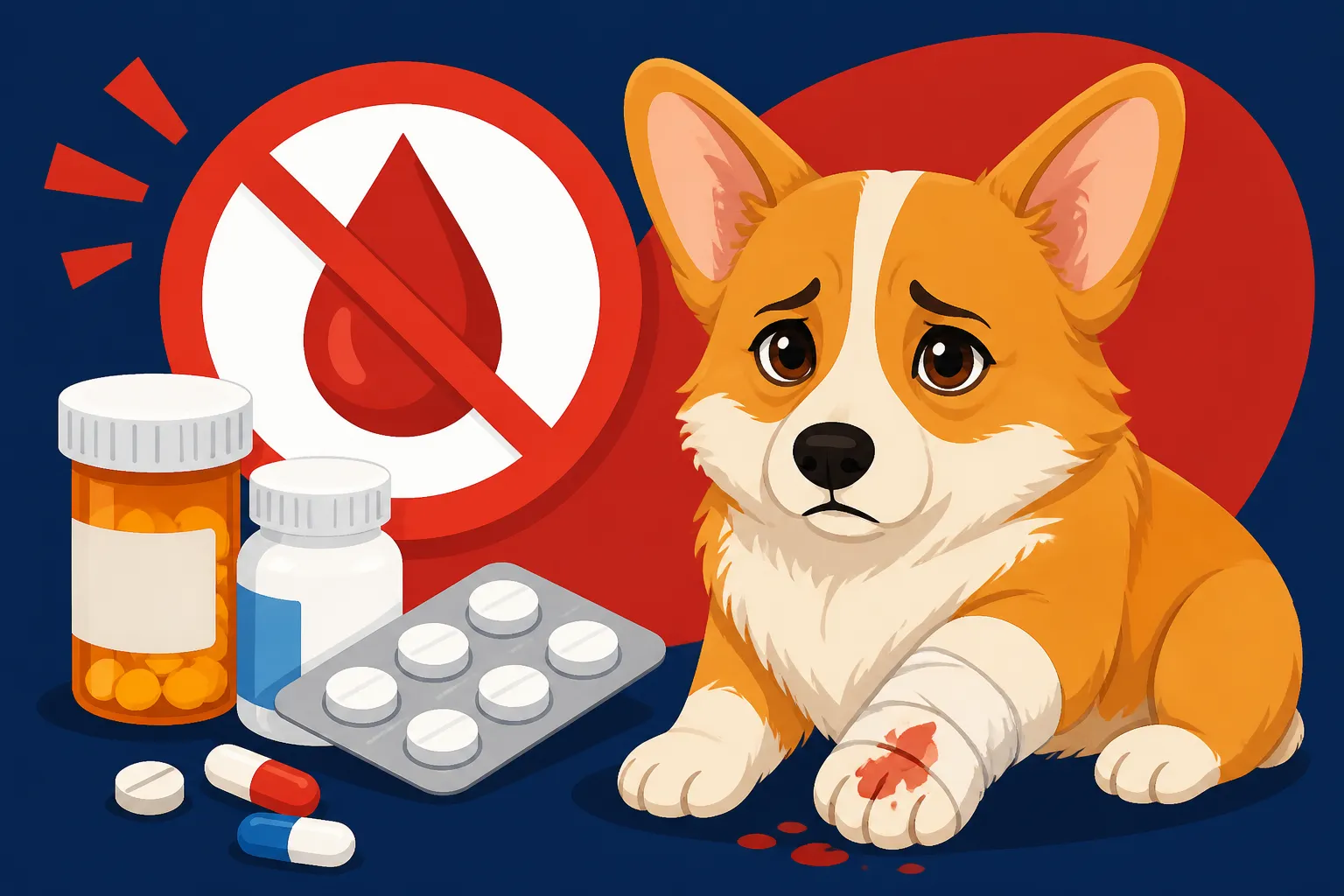
It’s a truly frightening moment when you notice your beloved Corgi bleeding more than you’d expect, whether it’s a minor cut that won’t clot or something more alarming like a nosebleed or blood in their stool. Many Corgi parents don't realize that certain common medications, and even some supplements, can exacerbate or even cause bleeding issues in our little low-riders, especially if they have an underlying genetic predisposition. This comprehensive guide aims to shed light on which medications pose a risk, why they do, and what you can do to keep your furry family member safe and sound.
Understanding Your Corgi's Unique Bleeding Risks
Before diving into specific medications, it's crucial to understand why Corgis, particularly Pembroke Welsh Corgis, can sometimes be more susceptible to bleeding problems than other breeds. This isn't just about general pet health; it's about breed-specific nuances that every Corgi owner should be aware of.
The Genetic Predisposition to Bleeding in Corgis
One of the most significant factors contributing to bleeding risks in Corgis is a genetic condition known as Von Willebrand Disease (vWD) Type I. This inherited bleeding disorder affects a Corgi's ability to form proper blood clots. It’s not quite hemophilia, but it’s a deficiency or abnormality of Von Willebrand factor, a protein necessary for platelets to stick together and for the coagulation cascade to work effectively. While Pembroke Welsh Corgis are predominantly affected, it’s always wise to be informed about this risk.
Many Corgis can carry the gene for vWD without ever showing significant clinical signs of bleeding. It's a bit like a silent partner in their genetic makeup, only becoming a problem under specific circumstances, such as surgery, injury, or when certain medications are introduced. This is precisely why reputable breeders should conduct genetic testing, and why you, as an owner, should know your Corgi's vWD status, especially if you ever need to consider a procedure like Docking and Spaying a Corgi That Bleeds. Knowing if your Corgi is a carrier or affected can dramatically change how your vet approaches medical treatment.
It’s often surprising to learn How Many Corgis Carry Von Willebrand. This prevalence underscores the importance of discussing your Corgi's potential for bleeding issues with your veterinarian. A simple genetic test can provide invaluable information, giving you and your vet a clearer picture of their inherent risks. Without this knowledge, even seemingly routine treatments could inadvertently lead to complications.
Other Factors Influencing Bleeding Tendencies
Beyond genetics, several other health conditions can make your Corgi more prone to bleeding. Liver disease, for instance, can impair the liver's ability to produce clotting factors, which are essential proteins for blood coagulation. If your Corgi has a chronic liver condition, their clotting ability might already be compromised, making them more vulnerable to the effects of certain medications.
Kidney disease can also play a role, as severe renal dysfunction can lead to toxins accumulating in the blood that interfere with platelet function. Similarly, low platelet counts, medically known as thrombocytopenia, or even platelets that don't function correctly (platelet dysfunction), can be caused by various underlying conditions like immune-mediated diseases, infections, or certain cancers. Recognizing Bleeding Signs in a Corgi and promptly seeking veterinary attention is crucial, as these signs could point to a more serious underlying health issue beyond just a medication reaction.
Even external factors like significant trauma, certain types of infections, or severe dental disease can contribute to increased bleeding risk. For example, severe gum inflammation and infection can lead to chronic, low-grade bleeding from the mouth, which could worsen significantly with the wrong medication. Therefore, a holistic view of your Corgi's health, not just focusing on a single issue, is essential when assessing their bleeding risk.
Common Medications That Can Worsen Corgi Bleeding
Now that we understand the inherent risks some Corgis face, let's explore the medications that can specifically interfere with their delicate clotting mechanisms. It’s not about avoiding these medications entirely, but about being informed and ensuring your vet knows your Corgi’s full medical history.
Non-Steroidal Anti-Inflammatory Drugs (NSAIDs)
NSAIDs are a godsend for managing pain and inflammation in dogs, especially for conditions common in Corgis like arthritis or disc issues. Medications such as carprofen (often known by the brand name Rimadyl), meloxicam (Metacam), firocoxib (Previcox), and deracoxib (Deramaxx) are frequently prescribed. They work by inhibiting enzymes that produce prostaglandins, which are compounds involved in pain and inflammation. However, some of these prostaglandins also play a crucial role in normal platelet function and stomach lining protection.
This is where the risk comes in. NSAIDs can inhibit platelet aggregation, meaning they prevent platelets from sticking together to form a clot. In a Corgi already predisposed to bleeding, or even a healthy one, this can lead to serious complications. We're talking about things like gastrointestinal bleeding, which can manifest as black, tarry stools due to digested blood, or even active vomiting of blood. Other signs might include nosebleeds, easy bruising, or prolonged bleeding from what would normally be a minor cut or scrape, like A Corgi Cut That Will Not Stop Seeping.
It cannot be stressed enough: never give your Corgi human NSAIDs like ibuprofen (Advil, Motrin) or naproxen (Aleve), and always adhere strictly to your veterinarian's prescribed dosage and frequency. These human formulations are often toxic to dogs and can cause severe kidney damage, liver failure, and life-threatening gastrointestinal ulcers and bleeding. If your Corgi is on NSAIDs, your vet might recommend Clotting Tests Before a Corgi Goes Under for any planned procedure, or even just as a baseline, especially if there's any concern about an underlying bleeding disorder or if other medications like Steroids and Anti-Inflammatories in a Corgi Flare are being considered concurrently. Regular check-ups are vital to monitor for any adverse reactions.
Aspirin and Other Anti-Platelet Agents
Aspirin is another medication that, while sometimes used in veterinary medicine at very low, specific doses, carries a significant risk for Corgis with bleeding tendencies. Unlike other NSAIDs, aspirin has a more potent and irreversible effect on platelets, inhibiting their function for their entire lifespan (about 7-10 days). This means even a single dose can impair clotting for an extended period.
For this reason, aspirin is generally avoided for routine pain relief in Corgis, especially when safer veterinary-specific NSAIDs are available. When it is prescribed, it’s usually at an extremely low dose (often referred to as "baby aspirin") and for very specific conditions, such as preventing blood clots in Corgis with certain heart conditions or those at risk of thromboembolism. However, even these low doses can still irritate the stomach lining, increasing the risk of gastric ulcers and subsequent bleeding.
It's critical not to self-medicate your Corgi with aspirin. The dosage for dogs is vastly different from humans, and incorrect dosing can lead to severe gastrointestinal bleeding, kidney damage, or even a salicylate overdose. If your vet does prescribe aspirin, ensure you understand the exact dosage, frequency, and potential side effects to watch out for.
Blood Thinners and Anticoagulants
True blood thinners or anticoagulants, like warfarin or heparin, are not commonly prescribed for dogs in the same way they are for humans. When they are used, it's typically in highly specialized veterinary settings and for specific, severe conditions where preventing clot formation is paramount, such as certain types of severe heart disease or after a major surgical event where clotting is a concern.
These medications work by directly interfering with the body's coagulation cascade, making it much harder for blood to clot. The risk of hemorrhage is extremely high, and strict monitoring of clotting times (e.g., PT/aPTT tests) is required. If a Corgi with an underlying bleeding disorder like vWD were to be inadvertently exposed to such a potent anticoagulant, the risk of life-threatening bleeding would be immediate and severe.
A more common scenario where Corgis might encounter anticoagulants is through accidental ingestion of rodenticides, or rat poisons. Many common rat poisons contain anticoagulant compounds that prevent vitamin K from being recycled in the body, which is essential for producing clotting factors. If ingested, even a small amount can cause severe internal bleeding, potentially hours or days after exposure, and can be fatal without prompt veterinary intervention. This is a veterinary emergency, and having pet insurance like Healthy Paws can truly alleviate the financial stress during such a critical time. Always keep these substances far out of paw’s reach.
Other Medications and Supplements to Be Wary Of
While NSAIDs and true anticoagulants are the primary culprits for worsening bleeding, other substances can also pose a risk, especially in Corgis with a predisposition to bleeding. It’s always best to be overly cautious and consult your vet about everything your Corgi ingests.
Certain Antibiotics and Antifungals
Most antibiotics and antifungals are generally safe and don't directly cause bleeding issues. However, there are exceptions. Some types of antibiotics, particularly certain sulfa drugs like trimethoprim-sulfamethoxazole (often used for urinary tract infections), can, in rare cases, lead to blood dyscrasias. This means they can interfere with the production or function of blood cells, including platelets, potentially leading to thrombocytopenia (low platelet count). If platelet counts drop too low, spontaneous bleeding can occur.
Similarly, some antifungal medications, especially those metabolized by the liver, can potentially interfere with liver enzyme activity. Since the liver is responsible for producing many essential clotting factors, any medication that impairs liver function could indirectly affect a Corgi's ability to clot blood effectively. These occurrences are rare, but they highlight why a full pre-anesthetic testing panel, including a complete blood count and chemistry, is important, particularly for procedures like Pre-Anesthetic Testing on a Corgi That Bleeds. Always ensure your veterinarian is aware of any other medications or supplements your Corgi is currently taking.
Steroids (Corticosteroids)
Corticosteroids, such as prednisone or dexamethasone, are powerful anti-inflammatory and immunosuppressive drugs used for a wide range of conditions, from allergies and skin issues to autoimmune diseases and even certain cancers. In some cases, steroids are actually prescribed to treat certain bleeding disorders, particularly immune-mediated thrombocytopenia, where the body's immune system attacks its own platelets. In these situations, steroids can suppress the immune response, allowing platelet counts to rise.
However, chronic or high-dose steroid use comes with its own set of risks, including a potential for gastrointestinal ulceration and bleeding. This risk is significantly amplified if steroids are given concurrently with NSAIDs, creating a dangerous combination that can severely damage the stomach lining. Your veterinarian will always weigh the benefits against the risks when prescribing steroids, especially in Corgis, and will often prescribe gastroprotectants to mitigate the risk of stomach upset and bleeding. This delicate balance is why close veterinary supervision is paramount.
Herbal Supplements and Nutraceuticals
The world of herbal supplements and nutraceuticals for pets is vast, and while many are beneficial, some can have unintended consequences, especially regarding blood clotting. For example, omega-3 fatty acids (commonly found in fish oil supplements), while generally excellent for skin, coat, and joint health, can, at very high doses, have a mild anti-platelet effect. For most Corgis, this isn't an issue, but if a Corgi already has a bleeding disorder or is undergoing surgery, even this mild effect could be problematic.
More concerning are certain herbs known to interfere with clotting in humans, which could logically do the same in dogs. Garlic, for instance, contains compounds that can have anti-platelet effects and should be avoided entirely in Corgis due to its toxicity in larger amounts (it's part of the Allium family, toxic to dogs). Other herbs like ginkgo biloba, feverfew, or even high doses of vitamin E can also have mild blood-thinning properties. It's vital to remember that "natural" doesn't always mean "safe," particularly when it comes to medications and bleeding.
| Medication/Supplement Category | Examples | Primary Mechanism of Bleeding Risk | Key Considerations for Corgis |
|---|---|---|---|
| NSAIDs | Carprofen, Meloxicam, Firocoxib | Inhibit platelet function, GI ulceration | Breed predisposition to vWD; strict dosage |
| Aspirin | Low-dose Aspirin | Irreversible platelet inhibition, GI ulceration | Generally avoided; specific, low-dose use only |
| Anticoagulants | Warfarin, Heparin (or rodenticides) | Direct interference with clotting factors | Rare use; accidental ingestion is a severe emergency |
| Certain Antibiotics | Trimethoprim-sulfamethoxazole | Blood dyscrasias, low platelet counts (rare) | Monitor complete blood count if prescribed |
| Corticosteroids | Prednisone, Dexamethasone | GI ulceration (especially with NSAIDs) | Benefits often outweigh risks; use gastroprotectants |
| Herbal Supplements | Garlic, Ginkgo Biloba, high-dose Omega-3/Vit E | Anti-platelet effects | Discuss all supplements with your vet first |
Recognizing Bleeding Signs and Taking Action
Knowing which medications can worsen bleeding is only part of the equation. Equally important is being able to recognize the signs of a bleeding issue in your Corgi and knowing when to act. Early detection can make a significant difference in outcome.
Subtle and Obvious Signs of Bleeding
Bleeding in Corgis can manifest in various ways, from very subtle signs to overt, alarming hemorrhages. Always be on the lookout for anything out of the ordinary. Obvious signs include nosebleeds (epistaxis), blood in the urine (hematuria), or blood in the stool. Blood in the stool might appear as bright red streaks if it’s from the lower digestive tract, or as dark, tarry, foul-smelling stools (melena) if it’s digested blood from higher up, often indicative of gastrointestinal bleeding. Blood From a Corgi's Nose or Gums can be particularly unsettling and should always warrant a call to your vet.
More subtle signs can include unusual bruising (ecchymoses) or small pinpoint red spots (petechiae) on the gums or hairless areas of the belly, which can indicate low platelet counts or clotting factor deficiencies. Your Corgi might also appear lethargic, weak, or have pale gums if they are losing blood internally. Prolonged bleeding from minor cuts or injections, or swelling around a recent surgical site, are also red flags. If you notice any of these signs, especially if your Corgi is on medication, it's time to contact your vet.
When to Seek Emergency Veterinary Care
While any noticeable bleeding should prompt a call to your veterinarian, certain situations demand immediate emergency care. If your Corgi is experiencing severe or uncontrolled bleeding, such as heavy nosebleeds that won't stop, profuse bleeding from a wound, or passing large amounts of bloody stool or vomit, do not delay. Sudden weakness, collapse, difficulty breathing, or a distended abdomen (which could indicate internal bleeding) are also critical emergency signs that require an immediate trip to the nearest emergency veterinary clinic.
When you arrive at the vet, be prepared to provide a complete and accurate medication history, including all prescription drugs, over-the-counter medications, and any supplements or herbal remedies your Corgi is receiving. This information is paramount for the veterinary team to quickly assess the situation and determine the best course of action. Being prepared for such emergencies, both with knowledge and potentially with pet insurance like Healthy Paws, can make a world of difference during a stressful time. Having a plan for these unexpected moments is just another part of being a responsible Corgi parent.
Disclaimer
This guide is intended for informational purposes only and does not constitute veterinary medical advice. Always consult with a qualified veterinarian for any health concerns or before making any decisions about your Corgi's medical care, diet, or treatment.