Clotting Tests Before a Corgi Goes Under
The thought of your beloved Corgi undergoing anesthesia for any procedure, big or small, can be incredibly nerve-wracking. One of the biggest fears for any Corgi parent is the risk of complications, especially excessive bleeding. This comprehensive guide will walk you through why clotting tests are absolutely essential before your Corgi goes under, what these tests look for, and how understanding the results can help ensure their safety and your peace of mind.
The Critical Importance of Clotting Tests for Corgis Before Anesthesia
Bringing your Corgi in for any procedure that requires anesthesia, whether it's a routine dental cleaning, an MRI for back pain, or more invasive surgery, is always a moment filled with a mix of hope and apprehension. You want the best for your furry family member, but the risks, however small, can weigh heavily on your mind. Among the many potential complications, bleeding is a concern that often looms large, especially for breeds known to have certain predispositions.
Why Corgis Have Specific Bleeding Risks
While anesthesia carries general risks for all dogs, Corgis, particularly the Pembroke Welsh Corgi, come with their own unique set of considerations. They are known to have a higher incidence of certain inherited conditions, and among these, bleeding disorders are a significant worry. It’s not about them being inherently fragile, but rather about a genetic blueprint that can sometimes throw a curveball into what should be a straightforward recovery. This breed-specific susceptibility means that pre-operative screening isn't just a good idea; it's an absolute necessity to ensure their safety and your peace of mind.
This genetic predisposition means that even a minor surgical incision or a dental extraction could potentially lead to excessive bleeding if underlying clotting issues aren't identified and managed. Imagine your vet performing a routine procedure, only to discover an unforeseen complication mid-operation. That's a scenario no one wants, and comprehensive pre-anesthetic testing is our best line of defense against it. Understanding these risks upfront allows your veterinary team to tailor the best and safest plan for your Corgi, accounting for their individual health profile.
The Dangers of Uncontrolled Bleeding During Procedures
When a Corgi, or any dog, undergoes anesthesia for a procedure, precise control of bleeding is paramount. If a dog has an undiagnosed clotting disorder, even a small incision can become a serious problem. The blood might not clot effectively, leading to prolonged bleeding that is difficult to stop. This isn't just about a little extra mess; it can result in significant blood loss, requiring transfusions and prolonging recovery.
Beyond the visible bleeding, there's also the risk of internal hemorrhage, where blood collects within the body, potentially forming hematomas or putting pressure on vital organs. This can be difficult to detect during surgery and can lead to serious post-operative complications, intense pain, and even life-threatening situations. Such incidents can dramatically impact the success of the procedure itself and significantly delay your Corgi's return to their normal, happy self.
Ultimately, the goal of any surgical or diagnostic procedure under anesthesia is to improve your Corgi's health or provide a crucial diagnosis. Uncontrolled bleeding undermines this goal, turning a beneficial intervention into a stressful and potentially dangerous ordeal. By addressing potential clotting issues beforehand, we drastically reduce these risks, ensuring that your Corgi has the safest possible experience and the best chance at a smooth, speedy recovery.
Understanding Von Willebrand Disease in Corgis
Among the inherited conditions that give Corgi parents pause, Von Willebrand Disease (vWD) often stands out. It's one of the most common hereditary bleeding disorders found in dogs, and it’s particularly relevant for our beloved Corgis, especially the Pembroke Welsh variety. Knowing about it is the first step in being prepared.
What is Von Willebrand Disease and How It Affects Corgis
Von Willebrand Disease is an inherited bleeding disorder caused by a deficiency in Von Willebrand factor (vWF), a protein crucial for normal blood clotting. This factor acts like a glue, helping platelets stick together and to the walls of damaged blood vessels, forming the initial plug that stops bleeding. Without enough functional vWF, this vital step in primary hemostasis is compromised, leading to prolonged bleeding. While there are different types of vWD, Type I is the most common form seen in Pembroke Welsh Corgis. This type usually results in a mild to moderate deficiency of vWF, meaning affected dogs still produce some factor, but not enough for optimal clotting. Even a mild deficiency can pose a significant risk during surgery or trauma. You can delve deeper into this specific Corgi concern by understanding more about The Bleeding Disorder Pembrokes Carry.
The insidious thing about vWD is that many Corgis who carry or are affected by it might not show obvious signs of a bleeding problem in their daily lives. A cut or scrape might take a bit longer to stop bleeding, or they might occasionally have a nosebleed, but these minor issues can be easily missed or dismissed. It’s often when they undergo a surgical procedure, like a spay, neuter, or even a routine dental cleaning, that the deficiency becomes painfully apparent, potentially leading to excessive or persistent bleeding. This makes pre-anesthetic screening absolutely vital for any Corgi going under the knife.
Therefore, for Corgi parents, being aware of vWD isn't just academic; it's practical. It empowers you to have informed conversations with your veterinarian and ensures that appropriate precautions are taken. A proper diagnosis before a procedure can literally be a lifesaver, allowing vets to implement strategies to bolster your Corgi’s clotting ability before they even set foot in the operating room.
Identifying At-Risk Corgis Through Genetic Testing
The most definitive way to identify if your Corgi is at risk for Von Willebrand Disease, particularly Type I, is through genetic testing. This isn't just for breeding animals anymore; it's a valuable tool for pet parents too. A simple DNA test, often done via a buccal (cheek) swab or a blood sample, can tell you if your Corgi is "clear" (no mutation), a "carrier" (has one copy of the mutation but generally doesn't show symptoms), or "affected" (has two copies and is at risk of bleeding). This knowledge is golden, especially before any planned surgical procedure. It's a sobering thought, but understanding How Many Corgis Carry Von Willebrand underscores the importance of this testing.
The results of a vWD DNA test provide critical information that can guide your vet in planning for any procedure. For instance, if your Corgi tests as affected, your veterinary team will know immediately to implement specific preventative measures. Even a carrier status, while usually asymptomatic, should prompt extra caution and discussion with your vet, as individual responses to stress or surgery can vary. Remember, genetic testing identifies the potential for the condition; a direct vWF antigen test (which measures the amount of the factor) provides a more current physiological picture of their clotting ability.
It’s crucial to understand that simply being a "carrier" doesn't necessarily mean your Corgi will bleed uncontrollably, but it does mean they have the gene and could potentially pass it on if bred. More importantly for our discussion on anesthesia, even carriers can sometimes have lower than normal vWF levels, and therefore, still face a heightened risk during surgery. This is why it's not simply enough to know if your dog is affected, but to understand what Whether a Corgi With the Bleeding Gene Is Limited means for their surgical safety. This information allows for a truly personalized approach to your Corgi's care, turning potential surprises into manageable situations.
Managing a Corgi With Known vWD Prior to Surgery
If your Corgi is diagnosed with Von Willebrand Disease or has a strong family history, managing them before surgery requires a proactive and precise approach. The good news is that with foreknowledge, complications can often be mitigated. One common pre-operative strategy is the administration of desmopressin acetate (DDAVP). This medication helps stimulate the release of stored Von Willebrand factor from the dog's own cells, essentially boosting their natural clotting ability before the procedure even begins. It's a powerful tool that can make a significant difference in preventing excessive bleeding.
In cases of more severe vWD, or if DDAVP is not effective, fresh frozen plasma (FFP) transfusions might be considered. FFP provides the missing clotting factors, including vWF, directly into your Corgi's system, ensuring they have the necessary components for effective clot formation. This is usually administered just before or during the surgery. The decision to use these treatments is made by your veterinary team based on your Corgi's specific vWD type, severity, and the nature of the planned procedure.
While a vWD diagnosis adds a layer of complexity to pre-surgical planning, it doesn't mean your Corgi can't undergo necessary procedures safely. It simply means extra steps are needed. Proactive planning and open communication with your vet are key. This foresight can not only save your Corgi from dangerous complications but can also save you a lot of stress and expense, especially if you have a robust pet insurance plan. Providers like Healthy Paws often cover diagnostic tests and treatments for inherited conditions, making these crucial precautions more accessible.
Beyond vWD: Other Factors Influencing Corgi Clotting
While Von Willebrand Disease is a major concern for Corgi parents, it's not the only factor that can influence your dog's ability to clot normally. The body's clotting system is a complex symphony of cells and proteins, and various conditions and medications can throw it out of tune. A comprehensive pre-anesthetic workup considers all these possibilities.
Liver Function and Its Role in Coagulation
The liver, often overlooked in the context of bleeding disorders, is actually a powerhouse when it comes to blood clotting. It's responsible for producing a significant number of the clotting factors that circulate in your Corgi's blood. These proteins are like essential building blocks for forming a stable clot. Therefore, any disease or compromise to liver function can directly impair your Corgi's ability to clot effectively, increasing the risk of bleeding during or after surgery.
Because of this vital role, a general blood panel is an indispensable part of any pre-anesthetic screening. These tests include measurements of liver enzymes (like ALT and ALP) and other indicators that can reveal if the liver is struggling. If these values are elevated or abnormal, it alerts your veterinary team to a potential clotting risk, prompting further investigation or adjustment of the anesthetic protocol. For older Corgis, this kind of routine screening is even more critical; you can learn more about comprehensive checks for aging pets by reading about Blood Panels for a Corgi Over Ten.
While Corgis aren't specifically known for a higher incidence of primary liver disease compared to some other breeds, any dog can develop liver issues due to age, diet, toxins, or other underlying health problems. Identifying these before surgery is paramount. If liver function is compromised, your vet might recommend delaying the procedure until the liver can be supported or taking extra precautions to minimize bleeding risks during the operation.
Platelet Counts and Function
Beyond the complex proteins produced by the liver, platelets are the unsung heroes of immediate blood clotting. These tiny cell fragments are the first responders to any injury, rushing to the site of damaged blood vessels and forming a sticky plug to stop the blood flow. If your Corgi has too few platelets (a condition called thrombocytopenia) or if their platelets aren't functioning correctly, even with normal clotting factors, they can still experience significant bleeding issues.
There are many reasons why a Corgi might have a low platelet count or dysfunctional platelets. These can range from immune-mediated diseases where the body attacks its own platelets, to certain infections (like tick-borne diseases), some cancers, or even adverse reactions to specific medications. A routine Complete Blood Count (CBC) before surgery will always include a platelet count, providing a critical piece of the puzzle regarding your Corgi's clotting ability.
If a low platelet count is detected, your vet will investigate the underlying cause. Sometimes, a short course of medication can resolve the issue, or other interventions might be necessary. The key is identification before anesthesia, as it allows your veterinary team to prepare for and manage potential bleeding risks, ensuring your Corgi’s procedure is as safe as possible.
Medications and Their Impact on Clotting
It's astonishing how many seemingly innocuous medications can actually have a profound effect on your Corgi's blood clotting ability. Non-steroidal anti-inflammatory drugs (NSAIDs) like Rimadyl or Metacam, often prescribed for pain relief or arthritis, can interfere with platelet function. Even common household medications like aspirin, which you might administer without thinking, can have blood-thinning effects that are dangerous during surgery. Certain antibiotics and even some supplements can also influence coagulation.
This is precisely why a thorough and honest discussion with your veterinarian about all medications, supplements, and even special treats your Corgi is receiving is non-negotiable before any anesthetic procedure. Your vet needs to know everything to assess potential interactions and risks. They may instruct you to discontinue certain medications days or even weeks before the scheduled surgery to allow their effects to wear off. For a deeper understanding of how different substances can impact your Corgi's system, explore Medications That Worsen Corgi Bleeding.
Never adjust or stop your Corgi's prescribed medications without explicit veterinary guidance. Your vet will weigh the benefits of continuing a medication against the risks for surgery and advise you on the safest course of action. This careful review ensures that no unexpected medication-induced bleeding complications arise, contributing significantly to a safer anesthetic experience for your beloved Corgi.
Common Clotting Tests for Corgis
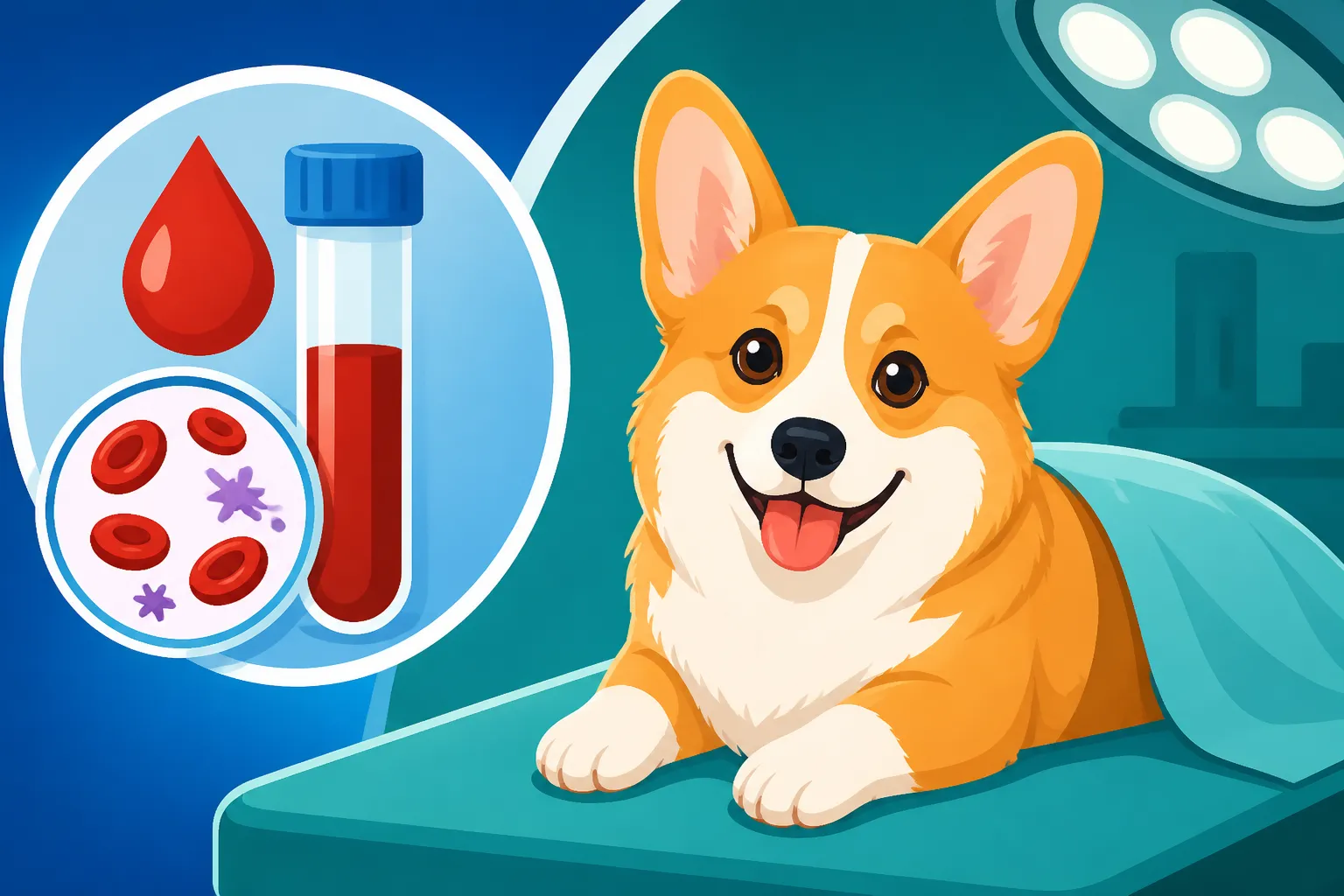
When your Corgi needs to go under anesthesia, a series of clotting tests are usually part of the pre-operative protocol. These tests are designed to assess different aspects of the complex coagulation cascade, giving your veterinary team a comprehensive picture of your dog's ability to form clots. Understanding what these tests are and what they measure can help ease your mind and empower you to ask informed questions.
The Baseline Coagulation Panel
The standard go-to tests for assessing blood clotting are the Prothrombin Time (PT) and Activated Partial Thromboplastin Time (aPTT). Think of these as two different checkpoints along the assembly line of clot formation. PT measures the efficiency of the "extrinsic" and common clotting pathways, which are critical for responding to external injuries. A prolonged PT might indicate deficiencies in specific clotting factors or liver disease. On the other hand, aPTT evaluates the "intrinsic" and common pathways, which are more involved in internal bleeding responses and often prolonged in conditions like Von Willebrand Disease.
Together, these two tests provide a broad overview of your Corgi's clotting cascade. They are typically recommended before any surgery, major dental cleaning (which can involve significant gum bleeding), or for older dogs and breeds known to have a higher risk of bleeding disorders, like our Corgis. They act as an early warning system, highlighting any general inefficiencies in the clotting process that could lead to trouble during a procedure.
If either PT or aPTT is prolonged, it signals to the veterinary team that further investigation might be needed before proceeding with anesthesia. This might involve additional specific tests or a consultation with a veterinary internal medicine specialist or neurologist. This comprehensive pre-anesthetic screening, including tests like these, is a vital part of ensuring your Corgi's safety. For more details on these vital checks, consider reading about Pre-Anesthetic Testing on a Corgi That Bleeds.
Specific Tests for Von Willebrand Factor
Given the Corgi's predisposition to Von Willebrand Disease, specific tests targeting this factor are often included. The vWF antigen test measures the quantity of Von Willebrand factor present in your Corgi's blood. A low amount indicates a deficiency, which is characteristic of vWD. This test is crucial for diagnosing the severity of the disease in affected dogs and for assessing their immediate risk before a procedure. It provides a real-time snapshot of how much of this critical clotting protein is available.
Complementing the antigen test is the genetic (DNA) test for vWD. Unlike the antigen test, which measures the protein itself, the genetic test looks for the specific gene mutation responsible for Type I vWD. This test is excellent for identifying clear, carrier, and affected statuses, particularly useful for breeders to make informed pairing decisions. For a pet Corgi, a positive DNA test indicates the potential for vWD and prompts a closer look at their clotting ability, often through the vWF antigen test.
The combination of both antigen and genetic testing offers the most complete picture. The genetic test tells us if the predisposition is there, while the antigen test quantifies the current level of risk. This layered approach ensures that if your Corgi has vWD, it's accurately identified and appropriate pre-operative measures, such as DDAVP administration or plasma transfusions, can be implemented to ensure a safe surgical experience.
Other Important Pre-Anesthetic Bloodwork
Beyond the specific clotting tests, a holistic pre-anesthetic bloodwork panel is essential to evaluate your Corgi's overall health and identify any other underlying issues that could affect their response to anesthesia or surgery. A Complete Blood Count (CBC) provides crucial information about red blood cells (checking for anemia, which could worsen bleeding complications), white blood cells (indicating infection or inflammation), and, importantly, the number of platelets, which are vital for initial clot formation.
A biochemistry panel is another cornerstone of pre-anesthetic screening. This comprehensive test assesses the function of vital organs like the liver and kidneys. Elevated liver enzymes can, as discussed, signal impaired clotting factor production, while abnormal kidney values (BUN, creatinine) indicate compromised renal function. Healthy kidney function is critical because these organs are responsible for filtering anesthetic drugs out of the body; if they're not working well, it can impact drug metabolism and recovery. You can find more information about kidney health in Corgis by looking into Corgi Kidney and Urinary Problems.
Finally, a urinalysis, while not strictly a blood test, provides additional insights into kidney health and overall systemic balance. This comprehensive approach to pre-anesthetic testing is about much more than just clotting; it’s about creating a full health profile to ensure your Corgi is as safe as possible going into their procedure. A good pet insurance plan, like those offered by Healthy Paws, can significantly help cover the costs of these extensive diagnostic tests, allowing you to make the best decisions for your Corgi without undue financial stress.
| Test Name | What it Measures | Why it's Important for Corgis | Common Interpretation |
|---|---|---|---|
| PT (Prothrombin Time) | Time for plasma to clot via extrinsic & common pathways | Screens for deficiencies in specific clotting factors (e.g., VII, X, V, II, I) | Prolonged may indicate liver disease, Vitamin K deficiency, or certain factor deficiencies |
| aPTT (Activated Partial Thromboplastin Time) | Time for plasma to clot via intrinsic & common pathways | Screens for deficiencies in other clotting factors (e.g., VIII, IX, XI, XII) | Prolonged may indicate Von Willebrand Disease, Hemophilia, or liver disease |
| vWF Antigen Test | Quantity of Von Willebrand Factor protein | Direct measure of the critical factor for vWD diagnosis/severity in Pembrokes | Low levels confirm vWF deficiency (vWD) |
| DNA Test for vWD | Presence of specific gene mutation (VWF gene) | Confirms genetic predisposition to vWD in affected or carrier Corgis | Identifies "Clear," "Carrier," or "Affected" status |
| Platelet Count (part of CBC) | Number of circulating platelets | Essential for initial clot formation and primary hemostasis | Low count (thrombocytopenia) increases bleeding risk |
| Chemistry Panel | Organ function (liver, kidney), electrolytes, glucose | Assesses overall health; liver produces clotting factors, kidneys metabolize drugs | Abnormal values indicate organ dysfunction or metabolic imbalances |
Navigating a Clotting Disorder Diagnosis Before Surgery
Receiving the news that your Corgi has a clotting disorder, or is at high risk for one, can be unsettling, especially when a necessary surgery is on the horizon. It's a moment when you might feel overwhelmed, but remember, a diagnosis is knowledge, and knowledge is power. It allows your veterinary team to take informed, proactive steps to ensure the safest possible outcome.
Interpreting Abnormal Test Results
When your Corgi's pre-anesthetic clotting tests come back with abnormal results, it's natural to feel a knot in your stomach. A prolonged PT or aPTT, for example, is a red flag indicating a potential problem with the clotting cascade itself. This could point to deficiencies in various clotting factors, which can be inherited, or it might signal an underlying issue like liver disease, as the liver produces many of these crucial proteins. It requires careful investigation to pinpoint the exact cause.
If the Von Willebrand factor (vWF) antigen test shows abnormally low levels, or if the DNA test confirms an "affected" status for vWD, it means your Corgi has a confirmed or highly probable diagnosis of Von Willebrand Disease. This information is critical because it directly dictates the specific precautions needed. It's not just about generalized caution; it’s about targeting the known deficiency with precision.
The most important step upon receiving abnormal results is to have a detailed discussion with your veterinarian. They will explain exactly what the results mean for your Corgi, what further diagnostics (if any) are recommended, and what implications it has for the planned procedure. Sometimes, a referral to a veterinary internal medicine specialist or a neurologist might be suggested, especially if the initial findings are complex or if the procedure itself is high-risk, such as for a serious condition like Spinal Surgery on a Corgi.
Pre-Operative Strategies for Affected Corgis
Once a clotting disorder, especially vWD, is identified in your Corgi, your veterinary team will implement specific pre-operative strategies to minimize bleeding risks. One of the most common approaches for Corgis with vWD is the administration of desmopressin acetate (DDAVP). This synthetic hormone helps to temporarily increase the release of stored Von Willebrand factor from the endothelial cells lining blood vessels, essentially giving your Corgi a natural boost of their own clotting factor right when they need it most. It's a carefully timed injection, typically given shortly before surgery.
For Corgis with more severe deficiencies, or in situations where DDAVP is not effective or appropriate, fresh frozen plasma (FFP) transfusions can be a lifesaver. FFP is sourced from donor dogs and contains all the necessary clotting factors, including vWF, providing an immediate and direct supply of what your Corgi is lacking. This is often administered intravenously before or during the procedure to ensure optimal hemostasis. The decision to use FFP is made based on the severity of the clotting defect and the invasiveness of the surgery.
Beyond these direct interventions, your vet will also review all of your Corgi's current medications. Any drugs known to interfere with clotting, such as NSAIDs or aspirin, will likely be discontinued for a specific period before surgery to allow their blood-thinning effects to dissipate. This careful management extends even to routine procedures like spaying or neutering, where proper pre-operative clotting assessment is crucial, as you can explore further in Docking and Spaying a Corgi That Bleeds. These tailored strategies are all designed to create the safest possible environment for your Corgi during their procedure.
Post-Operative Monitoring and Care
The care for a Corgi with a clotting disorder doesn't end when the surgery is over; meticulous post-operative monitoring is equally crucial. Your veterinary team will closely observe your Corgi for any signs of excessive bleeding, which can manifest as fresh blood seeping from incisions, unusual bruising, swelling at the surgical site, pale gums (indicating anemia from blood loss), or a slow and weak recovery. Constant vigilance allows for immediate intervention if any complications arise.
Pain management is also approached with extra caution. While pain relief is paramount for your Corgi's comfort and recovery, certain common pain medications, like NSAIDs, can further interfere with blood clotting. Your vet will select analgesic protocols that are safe for a dog with a bleeding disorder, often opting for opioid-based pain relief or local anesthetics to minimize systemic effects on coagulation.
It's important to be prepared for the possibility of a longer hospital stay for careful observation, or perhaps even specialized intensive care if the procedure was particularly complex or if initial bleeding concerns were high. While this can be an incredibly stressful and financially daunting time, your veterinary team will guide you through every step, explaining the recovery process and any specific care instructions for when your Corgi comes home. Having pet insurance, like Healthy Paws, can significantly ease the financial burden of extended monitoring, specialized medications, or potential re-interventions, allowing you to focus purely on your Corgi's recovery.
Comprehensive Pre-Anesthetic Planning for Your Corgi
While clotting tests are a cornerstone of pre-anesthetic assessment for Corgis, they are just one piece of a much larger puzzle. A truly comprehensive approach involves evaluating your dog's entire health profile, ensuring that every possible precaution is taken to make their anesthetic experience as safe and smooth as possible.
Beyond Bloodwork: A Full Physical Examination
Before any Corgi goes under anesthesia, a thorough physical examination is absolutely essential. This isn't just a quick once-over; it's a meticulous check of everything from nose to tail. Your vet will listen carefully to your Corgi’s heart and lungs to detect any murmurs, arrhythmias, or respiratory issues that could increase anesthetic risk. They’ll assess hydration, inspect their teeth and gums (dental disease can sometimes influence systemic health), palpate their abdomen for any abnormalities, and check their overall muscle condition and gait.
This hands-on assessment helps your vet identify any other existing health concerns that might impact the anesthetic protocol or the recovery process. For instance, an undiagnosed heart murmur might necessitate a different choice of anesthetic agents or additional cardiac workup before surgery. A dog with a history of back issues might need special positioning during surgery to protect their spine, which is a common concern for C breed dogs. Diagnosing and addressing any concurrent conditions, such as those related to Corgi Dental Disease, is a crucial part of holistic pre-surgical planning.
By combining the insights from the physical exam with the results of the bloodwork, your veterinary team can tailor an anesthetic protocol that is specifically designed for your Corgi's individual health status. This personalized approach minimizes risks and maximizes the chances of a safe and uneventful procedure, acknowledging that every Corgi is unique and deserves care that reflects that.
Communicating With Your Veterinary Team
One of the most powerful tools you have as a Corgi parent is open and honest communication with your veterinary team. They are your partners in your Corgi’s health, and the more information they have, the better they can care for your dog. Before any anesthetic procedure, take the time to discuss all your concerns, no matter how small they seem. Share your Corgi’s complete medical history, including any past illnesses, allergies, behavioral quirks under stress, and every single medication or supplement they receive, even if it's just a daily joint chew.
Don't hesitate to ask questions. Inquire about the specific tests being performed, why they are necessary, and what the results might mean. Ask about the anesthetic agents they plan to use, how your Corgi will be monitored during the procedure, and what potential risks are involved. A good veterinary team will be happy to patiently explain everything, ensuring you feel informed and comfortable with the plan. It's okay to advocate for your Corgi; you know them best, and your insights are valuable.
Remember, clear communication builds trust and helps prevent misunderstandings. By sharing everything and asking all your questions upfront, you help your veterinary team create the most comprehensive and safest plan for your Corgi. This collaborative approach is fundamental to a positive outcome and helps alleviate much of the anxiety surrounding anesthesia.
What to Expect on the Day of Surgery
The day your Corgi is scheduled for anesthesia can be a whirlwind of emotions. Typically, you'll be given specific instructions regarding fasting – usually no food after a certain time the night before, and sometimes no water for a few hours prior to drop-off. These instructions are crucial to prevent regurgitation and aspiration during anesthesia, so follow them meticulously. Upon arrival at the clinic, your Corgi will usually undergo a final check, and you'll complete any necessary consent forms.
Before the main anesthetic, your Corgi will likely receive a pre-sedation injection. This helps them relax, reduces anxiety, makes the induction of anesthesia smoother, and can lessen the amount of general anesthetic needed. Once fully anesthetized, a breathing tube will be placed, and they will be continuously monitored by a dedicated veterinary technician. This monitoring includes heart rate, respiratory rate, blood pressure, oxygen saturation, and body temperature. If the procedure is something like assessing back pain, they may even need an MRI. Understanding What an MRI Shows in a Corgi Back often involves appreciating the need for sedation and the associated clotting tests.
After the procedure, your Corgi will be moved to a recovery area where monitoring continues until they are fully awake and alert. They might be a little groggy, disoriented, or even nauseous as the anesthetic wears off, which is normal. Your vet or technician will provide detailed post-operative care instructions, including how to manage pain, administer medications, watch for any signs of complications, and when to bring them back for follow-up. This proactive approach helps reduce stress on both ends, and you can learn more about proper preparation for any vet visit by reading about The Vet Visits a Corgi Puppy Needs First. Taking these steps ensures your Corgi receives the highest standard of care throughout their anesthetic journey.
Disclaimer
This article is intended for informational purposes only and does not constitute professional veterinary advice. Always consult with a qualified veterinarian for any health concerns or before making any decisions about your Corgi's medical care, especially regarding anesthesia and surgical procedures.