Pre-Anesthetic Testing on a Corgi That Bleeds
It’s a scary moment for any Corgi parent when your beloved low-rider needs a procedure requiring anesthesia. The worry about your furry friend going "under" is real, and it’s amplified exponentially if you know or suspect your Corgi might have a bleeding disorder. This guide is here to walk you through exactly why pre-anesthetic testing is non-negotiable for a Corgi with a bleeding tendency, what tests to expect, and how to best prepare for a safe experience.
Unpacking Bleeding Disorders in Corgis
Corgis, particularly Pembroke Welsh Corgis, can be prone to certain genetic conditions that affect their blood clotting ability. This isn't just a minor detail; it's a significant health concern that can turn a routine procedure into a life-threatening emergency if not properly managed. Understanding these disorders is the first step in protecting your Corgi.
The Realities of Von Willebrand Disease
The most commonly recognized inherited bleeding disorder in Corgis is Von Willebrand Disease (vWD). This isn't some rare, obscure illness; it's a condition where the blood lacks or has reduced levels of Von Willebrand factor, a protein crucial for proper platelet function and blood clot formation. Think of it like this: your blood clotting system is a team, and vWF is a key player. Without it, the team can't do its job effectively, leading to prolonged or excessive bleeding.
You might be wondering, "How many Corgis carry Von Willebrand?" Studies show a significant number of Pembrokes carry the gene, though not all will show severe symptoms. Some Corgis might be carriers, meaning they have one copy of the gene but don't typically exhibit bleeding issues themselves. Others can be affected, inheriting two copies of the gene, which makes them much more likely to experience problems. What makes vWD particularly tricky is its variable expression; two Corgis with the same genetic status might have very different clinical signs. Some might have almost undetectable issues, while others could face severe, spontaneous hemorrhages.
Recognizing the Signs Your Corgi Might Be a Bleeder
Often, owners don't realize their Corgi has a bleeding disorder until something happens that triggers significant blood loss. Maybe it's a minor cut that just won't stop oozing, or a routine dental cleaning that results in excessive bleeding. Knowing the potential Bleeding Signs in a Corgi is incredibly important for early detection. These can include:
- Excessive bleeding from minor wounds or cuts: This is often the first red flag. A small scrape or a torn nail bleeding far longer than it should be.
- Nosebleeds: Spontaneous nosebleeds, especially without obvious trauma, are a concern.
- Bleeding from the gums: You might notice this after brushing your Corgi's teeth or if they chew on a hard toy.
- Blood in urine or stool: This can be a sign of internal bleeding.
- Bruising or hematomas: Large, unexplained bruises or swellings under the skin after minor bumps or injections.
- Prolonged bleeding after surgery or an injury: This is where pre-anesthetic testing becomes critical, as surgeries are often when these disorders are unmasked.
If your Corgi has a history of any of these signs, even mild ones, it’s absolutely essential to bring it up with your veterinarian before any procedure, no matter how small. This history is gold for guiding appropriate pre-anesthetic care.
The Absolute Necessity of Pre-Anesthetic Testing
Sending your Corgi in for surgery, even a common one like a spay, neuter, or dental cleaning, without knowing their bleeding status is like flying blind. Pre-anesthetic testing isn't just a veterinary upsell; it's a critical diagnostic step designed to identify potential risks and allow the veterinary team to prepare for any complications. For Corgis, especially those from lines known to carry The Bleeding Disorder Pembrokes Carry, these tests are paramount.
Why Every Bit of Information Matters
The goal of pre-anesthetic testing is to get a comprehensive picture of your Corgi's overall health and, specifically, their ability to clot blood effectively. Knowing this allows your vet to:
- Tailor the Anesthesia Protocol: If a bleeding disorder is detected, the veterinary team can choose specific anesthetic agents that are less likely to interfere with clotting, or plan for supportive care during the procedure.
- Mitigate Risks During Surgery: Armed with knowledge, the vet can take prophylactic measures, like administering medications or blood products, before the surgery even begins, significantly reducing the risk of excessive bleeding.
- Prepare for Post-Operative Care: Post-surgery bleeding can be just as dangerous as bleeding during the procedure. Knowing a Corgi is at risk allows the team to monitor them more closely and intervene rapidly if needed. This foresight can be a lifesaver.
- Discuss Realistic Expectations: Understanding the risks allows your vet to have an open, honest conversation with you about potential complications and the prognosis, ensuring you’re fully informed to make the best decisions for your Corgi.
General Pre-Anesthetic Tests
Before any surgery, your vet will likely recommend a panel of general tests, even if bleeding isn't an initial concern. These provide a baseline and check overall organ function:
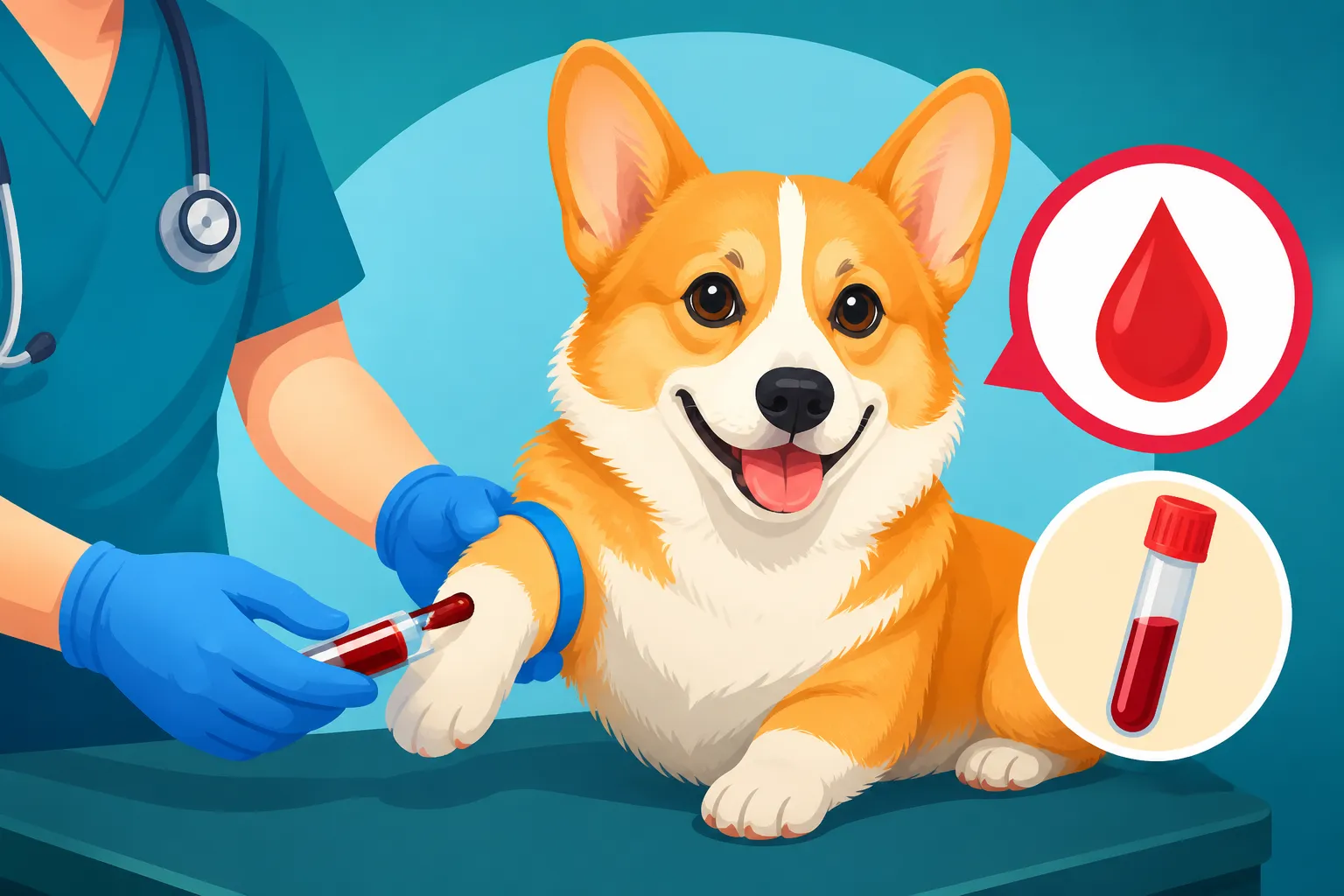
- Complete Blood Count (CBC): This test evaluates the red blood cells, white blood cells, and platelets. It can reveal anemia (low red blood cell count, possibly from chronic blood loss), infection (high white blood cell count), and provide an initial count of platelets, which are essential for clotting. A very low platelet count can indicate a different type of bleeding risk.
- Blood Chemistry Panel: This panel assesses organ function, including the kidneys and liver. These organs are vital for metabolizing and eliminating anesthetic drugs. Compromised liver function, in particular, can also affect the production of clotting factors, further complicating a bleeding disorder.
- Urinalysis: While not directly related to bleeding, a urinalysis can uncover kidney issues or urinary tract infections that could complicate anesthesia or recovery.
These foundational tests are crucial for any Corgi undergoing anesthesia, highlighting broader health concerns that need to be addressed. The financial worry about these tests can be eased by pet insurance; many plans, such as those from Healthy Paws, cover these essential diagnostics.
Specific Clotting Tests for Your Corgi
When there's a suspicion of a bleeding disorder, or if your Corgi is from a breed known for conditions like vWD, your veterinarian will recommend a more specialized set of coagulation tests. These go beyond the general blood work to specifically assess how well your Corgi's blood clots.
The Deep Dive into Coagulation Panels
These tests help pinpoint where in the complex clotting cascade a problem might lie. It's not just about if the blood clots, but how quickly and how effectively. Here are the key tests involved in Clotting Tests Before a Corgi Goes Under:
- Prothrombin Time (PT): This test measures the time it takes for a clot to form in a sample of plasma after reagents are added. It assesses the extrinsic and common pathways of the coagulation cascade. Prolonged PT can indicate deficiencies in certain clotting factors or liver disease.
- Activated Partial Thromboplastin Time (aPTT): Similar to PT, aPTT measures the time for a clot to form, but it assesses the intrinsic and common pathways of the coagulation cascade. A prolonged aPTT can point to deficiencies in different clotting factors, or again, severe liver disease.
- Buccal Mucosal Bleeding Time (BMBT): This is a simple, in-clinic screening test that assesses primary hemostasis (platelet function and capillary integrity). A small incision is made on the inside of the Corgi's lip, and the time it takes for the bleeding to stop is measured. A prolonged BMBT suggests a problem with platelet function or Von Willebrand factor, making it a valuable tool for screening vWD.
- Von Willebrand Factor (vWF:Ag) Assay: This is the definitive test for Von Willebrand Disease. It directly measures the amount of Von Willebrand factor antigen in the blood. This test is crucial for confirming a diagnosis of vWD and determining its severity. Genetic testing for the specific vWD mutation (e.g., vWD Type I in Pembrokes) can also be performed, which identifies carriers or affected individuals even before clinical signs appear. Understanding The DNA Tests a Corgi Breeder Should Run includes this important screening.
Here's a quick overview of what these tests tell your vet:
| Test | What it Measures | What a Prolonged/Abnormal Result Suggests |
|---|---|---|
| Complete Blood Count (CBC) | Red/white blood cells, platelets, hemoglobin | Anemia, infection, low platelet count, inflammation |
| Blood Chemistry Panel | Liver & kidney function, glucose, electrolytes | Organ dysfunction, metabolic imbalances |
| Prothrombin Time (PT) | Extrinsic & common clotting pathways | Deficiencies in Factors VII, X, V, II, I, or liver disease |
| Activated Partial Thromboplastin Time (aPTT) | Intrinsic & common clotting pathways | Deficiencies in Factors XII, XI, IX, VIII, X, V, II, I, or liver disease |
| Buccal Mucosal Bleeding Time (BMBT) | Platelet function, Von Willebrand factor, capillary integrity | Platelet disorder, Von Willebrand Disease, vascular issues |
| Von Willebrand Factor Antigen (vWF:Ag) | Quantity of Von Willebrand factor in blood | Confirms Von Willebrand Disease (low levels) |
Interpreting the Results
A normal result on these coagulation tests offers significant reassurance, allowing the veterinary team to proceed with anesthesia with fewer concerns about bleeding. However, an abnormal result means a shift in strategy. For example, if your Corgi's vWF:Ag levels are low, indicating vWD, your vet will discuss specific protocols to manage this risk during and after surgery.
It's important to remember that even if a Corgi tests as a carrier for a bleeding disorder, it still needs to be approached cautiously. While carriers may not show outward Bleeding Signs in a Corgi, stress or surgery can sometimes exacerbate mild tendencies. This is why thorough discussion with your vet is paramount.
Preparing Your Corgi for Anesthesia When Bleeding is a Concern
Once the tests are done and you have a clear picture of your Corgi's bleeding status, the real preparation begins. This is where you and your veterinary team work together to ensure the safest possible outcome. Even for routine procedures like Corgi Dental Disease treatment, these steps are crucial.
Open Communication with Your Veterinary Team
This cannot be stressed enough: be completely transparent with your vet. Discuss your Corgi's full medical history, any prior incidents of unusual bleeding, and any medications or supplements they are currently taking. Some medications, even common ones like NSAIDs (non-steroidal anti-inflammatory drugs), can thin the blood and worsen bleeding tendencies. Always inform your vet about Medications That Worsen Corgi Bleeding well in advance.
Ask questions. Don't hesitate to voice your concerns. A good veterinary team will appreciate your engagement and provide clear answers. Some questions you might want to ask include:
- What specific steps will be taken to manage the bleeding risk?
- Will a blood donor or blood products (like fresh frozen plasma) be available if needed?
- What are the potential complications, and how will they be addressed?
- What is the estimated cost of these extra precautions, and does my pet insurance (such as Healthy Paws) cover them?
Prophylactic Measures and Support
If your Corgi is diagnosed with a bleeding disorder, your vet may recommend specific treatments to be given before and during the anesthetic procedure.
- Desmopressin (DDAVP): For Corgis with vWD, desmopressin is a synthetic hormone that can help release stored Von Willebrand factor from the endothelial cells, temporarily increasing its levels in the blood. This is often administered intravenously before surgery to improve clotting ability.
- Fresh Frozen Plasma (FFP) or Cryoprecipitate: These blood products contain various clotting factors, including Von Willebrand factor. They can be administered as transfusions before, during, or after surgery to provide the missing clotting components and reduce the risk of hemorrhage.
- Antifibrinolytic Drugs: Medications like aminocaproic acid or tranexamic acid can help stabilize clots once they form, preventing their premature breakdown. These might be used in conjunction with other treatments.
- Minimizing Trauma: The veterinary team will take extra precautions to minimize tissue trauma during surgery and use meticulous surgical techniques to control bleeding. This might involve using electrocautery or other hemostatic agents.
Post-Operative Care and Vigilance
The care doesn't stop when your Corgi wakes up from anesthesia. The post-operative period is just as critical, especially for a Corgi with a bleeding disorder.
- Close Monitoring: Your Corgi will need careful monitoring for signs of bleeding, both at the surgical site and internally. This includes checking gum color, capillary refill time, heart rate, and any swelling or bruising.
- Pain Management: Adequate pain relief is important, but your vet will choose medications that do not exacerbate bleeding.
- Restricted Activity: Depending on the procedure and the severity of the bleeding disorder, your Corgi might require strict activity restriction for a period to prevent re-bleeding or trauma to the surgical site.
- Follow-up Care: Schedule follow-up appointments as recommended by your vet to ensure proper healing and address any lingering concerns.
Remember, responsible Corgi ownership includes understanding the unique health challenges our short-legged friends can face. From their very first The Vet Visits a Corgi Puppy Needs First to managing their later years, being proactive about conditions like bleeding disorders ensures they live the longest, happiest lives possible.
Disclaimer
This article is intended for informational purposes only and does not constitute medical advice. Always consult with a qualified veterinarian for any health concerns or before making any decisions about your Corgi's medical care. Individual circumstances can vary greatly, and professional veterinary guidance is essential.