Crate Rest for a Corgi With a Bad Back
That gut-wrenching moment when your vibrant Corgi suddenly yelps, hobbles, or struggles to stand can send any Corgi parent into a panic. The fear is real – our long-backed, short-legged companions are prone to spinal issues, and witnessing their pain is heartbreaking. This comprehensive guide is here to walk you through the essential process of crate rest for a Corgi with a bad back, helping you understand why it's crucial, how to implement it effectively, and what to expect on the road to recovery.
Understanding Why Crate Rest is Crucial for Corgi Backs
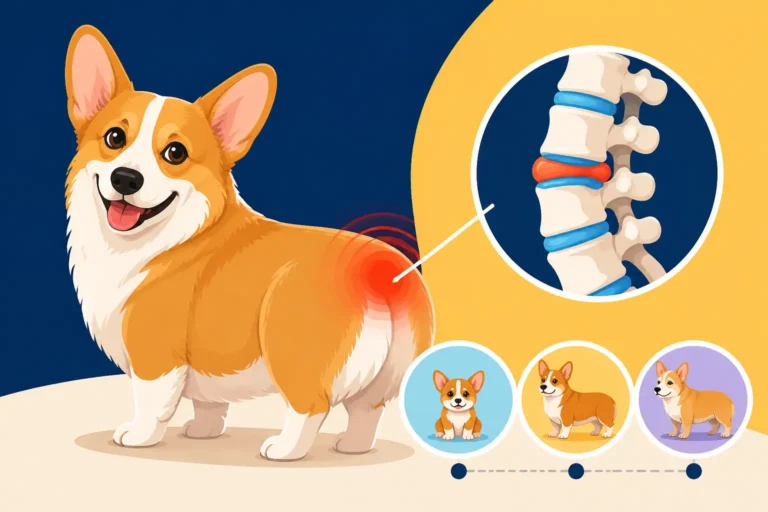
When a Corgi experiences a back problem, often due to intervertebral disc disease (IVDD), it means one of the cushioning discs between their vertebrae has either bulged or ruptured. This puts pressure on the spinal cord, leading to pain, weakness, and potentially paralysis. Just like how a broken bone needs to be immobilized to heal, an injured spine needs absolute rest to reduce inflammation, allow the disc to settle, and prevent further damage. Without this strict confinement, every twist, jump, or even awkward movement can exacerbate the injury, potentially leading to irreversible damage.
The Anatomy of a Vulnerable Corgi Spine
Corgis, both Pembrokes and Cardigans, are chondrodystrophic breeds, meaning they have a genetic predisposition to abnormal cartilage and bone development, which gives them their signature short legs and long bodies. While adorable, this conformation makes their spines particularly susceptible to disc issues. The discs themselves are less resilient than in other breeds, often calcifying prematurely, making them brittle and prone to herniation. This is why a simple jump off the sofa can be a catastrophic event for a Corgi, causing immense pain and potentially rendering them unable to walk. Understanding Disc Disease in a Long-Backed Corgi is key to appreciating the fragility we're dealing with.
When a disc herniates, it’s not just a matter of discomfort; the inflammation around the spinal cord can be incredibly damaging. Imagine trying to heal a sprained ankle while constantly walking on it – it’s just not going to happen effectively. The same principle applies here. Crate rest provides the necessary stillness, preventing the forces of gravity and movement from continuing to irritate the already compromised spinal cord. It allows the body's natural healing mechanisms to kick in without constant disruption, which is the absolute best chance your Corgi has for recovery, especially in the early stages of a disc injury.
The Role of Strict Confinement in Healing
Strict confinement, often referred to as crate rest, means absolutely no running, jumping, climbing stairs, or even prolonged walking. Your Corgi’s activity should be limited to moving only for potty breaks, always on a leash, and with your full support. This isn't just about reducing pain, though that's certainly a major benefit. It's about giving the spinal cord a chance to decompress and for any inflammation to subside without mechanical aggravation.
This period of rest is non-negotiable for success. Many owners struggle with the idea of confining their active Corgi, feeling guilty or worried about their dog's mental well-being. However, you must remind yourself that this is a critical medical treatment. Think of it as a cast for their internal injury. Even if your Corgi seems to be feeling better after a few days of medication, stopping crate rest prematurely is one of the biggest mistakes an owner can make. The underlying injury takes time to truly heal, and rushing it can lead to a relapse that is often more severe than the initial episode. It’s a marathon, not a sprint, and your patience and discipline are your Corgi’s best allies.
Setting Up the Perfect Crate Rest Environment
Preparing the right space for your Corgi's crate rest is paramount for both their physical recovery and mental comfort. This isn't just about tossing them in any old crate; it requires thoughtful consideration of their needs during this challenging time. A well-prepared environment reduces stress for your Corgi and makes the entire process more manageable for you.
Choosing the Right Crate and Location
The crate itself needs to be appropriately sized. For crate rest, it should be just large enough for your Corgi to stand up, turn around comfortably, and lie down without stretching out or having too much room to pace. A crate that's too large allows for too much movement, which defeats the purpose of strict rest. Measure your Corgi carefully and choose a crate that fits these dimensions. Many Corgi owners find a 30-inch crate (for Pembrokes) or a 36-inch crate (for larger Cardigans) works well, but always double-check against your dog's specific measurements. Avoid wire crates with large gaps that small paws could slip through, especially if your Corgi is unsteady. Plastic airline-style crates or soft-sided crates can also work, as long as they offer adequate ventilation and are sturdy.
Placement is another critical factor. The crate should be in a quiet, low-traffic area of your home, but still close enough to family activity that your Corgi doesn't feel isolated. A corner of the living room or your bedroom often works well. This allows them to feel like part of the family without being overstimulated or encouraged to move unnecessarily. Ensure the area is free from drafts, excessive noise, or direct sunlight that could cause overheating. The goal is to create a peaceful, safe haven where healing can truly begin.
Essential Comfort and Safety Accessories
Once you have the right crate and location, it's time to outfit it for maximum comfort and safety. This phase is crucial for ensuring your Corgi settles in and doesn't develop secondary issues from prolonged confinement.
- Orthopedic Bedding: A thick, supportive, orthopedic bed is a non-negotiable item. It provides cushioning for pressure points, supports the spine, and helps prevent bedsores, especially if your Corgi has limited mobility. Look for beds made with memory foam or dense orthopedic foam. Brands like Big Barker or K&H Pet Products offer excellent options. Make sure the cover is washable, as accidents can happen during this time, especially if your Corgi is experiencing Incontinence in a Corgi With DM or due to medication side effects.
- Water and Food Bowls: Use no-tip bowls to prevent spills. Raised bowls can sometimes be helpful, but only if your Corgi can comfortably reach them without straining their neck or back. For dogs on strict rest, you might even consider offering water in a bowl outside the crate during potty breaks or by hand-holding a small bowl for them inside.
- Comfort Items: Include a favorite blanket or soft toy, but avoid anything that encourages vigorous play or chewing that could lead to head movements or body shifts. A puzzle toy or LickiMat filled with a small amount of peanut butter (vet-approved, within their daily calorie allowance) can offer mental stimulation without requiring much physical movement, which is essential for Keeping a Crated Corgi Sane.
- Potty Pads: Even if your Corgi is house-trained, placing a potty pad in one corner of a slightly larger crate (if your vet approves) or just outside the crate can be helpful for overnight accidents or if they struggle to hold it. This reduces stress for both of you.
Here's a quick checklist for your Corgi's crate rest setup:
| Item | Description | Why It's Essential |
|---|---|---|
| Appropriate Crate | Just enough room to stand, turn, lie down, no excess space. | Prevents excessive movement and further injury. |
| Orthopedic Bedding | Thick, supportive, washable memory foam or dense foam bed. | Supports spine, prevents pressure sores, aids comfort. |
| No-Tip Water Bowl | Sturdy bowl that won't easily spill. | Ensures hydration without mess or injury risk from reaching. |
| Soft Toy/Blanket | Familiar, comforting items that don't encourage active play. | Provides emotional comfort, reduces anxiety. |
| Potty Pads | Absorbent pads for potential accidents. | Manages incontinence, reduces stress for dog and owner. |
| Baby Gates | To block off stairs or restrict access to certain rooms. | Prevents accidental jumping or running when outside the crate for supervised breaks. |
The Daily Routine: Managing Your Corgi on Crate Rest
Successfully navigating crate rest means establishing a consistent, predictable daily routine. This structure provides comfort and security for your Corgi, reduces anxiety, and ensures their physical needs are met without compromising their healing process. It’s a commitment, but one that directly impacts their recovery.
Strict Potty Breaks and Leash Control
One of the biggest challenges of crate rest is managing potty breaks. Your Corgi must be taken outside on a leash for every single potty break. This means no dashing out the back door unsupervised, no excited leaps into the yard. Even if your yard is fenced, the sudden sprint, twist, or jump could instantly undo weeks of healing.
When taking them out, support their rear end if they are wobbly or weak. A towel sling under their belly can be incredibly helpful for Corgis with significant hind leg weakness. Walk slowly and directly to their designated potty spot, allow them to do their business, and then immediately return them to the crate. Keep these excursions short – just long enough for them to relieve themselves. Resist the urge to let them sniff around or explore, no matter how much they beg with those adorable Corgi eyes. The goal is purposeful movement, then back to rest. If you have grass in your backyard, consider picking a spot that minimizes walking distance. For Corgis struggling with their back legs, you might find that Mobility Aids for a Corgi That Cannot Walk such as a harness with a handle over the back, or even a basic sling, are indispensable.
Feeding and Medication Schedules
During crate rest, your Corgi’s activity level is drastically reduced, which means their caloric needs will also decrease. It's crucial to adjust their food portions to prevent weight gain, as extra weight puts additional strain on an already compromised spine. Consult your vet for precise feeding guidelines, but generally, a slight reduction in their usual intake is necessary. This is also why Cutting Calories While a Corgi Is Confined is a common strategy.
Medication adherence is absolutely critical. Your vet will likely prescribe anti-inflammatory drugs (NSAIDs or steroids) and possibly muscle relaxants or pain medication. These need to be given exactly as prescribed, on time, every single day. Set alarms, use a pill organizer, and don't miss a dose, even if your Corgi seems to be feeling better. These medications are vital for reducing pain and inflammation, creating an environment where healing can occur. If your Corgi is on long-term medication, discussing potential side effects with your vet and having a reliable pet insurance plan like Healthy Paws can provide peace of mind regarding ongoing care costs.
Addressing Common Challenges During Crate Rest
Crate rest is tough, there’s no getting around it. Both you and your Corgi will face challenges, but anticipating them and having strategies in place can make a world of difference. Remember, consistency and patience are your most powerful tools.
Managing Boredom and Frustration
An active, intelligent Corgi accustomed to daily walks and adventures will undoubtedly become bored and frustrated during weeks of confinement. This can manifest as barking, whining, destructive chewing, or even attempts to escape the crate. It's heartbreaking to witness, but it's important to differentiate between genuine distress and simple boredom.
To combat boredom:
- Mental Stimulation: Offer puzzle toys or Kongs stuffed with frozen treats (vet-approved, as mentioned, within calorie limits). These can keep them occupied for extended periods without requiring physical movement.
- Quiet Companionship: Spend time sitting quietly by their crate, reading a book, or just talking to them softly. Your presence can be incredibly reassuring.
- Scent Games: Hide a few low-calorie treats or their favorite toy under a blanket in their crate and let them use their nose to find it. This engages their powerful sense of smell.
- Rotate Toys: Don't give them all their safe toys at once. Rotate them every couple of days to keep things fresh and interesting.
For severe frustration, always consult your vet. They might suggest mild sedatives to help your Corgi relax and truly rest, especially in the initial, most painful stages. Remember, this isn't punishment; it's therapy, and keeping them calm aids recovery.
Dealing with Accidents and Hygiene
Despite your best efforts with potty breaks, accidents happen. A Corgi on crate rest might have reduced mobility, be on medications that increase urination, or simply not be able to hold it as long as usual. It's important not to get angry or frustrated with them; they are likely feeling vulnerable and embarrassed already.
- Absorbent Bedding: Use waterproof crate liners and plenty of absorbent blankets or towels that can be easily washed. Having multiple sets on hand is a lifesaver.
- Regular Cleaning: Promptly clean up any accidents to maintain hygiene and prevent skin irritation. Use pet-safe cleaners.
- Spot Cleaning: If your Corgi gets messy, you might need to spot-clean their coat. Use pet-safe wipes or a damp cloth with a mild, pet-friendly shampoo. Avoid full baths unless absolutely necessary and with vet approval, as the lifting and handling involved can be risky for their back. Gently clean their rear end if they've had diarrhea or are incontinent to prevent urine scald or skin infections.
This phase can be emotionally draining for owners. Many feel overwhelmed by the constant cleaning and the sight of their usually fastidious Corgi having accidents. Just remember you're doing your best, and it's a temporary challenge on the path to healing.
Managing Your Own Stress and Guilt
Let's be honest, watching your Corgi go through crate rest is incredibly stressful. You'll likely feel a mix of guilt, worry, and exhaustion. It's easy to second-guess every decision, wonder if you could have prevented it, or feel overwhelmed by the demanding schedule.
- Lean on Your Support System: Talk to family, friends, or even online Corgi communities who understand what you're going through. Sharing your feelings can lighten the load.
- Educate Yourself: Understanding the "why" behind crate rest, as detailed in articles like Six Weeks of Crate Rest With a Corgi, helps to reinforce your commitment. Knowledge empowers you.
- Celebrate Small Wins: Did your Corgi make it through the night without an accident? Did they eat all their medicine without a fuss? Acknowledge these small victories.
- Take Breaks: You can't pour from an empty cup. Arrange for a trusted friend or family member to supervise your Corgi for an hour so you can step away, grab a coffee, or just breathe.
- Consult Your Vet: Don't hesitate to call your vet if you have questions, concerns about your Corgi's progress, or just need reassurance. They are your primary resource and want to support you.
This period is a true test of your dedication as a Corgi parent, but remember that your unwavering care is precisely what your Corgi needs most right now.
The Road to Recovery: Easing Out of Crate Rest
Successfully completing the prescribed crate rest period is a huge milestone, but the journey isn't over. Easing your Corgi back into activity requires just as much care and attention as the initial confinement, if not more, to prevent re-injury. This transitional phase is crucial for long-term spinal health.
Gradual Reintroduction to Activity
Your vet will provide a specific protocol for gradually increasing your Corgi's activity. This is usually a slow, methodical process, often spanning several weeks or even months. Think of it like a human recovering from major surgery – you don't just jump out of bed and run a marathon.
Typically, the reintroduction begins with very short, controlled leash walks (5-10 minutes, a few times a day) on flat, even surfaces. Avoid stairs, jumping, and rough play entirely. As your Corgi demonstrates sustained improvement and no signs of pain or weakness, these walks can be slowly lengthened. Your vet might also recommend specific exercises or stretches to help rebuild muscle strength and flexibility. The key here is gradual. Pushing too hard, too fast, is a common reason for relapse. Remember that a Corgi’s enthusiasm can often outweigh their physical readiness, so it’s up to you to manage their exuberance. For insights into how professionals aid recovery, you might want to look into Physiotherapy for a Corgi Losing Its Legs.
Post-Crate Rest Therapy Options
Once your Corgi is ready to start moving a bit more, your vet might recommend additional therapies to support their recovery and strengthen their back. These can be incredibly beneficial in preventing future issues and improving overall quality of life.
- Hydrotherapy: Underwater treadmill therapy or swimming can be fantastic for Corgis. The buoyancy of the water reduces stress on the joints and spine, allowing them to exercise and build muscle without bearing their full weight. Many rehabilitation centers specialize in this, and it's a great way to reintroduce controlled movement.
- Physical Therapy: A certified canine rehabilitation therapist can develop a tailored exercise program for your Corgi. This might include passive range of motion exercises, therapeutic exercises to strengthen core muscles, balance work, and targeted stretches.
- Laser Therapy or Acupuncture: These complementary therapies can help reduce pain and inflammation, stimulate healing, and improve circulation. While not a cure, they can be valuable additions to a comprehensive rehabilitation plan.
- Nutritional Support: Your vet may also suggest supplements, such as glucosamine, chondroitin, or omega-3 fatty acids, to support joint health. Always discuss any supplements with your vet first to ensure they are safe and appropriate for your Corgi.
These therapies, combined with your continued vigilance, significantly improve your Corgi's chances of a full and lasting recovery. The investment in these treatments, which pet insurance providers like Healthy Paws may help cover, is often well worth it for the improved quality of life for your beloved companion.
Preventing Future Back Issues
While crate rest is a critical treatment, proactive prevention is the best long-term strategy for your Corgi’s spinal health. Understanding and implementing preventative measures throughout their life can significantly reduce the risk of future disc injuries.
Lifestyle Adjustments for Spinal Health
Living with a Corgi means making certain lifestyle adjustments to protect their unique conformation. These aren't just recommendations; they're essential for their well-being.
- Weight Management: This is perhaps the most critical factor. Even a few extra pounds put immense strain on a Corgi's long back. Maintain your Corgi at a lean, healthy weight. You should be able to easily feel their ribs without pressing hard, and they should have a visible waist when viewed from above. Regularly assess your Corgi's weight and adjust their diet and exercise accordingly. For more details, explore What Extra Weight Does to a Corgi Spine.
- Controlled Movement: Prevent jumping off furniture, beds, or out of cars. Provide ramps or pet stairs for access to sofas and beds. Consider a car ramp or lifting your Corgi in and out of the vehicle. Teach them to wait to be lifted rather than leaping. Check out Ramps and Steps That Save a Corgi's Back for ideas.
- No Stairs or Limited Access: Stairs are notorious for putting strain on Corgi backs. If you have stairs, use baby gates to block access. If stairs are unavoidable, carry your Corgi up and down, ensuring proper support.
- Proper Lifting Techniques: Always support your Corgi's chest and hindquarters simultaneously when lifting them. Avoid lifting by only their front legs or by their middle, which can put dangerous strain on their spine.
- Harness Over Collar: A harness distributes pressure across their chest and shoulders, rather than concentrating it on their neck, which can transmit jarring forces down the spine.
By making these everyday adjustments, you create a safer environment that honors their unique physical needs.
Regular Vet Check-ups and Early Detection
Routine veterinary care plays a crucial role in preventative spinal health. Your vet is your partner in monitoring your Corgi for subtle signs of back trouble and ensuring they maintain optimal health.
- Annual Exams: During annual check-ups, your vet can assess your Corgi's gait, spinal flexibility, and muscle tone. They can also keep a close eye on their weight and discuss any concerns you might have. Discussing Screening an Older Corgi's Spine can be especially important as they age.
- Report Subtle Changes: Pay close attention to any changes in your Corgi's behavior or movement. Are they reluctant to jump on the sofa? Do they hesitate before climbing a small step? Are they shaking or shivering more than usual? Do you notice A Corgi That Scuffs Its Back Nails? These seemingly minor signs can be early indicators of back pain. The sooner a potential problem is identified, the better the prognosis for treatment and recovery. Don't wait until your Corgi is in severe pain; early intervention can prevent more serious episodes.
- Discuss Supplements: While supplements alone cannot prevent disc disease, your vet might recommend certain joint support supplements as part of an overall preventative strategy, especially as your Corgi ages or if they have a history of mild back issues.
By staying proactive and vigilant, you can significantly contribute to your Corgi's long-term spinal health and hopefully avoid the need for intensive crate rest in the future. Your dedication to their well-being truly makes all the difference.
Disclaimer
The information provided in this article is for general informational purposes only and is not a substitute for professional veterinary advice. Always consult with a qualified veterinarian for any health concerns or before making any decisions related to your Corgi's medical care.