Spinal Surgery on a Corgi
The moment your beloved Corgi goes from their usual bouncy self to struggling to walk, or worse, unable to use their back legs, a sense of panic can set in. As Corgi parents, we dread the words "slipped disc" or "IVDD," and the thought of spinal surgery can be terrifying. This comprehensive guide is here to walk you through everything you need to know about spinal surgery for your Corgi, from understanding their unique anatomy to post-operative care and long-term recovery.
Understanding the Corgi Spine and IVDD
Corgis, with their adorable short legs and long bodies, are simply irresistible. But this very build, a hallmark of their breed, also makes them particularly susceptible to certain health challenges, especially when it comes to their spines. It's a truth many Corgi owners grapple with, often with a heavy heart.
Why Corgis Are Prone to Spinal Issues
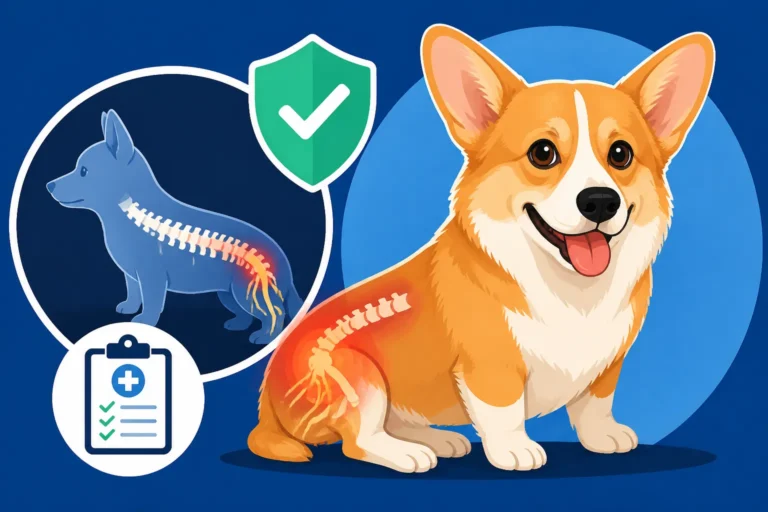
It's not just a coincidence that Corgis often face back problems. Their unique body shape is a result of a genetic trait known as chondrodystrophy. This inherited condition affects the development of cartilage, leading to shortened limbs and, crucially for our discussion, prematurely degenerating intervertebral discs. Imagine your Corgi's spine like a string of donuts with jelly fillings between each one, acting as shock absorbers. In Corgis, these "jelly donuts" start to harden and become less flexible much earlier in life than in other breeds. This makes them much more vulnerable to injury. Understanding What Chondrodystrophy Means for a Corgi can shed more light on this inherent vulnerability. It's not a flaw in your specific dog; it's a characteristic of the breed's fascinating evolution and structure, designed for ducking under cattle, but unfortunately, not for boundless leaping.
The Mechanics of a Slipped Disc in Corgis
When we talk about a "slipped disc," the medical term is Intervertebral Disc Disease, or IVDD. This isn't just a minor tweak; it's a serious condition that can have devastating effects. In a Corgi, due to that chondrodystrophic gene, the discs between the vertebrae—those cushioning "jelly donuts"—begin to degenerate. They lose their elasticity and become more like hard, brittle pieces of cartilage.
Eventually, these hardened discs can either bulge out (extrusion) or rupture (herniation), pressing on the delicate spinal cord. The spinal cord is like the main highway for nerve signals between the brain and the rest of the body. When it's compressed, those signals get interrupted or blocked entirely, leading to pain, weakness, loss of coordination, and even paralysis in the hind legs. The severity of the compression directly relates to the symptoms you'll see in your Corgi, ranging from a slight stumble to complete inability to move.
Recognizing the Emergency: When to Consider Surgery
One of the hardest parts of being a Corgi owner is knowing when a back problem has escalated into a true emergency. It's easy to second-guess yourself, but recognizing these critical signs quickly can make all the difference for your dog's prognosis.
Critical Signs of a Spinal Emergency
A sudden change in your Corgi's mobility or behavior, especially if it involves their hindquarters, should send alarms ringing. These are not symptoms to "wait and see" about. If you notice your Corgi:
- Dragging one or both hind legs, often scuffing their nails.
- Displaying extreme pain, crying out when touched, or yelping spontaneously.
- Having difficulty getting up, standing, or walking, appearing wobbly or uncoordinated.
- Experiencing partial or complete paralysis in their back legs.
- Losing control of their bladder or bowels, leading to accidents indoors.
These signs indicate significant spinal cord compression and require immediate veterinary attention. Time is truly of the essence when a disc ruptures and presses on the spinal cord. The longer the compression persists, the more damage can occur, potentially leading to irreversible deficits. You might want to review Emergency Signs of a Corgi Disc Injury for a more detailed understanding of these urgent indicators.
Diagnosing the Problem: Imaging and Neurologist Consultation
When you rush your Corgi to the vet with suspected IVDD, the diagnostic process will begin with a thorough neurological examination. Your veterinarian will test your dog's reflexes, pain response, and proprioception (their awareness of where their limbs are in space). This initial exam helps locate the general area of the spinal injury.
However, to truly confirm a slipped disc, identify its exact location, and assess the severity of the spinal cord compression, advanced imaging is absolutely necessary. Plain X-rays often don't reveal the soft tissue damage of a disc issue, but they can rule out other problems like fractures or tumors. The gold standard for diagnosing IVDD and guiding surgical planning is typically a Magnetic Resonance Imaging (MRI) scan or, in some cases, a Computed Tomography (CT) scan. These imaging techniques provide detailed cross-sectional views of the spinal cord and discs, allowing the veterinary neurologist to pinpoint the problematic disc and understand the extent of the damage. An MRI, in particular, offers superior soft tissue contrast, showing the disc material pressing on the spinal cord with remarkable clarity. Knowing What an MRI Shows in a Corgi Back can help you understand why this diagnostic step is so crucial, despite the associated cost.
The Surgical Procedure and What It Entails
Once IVDD is diagnosed and surgery is recommended, it's natural to feel overwhelmed. Understanding the procedures and preparations can help alleviate some anxiety, giving you a clearer picture of what your Corgi will go through.
Common Spinal Surgery Techniques for Corgis
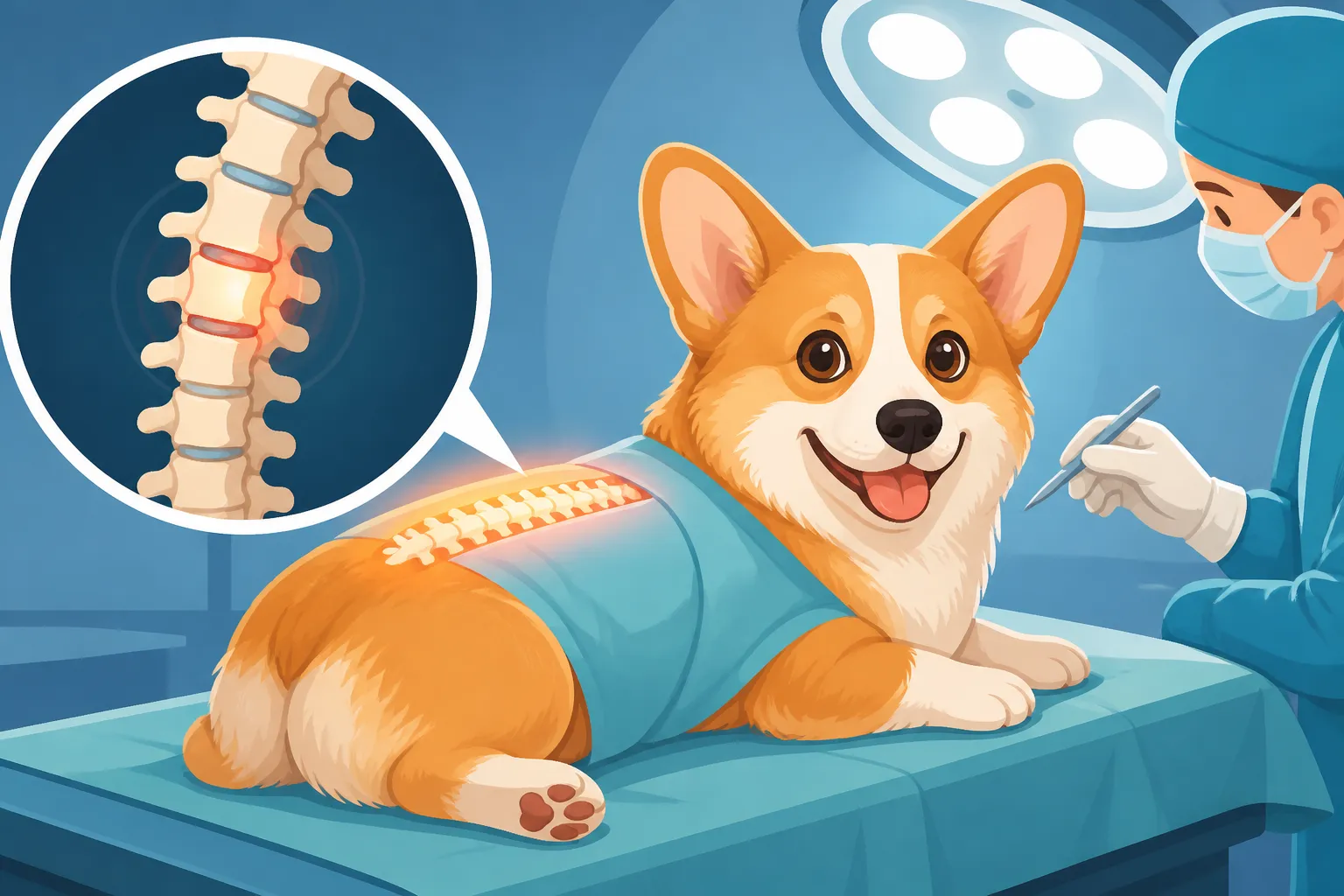
The goal of spinal surgery for IVDD is decompression: to remove the disc material that is pressing on the spinal cord, thereby relieving the pressure and allowing the nerves to heal. Several surgical techniques are commonly used, chosen based on the location and type of disc herniation:
- Hemilaminectomy: This is one of the most common procedures for disc herniations in the thoracolumbar (mid-back) region. It involves removing a portion of the vertebral bone (lamina) and overlying soft tissue to access the spinal canal and carefully remove the extruded disc material. This approach provides excellent visualization and direct decompression of the spinal cord.
- Ventral Slot: For disc issues in the cervical (neck) region, a ventral slot procedure is often performed. The surgeon accesses the disc from the underside of the neck, creating a small "slot" through the vertebral bodies to remove the offending disc material and decompress the spinal cord.
- Fenestration: Sometimes, fenestration is performed alongside other procedures or in less severe cases, particularly in the thoracolumbar spine. This technique involves creating a small window in the outer layer of the disc (annulus fibrosus) and removing the inner, gel-like material (nucleus pulposus) to prevent future herniations at that site. It's often considered a preventative measure for adjacent discs.
These procedures are highly specialized and are typically performed by board-certified veterinary neurologists or surgeons. Their expertise is paramount in carefully navigating the delicate structures of the spinal cord to achieve the best possible outcome.
Anesthesia, Risks, and Pre-Surgical Preparations
Just like any major surgery, spinal surgery comes with its own set of preparations and risks. Before your Corgi goes under the knife, a comprehensive pre-surgical workup is essential. This usually includes:
- Blood work: A complete blood count and biochemistry panel will assess your Corgi's overall health, organ function, and clotting abilities, ensuring they can safely undergo anesthesia and surgery.
- Clotting tests: Specifically for Corgis, whose Pembroke Welsh Corgi lineage can carry Von Willebrand's disease (a bleeding disorder), clotting tests before a Corgi operation are particularly crucial. These tests ensure your dog’s blood will clot properly during and after the procedure, minimizing the risk of excessive bleeding.
- Cardiac evaluation: Depending on your Corgi's age and medical history, a cardiac workup might be recommended to ensure their heart can handle the stress of anesthesia.
The veterinary team will carefully tailor the anesthesia protocol to your individual Corgi, monitoring them closely throughout the procedure. While risks like adverse reactions to anesthesia, infection, or hemorrhage exist, modern veterinary medicine has made these procedures remarkably safe. It’s important to have an open conversation with your veterinary surgeon and anesthetist about any concerns you have, especially regarding your Corgi's specific health profile or if they are an older Corgi.
Post-Operative Care: The Road to Recovery
The surgery itself is only the first major step. The recovery period is arguably just as critical, demanding dedication, patience, and careful management from both you and your veterinary team. This journey can feel long, but with the right care, many Corgis make remarkable recoveries.
Immediate Post-Surgery Hospitalization and Monitoring
Following spinal surgery, your Corgi will typically spend several days in the veterinary hospital for intensive post-operative care. This initial period is crucial for managing pain, monitoring neurological function, and preventing complications. The veterinary staff will be:
- Administering pain medication: Your Corgi will receive a carefully managed pain protocol, often involving a combination of medications, to ensure their comfort.
- Monitoring vital signs: Constant monitoring of heart rate, respiration, temperature, and blood pressure is vital.
- Assessing neurological status: Regular checks of their reflexes, motor function, and pain sensation will track their progress.
- Bladder and bowel management: Many Corgis will temporarily lose bladder and bowel control after surgery. The veterinary team will manually express their bladder and monitor bowel movements to prevent complications like urinary tract infections or constipation.
- Preventing complications: This includes turning your Corgi regularly to prevent bedsores, ensuring proper hygiene, and maintaining a clean, comfortable environment. Early, gentle physical therapy might begin, often with assisted standing or slings, under strict supervision.
The Crucial Role of Crate Rest at Home
Once your Corgi is discharged, a period of strict crate rest is non-negotiable for proper healing. This is perhaps one of the most challenging aspects of recovery for Corgi owners, as these active little dogs often struggle with confinement. The duration typically ranges from 4 to 8 weeks, depending on the severity of the injury and the surgical technique used.
During crate rest:
- No jumping, running, or stair climbing: Your Corgi must be kept in a small, secure space (a crate or small pen) to prevent any movements that could re-injure the spine or compromise the surgical site.
- Assisted potty breaks: Your Corgi will need to be carried outside for short, leashed potty breaks, with support (like a sling) if they are still wobbly.
- Managing boredom and anxiety: This is where creativity comes in! Provide mental stimulation with puzzle toys, Kongs filled with treats, or gentle massage. Keep them close to the family action if possible, so they don't feel isolated. Many owners find Six Weeks of Crate Rest With a Corgi to be a very helpful resource during this challenging time. It's tough, but it's vital for giving their spine the best chance to heal.
Physiotherapy and Rehabilitation
While crate rest is essential for initial healing, physiotherapy and rehabilitation are equally critical for restoring strength, coordination, and mobility. This isn't just about getting your Corgi walking again; it's about optimizing their long-term neurological function and quality of life. Rehabilitation typically begins after the initial crate rest period, once the surgical site is stable.
Common rehabilitation modalities include:
- Hydrotherapy: Underwater treadmill therapy or swimming allows your Corgi to exercise their muscles in a low-impact environment, reducing stress on their healing spine. This is incredibly beneficial for rebuilding muscle mass and improving gait without bearing full weight. You can learn more about this in Hydrotherapy for a Corgi Recovering From Surgery.
- Laser therapy: Low-level laser therapy can help reduce pain and inflammation and promote tissue healing.
- Therapeutic exercises: A certified canine rehabilitation therapist will design a personalized exercise program for your Corgi, focusing on core strength, balance, proprioception (awareness of body position), and gait training. This might involve exercises with balance balls, cavaletti poles, or specific stretches.
- Massage and manual therapy: Gentle massage can improve circulation, reduce muscle spasms, and maintain joint flexibility.
Rehabilitation is a commitment, often involving multiple sessions per week, but the benefits in terms of improved recovery and enhanced quality of life are immense.
Long-Term Outlook and Life After Surgery
It's natural to wonder what life will look like for your Corgi after spinal surgery. While the path to recovery can be challenging, many Corgis go on to live full, happy lives. However, it's important to have realistic expectations and commit to lifelong preventative care.
Realistic Expectations for Recovery Rates
The success of spinal surgery for IVDD in Corgis varies depending on several factors:
- Severity of the spinal cord compression: Corgis with mild neurological deficits (pain, weakness) generally have a higher success rate than those with severe deficits (paralysis, loss of deep pain sensation).
- Duration of compression: The faster surgery is performed after injury, the better the prognosis. Prolonged compression can lead to irreversible damage.
- Individual Corgi factors: Age, overall health, and commitment to rehabilitation also play a role.
While many Corgis recover fully and regain normal mobility, some may experience residual neurological deficits, such as a slightly wobbly gait, weakness in their hind legs, or persistent incontinence. It's crucial to discuss these possibilities with your veterinary neurologist and understand Recovery Rates After Corgi Disc Surgery for a more detailed picture. Even if your Corgi doesn't achieve 100% recovery, with proper care and management, they can still enjoy a very good quality of life.
Preventing Future Spinal Episodes
One of the most important takeaways from a spinal surgery experience is the need for lifelong preventative care to minimize the risk of another disc episode. While surgery addresses the immediate problem, the underlying predisposition to IVDD remains.
Key preventative measures include:
- Weight management: Keeping your Corgi at a lean, healthy weight is paramount. Excess weight puts significant strain on their spine. Knowing The Body Condition Score a Corgi Should Hold can help you maintain their ideal physique. Discuss appropriate calorie intake and exercise with your vet.
- Environmental modifications: This is huge! Invest in ramps or pet steps to allow your Corgi to safely access furniture or vehicles without jumping. Prevent them from using stairs as much as possible, or carry them. Consider non-slip rugs on slick floors to prevent slips and falls. You'll find valuable insights in Ramps and Steps That Save a Corgi's Back.
- Activity restrictions: Avoid activities that involve high-impact jumps, twisting motions, or sudden starts and stops. While Corgis are active, their long backs are not designed for extreme acrobatics. Controlled leash walks and appropriate, low-impact play are best.
- Appropriate harness: Ensure your Corgi wears a well-fitting harness that distributes pressure across their chest, rather than a collar that can put strain on their neck and spine.
By consistently implementing these measures, you can significantly reduce the risk of a recurring spinal injury, allowing your Corgi to enjoy a more comfortable and active life.
Financial Considerations and Support
Let's be real: spinal surgery and the subsequent recovery for a Corgi are not inexpensive. The costs can be substantial, and it’s a major concern for many pet parents. Here’s a general breakdown of what to expect and how to prepare:
| Expense Category | Estimated Cost Range (USD) | Notes |
|---|---|---|
| Neurological Exam & Initial X-rays | $150 – $500 | First vet visit and basic diagnostics. |
| MRI/CT Scan | $2,000 – $4,000 | Essential for precise diagnosis and surgical planning. |
| Spinal Surgery | $3,000 – $8,000+ | Varies greatly by location, surgeon's fees, severity of injury, and specific procedure. |
| Hospitalization (Post-Op) | $500 – $1,500 per day | Includes pain management, nursing care, monitoring, bladder expression. Can be 2-5+ days. |
| Rehabilitation/Physiotherapy | $50 – $150 per session | Multiple sessions (hydrotherapy, laser, exercises) are typically needed, often for several months. |
| Medications (Home) | $50 – $200+ | Pain relievers, muscle relaxants, anti-inflammatories. |
| Mobility Aids (Optional) | $100 – $1,000+ | Ramps, slings, orthopedic beds, or custom wheelchairs if needed. |
These figures can quickly add up, easily reaching into the five-figure range. This is where pet insurance can be an absolute lifesaver. Many owners find a good pet insurance plan, like those offered by Healthy Paws, to be a tremendous help in these unexpected and costly situations, helping to cover a significant portion of the bills. It's often recommended to enroll in pet insurance when your Corgi is young, before any pre-existing conditions (like back issues) are noted, to ensure the best coverage. For those without insurance, discussing payment plans with your veterinary hospital or exploring veterinary financial aid organizations can provide some relief. Being proactive about these potential costs can make a daunting situation a little more manageable, as highlighted in Paying for a Corgi's Ruptured Disc.
Disclaimer
The information provided in this article is for general informational purposes only and is not a substitute for professional veterinary advice. Always consult with a qualified veterinarian or veterinary specialist regarding any medical concerns or before making any decisions about your Corgi's health and treatment.