Docking and Spaying a Corgi That Bleeds
When you have a Corgi with a known bleeding disorder, even routine veterinary procedures can feel like walking on eggshells. The thought of something as common as tail docking or spaying turning into a life-threatening situation is terrifying for any dog parent. This comprehensive guide aims to ease some of that anxiety by walking you through everything you need to know about safely performing these procedures on a Corgi that bleeds.
Understanding Bleeding Disorders in Corgis
Finding out your beloved Corgi has a bleeding disorder can be a shock, and it immediately adds a layer of complexity to their healthcare. It means their blood doesn't clot as effectively as it should, which can turn minor injuries or routine surgeries into significant concerns. It’s crucial to understand what these conditions are and how they might affect your furry friend.
Common Bleeding Conditions Affecting Corgis
While there are several types of bleeding disorders that can affect dogs, the one most commonly associated with Corgis, particularly Pembroke Welsh Corgis, is Von Willebrand Disease (vWD). This isn't just a minor issue; it's a genetic condition where the dog lacks or has reduced levels of Von Willebrand factor, a protein essential for normal blood clotting. Imagine needing a sturdy bridge to get across a river, and suddenly parts of that bridge are missing – that's a bit like what happens with vWD.
Other, less common conditions could include hemophilia (though rare in Corgis) or platelet function disorders, but vWD is the big one that Corgi owners and veterinarians often focus on. Knowing that The Bleeding Disorder Pembrokes Carry is often inherited through specific genes helps breeders and owners make informed decisions.
Recognizing Signs and Getting a Diagnosis
You might not even realize your Corgi has a bleeding disorder until a significant event, like an injury or surgery, brings it to light. However, there are signs to watch for. These can include prolonged bleeding after minor cuts, nosebleeds that are hard to stop, excessive bruising, or bleeding from the gums. For female Corgis, prolonged or unusually heavy heat cycles could also be a subtle indicator. Sometimes, the first real alarm bell rings after a routine vaccination or a simple scratch.
The definitive way to diagnose these conditions, especially vWD, is through genetic testing. A simple DNA test can identify if your Corgi is clear, a carrier, or affected by the vWD gene. Many reputable breeders will run The DNA Tests a Corgi Breeder Should Run before breeding to prevent passing on these genes. Beyond genetic testing, your vet might perform specific clotting tests, such as a buccal mucosal bleeding time (BMBT) test, which measures how long it takes for a small incision in the gum to stop bleeding. This gives a functional assessment of clotting ability.
Daily Life with a Bleeding Corgi
Living with a Corgi that has a bleeding disorder means being a bit more vigilant in everyday life. While many affected dogs live relatively normal lives, others might require careful management to avoid situations that could lead to injury. For instance, rough play with other dogs, jumping off high furniture, or even certain chew toys could pose a risk if they lead to an injury.
It’s about striking a balance: you want your Corgi to be happy and active, but you also need to minimize unnecessary risks. This might involve setting up your home with ramps, choosing safer toys, and supervising playtime more closely. Knowing Whether a Corgi With the Bleeding Gene Is Limited in their activities often comes down to the severity of their specific condition and how well it's managed.
The Risks of Routine Surgery for a Bleeding Corgi
When your Corgi has a bleeding disorder, what are usually considered straightforward veterinary procedures suddenly become nerve-wracking. The primary concern is always excessive blood loss during or after surgery, which can lead to life-threatening complications if not meticulously managed.
Why Common Procedures Become High Stakes
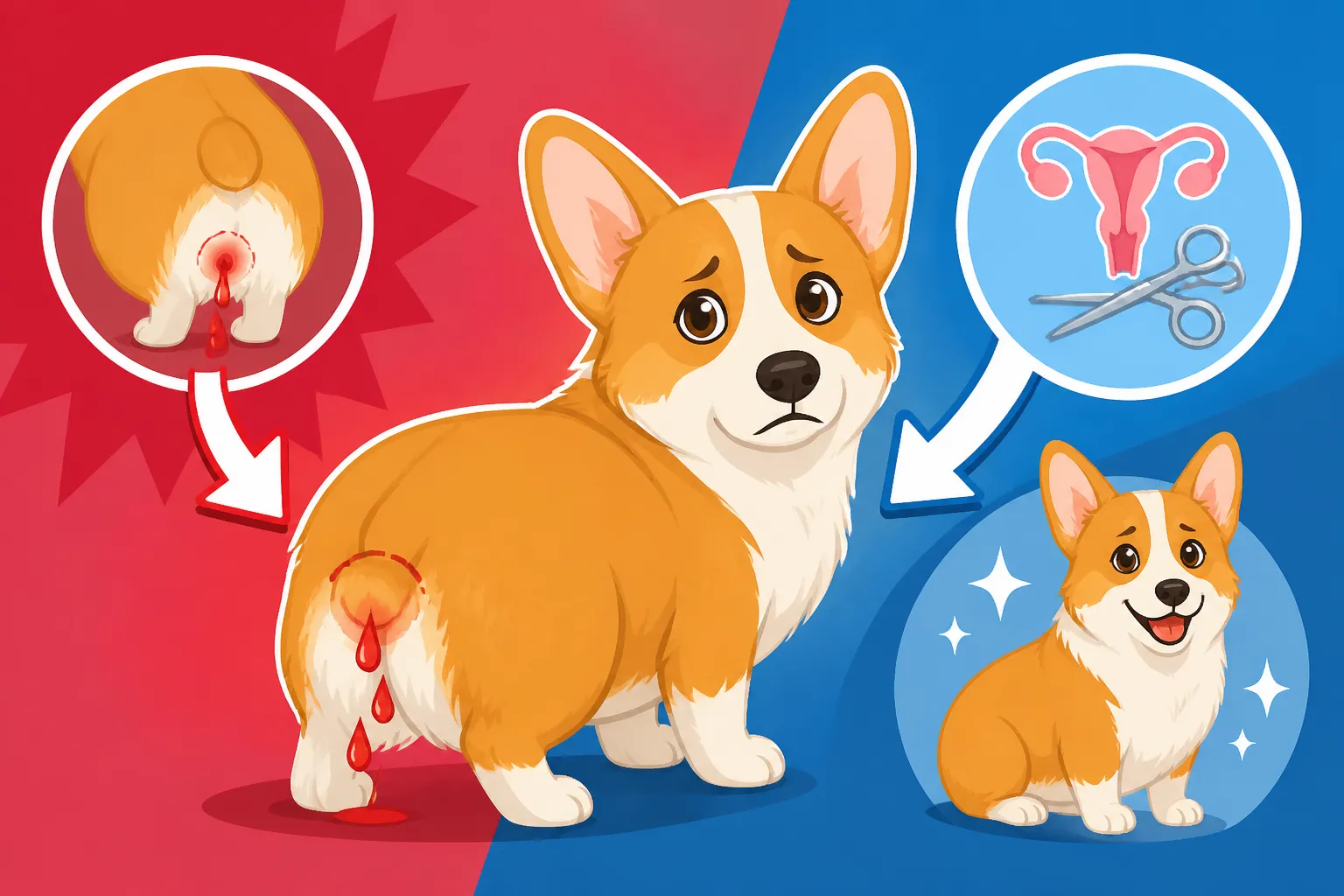
For a Corgi with a bleeding disorder, any incision, no matter how small, presents a risk. Procedures like docking (which is less common now but historically was), spaying (ovariohysterectomy), or neutering (castration) involve cutting through tissues and blood vessels. In a dog with normal clotting, these vessels seal off relatively quickly. But in a Corgi lacking essential clotting factors, that process is impaired, making it difficult for the body to stop the bleeding naturally.
This means a longer recovery period, a higher chance of internal hemorrhaging, and the potential for severe anemia. The vet's skill and preparation become even more critical than usual, turning a standard surgery into a carefully coordinated effort to ensure your Corgi's safety. This is where pet insurance, like a policy from Healthy Paws, can become invaluable, helping to cover the potentially higher costs associated with specialized care for these situations.
Potential Complications to Watch For
The complications for a bleeding Corgi undergoing surgery can range from mild to severe. During the surgery itself, the vet will be carefully monitoring for excessive blood loss. Post-operatively, you'll need to be on high alert. Signs like continued seepage from the incision site, swelling around the surgical area (which could indicate internal bleeding), lethargy, pale gums, or difficulty breathing are all red flags.
In severe cases, a Corgi could develop a hematoma, a large collection of blood under the skin, or even go into hypovolemic shock from blood loss. These complications require immediate veterinary attention, making it crucial to have a clear plan with your vet for post-operative monitoring and emergency contacts. Understanding Bleeding Signs in a Corgi is critical for early intervention.
The Importance of Early Diagnosis
This is why early diagnosis of any bleeding disorder is so paramount. If you know your Corgi has a condition like Von Willebrand Disease before they ever go in for surgery, your veterinary team can take all necessary precautions. This proactive approach dramatically reduces the risks. Imagine walking into surgery blind versus walking in fully prepared; the difference in outcome can be monumental.
Early diagnosis allows for thorough pre-surgical planning, including specialized testing, potential pre-treatments, and ensuring the right medical supplies (like plasma transfusions) are on hand. It allows for a calm, calculated approach rather than a frantic scramble in an emergency.
Pre-Surgical Precautions and Planning
Successfully navigating surgery for a Corgi with a bleeding disorder boils down to meticulous planning and clear communication with your veterinary team. You can't just drop them off for a procedure; it requires a partnership and a comprehensive strategy.
Comprehensive Pre-Anesthetic Testing
Before any Corgi goes under anesthesia, a standard pre-anesthetic blood panel is usually performed to assess organ function. However, for a Corgi with a suspected or known bleeding disorder, this goes much further. Your vet will absolutely need to run specific Clotting Tests Before a Corgi Goes Under. These tests measure various aspects of the blood's ability to clot, such as:
- Activated Clotting Time (ACT): Screens for deficiencies in intrinsic and common clotting pathways.
- Prothrombin Time (PT): Evaluates the extrinsic and common coagulation pathways.
- Activated Partial Thromboplastin Time (aPTT): Assesses the intrinsic and common coagulation pathways.
- Von Willebrand Factor Antigen (vWF:Ag) Assay: This is a specific test for vWD, measuring the amount of Von Willebrand factor in the blood.
- Buccal Mucosal Bleeding Time (BMBT): A practical, in-clinic test to assess primary hemostasis (platelet function and vessel wall integrity).
These tests provide a detailed picture of your Corgi's clotting ability and help the veterinary team understand the specific risks. Your vet might also recommend a complete blood count (CBC) to check for anemia and platelet levels, and a biochemistry panel to ensure organs are functioning well enough to process anesthesia and recover from surgery. For full transparency, having Pre-Anesthetic Testing on a Corgi That Bleeds is non-negotiable.
Finding the Right Veterinary Specialist
Not all veterinary practices are equally equipped to handle complex cases like a Corgi with a significant bleeding disorder. For such surgeries, it’s highly advisable to seek out a veterinary surgeon or a practice with a strong background in internal medicine or specialty surgery. They will have more experience with these conditions, access to specialized equipment, and potentially a blood bank for transfusions.
Don't hesitate to ask your regular vet for a referral to a veterinary specialist if they feel it’s beyond their comfort zone. It's a sign of a good vet knowing their limits and prioritizing your pet's safety. Look for a facility that can provide overnight monitoring in case of delayed complications.
Medication Management and Pre-Treatment
Depending on the specific bleeding disorder and its severity, your Corgi might benefit from pre-treatment before surgery. For Corgis with vWD, a transfusion of fresh frozen plasma (FFP) or cryoprecipitate (a concentrated form of vWF) can be administered shortly before surgery. This helps temporarily boost their clotting factor levels, providing a safer window for the procedure. Desmopressin acetate (DDAVP) is another medication that can sometimes be used to increase vWF levels in some dogs, though its effectiveness varies.
It's also crucial to review all medications your Corgi is currently taking with your vet. Some common drugs, like NSAIDs (non-steroidal anti-inflammatory drugs), can interfere with platelet function and worsen bleeding. Your vet might instruct you to discontinue certain medications days or even weeks before surgery. Being aware of Medications That Worsen Corgi Bleeding is vital for preparing for surgery.
Ensuring an Emergency Protocol Is in Place
Before surgery, sit down with your vet and discuss the emergency protocol. What happens if bleeding is excessive? What resources are immediately available? Is there a blood bank on site or readily accessible? Will your Corgi be monitored overnight?
Having this conversation beforehand ensures everyone is on the same page and helps alleviate some of your stress. Knowing that there's a clear, well-thought-out plan for potential complications will give you peace of mind.
Navigating Docking for Corgis with Bleeding Disorders
Tail docking in Corgis, particularly Pembroke Welsh Corgis, has a long history rooted in their herding past. However, the practice itself, and especially when dealing with a Corgi that has a bleeding disorder, is a significant point of consideration.
The Historical Practice and Current Landscape of Docking
Historically, Corgis were often docked to prevent tail injuries while working cattle, as a long tail could be stepped on or caught. Over time, it became a breed standard, particularly for Pembrokes. However, the practice has become increasingly controversial and is even illegal in many parts of the world, including the UK, Australia, and parts of Europe, due to welfare concerns. In the United States, it is generally still permitted, but usually performed on puppies just a few days old.
When a Corgi with a bleeding disorder is involved, the ethical and medical considerations amplify. If you acquire a Corgi puppy that is already docked, the decision has, of course, been made for you. However, if you are considering docking a Corgi with a known bleeding disorder, the risks are substantial. Most responsible breeders today prioritize health and genetics, including testing for bleeding disorders, and often sell puppies with natural tails in regions where docking is restricted or if the puppy's health status makes it risky.
Specific Risks Associated with Docking
Docking involves severing the tail, which contains bone, muscle, nerves, and blood vessels. For a Corgi with a bleeding disorder, this straightforward procedure can turn perilous. The primary risks include:
- Excessive Hemorrhage: As discussed, the impaired clotting ability means the wound may continue to bleed, leading to significant blood loss.
- Hematoma Formation: Blood can pool under the skin around the docking site, causing swelling and discomfort.
- Infection: Any open wound is susceptible to infection, and prolonged bleeding can exacerbate this risk.
- Pain and Distress: While typically done when puppies are very young to minimize pain, any surgical procedure causes discomfort, which can be heightened by complications.
Given these risks, many veterinarians would strongly advise against docking a Corgi if there is any suspicion or confirmed diagnosis of a bleeding disorder. The potential for severe, life-threatening bleeding outweighs any aesthetic or historical adherence to a breed standard.
Alternatives and Advisability
If you have a Corgi puppy with a bleeding disorder, or one whose parents carry the gene, and you are in a region where docking is still practiced, the most responsible course of action is to not dock the tail. A natural tail poses no inherent health risk, and the benefits of avoiding a potentially dangerous surgery far outweigh any traditional preference for a docked tail.
Focusing on health screenings, particularly genetic tests for vWD, and informing your breeder of any concerns is vital. Most breeders committed to the welfare of their dogs would not perform docking if a bleeding disorder is suspected or confirmed. Prioritizing your Corgi's health should always come first.
Spaying/Neutering a Corgi with a Bleeding Disorder
Spaying (for females) and neutering (for males) are among the most common surgical procedures performed on dogs. However, when your Corgi has a bleeding disorder, these procedures require careful consideration and specialized attention. The good news is that with the right preparation and veterinary care, these surgeries can often be performed safely.
The Necessity and Benefits of Spaying/Neutering
Despite the added risks, spaying or neutering your Corgi still offers significant health and behavioral benefits that often outweigh the risks associated with a bleeding disorder, provided proper precautions are taken.
For females, spaying eliminates the risk of mammary cancer (especially if done before the first heat cycle), prevents uterine infections (pyometra), and avoids unwanted pregnancies. Pyometra, a life-threatening uterine infection, is a severe emergency that often requires immediate surgery, which would be even riskier in a Corgi with a bleeding disorder. For males, neutering reduces the risk of testicular cancer, some prostate problems, and can mitigate certain undesirable behaviors like roaming, aggression, and marking.
Your veterinarian will discuss these benefits with you, weighing them against the specific challenges posed by your Corgi's condition. The long-term health advantages often make the carefully planned surgery a worthwhile endeavor. Consideration for Whether Neutering Timing Changes a Corgi's Back is a separate concern but worth discussing with your vet to plan for overall health.
Specific Surgical Techniques to Minimize Bleeding
When performing a spay or neuter on a Corgi with a bleeding disorder, the veterinary surgical team will employ specialized techniques aimed at minimizing blood loss. This might include:
- Meticulous Hemostasis: Surgeons will be even more painstaking in ligating (tying off) or cauterizing blood vessels as they go, ensuring each vessel is sealed before moving on.
- Use of Electrocautery: This technique uses heat to seal blood vessels, which can be highly effective in reducing bleeding.
- Pressure and Time: After incisions are made, the surgeon may apply pressure for longer durations to allow for more effective clotting before continuing.
- Surgical Drains: In some cases, a temporary surgical drain might be placed to allow any accumulating blood or fluid to exit the body, reducing the risk of hematoma formation.
- Administering Blood Products: As mentioned in pre-surgical planning, fresh frozen plasma (FFP) or cryoprecipitate might be administered before, during, or after the procedure to provide essential clotting factors.
The goal is always to be as minimally invasive as possible while still ensuring the complete removal of reproductive organs. Your vet might also choose a slightly larger incision to allow for better visibility and access to vessels, ensuring thorough hemostasis.
Post-Operative Care and Monitoring
The period immediately following surgery is critical. Your Corgi will need constant, diligent monitoring. This often means staying at the veterinary clinic for longer than usual, possibly even overnight, so trained staff can observe them closely for any signs of complications.
Once your Corgi is home, your role in post-operative care is paramount. You'll need to:
- Restrict Activity: This is absolutely non-negotiable. Strict crate rest or confinement to a small, safe area is essential to prevent internal bleeding and allow the incision to heal. No jumping, running, or strenuous activity.
- Monitor the Incision: Check the incision site several times a day for excessive swelling, redness, heat, discharge, or any signs of continued bleeding. A little bruising is normal, but significant or spreading bruising is a concern.
- Monitor for General Health: Watch for lethargy, pale gums, loss of appetite, vomiting, or difficulty breathing. These could indicate internal bleeding or other complications.
- Administer Medications: Carefully follow your vet’s instructions for pain medication and any other prescribed drugs.
Remember to have your vet's emergency contact information readily available. Early detection of Emergency Signs of a Corgi Disc Injury (while not directly related, this highlights the need for vigilance) or any post-surgical issue can be life-saving.
Managing Pain and Preventing Complications
Pain management is crucial for your Corgi's comfort and recovery. Your vet will prescribe appropriate pain relief, which might include opioid pain relievers or other non-NSAID options, especially since NSAIDs can affect clotting. It's vital to follow these instructions precisely.
To prevent complications, stick to the activity restrictions religiously. Even seemingly minor activity can cause internal bleeding. A Corgi's low-slung body means their incision can be close to the ground, so keeping it clean and dry is also important to prevent infection. You might need an Elizabethan collar (the "cone of shame") to prevent your Corgi from licking or chewing at the incision site.
Table: Pre-Surgical Clotting Tests for a Corgi with Suspected Bleeding Disorder
| Test Name | What It Measures | Importance for Bleeding Corgi | Typical Results (Normal) |
|---|---|---|---|
| Activated Clotting Time (ACT) | Overall efficiency of the intrinsic and common coagulation pathways. | Screens for severe deficiencies in clotting factors; a quick in-clinic screen. | 60-110 seconds |
| Prothrombin Time (PT) | Extrinsic and common coagulation pathways. | Detects deficiencies in factors involved in the initial cascade of clotting. | 6-10 seconds |
| Activated Partial Thromboplastin Time (aPTT) | Intrinsic and common coagulation pathways. | Screens for most clotting factor deficiencies, including those implicated in vWD. | 10-15 seconds (varies by lab) |
| Von Willebrand Factor Antigen (vWF:Ag) Assay | Quantity of Von Willebrand factor in the blood. | Definitive test for diagnosing Von Willebrand Disease (vWD). | Varies by lab, often expressed as % of normal |
| Buccal Mucosal Bleeding Time (BMBT) | Time taken for a small incision in the gum to stop bleeding. | Functional assessment of platelet plug formation and vessel wall integrity; practical and immediate. | 2-4 minutes |
This table helps illustrate the comprehensive nature of the testing required to ensure your Corgi is as safe as possible going into surgery.
Post-Operative Care and Long-Term Management
The journey doesn't end when your Corgi comes home from surgery. The post-operative period is crucial for a successful recovery, especially for a dog with a bleeding disorder. Long-term management then becomes about ensuring they can live a full, happy life with their condition.
What to Watch for at Home
Your keen observation skills are your Corgi's best friend during recovery. You're looking for anything out of the ordinary, which could signal a complication related to the bleeding disorder.
- Incision Site: Beyond the immediate signs of excessive bleeding, watch for excessive swelling that wasn't there before, any spreading bruising, or skin that feels unusually warm. Foul-smelling discharge is a red flag for infection.
- Energy Levels: A little lethargy is normal after surgery, but if your Corgi is unusually weak, struggles to stand, or seems disoriented, contact your vet immediately. This could indicate significant blood loss.
- Mucous Membranes: Check their gums daily. They should be a healthy bubblegum pink. If they appear pale, white, or blue, it's a sign of a serious issue, possibly anemia from internal bleeding, and requires emergency veterinary care.
- Appetite and Thirst: While some appetite suppression is normal initially, a complete refusal to eat or drink for more than 24 hours, or excessive thirst, should prompt a call to your vet.
- Urination and Defecation: Ensure they are passing urine and stools normally. Any straining, absence, or blood in their waste products is a concern.
- Pain Signals: While they'll have pain medication, watch for subtle signs of discomfort like whimpering, guarding the surgical site, panting excessively, or restlessness.
Keep your vet's number, as well as the number for an emergency veterinary clinic, prominently displayed. When in doubt, it’s always better to make the call.
Emergency Contact Information
Having a clear emergency plan is not just for the vet; it's for you too. Ensure you have:
- Your primary veterinarian's office number.
- The direct line to the on-call veterinarian if your surgery was done at a specialty clinic.
- The address and phone number of the nearest 24-hour emergency veterinary hospital.
- A plan for transportation in case of an emergency (e.g., who will drive, is your vehicle ready).
Knowing exactly who to call and where to go in a crisis will save precious time and reduce panic. This preparedness is part of responsible ownership, especially for a Corgi with specific health needs.
Long-Term Care Strategies
Living with a Corgi that has a bleeding disorder means ongoing awareness, but it doesn't mean a life of constant fear. Many dogs manage their conditions well with careful long-term care.
- Regular Vet Check-ups: Maintain a schedule of regular veterinary visits to monitor their overall health and discuss any new concerns. Your vet might recommend periodic blood tests to re-evaluate clotting times, especially as your Corgi ages or if they need other medical procedures.
- Environmental Management: Continue to "Corgi-proof" your home as much as possible. This means using ramps for sofas and beds, blocking off stairs if necessary, and choosing soft, safe toys to minimize injury risk. Consider nonslip rugs or runners on slick floors to prevent slips and falls that could lead to bruising or internal trauma.
- Diet and Weight Management: A healthy weight is crucial for any Corgi, but especially one with a bleeding disorder. Excess weight puts undue stress on their body and can complicate recovery from any injury or surgery. Maintaining an ideal body condition can contribute to The Twelve to Fifteen Year Corgi Lifespan.
- Educating Others: Make sure anyone who cares for your Corgi (pet sitters, dog walkers, family members) is fully aware of their bleeding disorder, the signs to watch for, and your emergency contact information.
- Pet Insurance: This is where a reliable pet insurance provider like Healthy Paws can be incredibly helpful. Policies that cover unexpected illnesses and accidents can help offset the potentially higher costs of specialized care, emergency treatments, or ongoing management related to a bleeding disorder. Many owners find peace of mind knowing they have financial support for these situations.
A Corgi with a bleeding disorder can still live a long, fulfilling life. It simply requires a little more vigilance and a strong partnership with your veterinary team to ensure they receive the best possible care.
Disclaimer
This article is intended for informational purposes only and does not constitute medical advice. Always consult with a qualified veterinarian for any health concerns or before making any decisions about your Corgi's care, especially regarding surgical procedures and bleeding disorders. Individual situations may vary, and professional veterinary guidance is essential.