Heat Sensitivity Under a Corgi’s Double Coat
It's a familiar sight for Corgi parents when summer rolls around or even just a particularly warm spring day: your fluffy, low-riding companion starts panting heavily after a short walk, eyes wide, seeking the coolest patch of floor. That dense double coat, while adorable, can be a real challenge in warmer weather, making our beloved Corgis particularly susceptible to overheating. This comprehensive guide will walk you through everything you need to know about your Corgi's heat sensitivity, from understanding their unique physiology to proactive cooling strategies and what to do in an emergency.
Understanding the Corgi's Unique Coat for Thermal Regulation
Our Corgis are magnificent little fluff-butts, and much of their charm (and some of their challenges) comes from that incredible coat. It’s not just for show; it’s a highly evolved piece of equipment designed for their original working life in the often-chilly Welsh countryside. But what works brilliantly for herding cattle in damp fields can become a liability when the mercury rises.
The Double-Layered Wonder and Its Purpose
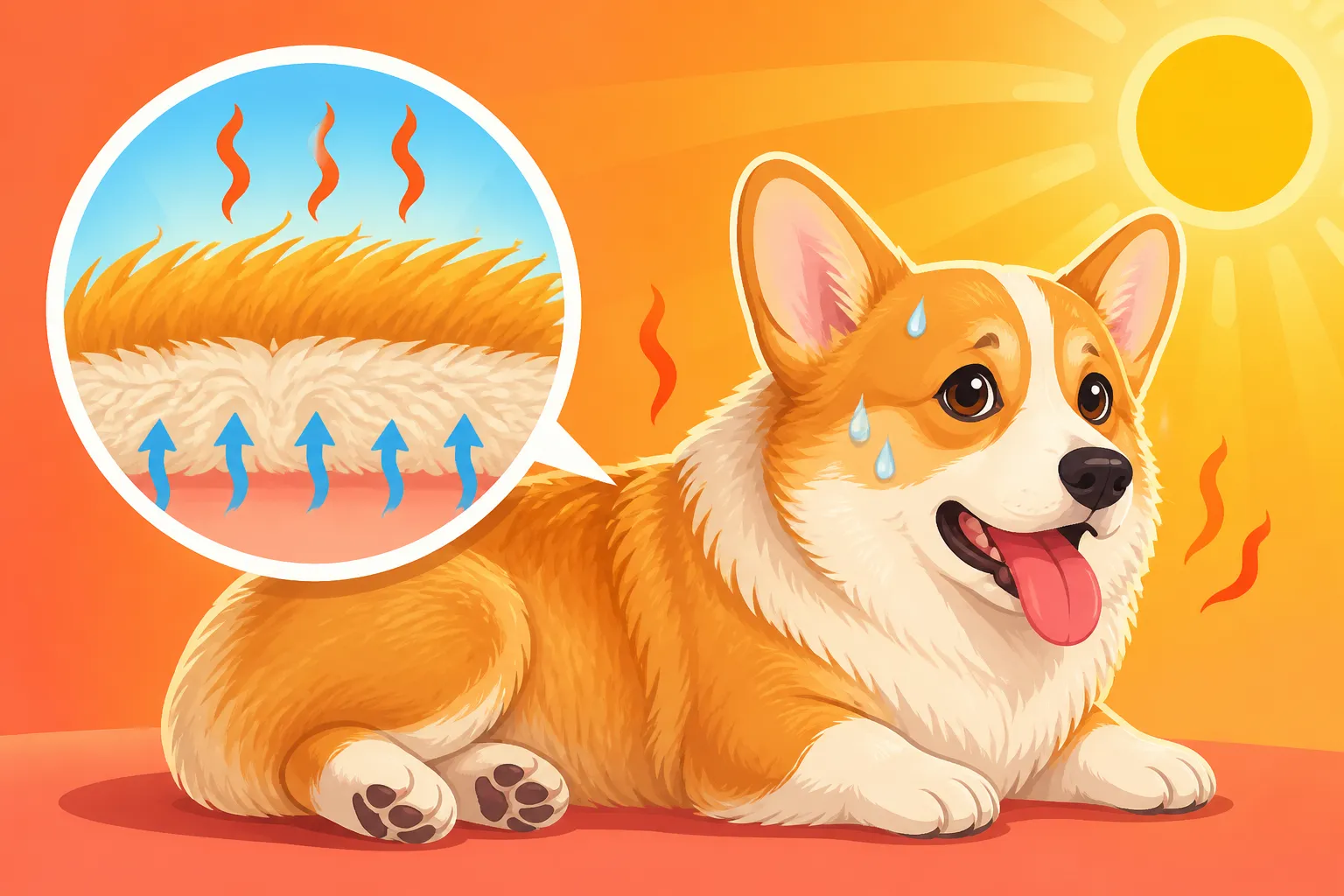
Imagine your Corgi's coat as a perfectly engineered insulation system, a bit like a high-tech thermos. It's comprised of two distinct layers, each with its own vital job. The outer layer, often called the guard coat, consists of longer, coarser hairs. These aren't just for good looks; they repel water, dirt, and UV radiation. They act as a protective barrier, preventing sunburn and keeping moisture from penetrating too deeply. Beneath this protective shield lies the incredibly dense, soft undercoat. This is the real workhorse when it comes to temperature regulation.
In winter, this undercoat traps a layer of warm air close to the body, keeping your Corgi toasty even when snow is flying. In summer, it works in reverse: it helps to keep cool air trapped near the skin, acting as a barrier against the external heat. It’s designed to allow air circulation, creating a natural cooling system. This is why you'll often see them "blowing" their coat in spring and fall, shedding vast amounts of undercoat to prepare for the change in seasons. It's a natural, highly efficient system, but it has its limits, especially when confronted with extreme heat or humidity.
Why Shaving a Corgi is a Bad Idea
It’s an understandable instinct when your Corgi looks hot and bothered: "Maybe if I shave all that hair off, they'll be cooler!" This common misconception, however, can actually do more harm than good and can potentially ruin your Corgi's natural thermal regulation. Think back to that double-layered system we just discussed. When you shave a Corgi, you're not just removing the undercoat; you're also cutting off those protective guard hairs.
Removing the guard hairs exposes your Corgi's delicate skin directly to the sun's harsh UV rays, making them highly susceptible to sunburn, which can be painful and even lead to skin cancer over time. Furthermore, shaving can permanently damage the growth cycles of the undercoat and guard hairs. The undercoat often grows back faster and denser than the guard hairs, leading to a "wool-like" texture that mats easily and actually becomes less efficient at regulating temperature. It can trap heat, rather than allow for proper air circulation, making your Corgi even hotter in the long run. Many Corgi owners find their dog's coat never quite returns to its original condition after being shaved. For a deeper dive into the negative impacts, take a look at our article, "Why a Clipped Corgi Ruins the Coat", and learn "Whether a Corgi Should Be Trimmed in Summer" to ensure you're making the best decisions for their health and comfort.
Recognizing the Early Warning Signs of Overheating in Corgis
Our Corgis are stoic little creatures by nature, and sometimes they try to push through discomfort. As their guardians, it's crucial for us to be hyper-aware of the subtle (and not-so-subtle) cues they give when they're starting to feel the heat. Catching these signs early can prevent a serious emergency.
Subtle Behavioral Changes to Watch For
Often, the first indicators of heat stress are behavioral. Your usually energetic Corgi, who lives for a game of fetch or a bustling walk, might suddenly seem uninterested. If they're typically a vocal dog with lots of interesting commentary, a sudden silence could be a red flag. Look for a decrease in activity level; they might resist playing, walking, or even moving from a cool spot.
They might start seeking out shade or the coolest parts of your home – tile floors, a shady corner in the yard, or even trying to burrow under furniture. Excessive panting, even when not actively exercising, is another common early sign. While panting is how dogs cool themselves, an increase in its intensity, duration, or sound (it might become louder or more labored) suggests their internal cooling system is working overtime. Also, watch for an uncharacteristic increase in drooling. A little drool is normal, but excessive, thick drool can be a sign of rising body temperature.
Physical Indicators of Heat Stress
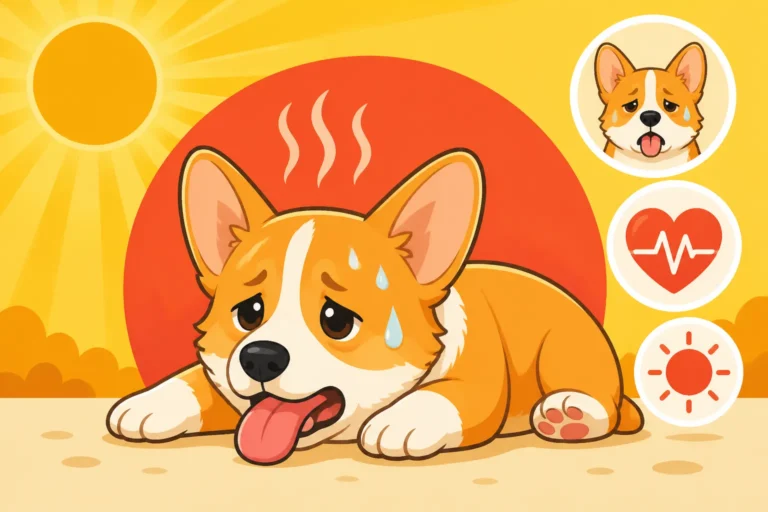
As heat stress progresses, the physical signs become more pronounced and indicate a more serious situation. Beyond the increased panting, you might notice your Corgi's tongue appearing bright red and possibly swollen, along with very red gums. Their breathing will become more rapid and shallow, possibly even ragged. Check their heart rate – place your hand on their chest behind their elbow; if it feels much faster than normal or is thready and weak, it’s a concern.
They might begin to stagger, stumble, or even collapse, indicating neurological distress. Vomiting and diarrhea, sometimes bloody, are also critical signs of heatstroke. Their body temperature will be elevated, though checking this rectally might be too stressful in an emergency. Ultimately, any sign of confusion, disorientation, or unresponsiveness means your Corgi is in severe distress and requires immediate intervention. Understanding "Heat Stroke Signs in a Corgi" is vital for every Corgi owner, as swift action can literally save their life.
Practical Strategies for Keeping Your Corgi Cool and Comfortable
Preventing overheating is always easier and safer than reacting to it. With a little planning and some common-sense adjustments, you can help your Corgi enjoy the warmer months without unnecessary risk. It's all about being proactive and creating an environment where they can thrive.
Timing Walks and Outdoor Activities
This is perhaps the simplest yet most effective strategy. During the hotter parts of the day – typically between 10 AM and 4 PM – the sun is at its strongest, and temperatures are at their peak. For a Corgi, whose body is so close to the ground, this also means they're much more exposed to radiated heat from pavement, asphalt, and concrete. These surfaces can reach scorching temperatures that will quickly burn their paw pads and radiate heat up into their bodies.
Instead, schedule walks and outdoor playtime for the early morning hours, right as the sun is coming up, or later in the evening after the sun has begun to set and the surfaces have had a chance to cool down. Always test the pavement with the back of your hand; if it's too hot for you to hold your hand there for five seconds, it's too hot for your Corgi's paws. Our article on "Whether a Corgi Should Walk on Hot Pavement" provides more detailed advice on protecting those precious paws. And while Corgis are energetic, remember that "How Much Running Is Safe for a Corgi" drastically changes with the temperature, so adjust their activity level accordingly.
Creating a Cool Indoor Environment
Your home should be a sanctuary from the heat for your Corgi. If you have air conditioning, keep it running at a comfortable, cool temperature. Even if you're not home, consider leaving it on a slightly higher, but still cool, setting to prevent your house from becoming an oven. If AC isn't an option, strategically placed fans can help circulate air, though they don't cool the air itself. Make sure fans are placed where your Corgi can feel the breeze but can't accidentally chew on cords.
Utilize cooling mats, which often contain gel that activates with pressure or water. These provide a cool surface for your Corgi to lie on. Keep curtains and blinds closed during the day to block direct sunlight and prevent your home from heating up. Designate a "cool zone" – perhaps a tiled bathroom floor or a shaded area in a room with good airflow – where your Corgi can retreat and relax. Think about what we discuss in "Shade for a Corgi in a Bare Yard" and apply that same principle to their indoor spaces.
Hydration and Cooling Aids
Constant access to fresh, cool water is non-negotiable. Have multiple water bowls around the house and outside, ensuring they are always full. Consider adding a few ice cubes to their water to keep it cool longer. For walks, always carry a portable water bottle and a collapsible bowl specifically for your Corgi. Offer water frequently, even if they don't seem thirsty.
Beyond drinking water, there are several external cooling aids that can make a big difference. Cooling vests or bandanas, which you soak in cold water, can help lower their body temperature through evaporation. Just be sure they don't stay wet and warm, as this can create a breeding ground for skin issues under their dense coat. A shallow kiddie pool filled with a few inches of water in a shady spot in the yard can be a lifesaver; many Corgis love to wade and splash, cooling their bellies and paws. For more specific advice on bringing their temperature down, check out "Cooling a Corgi Down in Hot Weather".
Emergency Protocol: What to Do If Your Corgi Overheats
Despite our best efforts, sometimes Corgis can still overheat. If you suspect your Corgi is experiencing heatstroke, every second counts. Knowing exactly what to do can make the difference between a full recovery and a tragic outcome.
Immediate First Aid Steps
If you notice your Corgi displaying severe signs of overheating, the very first thing to do is get them out of the heat immediately. Move them to the coolest possible environment – air conditioning, a shaded area, or even a bathtub. Begin cooling them down, but gently. Do not immerse them in ice water, as this can cause their blood vessels to constrict, hindering the cooling process and potentially sending them into shock.
Instead, use cool (not ice cold) water. You can wet towels and drape them over your Corgi, focusing on areas with large blood vessels close to the surface, like their armpits, groin, and paw pads. You can also use a garden hose on a gentle setting to wet their coat, or sponge them down. If possible, direct a fan onto them to aid evaporative cooling. Offer small amounts of cool water to drink, but do not force it, as they could aspirate. Continuously monitor their condition, looking for any improvement or worsening of symptoms.
When to Seek Veterinary Attention
Even if your Corgi seems to perk up after initial cooling efforts, a trip to the veterinarian is absolutely crucial. Heatstroke can cause internal organ damage that isn't immediately apparent. The vet can check for complications like kidney damage, blood clotting issues, or brain swelling. They can provide intravenous fluids to rehydrate and stabilize your Corgi, and administer medications to address any internal issues.
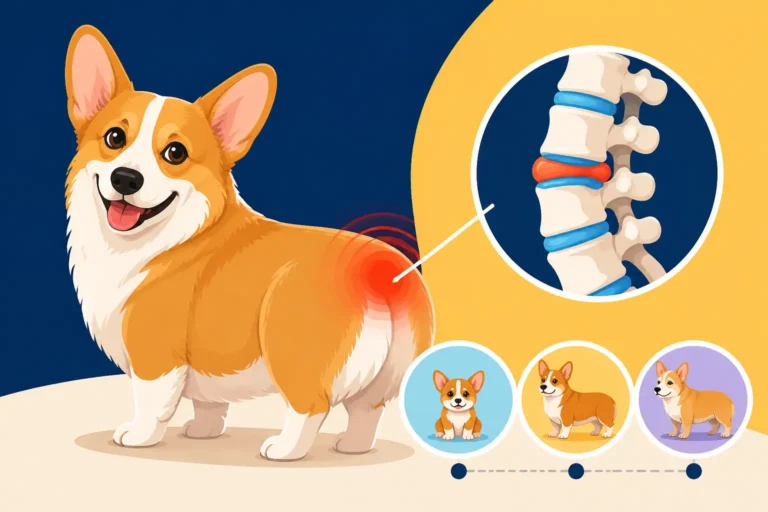
Do not delay in contacting your vet. Call ahead while you are performing initial first aid so they can prepare for your arrival. Be prepared to describe the symptoms you observed and the cooling measures you've taken. Having a trusted pet insurance plan, like one from Healthy Paws, can provide significant peace of mind in these stressful, time-sensitive emergencies, ensuring you can focus on your Corgi's care without added financial strain. Prompt veterinary care is non-negotiable when dealing with suspected heatstroke. This is especially true as Corgis get older, and issues such as "The Corgi Years When the Back End Gives Out" become more prevalent; older Corgis with pre-existing conditions are even more vulnerable to heat. Being financially prepared for unexpected health crises with a good insurance plan, like considering "Insuring a Corgi Before Its First Back Episode", is always a wise decision for Corgi owners.
Common Misconceptions About Corgis and Heat Tolerance
There are a lot of old wives' tales and well-meaning but ultimately harmful pieces of advice floating around when it comes to keeping our dogs cool. Separating fact from fiction is essential for responsible Corgi ownership, especially regarding their unique coat and physiology.
The Myth of the "Summer Clip"
We've touched on this already, but it bears repeating because it's such a persistent misconception. The idea that shaving a Corgi for summer will make them cooler is not only incorrect but actively detrimental. People often visualize themselves feeling cooler after a haircut and apply that logic to their dogs, but a Corgi's double coat functions very differently from human hair.
As discussed, their double coat provides natural insulation against both heat and cold. It creates an air barrier that helps maintain a stable body temperature. Removing it eliminates this protective layer, leaving their skin exposed to sunburn and making it harder for them to regulate their temperature. Instead of clipping, focus on regular grooming to remove loose undercoat, which will allow for better air circulation without compromising their natural defenses. Our in-depth article, "Whether a Corgi's Coat Helps in Summer", elaborates on this, explaining precisely "How a Corgi Handles Hot Weather" with its magnificent natural coat.
Altitude, Humidity, and Other Contributing Factors
Heat isn't the only factor that affects a Corgi's ability to stay cool. Humidity plays an enormous role. Dogs primarily cool themselves by panting, which allows moisture to evaporate from their respiratory tract. When the air is saturated with humidity, this evaporation process is much less efficient, making it harder for your Corgi to dissipate heat, even if the ambient temperature isn't exceptionally high. So, a humid 75°F (24°C) day can be more dangerous than a dry 85°F (29°C) day.
Other factors also increase a Corgi's risk. Their low-to-the-ground stature means they absorb more radiant heat from hot surfaces. Older Corgis, very young puppies, and Corgis with underlying health conditions (like heart disease, respiratory issues, or obesity) are at a significantly higher risk of overheating. Breeds with short muzzles (brachycephalic breeds) are notoriously prone to heatstroke, but while Corgis aren't truly brachycephalic, their longer soft palates can sometimes impede efficient panting. Always consult your vet about your individual Corgi's risk factors, especially if they have any existing health concerns. Companies like Healthy Paws, committed to pet health, often provide resources and information on how various conditions can impact your pet's overall well-being, including their resilience to environmental stressors.
Here’s a quick guide to help you gauge safe activity levels for your Corgi based on temperature:
| Temperature Range (Fahrenheit/Celsius) | Activity Level | Precautions |
|---|---|---|
| Below 60°F / 15°C | Normal | Keep an eye out for cold sensitivity if it's very low, especially for puppies or older dogs. |
| 60-75°F / 15-24°C | Moderate | Monitor for increased panting, ensure constant access to fresh water. Consider shorter walks during the warmest parts of the day. |
| 75-85°F / 24-29°C | Low/Minimal | Short potty breaks only, always in shade. Avoid vigorous exercise. Provide cooling mats and ample water. Check pavement for heat. |
| Above 85°F / 29°C | Extremely Risky | Limit outdoor time to absolute necessities (e.g., quick potty breaks in grass). Keep indoors with AC. Do not exercise. |
Disclaimer
The information provided in this guide is for general informational purposes only and does not constitute veterinary advice. Always consult with a qualified veterinarian for any health concerns or before making any decisions about your Corgi's care.