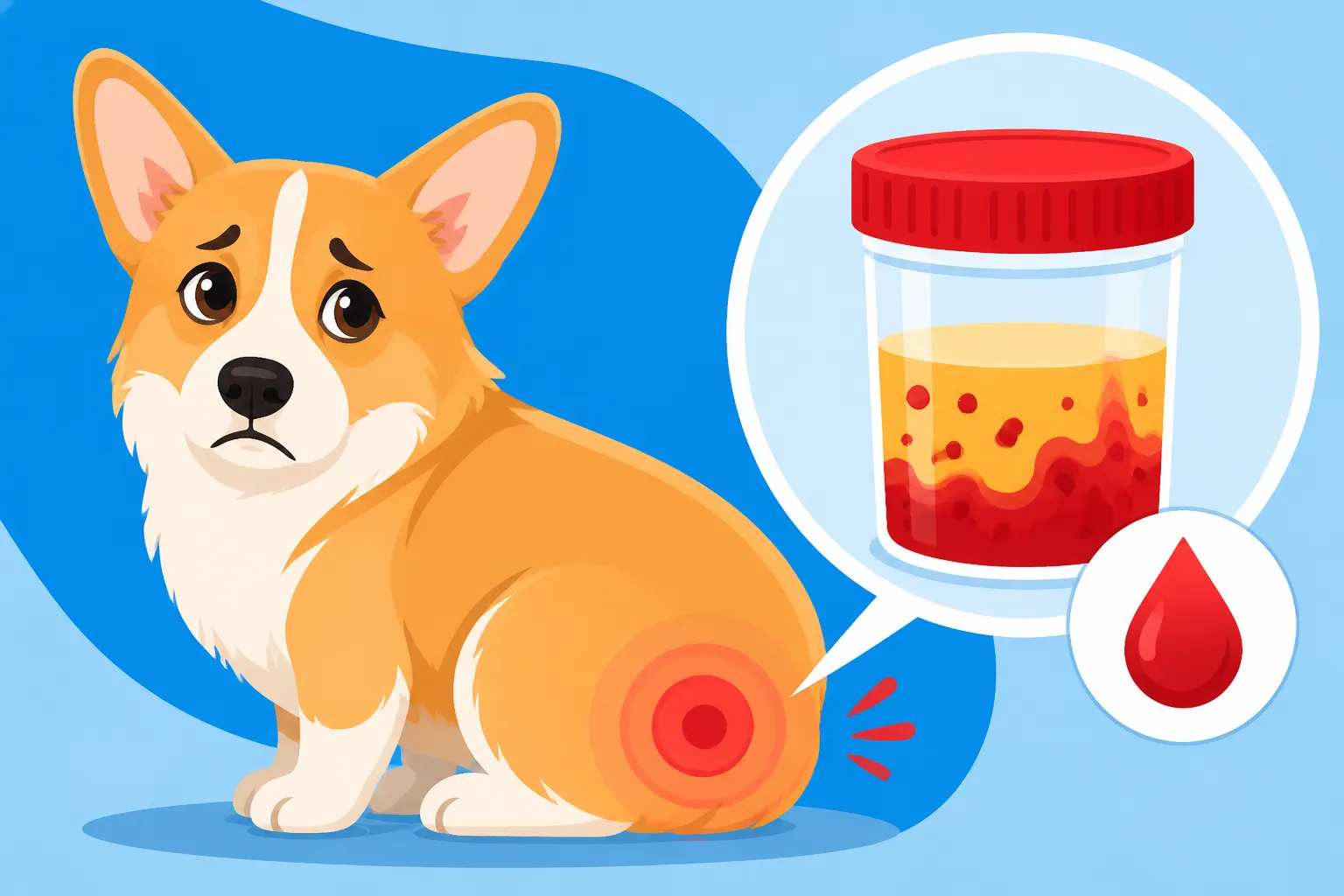
Blood in a Corgi’s Urine
Discovering blood in your beloved Corgi's urine can send a jolt of panic through any pet parent. It's a truly alarming sight, often indicating an underlying health issue that needs your immediate attention and, almost certainly, a trip to the vet. This comprehensive guide is here to walk you through understanding what bloody urine might mean, what steps you should take, and how to best support your Corgi through this worrying symptom.
Identifying Blood in Your Corgi's Urine
It’s natural to feel distressed when you first notice something off about your Corgi's urine. The appearance of blood can range from subtle to quite dramatic, and it’s important to pay close attention to what you’re seeing so you can accurately describe it to your veterinarian. This initial observation is a critical first step in figuring out what might be going on with your furry friend.
What "Blood" Might Look Like
When we talk about blood in urine, or hematuria, it doesn't always mean a vivid, bright red stream. While that certainly happens and is impossible to miss, blood can present in several different ways. You might see urine that is pinkish, indicating a small amount of blood, or perhaps an orange hue. Sometimes, the urine can appear dark red or even brownish, resembling cola. This darker color often suggests that the blood has been present in the urinary tract for a bit longer, giving it time to oxidize.
It's also worth noting when you see the blood. Is it a few drops at the very beginning of urination? Is the entire stream discolored? Or does it only appear at the very end, perhaps as your Corgi finishes? These details can provide valuable clues to your vet about the possible location of the bleeding within the urinary system. For instance, blood at the beginning might suggest an issue in the urethra, while blood at the end could point to the bladder.
Differentiating from Other Reddish Stains
Before jumping to conclusions, it's helpful to consider if what you're seeing could be something other than blood. While less common, certain things can mistakenly appear like blood in the urine. For example, some food dyes in treats or kibble could theoretically alter urine color, though this is rare and usually doesn't present as a stark red. Similarly, certain medications can sometimes change urine coloration.
If you have an unspayed female Corgi, seeing reddish discharge could simply mean she is in heat. However, this is typically accompanied by other signs of estrus, such as swelling of the vulva and attracting male dogs. It's usually quite clear when a female is in heat, but if there's any doubt, or if the bleeding seems to be specifically from urination rather than just discharge, it warrants investigation. If you scoop the urine with a clean container and let it settle, true blood might show red blood cells at the bottom, while other pigments might remain dissolved.
Common Causes of Blood in Corgi Urine (Hematuria)
Seeing blood in your Corgi's urine is always a serious sign, but it doesn't automatically mean the worst. There are a variety of potential causes, ranging from relatively minor to more significant health concerns. Understanding these can help you be better prepared when discussing symptoms with your veterinarian.
Urinary Tract Infections (UTIs)
One of the most frequent culprits behind blood in a Corgi's urine, and really any dog's, is a urinary tract infection. These infections occur when bacteria travel up the urethra and into the bladder, causing inflammation and irritation. Because Corgis are low to the ground, their anatomy can sometimes make them a little more prone to environmental bacteria entering the urinary tract, though UTIs can affect any dog.
Beyond blood in the urine, other classic signs of a UTI in a Corgi include frequent urination, often producing only small amounts each time. You might also notice your Corgi straining to urinate, showing discomfort, or licking at their genital area excessively. The urine itself might have a stronger, more pungent odor than usual. Luckily, UTIs are typically treatable with a course of antibiotics prescribed by your vet after a proper diagnosis, often including a urinalysis and culture. For more information on general urinary health, you might find our guide on Corgi Kidney and Urinary Problems helpful.
Bladder Stones (Urolithiasis)
Another common cause of bloody urine in Corgis is the presence of bladder stones, also known as uroliths. These are mineral deposits that form in the bladder, ranging in size from tiny grains of sand to pebbles several centimeters across. Corgis, especially Pembroke Welsh Corgis, have a higher predisposition to certain types of bladder stones, such as urate stones, due to genetic factors and diet. These can cause irritation and inflammation of the bladder lining, leading to bleeding.
The symptoms of bladder stones often mimic those of a UTI: frequent, painful urination, straining, and, of course, blood in the urine. In some severe cases, a stone can block the urethra, making it impossible for your Corgi to urinate at all, which is a life-threatening emergency. Diagnosis typically involves X-rays or ultrasound, as stones are often visible on these imaging tests. Treatment can range from a special therapeutic diet designed to dissolve certain types of stones, to surgical removal if the stones are too large or numerous. Our article on Why a Corgi Forms Bladder Stones delves deeper into prevention and management of this condition. When facing such unexpected medical costs, having pet insurance like Healthy Paws can truly make a difference, covering eligible diagnostics and treatments for conditions like bladder stones.
Kidney Disease or Infection
While less common than bladder issues, blood originating from the kidneys is a more serious concern. Kidneys play a vital role in filtering waste from the blood and producing urine. An infection in the kidneys (pyelonephritis) or various forms of kidney disease can lead to blood being shed into the urine. This is often accompanied by more systemic signs of illness.
If the kidneys are the source of the bleeding, you might observe not just blood in the urine, but also other symptoms such as increased thirst and urination, lethargy, loss of appetite, vomiting, and weight loss. These signs point to a more generalized illness and require urgent veterinary attention. Diagnosis usually involves blood tests to assess kidney function, a urinalysis, and potentially imaging like ultrasound to visualize the kidneys. For older Corgis, regular Blood Panels for a Corgi Over Ten are crucial for early detection of kidney issues.
Prostate Issues in Male Corgis
For intact (unneutered) male Corgis, prostate problems can be a source of blood in the urine. The prostate gland surrounds the urethra just below the bladder. Common issues include benign prostatic hyperplasia (BPH), where the prostate simply enlarges with age, or more serious conditions like bacterial infections (prostatitis), cysts, or even prostate cancer.
An enlarged or inflamed prostate can press on the urethra, causing straining during urination and defecation. It can also cause blood to appear, often at the beginning or end of urination, or sometimes even mixed with feces. Symptoms might include difficulty urinating, a hunched posture, or discomfort when the rear end is touched. Neutering is often a key treatment for BPH and can significantly reduce the risk of other prostate issues.
Vaginitis or Uterine Issues in Female Corgis
Female Corgis, especially unspayed ones, can experience blood in their urine due to issues related to their reproductive tract. Vaginitis, an inflammation of the vagina, can cause discharge that might be mistaken for blood in the urine or cause actual bleeding into the urine if it’s severe enough to affect the urethra.
A far more serious condition is pyometra, a life-threatening infection of the uterus that can occur in unspayed females. In pyometra, the uterus fills with pus, and if the cervix is open, you might see pus or bloody discharge from the vulva. If the cervix is closed, the pus accumulates internally, leading to severe illness, fever, lethargy, increased thirst, and vomiting. While the discharge isn't strictly urine, it can be confused with it and warrants immediate emergency veterinary care. This condition underscores the importance of prompt vet attention for any unusual bleeding in unspayed females.
Trauma or Injury
While less common, physical trauma or injury can lead to blood in a Corgi's urine. This could be due to an accident, like being hit by a car, a fall, or any blunt force trauma to the abdomen or pelvic region that damages the bladder, kidneys, or urethra. Even seemingly minor incidents can sometimes cause internal bruising or damage that leads to bleeding.
If your Corgi has recently experienced an accident or fall and subsequently develops bloody urine, it's crucial to seek veterinary care immediately, even if they appear otherwise fine. Internal injuries aren't always immediately obvious, and your vet will need to perform a thorough examination, possibly including imaging, to assess for any internal damage.
Bleeding Disorders
In some cases, the presence of blood in the urine isn't due to a specific urinary tract issue but rather a more generalized problem with the dog's ability to clot blood. Certain breeds, including Pembroke Welsh Corgis, can be predisposed to genetic bleeding disorders. Von Willebrand disease is one such condition that can affect clotting throughout the body, making a dog prone to excessive bleeding from minor injuries or even spontaneous bleeding.
If your Corgi has a known bleeding disorder, or if your vet suspects one based on other signs of bleeding (like nosebleeds, bruising, or prolonged bleeding from minor cuts), they will likely recommend specific tests to evaluate clotting function. This is especially critical before any surgical procedures. You can learn more about this by reading our articles on The Bleeding Disorder Pembrokes Carry and Bleeding Signs in a Corgi. A comprehensive pet insurance plan, such as one from Healthy Paws, can be invaluable if your Corgi is diagnosed with a chronic genetic condition that requires ongoing management or if they experience sudden, severe bleeding episodes.
Cancer of the Urinary Tract
Sadly, cancer can also be a cause of blood in a Corgi's urine, particularly in older dogs. The most common urinary tract cancer in dogs is transitional cell carcinoma (TCC) of the bladder. These tumors can irritate the bladder lining, leading to inflammation and bleeding. TCC can be particularly insidious because its early symptoms often mimic those of a common UTI.
If your older Corgi is experiencing recurrent UTIs that don't seem to clear up completely with antibiotics, or if they have persistent blood in their urine, your vet might recommend further investigation for TCC. This could involve special urine tests, ultrasound, or even biopsies. The prognosis for TCC varies depending on the stage and location of the tumor, but early detection is key. Our guide on Whether Corgis Get Cancer Often provides broader context on cancer in the breed, and for insights into the unique challenges of senior pet care, you might consider reading What Changes in a Corgi's Care After Ten.
Here's a quick overview of some common causes and their distinguishing factors:
| Cause | Key Symptoms (beyond blood in urine) | Urgency Level | Typical Treatment |
|---|---|---|---|
| Urinary Tract Infection | Frequent, small urinations; straining; licking genitals; strong urine odor | Moderate | Antibiotics |
| Bladder Stones | Frequent, painful urination; straining; recurrent UTIs; possible blockage | High | Diet change, surgery (cystotomy) |
| Kidney Infection/Disease | Increased thirst/urination; lethargy; vomiting; appetite loss | High | Antibiotics, supportive care |
| Prostate Issues (Males) | Straining to urinate/defecate; discomfort; often in unneutered males | Moderate | Neutering, antibiotics |
| Vaginitis/Pyometra (Females) | Vulval discharge (pus/blood); lethargy, fever (pyometra); increased thirst | Moderate/High | Antibiotics, spay (pyometra) |
| Trauma/Injury | History of accident/fall; pain in abdomen | High | Rest, pain relief, surgery |
| Bleeding Disorder | Bruising, nosebleeds, prolonged bleeding from minor cuts, usually systemic | High | Supportive care, transfusions |
| Urinary Tract Cancer | Persistent/recurrent blood in urine; straining; often in older dogs; mimics UTI | High | Surgery, chemotherapy, palliative care |
What to Do When You See Blood in Your Corgi's Urine
Finding blood in your Corgi's urine is understandably frightening, but it's important to remain calm and take a few critical steps. Your quick actions and observations can provide invaluable information to your veterinarian, helping them reach an accurate diagnosis more efficiently.
Immediate Steps and Observation
The very first thing you should do is try to remain calm. Panicking won't help your Corgi, but clear, precise observation will. Grab your phone and start taking notes. When did you first notice the blood? What color is it? Is it just a few drops, or is the entire urine stream discolored? Does it appear at the beginning, middle, or end of urination? Does your Corgi seem to be in pain, straining, or urinating more frequently than usual? Any other symptoms, like lethargy, decreased appetite, or vomiting, are also crucial to note.
If possible and safe to do so, try to collect a urine sample. A clean, shallow container (like a disposable aluminum pie pan or a clean plastic container) can be held under your Corgi while they urinate. Aim for a "mid-stream" sample if you can, meaning you catch the urine after the first few drops, as this is often the most representative. Store the sample in the refrigerator and bring it with you to the vet. This fresh sample is incredibly valuable for a urinalysis, a key diagnostic tool.
When to Seek Urgent Veterinary Care
While all instances of blood in urine warrant veterinary attention, some situations are more urgent than others. You should seek immediate, emergency veterinary care if you observe any of the following:
- Significant amount of blood: If the urine is consistently bright red or dark, port-wine colored, indicating substantial bleeding.
- Signs of pain or distress: Whining, crying out, hunching, or showing obvious discomfort while attempting to urinate.
- Straining without producing urine: This is a critical emergency, as it could mean a complete blockage of the urethra, which can quickly become life-threatening, especially in males.
- Lethargy, weakness, or collapse: These are signs of systemic illness that needs immediate assessment.
- Fever or vomiting: These also point to a more serious underlying condition.
Don't hesitate if you see any of these signs. Get to an emergency vet clinic right away. In moments like these, the financial burden of unexpected veterinary care can add to your stress. This is where having comprehensive pet insurance, such as Healthy Paws, can be a huge relief, covering eligible emergency diagnostics and treatments. Thinking ahead with financial preparedness is always a good idea for Corgi owners, especially since they can be prone to specific health concerns.
What to Expect at the Vet
When you arrive at the vet, be prepared to provide a detailed history of your Corgi's symptoms, including everything you've observed and noted down. The vet will likely start with a thorough physical examination, palpating your Corgi's abdomen to check the bladder, kidneys, and prostate (in males). They'll also check for any signs of pain or tenderness.
The next crucial step is usually a urinalysis. If you brought a sample, great! If not, the vet might perform a cystocentesis, which is a sterile way to collect urine directly from the bladder using a needle and syringe. This avoids contamination from the urethra and external environment. The urinalysis will check for the presence of blood cells, bacteria, crystals, and other abnormalities. A urine culture and sensitivity may also be performed to identify specific bacteria causing an infection and determine which antibiotics will be most effective.
Depending on the initial findings, your vet may recommend further diagnostic tests:
- Blood tests: A complete blood count (CBC) can check for infection or anemia, while a chemistry panel can assess kidney function and overall organ health. Our article on Pre-Anesthetic Testing on a Corgi That Bleeds highlights the importance of blood tests in different medical contexts.
- Imaging: X-rays are excellent for detecting certain types of bladder stones or prostate enlargement. An ultrasound might be performed to get a more detailed view of the bladder wall, kidneys, prostate, and other abdominal organs, looking for tumors, cysts, or other abnormalities that wouldn't show up on an X-ray.
- Advanced diagnostics: In some complex cases, a specialist may recommend endoscopy (inserting a tiny camera into the urethra and bladder) or even biopsies for a definitive diagnosis, especially if cancer is suspected.
Each of these steps helps the veterinary team piece together the puzzle and pinpoint the exact cause of the bleeding, which is essential for effective treatment.
Treatment Options and Prognosis
Once your veterinarian has thoroughly investigated the cause of the blood in your Corgi's urine, they will be able to recommend a specific treatment plan. It's crucial to follow their instructions carefully to ensure the best possible outcome for your furry friend.
Tailoring Treatment to the Diagnosis
The treatment approach will entirely depend on the underlying diagnosis. This is why thorough diagnostics are so important – you can't treat effectively without knowing what you're up against.
- For Urinary Tract Infections (UTIs): The most common treatment is a course of antibiotics. Your vet will prescribe the appropriate medication, usually for a period of 10 to 14 days, and sometimes longer. It's vital to complete the entire course of antibiotics, even if your Corgi seems to be feeling better, to prevent the infection from recurring. Pain relief medication might also be given to ease discomfort.
- For Bladder Stones: Treatment can vary. Some types of stones, like struvite stones, can sometimes be dissolved through a prescription diet that alters the urine pH and composition. Other types, such as oxalate or urate stones (which Corgis are genetically prone to, as discussed in Renal Telangiectasia in a Pembroke), often require surgical removal. This procedure, called a cystotomy, involves opening the bladder to remove the stones. Post-surgery, special diets might be continued to prevent recurrence.
- For Kidney Disease or Infection: Treatment for kidney infections involves antibiotics, often for a longer duration than bladder infections, and supportive care like intravenous fluids if your Corgi is dehydrated or very ill. For chronic kidney disease, management focuses on specialized kidney diets, medications to control symptoms, and regular monitoring of kidney function.
- For Prostate Issues: If your intact male Corgi has benign prostatic hyperplasia (BPH), neutering is often the most effective treatment, as it reduces the size of the prostate. Infections (prostatitis) require antibiotics, and cysts might need to be drained.
- For Vaginitis or Uterine Issues: Vaginitis is typically treated with antibiotics or topical medications. Pyometra, being a life-threatening uterine infection, almost always requires emergency surgical removal of the infected uterus (spay) along with aggressive supportive care, including IV fluids and antibiotics.
- For Trauma or Injury: Treatment will depend on the extent and location of the internal damage. This could range from strict rest and pain management to surgical repair of a ruptured bladder or other injured organs.
- For Bleeding Disorders: Management of bleeding disorders often involves supportive care, such as transfusions of plasma or whole blood, to provide clotting factors when a bleeding episode occurs. Specific medications may also be used to enhance clotting. Knowing your Corgi's status for genetic bleeding disorders, as outlined in The Bleeding Disorder Pembrokes Carry, is crucial for preventative care.
- For Cancer of the Urinary Tract: Treatment for urinary tract cancer can be complex and may involve surgery, chemotherapy, radiation therapy, or palliative care to manage symptoms and improve quality of life. The specific approach will depend on the type of cancer, its size, location, and whether it has spread. Pet insurance providers like Healthy Paws can be a significant help here, as they often cover eligible cancer treatments, including chemotherapy and surgery, which can be very expensive.
Managing Discomfort and Recovery
Regardless of the specific diagnosis, managing your Corgi's pain and discomfort is a priority. Your vet will likely prescribe pain relievers and anti-inflammatory medications. Ensuring your Corgi has a quiet, comfortable place to rest, away from household commotion, is essential for recovery.
Encouraging water intake is also vital, especially for urinary issues, as it helps flush the system. Always ensure fresh, clean water is available. You might even consider adding a little low-sodium chicken broth to their water to entice them to drink more. During recovery, especially from surgery or severe illness, your Corgi might need a special diet or a temporary reduction in activity. Follow your vet's instructions precisely regarding exercise restrictions, medication schedules, and follow-up appointments.
Preventing Future Episodes
While not all causes of bloody urine are entirely preventable, there are several steps you can take to minimize the risk of recurrence and promote overall urinary tract health for your Corgi:
- Proper Hydration: Always ensure your Corgi has access to fresh, clean water. Good hydration helps keep the urinary system flushed and can reduce the concentration of minerals that form stones.
- Appropriate Diet: Feed a high-quality, balanced diet suitable for your Corgi's age and activity level. If your Corgi has a history of bladder stones, your vet might recommend a specific prescription diet designed to prevent their formation.
- Regular Potty Breaks: Allow your Corgi frequent opportunities to urinate. Holding urine for too long can contribute to UTIs.
- Weight Management: Keeping your Corgi at a healthy weight reduces overall stress on their body, including the urinary system. An overweight Corgi might have more difficulty cleaning themselves, potentially leading to increased bacteria.
- Regular Veterinary Check-ups: Routine annual or semi-annual vet visits, especially as your Corgi ages, are crucial for early detection of potential problems. Your vet can perform urinalyses and blood tests that might catch issues before they become severe.
By being observant, acting quickly, and working closely with your veterinarian, you can navigate the challenge of blood in your Corgi's urine and help them on the path to recovery and long-term health.
Disclaimer
The information provided in this article is for general informational purposes only and is not a substitute for professional veterinary advice, diagnosis, or treatment. Always seek the advice of your veterinarian or other qualified animal health provider with any questions you may have regarding a medical condition. Never disregard professional veterinary advice or delay in seeking it because of something you have read in this article.