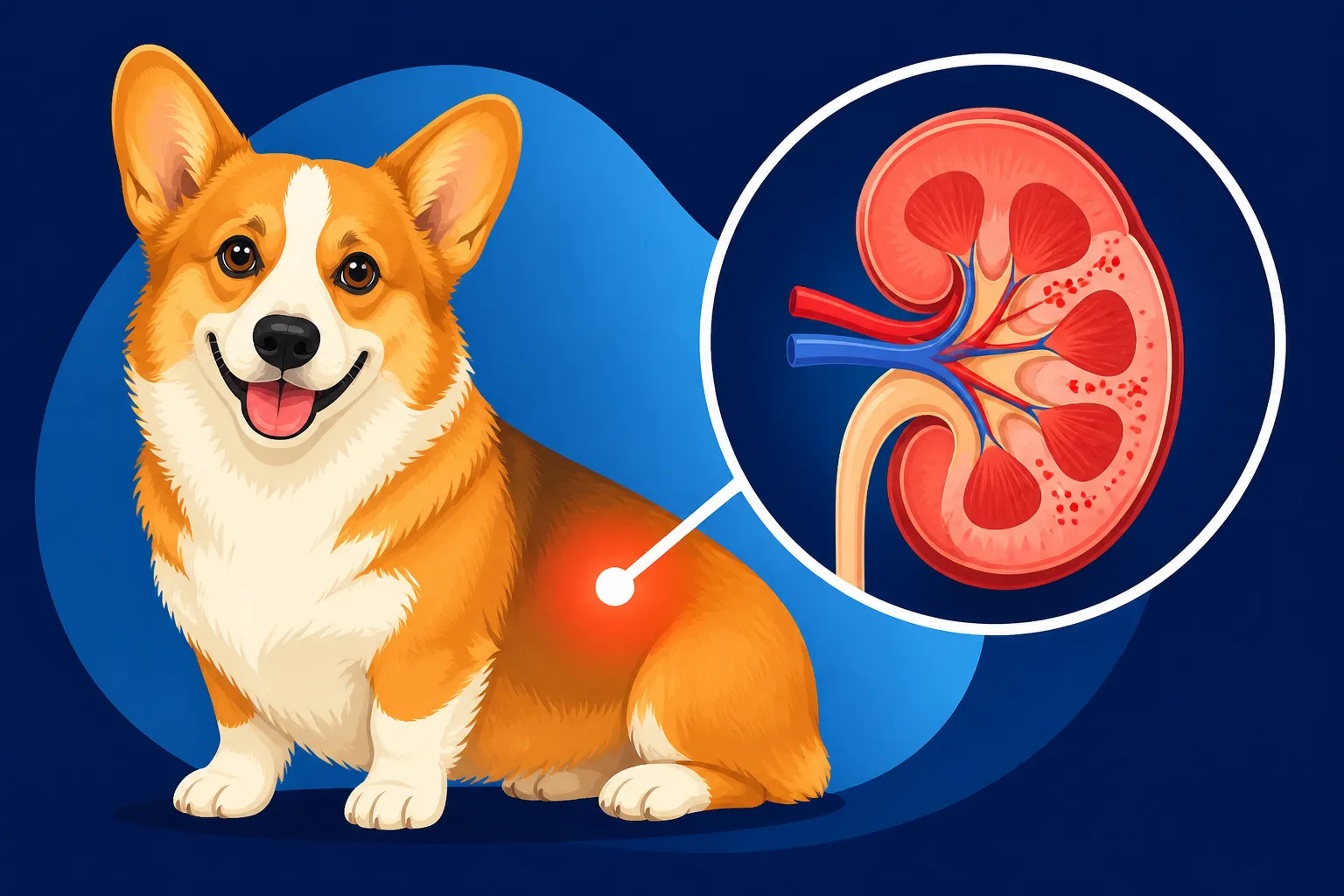
Renal Telangiectasia in a Pembroke
Finding blood in your beloved Corgi's urine, or receiving news about potential kidney issues, can be incredibly distressing and confusing for any pet parent. For those with a Pembroke Welsh Corgi, one specific, often misunderstood, hereditary condition that can cause such worries is Renal Telangiectasia. This comprehensive guide will peel back the layers on Renal Telangiectasia, exploring its genetic roots, how it manifests, diagnostic pathways, and the best approaches to management, empowering you to navigate this challenge with confidence and compassion for your furry family member.
Understanding Renal Telangiectasia in Pembrokes
Renal Telangiectasia (RT) might sound like a mouthful, but understanding what it means is the first step toward managing it. This condition is a specific type of kidney abnormality that predominantly affects Pembroke Welsh Corgis due to a genetic predisposition. It’s not something they "catch" but rather something they are born with.
What is Renal Telangiectasia?
At its core, Renal Telangiectasia is characterized by the presence of abnormally dilated (widened) blood vessels, specifically capillaries, within the kidneys. These delicate blood vessels, normally responsible for filtering waste from the blood, become fragile and prone to rupture. Imagine a tiny, intricate network of pipes designed to handle precise pressure, but some of those pipes are weak and ballooned out. When these weak vessels rupture, blood leaks into the urine, which is why owners often notice hematuria (blood in urine). The condition is often bilateral, meaning it affects both kidneys, though the severity can vary. It’s not necessarily a progressive kidney disease in the traditional sense, where kidney function steadily declines, but rather a structural defect that can cause intermittent bleeding episodes.
Pembroke's Genetic Predisposition
The reason we talk about Renal Telangiectasia so specifically with Pembroke Welsh Corgis is because it's a known inherited condition within the breed. Researchers have identified a specific genetic mutation responsible for RT in Pembrokes. This means that if a Corgi inherits two copies of this mutated gene (one from each parent), they will be affected by the condition. Dogs that inherit only one copy are considered carriers and typically do not show symptoms themselves, but they can pass the gene on to their offspring. This makes genetic testing incredibly important for responsible breeding practices to avoid propagating the condition. Understanding why the Corgi's back is built the way it is often leads to questions about other unique breed traits, and unfortunately, genetic predispositions like RT are another aspect of breed-specific health to be aware of.
How it Differs from Other Kidney Issues
It's easy for Corgi owners to panic when they see blood in the urine, immediately thinking the worst. However, it's crucial to understand that RT is distinct from other common kidney and urinary tract problems that can plague dogs, including Corgis. For instance, urinary tract infections (UTIs) are caused by bacteria and lead to inflammation, frequent urination, and sometimes blood. Bladder stones, which Corgis can also be prone to, are mineral formations that irritate the bladder lining, causing pain and bleeding. Kidney disease (renal failure) involves a gradual loss of kidney function over time, leading to waste product buildup.
RT, on the other hand, is a structural anomaly of the blood vessels. While it can cause blood in the urine, it doesn't necessarily mean the kidneys are failing to filter waste effectively, at least not initially. The bleeding is often sporadic, and the dog might seem perfectly fine between episodes. However, chronic blood loss can lead to anemia, and severe bleeding could, in rare cases, compromise kidney function over time. It's a subtle but important distinction that a veterinarian will consider when diagnosing your Corgi's symptoms. This highlights why understanding the full spectrum of Corgi Kidney and Urinary Problems is so vital.
Recognizing the Signs and Symptoms
Identifying the subtle cues that something isn't quite right with your Corgi is part of being a diligent pet parent. With Renal Telangiectasia, the symptoms can sometimes be vague or intermittent, making them tricky to pinpoint.
Common Clinical Manifestations
The most hallmark sign of Renal Telangiectasia is hematuria, or blood in the urine. This can manifest in several ways:
- Red or pink-tinged urine: This is often the first thing owners notice. It might be consistent or appear only after exercise or stress.
- Blood clots in the urine: In more severe bleeding episodes, you might see small, dark clots.
- Increased frequency of urination: Your Corgi might feel the urge to urinate more often due to irritation or the presence of blood.
- Straining to urinate (stranguria): Although less common than with a UTI or bladder stones, some Corgis might strain, thinking they need to pass more urine.
- Lethargy or weakness: If the bleeding is significant and persistent, it can lead to anemia, causing your Corgi to appear tired, weak, or less enthusiastic about their usual activities.
- Pale gums: Another sign of anemia, which might be noticeable if your Corgi has been bleeding internally.
- Abdominal pain: While not always present, some dogs might show discomfort in their abdominal area, becoming sensitive to touch.
It's crucial to remember that these signs can come and go. A Corgi might have a few days of bloody urine, then return to normal for weeks or months, only for the symptoms to reappear. This intermittent nature can make diagnosis challenging. If you notice any Blood from a Corgi's Nose or Gums, that would indicate a different bleeding disorder, not related to RT.
When to Seek Veterinary Attention
Anytime you observe blood in your Corgi's urine, it warrants a visit to the veterinarian. Even if it resolves quickly, it's a sign that something is amiss. Don't wait for it to become severe or for your dog to appear obviously ill. Early intervention and diagnosis are always best. If you notice a sudden increase in the volume of urine or if your Corgi is constantly thirsty, which might indicate A Corgi Drinking and Urinating More With Age, these are also reasons to see the vet, as they could point to broader kidney issues or even diabetes.
Furthermore, if your Corgi seems to be in pain, is excessively lethargic, or you observe significant changes in their eating or drinking habits, these are emergency signs. While RT is not typically life-threatening in the immediate sense, severe bleeding can cause complications. A proactive approach is key, and having a good pet insurance plan, perhaps from a provider like Healthy Paws, can make the decision to seek immediate veterinary care less stressful, especially when facing unexpected diagnostics.
The Importance of Early Detection
While Renal Telangiectasia doesn't have a cure, early detection is incredibly important for managing the condition and ensuring your Corgi maintains a good quality of life. Knowing your Corgi has RT allows your vet to:
- Monitor kidney health: Regular check-ups, urinalysis, and blood work can track kidney function and catch any potential complications early.
- Implement supportive care: You can work with your vet to manage symptoms, such as dietary adjustments, medications to reduce inflammation, or control blood pressure.
- Prevent secondary issues: Chronic blood loss can be managed, and steps can be taken to prevent secondary infections that might exploit a compromised urinary system.
- Plan for the future: Understanding the condition helps you make informed decisions about your Corgi's exercise, diet, and overall lifestyle, tailoring their care to their specific needs.
Without early detection, episodic bleeding might be misdiagnosed or attributed to other, less serious causes, delaying appropriate management. This is why thorough diagnostic work-ups are so crucial when symptoms arise.
Diagnosis and Management of Renal Telangiectasia
When faced with potential kidney issues in your Corgi, a clear diagnostic path is essential. Once a diagnosis of Renal Telangiectasia is confirmed, the focus shifts to comprehensive management and supportive care.
Diagnostic Procedures
Diagnosing Renal Telangiectasia typically involves a combination of tests, with genetic testing playing a pivotal role for Pembrokes.
- Veterinary Examination: Your vet will perform a thorough physical exam, taking note of your Corgi's general health, gum color, and any signs of discomfort.
- Urinalysis: This is a basic but critical test to confirm the presence of blood in the urine, check for infection (which RT itself doesn't cause but can lead to secondary issues), and assess urine concentration.
- Blood Tests: A complete blood count (CBC) can reveal anemia due to chronic blood loss. A biochemistry panel assesses kidney function, though, as mentioned, RT doesn't always immediately impair filtration.
- Imaging:
- Ultrasound: This is often the most useful imaging technique for RT. A veterinary radiologist can use ultrasound to visualize the kidneys, identify any structural abnormalities, and sometimes even see the dilated blood vessels. It helps rule out other causes of hematuria like kidney stones, bladder stones, or tumors.
- X-rays: Less useful for RT itself but can help identify bladder stones.
- Genetic Testing: For Pembroke Welsh Corgis, a specific DNA test is available to identify the mutation associated with Renal Telangiectasia. This test is non-invasive, usually requiring a simple cheek swab. A positive result in an symptomatic Corgi can definitively confirm the diagnosis and distinguish it from other conditions. This is one of The DNA Tests a Corgi Breeder Should Run, and it's also relevant for owners of Corgi puppies to understand their dog's genetic health. Which Labs Run the Corgi DM Test is often a question Corgi owners have, and similar labs often offer the RT test too.
The diagnostic journey can sometimes be a bit of a maze, especially with intermittent symptoms. But with a comprehensive approach, your vet can get to the bottom of it. Remember, managing the costs of such thorough diagnostics can be eased by a robust pet insurance policy, like those offered by Healthy Paws, which can cover unexpected vet bills.
Treatment and Supportive Care Options
Since Renal Telangiectasia is a genetic structural defect, there is no cure to "fix" the dilated blood vessels. Instead, management focuses on supportive care to minimize bleeding, prevent complications, and maintain your Corgi's comfort and quality of life.
- Minimize Stress and Overexertion: Strenuous activity or sudden impacts can potentially increase the risk of vessel rupture. While a Corgi needs regular exercise, avoiding excessively rough play, high jumps, or intense agility training might be recommended, especially if they've had recent bleeding episodes. Think about your Corgi's activity level and perhaps adjust it to be more controlled.
- Dietary Management: A high-quality, balanced diet is crucial. If kidney function begins to decline due to complications, your vet might recommend a prescription renal diet to reduce the workload on the kidneys. Maintaining a healthy weight is also paramount, as What Extra Weight Does to a Corgi Spine applies equally to general organ health.
- Hydration: Ensuring your Corgi has constant access to fresh water is vital. Good hydration helps to flush the urinary system and can dilute the urine, potentially making it less irritating.
- Monitoring and Treating Secondary Infections: Corgis with RT might be more prone to urinary tract infections. Your vet will advise on regular urinalysis to check for infections, which can then be treated promptly with antibiotics.
- Blood Pressure Control: High blood pressure can put added strain on fragile kidney vessels. If your Corgi develops hypertension, medication might be prescribed to manage it.
- Pain Management: If your Corgi experiences discomfort during bleeding episodes, your vet might prescribe anti-inflammatory medications or other pain relievers.
- Supplements: While not a cure, some vets might suggest supplements that support kidney health or help strengthen capillaries, though scientific evidence for their efficacy in RT is limited. Always discuss any supplements with your vet first.
The specific treatment plan will be tailored to your Corgi's individual symptoms, the severity of their condition, and overall health.
Living with Renal Telangiectasia
Living with a Corgi diagnosed with Renal Telangiectasia means embracing a proactive and observant approach to their care.
- Prognosis: The prognosis for Corgis with RT can vary greatly. Many affected dogs can live long, relatively normal lives with careful management, experiencing only intermittent, mild bleeding. Others might have more severe or frequent episodes, potentially leading to anemia or, in rare cases, kidney compromise over time. It's not typically a rapidly progressive, fatal disease like some other kidney conditions.
- Quality of Life: The goal is always to maintain an excellent quality of life. This means staying on top of veterinary check-ups, monitoring for symptoms, and adjusting their routine as needed. Regular Vet Visits a Corgi Puppy Needs First, should ideally include discussions about genetic predispositions like RT, especially if the puppy's parents weren't tested.
- Regular Veterinary Check-ups: Expect more frequent visits for monitoring, especially if your Corgi has active symptoms. These visits will typically include urinalysis, blood work, and blood pressure checks.
- Home Monitoring: Keep a close eye on your Corgi's urination habits, the appearance of their urine, their energy levels, and appetite. Any changes should be reported to your vet.
- Emotional Support: It's normal to feel anxious, but remember your Corgi thrives on your calm and consistent care. Focus on what you can control – their daily care, diet, and veterinary attention.
By understanding the condition and working closely with your veterinarian, you can ensure your Pembroke Welsh Corgi enjoys the happiest and healthiest life possible, even with a diagnosis of Renal Telangiectasia.
Breeding Considerations and Prevention
Understanding Renal Telangiectasia is particularly crucial for Corgi breeders and anyone considering adding a Pembroke Welsh Corgi to their family. Since this is a genetic condition, responsible breeding practices are the cornerstone of prevention.
Genetic Testing and Responsible Breeding
The most powerful tool against Renal Telangiectasia is genetic testing. For Pembroke Welsh Corgis, a DNA test is available that can identify dogs carrying the specific mutation associated with RT.
- Identifying Affected Dogs: This test can confirm if a dog is homozygous for the mutation (i.e., has two copies of the gene), meaning they are genetically affected and will likely develop or already have the condition.
- Identifying Carriers: The test also identifies heterozygous dogs (i.e., has one copy of the gene), who are carriers. Carriers typically do not show symptoms of RT themselves but can pass the mutated gene to their offspring.
- Responsible Breeding Decisions: Reputable breeders should absolutely be testing their breeding stock for RT. The goal is to avoid breeding two carriers together, as this pairing can produce affected puppies. Ideally, breeders aim to breed "clear" dogs (those without any copies of the mutated gene) or to breed a carrier with a clear dog. This ensures no affected puppies are produced, even if some puppies might be carriers themselves. This careful screening process significantly helps in How Breeders Cut the Corgi DM Rate, and similar principles apply to other genetic conditions like RT. If you're looking for a Corgi puppy, always ask the breeder for genetic health clearances for both parents, including for RT.
Implications for At-Risk and Affected Dogs
If a Corgi tests as an affected individual, meaning they have two copies of the mutated gene, they should not be used for breeding. While their individual life quality can often be managed, passing on a genetic disease is irresponsible. Carriers (dogs with one copy of the gene) present a more nuanced situation. While they can be bred, they must only be paired with a clear-tested mate to ensure no affected puppies are born. However, many breeders prefer to breed only clear-to-clear to slowly eliminate the gene from their lines entirely. This careful selection helps preserve the health of the breed.
When considering Whether an At-Risk Corgi Should Be Bred for conditions like Degenerative Myelopathy, the same ethical considerations apply to Renal Telangiectasia. The long-term health and well-being of future generations of Corgis should always be the priority.
The Future of Managing the Condition
Ongoing research in canine genetics continues to shed light on inherited conditions like Renal Telangiectasia. As more breeders commit to genetic testing and make informed decisions, the prevalence of RT within the Pembroke Welsh Corgi population can be significantly reduced over time. Initiatives by breed clubs and veterinary geneticists aim to:
- Increase Awareness: Educating current and prospective Corgi owners about RT and the importance of testing.
- Expand Testing Accessibility: Making genetic tests widely available and affordable.
- Support Research: Funding studies that might lead to better management strategies or even therapeutic interventions in the future.
The collective effort of breeders, veterinarians, and Corgi owners is vital in safeguarding the health of this beloved breed. By being informed and proactive, we can ensure a healthier future for our charming, low-riding companions.
Comparative Overview of Urinary Symptoms in Corgis
When you observe symptoms like blood in the urine, it's natural to wonder about the cause. This table provides a quick comparison of common urinary issues in Corgis, including Renal Telangiectasia, to help you understand potential differences. However, always consult your veterinarian for an accurate diagnosis.
| Symptom/Condition | Renal Telangiectasia (RT) | Urinary Tract Infection (UTI) | Bladder Stones (Urolithiasis) |
|---|---|---|---|
| Primary Cause | Genetic structural defect in kidney blood vessels | Bacterial infection in urinary tract | Mineral accumulation in bladder/kidneys |
| Blood in Urine | Common, often intermittent, especially after activity | Common, may be microscopic or visible | Common, due to irritation/abrasion |
| Pain/Straining | Possible during severe bleeding, less common | Common (stranguria), urgency to urinate | Very common (stranguria), painful urination |
| Increased Frequency | Possible due to irritation | Very common | Common |
| Lethargy/Weakness | Possible with significant blood loss (anemia) | Possible if severe or systemic | Possible if severe or obstructing |
| Fever | No | Possible, especially if kidney involvement | No |
| Diagnostic Tools | Genetic test, ultrasound, urinalysis, blood tests | Urinalysis (culture), sometimes ultrasound | X-rays, ultrasound, urinalysis |
| Treatment Approach | Supportive care, symptom management, hydration | Antibiotics | Diet change, medication, surgery (depending on type) |
Disclaimer
The information provided in this guide is for informational purposes only and is not intended to be a substitute for professional veterinary advice, diagnosis, or treatment. Always seek the advice of your veterinarian or other qualified animal health provider with any questions you may have regarding a medical condition or the health and welfare of your Corgi. Never disregard professional veterinary advice or delay in seeking it because of something you have read here.