Whether a Corgi Should Sit Up and Beg
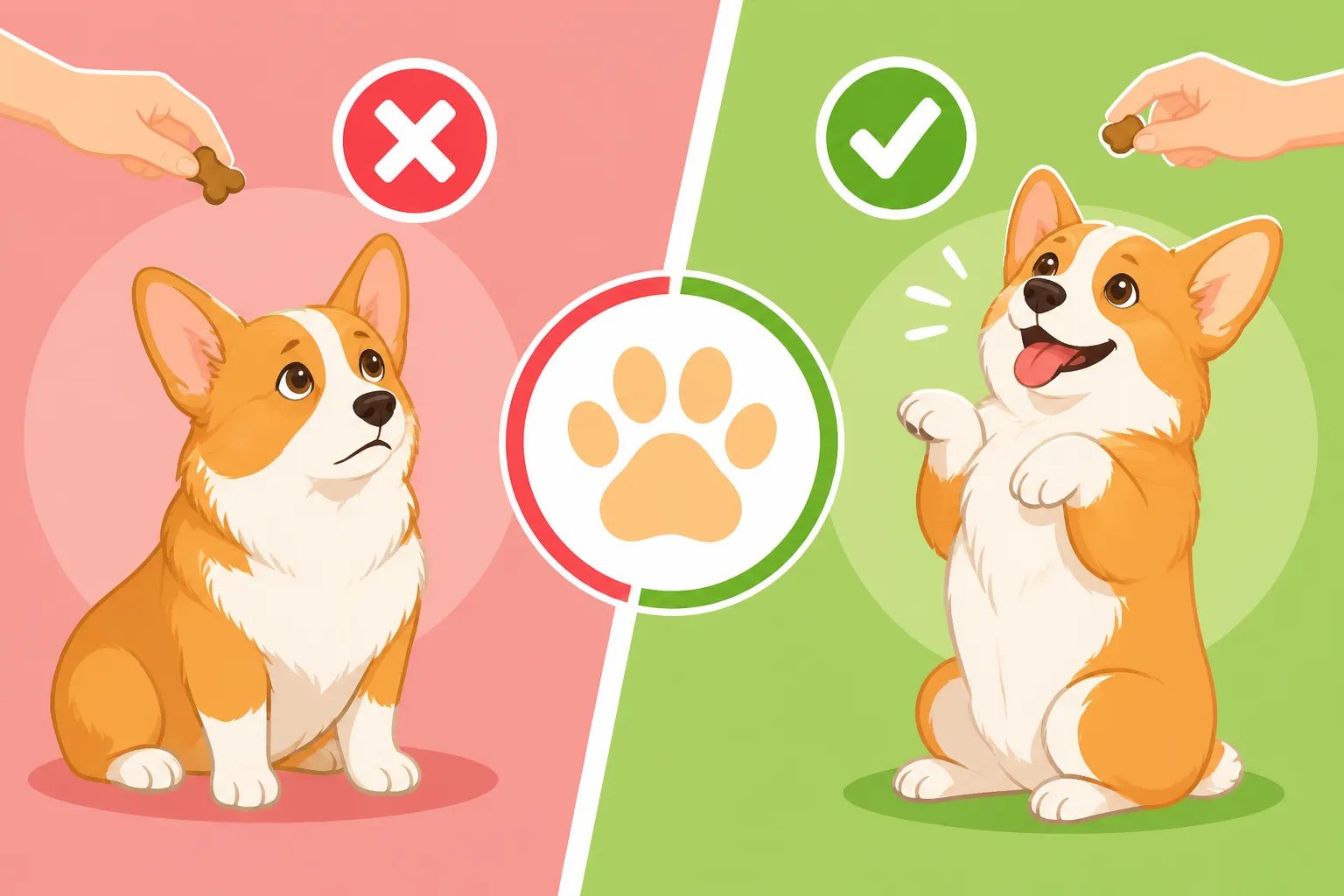
Oh, that classic Corgi sit-up-and-beg! It’s undeniably adorable, isn't it? Their little front paws held up, those earnest eyes gazing into yours, making you feel like the most important person in the world – or at least the one holding the treats. But as irresistible as this pose might be, many Corgi owners, myself included, have a nagging worry in the back of our minds: is this trick actually good for our beloved long-bodied, short-legged companions? This guide will dive deep into why this seemingly innocent behavior can pose a risk to your Corgi's unique spinal structure and offer safer alternatives to keep those tails wagging without compromising their health.
The Allure and Hidden Risks of the "Beg" Position for Corgis
There's something inherently charming about a Corgi sitting up, almost as if they're performing a personal, gravity-defying plea just for you. It's a trick often taught for its cuteness factor and because Corgis, with their clever minds and treat-motivated spirits, pick it up remarkably fast. However, beneath that adorable facade lies a potential strain on a part of their body that's already vulnerable: their long, low back.
Why Corgis Are So Good at Begging
Corgis are natural-born motivators, especially when food is involved. Their intelligence and eagerness to please (when there's a reward involved!) make them excellent candidates for learning tricks. Couple that with their compact build and low center of gravity, and they have a surprising knack for balancing on their hindquarters. It's almost as if they were designed to sit up and beg, isn't it? Owners often start teaching it because it’s impressive and gets a laugh, and the Corgi quickly associates the posture with positive outcomes like treats or praise. This creates a strong reinforcement loop, making it a go-to behavior for them when they want something. It’s hard to resist those tiny paws waving in the air!
The Anatomy of a Corgi's Spine in a Beg
To understand the risk, we need to talk a little about what makes a Corgi, anatomically, a Corgi. Their distinctive body shape—long back and short legs—is a result of a genetic trait called chondrodystrophy. While it gives them their iconic look, it also makes their spine inherently more susceptible to certain conditions. When a Corgi sits up to beg, they are essentially balancing their entire body weight on their hind legs and tail, creating a very unnatural curve and compression in their lower spine.
Imagine a bridge that's already under construction and not fully supported in the middle. Now, imagine putting a heavy, concentrated load directly onto that weakest point. That's a bit like what happens to a Corgi's spine during the "beg" position. The intervertebral discs, which act as shock absorbers between the vertebrae, are already predisposed to issues in Corgis. This posture significantly increases the pressure on these discs, particularly in the thoracolumbar and lumbar regions, which are precisely the areas prone to common Corgi back problems. It's a high-stress position that, over time, can contribute to wear and tear on these vital spinal structures.
Understanding IVDD and Spinal Health in Corgis
The main concern for Corgi owners when it comes to spinal health is Intervertebral Disc Disease, or IVDD. This condition is disproportionately common in breeds like Corgis due to their unique skeletal structure, and activities that stress the spine can exacerbate it.
The Realities of Intervertebral Disc Disease IVDD
IVDD is a degenerative condition where the cushioning discs between the vertebrae in the spine either bulge or rupture, pressing on the spinal cord. It's painful, often debilitating, and can lead to nerve damage, weakness, or even paralysis in the hind legs. Given their chondrodystrophic build, Corgis are already at a heightened risk for this condition. While we might think of sudden impacts as the primary cause, it's often the cumulative effect of small, repetitive stresses that contributes to disc degeneration over time. The "beg" position, because it forces such an extreme and unsupported spinal curve, falls squarely into that category of potentially harmful, repetitive stress. You can learn more about the specifics of Disc Disease in a Long-Backed Corgi to understand the mechanism behind this common Corgi ailment. It's a silent threat, slowly worsening until a sudden movement or even just getting out of bed can trigger a full-blown crisis.
Symptoms can range from subtle changes in gait or reluctance to move, to severe pain, yelping, or even dragging of the hind legs. Early detection is crucial, but prevention, by avoiding high-risk activities, is truly the best defense for our Corgis. Many owners don't realize the severity until a full "back episode" occurs, and by then, the damage is already done. This is why understanding Why a Corgi's Back Is Built the Way It Is is so important for every Corgi parent.
Recognizing Signs of Spinal Strain or Injury
It’s often hard to tell when a Corgi is in pain because they are so stoic. They were bred to be tough, fearless herders, and they often try to push through discomfort. This means that by the time you notice clear signs of spinal strain or injury, the problem might be more advanced than you think. Subtle indicators could include a reluctance to jump onto the sofa or into the car, changes in their usual playful demeanor, or a decreased interest in walks. They might seem a little stiff after resting, or perhaps you'll notice a slight arch in their back when they walk.
One very telling sign that many owners unfortunately overlook is if your Corgi starts to scuff their back nails. This can be an early indicator of neurological weakness affecting their hind legs, meaning they're not lifting their feet fully. If you notice A Corgi That Scuffs Its Back Nails, it's a huge red flag that needs immediate veterinary attention. Other signs include difficulty with stairs, stumbling, or even just general clumsiness. Any sudden yelp when you pick them up, or if they seem sensitive to touch along their back, should also prompt a call to your vet. Don't wait for obvious paralysis; subtle changes are your cue to act.
Practical Alternatives and Safe Practices
So, if begging is out, what can your clever Corgi do? Plenty! There are so many fun, engaging, and spine-friendly tricks and behaviors you can teach that will keep their minds sharp and their bodies safe. It’s all about working with their natural build, not against it.
Teaching Safe Tricks and Behaviors
The key to keeping your Corgi engaged and happy with tricks is to choose ones that keep their spine in a natural, neutral position or involve movements that strengthen their core muscles evenly. Instead of "beg," consider teaching:
- "Sit" and "Down": These are foundational and perfectly safe, encouraging a strong hind end while keeping the back straight.
- "Paw" or "Shake": Lifting one paw at a time puts minimal stress on the spine.
- "Spin" or "Twirl": These tricks involve controlled circular movements that engage their body without awkward bending or balancing. Keep it slow and gentle, especially initially.
- "Bow": This trick involves lowering their front end while keeping their rear up, which can be a good stretch for some dogs, but ensure they don't overextend.
- "Targeting": Teaching your Corgi to touch their nose to your hand or a target stick is a wonderful way to teach complex sequences without strenuous physical demands.
When your Corgi asks for a treat by sitting up, gently redirect them. Say "off" or "four on the floor" and reward them when all paws are on the ground, or when they offer a safer trick like "sit." Consistency is crucial. Every time you reward the "beg," you reinforce the behavior. Instead, reward them for safe alternatives, showing them that good things happen when they keep their back safe. Positive reinforcement with high-value treats and enthusiastic praise will make these new, safer tricks just as exciting for your Corgi.
Modifying the Home Environment
Beyond training, modifying your home environment is paramount to protecting your Corgi's back. It's often the everyday activities like jumping on and off furniture or navigating slippery floors that cause the most damage over time.
- Ramps and Steps: Invest in sturdy, non-slip ramps or steps for sofas, beds, and even to help them get into the car. Encourage them to use these consistently. It might take a little patience and treat-luring at first, but it's a habit that will truly save their spine in the long run. There are many options available, so finding Ramps and Steps That Save a Corgi's Back that fit your home and your Corgi’s personality is entirely doable.
- Non-Slip Flooring: If you have hardwood, tile, or laminate floors, consider runners, area rugs, or even dog booties to provide traction. Slipping and sliding can cause sudden twists and jolts to the spine, which are incredibly risky for Corgis.
- Safe Lifting Techniques: This is HUGE. If you need to lift your Corgi, always support both their front and hind ends. Avoid lifting them solely by their front paws or allowing their back to dangle. One arm should support their chest/front legs, and the other should cradle their hindquarters. Learning to master Picking a Corgi Up Without Hurting It is essential from the day you bring them home.
- Crate Training: A comfortable crate can be a safe haven and is invaluable for managing activity, especially if your Corgi ever needs rest due to a back injury. Ensure it's large enough for them to stand and turn comfortably.
By proactively adjusting their environment, you significantly reduce the daily micro-traumas that can accumulate and lead to severe spinal issues down the line.
Long-Term Corgi Spinal Care and Preventative Measures
Protecting your Corgi's back isn't just about avoiding a specific trick; it's a holistic, lifelong commitment. Their unique build means that every aspect of their care, from diet to exercise, plays a role in their spinal health.
Maintaining Ideal Weight and Muscle Tone
One of the most critical factors in preventing spinal problems in Corgis is maintaining an ideal body weight. Extra pounds put immense additional strain on their already delicate backs and joints. Imagine carrying a heavy backpack all day, every day – that's what being overweight feels like for your Corgi's spine. This added stress can accelerate disc degeneration and exacerbate existing conditions. That's why Why Corgi Weight Is a Spinal Problem is a topic every Corgi owner should take seriously.
Work closely with your veterinarian to determine The Body Condition Score a Corgi Should Hold and ensure your Corgi stays within that healthy range. This usually involves precise portion control of their food and avoiding overfeeding treats. Exercise is also crucial, but it needs to be the right kind of exercise. Instead of high-impact activities like repeated jumping (which is what The Jump That Ruptures a Corgi Disc often leads to), focus on moderate, consistent exercise that builds core strength and muscle tone without stressing the spine. Leash walks on varied terrain, gentle swimming (if your Corgi enjoys it), and controlled play sessions are excellent choices. Strong core muscles act like a natural corset, providing crucial support for the spine.
Regular Vet Check-ups and Proactive Health Strategies
Regular veterinary check-ups are non-negotiable for Corgis. These visits allow your vet to monitor your Corgi's overall health, assess their mobility, and catch any subtle signs of spinal issues early. For older Corgis, these check-ups become even more critical, as degenerative changes naturally occur with age. Proactive discussions with your vet about Screening an Older Corgi's Spine can help identify potential problems before they become emergencies.
Consider discussing joint supplements with your vet, such as glucosamine, chondroitin, or omega-3 fatty acids. While they aren't a magic bullet, and research on Whether Supplements Protect a Corgi's Discs is ongoing, they can sometimes support joint health and potentially reduce inflammation. However, always consult your vet before adding any supplements to your Corgi's diet, as they can interact with other medications or not be suitable for all dogs.
Finally, pet insurance is a wise investment for Corgi owners. Conditions like IVDD can be incredibly expensive to treat, often involving specialist diagnostics like MRIs, surgery, and extensive rehabilitation. Having a reputable plan, such as one from Healthy Paws, in place before any symptoms arise can provide immense peace of mind and ensure you can afford the best care for your Corgi if a spinal issue ever develops. It’s a proactive step that protects both your pet and your wallet from unexpected, high-cost medical bills related to their back.
Here's a quick comparison of the "beg" position versus safer alternatives for your Corgi's spinal health:
| Trick/Position | Spinal Impact | Why it's Risky for Corgis | Safer Alternatives |
|---|---|---|---|
| Beg | High Stress | Extreme arching, compression on lower spine, puts immense pressure on intervertebral discs. | Sit, Down, Paw, Spin (slow), Bow (gentle), Target Touch |
| Sit | Low Stress | Natural resting position, distributes weight evenly, engages hind leg muscles safely. | N/A (Already safe) |
| Down | Very Low Stress | Full body on the ground, minimal spinal strain, restful. | N/A (Already safe) |
| Jump | High Stress (especially on/off furniture) | High impact on landing/take-off, sudden jolts and twists to the spine. | Use ramps/steps, lift safely, controlled low-impact exercise. |
| Stairs | Moderate Stress (especially repeated) | Can cause jarring and twisting, puts strain on the back and joints. | Use baby gates, carry safely, train with ramps/steps where possible. |
Disclaimer
The information provided in this article is for general informational purposes only and is not intended as a substitute for professional veterinary advice. Always consult with a qualified veterinarian for any health concerns or before making any decisions about your pet's health or treatment.