Whether Corgis Get Cancer Often
It's incredibly disheartening when our beloved Corgis, with their cheerful dispositions and endlessly wagging nubs, start to slow down or show signs of illness. Many Corgi owners grapple with anxieties about their long backs and potential mobility issues, but a less-talked-about, yet equally serious, concern is cancer. It's natural to wonder, "Are Corgis particularly prone to cancer?" This comprehensive guide aims to shed light on cancer prevalence in Corgis, common types, what symptoms to watch for, and how best to support your furry family member through such a challenging diagnosis.
Understanding Corgi Cancer Risk: Is It Higher for Them?
When we think about Corgi health, conditions like intervertebral disc disease (IVDD) or Degenerative Myelopathy often come to mind first, and for good reason—they are indeed significant concerns. However, like all purebred dogs, Corgis can also be predisposed to certain health conditions, and unfortunately, cancer is one of them. While Corgis aren't typically listed among the breeds with the highest overall cancer rates (like Golden Retrievers or Boxers), they do face their share of oncological challenges, particularly as they age.
It's a misconception that smaller dogs are inherently less prone to cancer than larger breeds. While some giant breeds have shorter lifespans often cut short by cancer, smaller dogs live longer, increasing their exposure to potential cancerous cell mutations over time. For Corgis, whose average life expectancy is usually around The Twelve to Fifteen Year Corgi Lifespan, seeing them through their golden years means being vigilant about a wider range of health issues, including cancer. The reality is that approximately one in three dogs will develop cancer in their lifetime, and about half of all dogs over the age of ten will be diagnosed with some form of the disease. Corgis, unfortunately, are not immune to these statistics. Factors like genetics, environment, diet, and even lifestyle can all play a role in their individual risk.
Common Cancer Types Seen in Corgis
While Corgis might not have a singular "Corgi cancer" that overwhelmingly defines their breed's cancer profile, they are susceptible to many of the same cancers that affect other dog breeds. Being aware of the most common types can help you understand what signs to look for and discuss with your veterinarian.
Lymphoma and Hemangiosarcoma
Lymphoma is a cancer of the lymphatic system, which is a crucial part of the immune system. It can affect various organs, including the lymph nodes, spleen, liver, and bone marrow. In Corgis, as with many breeds, it often presents as enlarged lymph nodes, which might feel like lumps under the jaw, in the armpits, or behind the knees. Other signs can be vague, like lethargy, loss of appetite, or weight loss. Hemangiosarcoma, on the other hand, is a very aggressive cancer that arises from the cells lining blood vessels. It often affects the spleen, liver, or heart, and can metastasize quickly. Because it involves blood vessels, internal bleeding is a common, and often life-threatening, symptom. Owners might notice sudden weakness, pale gums, a distended abdomen (due to internal bleeding), or collapse. These can be terrifying to witness, and often require immediate emergency veterinary attention.
Mast Cell Tumors
Mast cell tumors are one of the most frequently diagnosed skin cancers in dogs. These tumors can vary greatly in appearance, from a small, firm bump to a larger, ulcerated mass. They can also occur internally, affecting organs like the spleen or intestines, which makes diagnosis more challenging. While many are benign, others are highly malignant and can spread aggressively. For a Corgi, who naturally sits close to the ground, any new lump or bump, particularly on their body or legs, warrants a quick check by the vet. It's easy to dismiss a small growth as "just a fatty lump" (like Lipomas on an Older Corgi), but only a biopsy can definitively tell you what it is. Early detection and removal are critical for the best prognosis.
Osteosarcoma and Transitional Cell Carcinoma
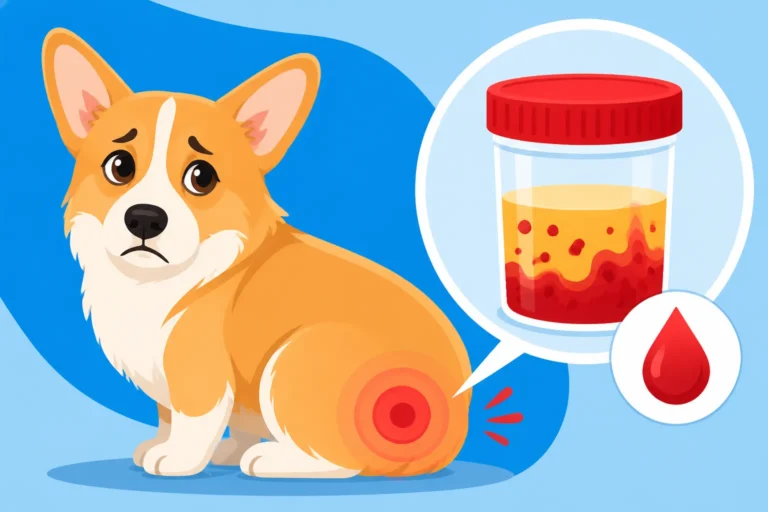
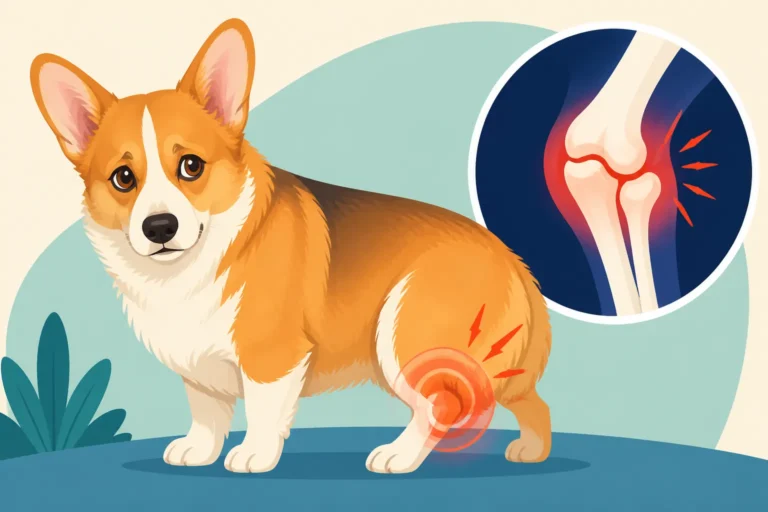
Osteosarcoma is a devastating bone cancer, more commonly seen in larger and giant breeds, but it can affect Corgis as well, particularly in their limbs. It's incredibly painful and rapidly progressive. A Corgi might suddenly start limping, show reluctance to put weight on a leg, or there might be noticeable swelling around a bone. This is a serious condition that often requires advanced imaging and aggressive treatment. Another cancer to be aware of is Transitional Cell Carcinoma (TCC), which affects the bladder. Symptoms often mimic a urinary tract infection, such as increased frequency of urination, straining to urinate, blood in the urine (Blood in a Corgi's Urine), or accidents in the house. If your Corgi is showing persistent urinary issues that don't resolve with antibiotics, TCC should be considered and investigated with specific diagnostic tests.
Here's a quick overview of some common cancer types in Corgis and their general characteristics:
| Cancer Type | Common Location(s) | General Symptoms | Corgi Predisposition |
|---|---|---|---|
| Lymphoma | Lymph nodes (neck, armpits, groin), spleen, liver | Swollen lymph nodes, lethargy, loss of appetite, weight loss, vomiting, diarrhea | Moderate (similar to many breeds) |
| Hemangiosarcoma | Spleen, liver, heart, skin | Sudden weakness, pale gums, abdominal distension, collapse, lameness, skin lumps | Moderate (can affect many breeds) |
| Mast Cell Tumors | Skin (lumps), internal organs (spleen, GI tract) | Skin lumps (variable appearance), swelling, redness, vomiting, diarrhea, loss of appetite | Moderate (common skin tumor in many breeds) |
| Osteosarcoma | Long bones (limbs), jaw, spine | Lameness, swelling, pain, reluctance to move | Lower (more common in large breeds, but possible) |
| Transitional Cell Carcinoma | Bladder, urethra | Straining to urinate, frequent urination, blood in urine, incontinence | Moderate (can affect any dog, females sometimes higher) |
Recognizing the Signs and Early Detection in Corgis
The key to successfully treating many cancers, or at least improving quality of life, lies in early detection. As Corgi parents, we spend so much time with our dogs that we are often the first to notice subtle changes that a vet might miss during a routine check-up. Being proactive and knowing what to look for can make a monumental difference.
Subtle Changes to Watch For
Corgis are known for their stoic nature, often hiding discomfort until it's quite advanced. This makes it even more important to pay close attention to any changes in their behavior or physical condition. Watch for unexplained weight loss, especially if their appetite hasn't decreased – or worse, if they're eating normally but still losing weight. A sudden decrease in energy levels, increased lethargy, or reluctance to engage in activities they once loved could be a red flag. Is your Corgi sleeping more than usual? Does their play seem less enthusiastic? Persistent vomiting, diarrhea, or changes in stool consistency that don't clear up quickly should always be investigated. Even something as seemingly minor as a change in breath odor or difficulty swallowing could be indicative of an underlying issue. You know your Corgi best; if something just "feels off," trust your gut.
The Importance of Regular Vet Check-ups
Routine veterinary visits, especially as your Corgi ages, are absolutely non-negotiable for early detection. These check-ups aren't just for vaccinations; they're an opportunity for a professional to thoroughly examine your dog, listen to their heart and lungs, palpate their abdomen, and feel for any unusual lumps or bumps. As Corgis get older, perhaps around the time you'd typically start thinking about Blood Panels for a Corgi Over Ten, comprehensive screenings become even more vital. Don't hesitate to point out any changes you've observed, no matter how small. Your vet can perform blood work and urinalysis, which can sometimes reveal abnormalities even before outward symptoms appear. For instance, an unexplained increase in thirst and urination, as discussed in "A Corgi Drinking and Urinating More With Age," could be a symptom of kidney issues, diabetes, or even certain types of cancer.
When it comes to diagnostic tools, don't be afraid to discuss advanced options with your vet if they suspect something serious. X-rays, ultrasounds, and even MRI scans can provide invaluable information. While these procedures can be expensive, a robust pet insurance plan, such as those offered by Healthy Paws, can significantly alleviate the financial burden, allowing you to prioritize your Corgi's health without added stress. Catching a cancerous mass when it's small and localized dramatically improves the chances of successful treatment.
Managing Cancer and Supporting Your Corgi
Receiving a cancer diagnosis for your Corgi is devastating news. It's a moment filled with fear, uncertainty, and a million questions. But it's important to remember that a diagnosis is not an immediate death sentence. Advances in veterinary oncology mean that there are often many treatment options available, and the focus will always be on maintaining your Corgi's quality of life.
Treatment Options and Prognosis
The type of treatment your Corgi receives will depend entirely on the specific type of cancer, its stage, location, and your Corgi's overall health. Common treatment modalities include surgery to remove tumors, chemotherapy to target rapidly dividing cancer cells, and radiation therapy to shrink or eliminate localized tumors. Sometimes, a combination of these therapies is recommended. For some cancers, like certain types of mast cell tumors if caught very early, surgery alone might be curative. For more aggressive cancers like hemangiosarcoma, the goal might be extending comfortable life for as long as possible.
Your veterinary oncologist will work with you to develop a personalized treatment plan, discussing the pros and cons of each option, potential side effects, and the expected prognosis. It’s a very personal decision, balancing the desire to fight the disease with ensuring your Corgi isn't undergoing unnecessary discomfort. Don't hesitate to ask questions, seek second opinions, and thoroughly understand what each path entails. Financial considerations are also a real factor in these discussions, as cancer treatments can be quite costly. This is another area where having pet insurance from a reputable provider like Healthy Paws can be a lifesaver, covering a significant portion of diagnostic tests, treatments, and even ongoing care.
Ensuring Quality of Life
Beyond medical treatments, providing excellent supportive care at home is paramount for a Corgi with cancer. This involves managing pain, ensuring good nutrition, and maintaining their comfort and happiness. Pain management might involve regular medications prescribed by your vet, or even complementary therapies like acupuncture. Ensuring your Corgi continues to eat well is crucial. Your vet might recommend a special diet designed for cancer patients or simply encourage whatever your Corgi is willing to eat to keep their strength up. Whether a Corgi Needs a Vet Diet or Just Less becomes an important conversation.
Creating a comfortable, low-stress environment is also key. This might mean making small adjustments to your home, such as providing orthopedic beds that support their back (especially important for Corgis!), ensuring easy access to food and water bowls, and perhaps using ramps to help them get onto furniture without jumping, thereby protecting their spine. As part of managing their overall health, you might even find yourself looking into options like Physiotherapy for a Corgi Losing Its Legs if mobility becomes an issue, which, while not directly cancer-related, highlights the holistic care approach often needed for senior dogs facing health challenges. The ultimate goal is to allow your Corgi to enjoy their remaining time with as much joy and comfort as possible, making every moment count.
Disclaimer
The information provided in this article is for general informational purposes only and does not constitute veterinary advice. Always consult with a qualified veterinarian for any health concerns or before making any decisions about your Corgi's medical care.