A Corgi Scooting on the Carpet
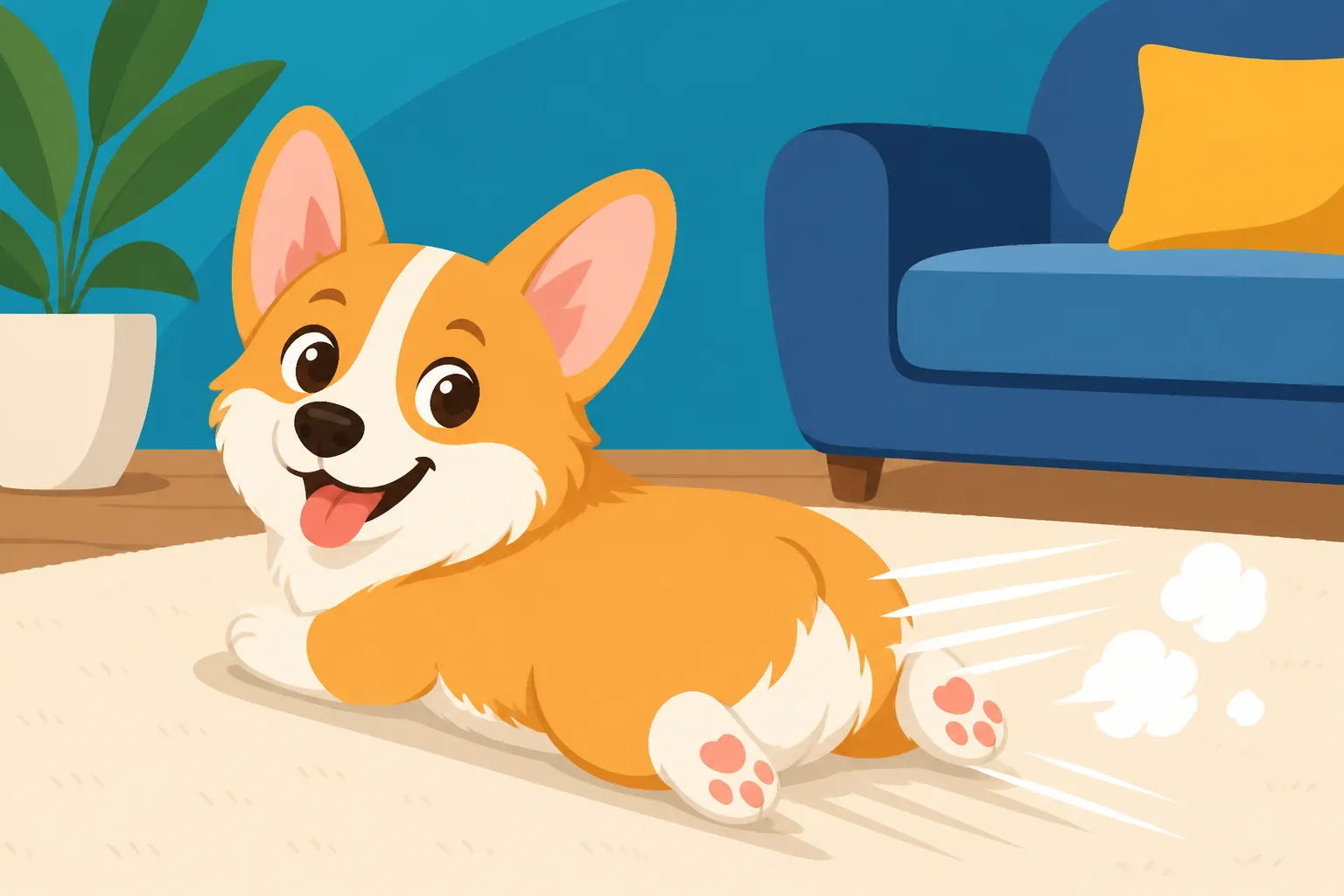
Few things are quite as startling, or frankly, as gross, as seeing your adorable Corgi suddenly drop their rear to the ground and drag themselves across your pristine carpet or freshly mopped floor. It's a behavior that immediately signals something isn't quite right, and for Corgi owners, it often sparks a flurry of questions and a good deal of worry. This guide will walk you through the common reasons why your low-riding companion might be scooting, helping you understand the underlying issues and what steps you can take to bring them relief.
Understanding the Common Causes of Corgi Scooting
When your Corgi starts dragging their rear across the floor, the first thing most people suspect, and rightly so, are anal gland issues. These tiny, often troublesome, glands are a frequent culprit, but they're not the only reason for this peculiar behavior. Understanding the mechanics behind why your Corgi feels the need to scoot can save you a lot of guesswork and help you address the problem effectively.
Anal Gland Impaction and Expression
Let's talk about the most notorious reason first: anal glands. Every dog, Corgis included, has two small scent glands located just inside their anus, around the 4 and 8 o’clock positions. These glands naturally express a foul-smelling liquid when a dog defecates, marking their territory. It's part of their natural communication system. However, sometimes these glands don't empty properly. This can be due to a variety of factors: soft stools that don't provide enough pressure to express the glands, inflammation, obesity, or even individual anatomy. When the glands become full, impacted, or infected, they cause immense discomfort and itching, leading your Corgi to seek relief by dragging their bottom along rough surfaces.
Imagine trying to relieve an itch you can’t reach, and that's essentially what your Corgi is doing. The liquid inside the glands thickens, making natural expression even harder. If left untreated, impacted glands can become infected and even abscess, leading to a much more painful and serious veterinary emergency. You might notice your Corgi paying excessive attention to their rear, licking, biting, or exhibiting a strong, unpleasant odor. While some owners attempt to express these glands at home, it’s often best left to a professional like your veterinarian or an experienced groomer. They can safely and effectively express the glands, reducing the risk of injury or further irritation. If your Corgi is prone to recurrent anal gland issues, discussing dietary changes, fiber supplements, or even a different type of kibble might be beneficial.
Allergies Leading to Itchy Rear Ends
Beyond the immediate mechanics of anal glands, allergies are a huge, often underestimated, factor in chronic scooting. Just like people, Corgis can suffer from environmental allergies (pollen, dust mites), food allergies (specific proteins like chicken or beef), or even contact allergies (irritants touching their skin). When a Corgi has allergies, their skin can become intensely itchy and inflamed, and this irritation isn't always confined to their paws or ears. The skin around their hindquarters can become incredibly sensitive, leading to that tell-tale scooting behavior as they try to scratch an unreachable itch.
It’s not just an external itch; allergic reactions can cause general skin inflammation, making the anal region feel irritated and uncomfortable, even if the glands themselves aren't impacted. If you notice your Corgi also chewing their paws, rubbing their face, or experiencing Itchy Skin Under a Corgi's Undercoat, allergies should be high on your list of suspects. Diagnosing allergies can be a bit of a detective mission, often involving food trials, environmental management, and sometimes even allergy testing. Managing allergies might involve antihistamines, medicated shampoos, topical treatments, or prescription diets specifically formulated for sensitive dogs. Keeping a close eye on their diet, especially if you feed them treats or table scraps, can be critical in identifying potential food triggers.
Intestinal Parasites or Worms
Another unpleasant, but very common, cause of scooting is the presence of intestinal parasites, or worms. While it’s not something we like to think about, many Corgis will encounter worms at some point in their lives, particularly if they spend a lot of time outdoors, in dog parks, or if they're still puppies learning about the world with their mouths. The most common culprits are tapeworms, which can sometimes be seen as small, rice-like segments around your dog's anus or in their stool. Other worms, like roundworms or hookworms, might not be visible to the naked eye but can still cause significant irritation.
These parasites irritate the intestinal tract and the anal region, leading to itchiness and discomfort, prompting the scooting. If your Corgi has a sudden onset of scooting, especially if accompanied by changes in stool consistency, a dull coat, or a pot-bellied appearance (more common in puppies), worms are a strong possibility. Regular deworming protocols, often part of routine Flea and Worm Doses for a Thirty Pound Corgi through your vet, are crucial for prevention. If you suspect worms, a fecal test performed by your veterinarian can usually identify the type of parasite, allowing for targeted treatment. It's an easily fixable problem, but one that definitely needs professional attention to ensure the right medication is used and the parasites are eradicated completely.
Beyond the Anal Glands: Other Reasons for Scooting
While anal gland issues, allergies, and worms are the usual suspects, a Corgi scooting on the carpet might be signaling other, less obvious, problems. Sometimes, the issue isn't centered on the anal area itself, but rather a more general discomfort that manifests as scooting. It’s important to consider the whole dog, not just their rear end, when trying to figure out what's going on.
Skin Irritation and Poor Hygiene
Given their low-slung build, Corgis are prone to picking up all sorts of debris, dirt, and even fecal matter on their hindquarters and belly. Think about it: they're essentially walking dust mops! If your Corgi’s fur around their bottom is long, matted, or simply not kept clean, it can trap moisture and irritants, leading to skin inflammation, hot spots, or bacterial infections. This constant irritation can be incredibly itchy and uncomfortable, prompting your Corgi to scoot as a way to rub and relieve the itch.
This is especially true for Corgis with 'fluffy' coats or those who aren't regularly groomed. Imagine having something stuck in your hair all day, and you can understand the frustration. Regular grooming, including sanitary trims around the anus, can prevent many of these issues. For advice on managing their unique coat, you might find information on Grooming a Corgi That Sits Six Inches Off the Ground particularly helpful. If you’ve got a Corgi that loves to wallow in mud or frequently has soft stools, then a quick wipe-down after potty breaks becomes essential. Even simply drying them thoroughly after a bath can make a huge difference in preventing skin issues in these areas.
Orthopedic Discomfort and Back Pain
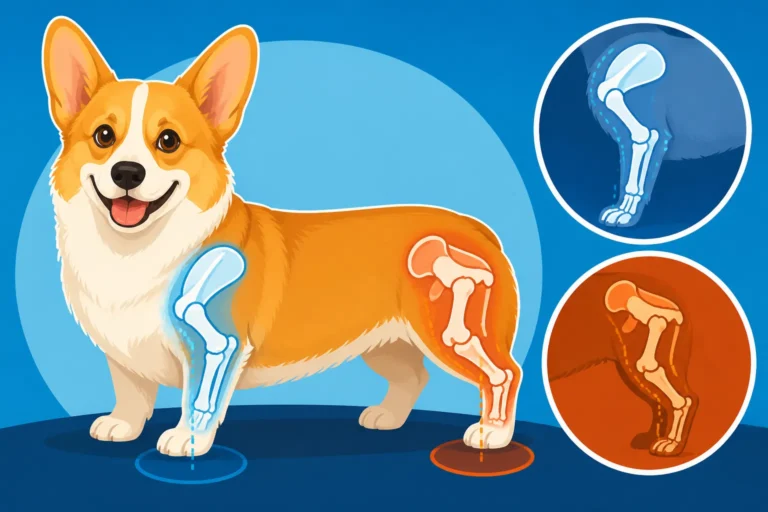
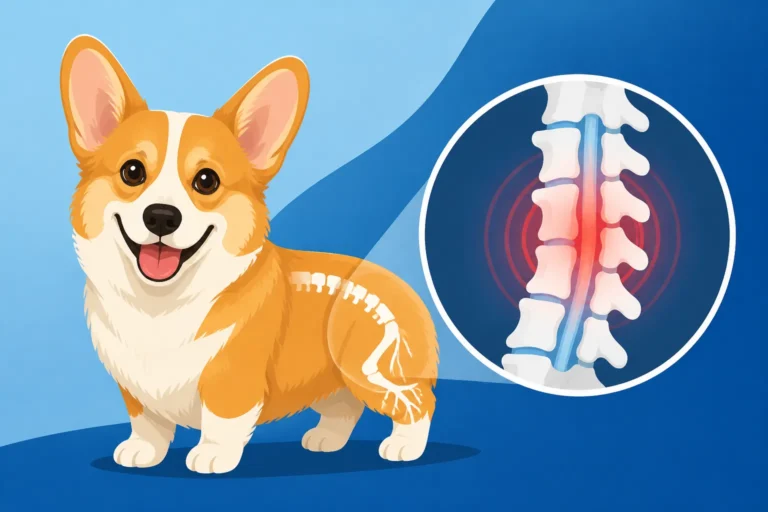
This might seem surprising, but sometimes, a Corgi scoots not because their bottom itches, but because they are experiencing discomfort elsewhere, particularly in their back or hips. Corgis are predisposed to back problems due to their long, low bodies and short legs. Conditions like Intervertebral Disc Disease (IVDD) can cause pain, tingling, or numbness in their hindquarters and legs. This discomfort can be difficult for them to pinpoint, and some Corgis may resort to scooting as an unusual coping mechanism or an attempt to shift their weight and find relief.
If your Corgi's scooting isn't accompanied by other common signs like anal gland issues or obvious skin irritation, and especially if you notice other subtle changes like reluctance to jump, difficulty climbing stairs, or a change in gait, then a spinal issue might be at play. It's a serious consideration for Corgi owners, as their breed is notorious for these kinds of problems. A visit to the vet for a thorough physical examination and potentially imaging like X-rays or MRI might be necessary to rule out or diagnose orthopedic issues. Getting ahead of potential spinal issues is key for Corgis, and understanding Pain Relief for an Old Corgi's Back can be invaluable. Even how they wear their harness matters; ensuring it doesn't put undue pressure on their spine is important, which is why considering Whether a Corgi Should Wear a Harness Not a Collar can be a critical decision for their long-term health.
Behavioral Scooting
While less common as a primary cause, sometimes scooting can have a behavioral component, especially after other medical causes have been ruled out. A Corgi might learn that scooting gets them attention – even if it's negative attention like a gasp or a hurried "No!" from their owner. If they're feeling anxious, bored, or are seeking a reaction, scooting can become a learned behavior. This is particularly true if the initial cause (like an anal gland issue) was resolved, but the habit persisted.
However, it's absolutely vital not to jump to the conclusion of behavioral scooting without first thoroughly investigating all potential medical reasons with your veterinarian. You wouldn't want to dismiss a genuine source of pain or discomfort as merely an attention-seeking trick. Only once a vet has given your Corgi a clean bill of health regarding their rear end, skin, and musculoskeletal system should you begin to consider behavioral modification strategies, such as redirection, increased exercise, or mental stimulation to address boredom or anxiety. Never punish a Corgi for scooting, as this can exacerbate anxiety and won't solve an underlying medical problem.
When to Call the Vet for Corgi Scooting
It's tempting to try and fix things yourself, or hope it just goes away, but with Corgis and their unique predispositions, some issues demand professional attention. Knowing when to pick up the phone and make that appointment is crucial for your Corgi's well-being. Don't hesitate if you observe certain red flags or if the scooting persists.
Red Flag Symptoms to Watch For
While occasional scooting might not be an immediate emergency, certain accompanying symptoms definitely warrant a prompt veterinary visit. If you see blood in your Corgi's stool or around their anus, or if there's any discharge (pus or excessive liquid) from the anal region, that's a serious red flag. These could indicate an infection, an abscessed anal gland, or even more severe internal issues. Another major concern is visible swelling or tenderness around the anus. If your Corgi cries out, snaps, or recoils when you try to examine their rear, they are clearly in significant pain.
Beyond the immediate anal area, look for general signs of illness. Is your Corgi lethargic? Are they refusing to eat or drink? Do they have a fever, indicated by a warm nose and ears, or excessive panting? Vomiting or diarrhea accompanying the scooting also points to a more systemic problem that needs professional diagnosis and treatment. In these cases, early intervention can prevent the condition from worsening and make treatment easier and more effective. Remember, your vet is your best resource for these kinds of health concerns. Many pet insurance providers, like Healthy Paws, emphasize preventative care and early intervention, recognizing that addressing issues quickly can lead to better outcomes and potentially lower long-term costs.
What to Expect at the Veterinary Clinic
When you bring your scooting Corgi to the vet, they'll typically start with a thorough physical examination, which will almost certainly include a rectal exam to assess the anal glands. Don't be surprised if they express the glands right there; it's often the quickest way to provide relief and collect a sample if an infection is suspected. They'll also check for any visible worms, skin irritation, mats, or wounds around the hindquarters. The vet will ask you detailed questions about when the scooting started, how frequently it occurs, your Corgi's diet, recent changes in behavior, and their potty habits. This information helps them narrow down the potential causes.
Depending on their initial findings, the vet might recommend further diagnostics. This could include a fecal test to check for intestinal parasites – they'll often ask you to bring a fresh stool sample if possible. If allergies are suspected, they might discuss dietary elimination trials or allergy testing. If there are signs of pain or neurological issues, X-rays or other imaging of the spine might be suggested. Your veterinarian will also discuss potential treatments, which could range from antibiotics for infections, pain relief, anti-inflammatory medications, special diets, or specific deworming protocols. Being prepared with information and questions can make your vet visit more productive, ensuring your Corgi gets the targeted care they need. This proactive approach is exactly what companies like Healthy Paws advocate for, supporting comprehensive care for your furry family member.
Here's a quick guide to help you differentiate common causes:
| Symptom/Observation | Most Likely Cause(s) | When to See Vet |
|---|---|---|
| Frequent scooting, strong odor, licking, swelling | Anal Gland Impaction/Infection | Immediately if swelling, pain, or discharge; otherwise, within a day or two. |
| Scooting with paw licking, face rubbing, skin redness | Allergies (Environmental, Food, Contact) | If persistent, severe, or accompanied by skin lesions (hot spots). |
| Rice-like segments in stool, dull coat, pot belly | Intestinal Parasites (Worms) | As soon as noticed, to confirm and treat. |
| Mats, redness, foul smell around rear, soft stools | Poor Hygiene, Skin Irritation | If irritation is persistent, worsening, or appears infected. |
| Reluctance to jump, altered gait, back sensitivity | Orthopedic Discomfort (e.g., IVDD) | Urgently, especially if acute pain or weakness. |
| All medical causes ruled out by vet, attention-seeking | Behavioral (after extensive vet check) | After a full vet workup; then consult a trainer/behaviorist. |
Preventative Measures and Ongoing Care for Your Corgi
The best offense is a good defense, especially when it comes to keeping your Corgi healthy and scoot-free. Proactive care, from diet to grooming, can significantly reduce the likelihood of them experiencing discomfort and needing to drag their bottom across your floor. Consistency is key, and understanding your Corgi's specific needs will go a long way.
Optimal Diet and Weight Management
One of the most impactful things you can do for your Corgi’s overall health, and especially to prevent scooting, is to maintain an optimal diet and healthy weight. Soft stools are a primary contributor to anal gland issues because they don't provide enough bulk to naturally express the glands. Feeding a high-quality, balanced diet with appropriate fiber content helps produce firm, healthy stools. Discuss with your vet if your Corgi might benefit from specific dietary fiber supplements, such as psyllium husk, which can add bulk to their stool.
Perhaps even more critical for a Corgi, given their predisposition to back problems, is keeping them at a healthy weight. An overweight Corgi puts undue stress on their spine and joints, which can exacerbate orthopedic discomfort that might indirectly lead to scooting. Extra weight can also make it harder for them to groom themselves and increase their risk for other health issues like diabetes. Knowing What an Ideal Corgi Weighs and monitoring The Body Condition Score a Corgi Should Hold regularly can help you keep them in prime condition. Every pound counts on a Corgi's short legs and long back. Work with your vet to determine the right calorie intake and portion sizes, using accurate measurements rather than guesswork. Brands like Healthy Paws understand the importance of preventative care, which includes managing diet and weight to avoid costly, and painful, health issues down the line.
Regular Grooming and Hygiene Routines
Given that Corgis are so low to the ground and have a thick double coat, regular grooming and meticulous hygiene are non-negotiable for preventing scooting. Their longer hair around the hindquarters, often called "trousers" or "feathering," can easily trap fecal matter, dirt, and moisture. This creates a perfect breeding ground for bacteria and skin irritation. Implementing a consistent grooming routine is essential. This includes regular brushing to prevent mats, especially in that area, and routine sanitary trims. A groomer can expertly trim the hair around their anus and genitals to keep it short and clean, significantly reducing the chance of fecal matter getting stuck.
Beyond professional grooming, daily at-home care makes a difference. After walks, especially in wet or muddy conditions, check your Corgi’s hindquarters and belly. A quick wipe with a damp cloth or pet wipe can remove irritants. If your Corgi has had soft stools, a gentle bath focused on their rear end might be necessary. Also, don't forget their nails! Overly long nails can alter a Corgi's gait, putting awkward pressure on their rear end and potentially contributing to discomfort. Regular nail trims are a must. Learning about tools like The Rake and Comb a Corgi Coat Actually Needs can empower you to manage their unique coat more effectively at home, thereby minimizing hygiene-related scooting triggers.
Proactive Veterinary Check-ups and Preventative Care
Finally, consistent veterinary care is your best defense against scooting and many other Corgi health concerns. Regular check-ups, typically once a year for adult Corgis and more frequently for puppies, allow your vet to catch potential issues early. During these visits, your vet will routinely check anal glands, discuss deworming needs, and address any changes in skin or coat health. They'll also monitor your Corgi's weight and overall physical condition, offering advice on diet and exercise.
Don't skip routine deworming. Even if you don't see worms, many dogs can carry them silently, and consistent preventative measures are crucial. Discussing a consistent parasite prevention plan with your vet is part of responsible pet ownership. These regular visits are also an excellent opportunity to ask about any unusual behaviors you've observed, even if they seem minor. A good vet-client relationship is built on open communication, and your observations are invaluable for early diagnosis. For example, if your Corgi starts showing subtle signs of dental discomfort, addressing Corgi Dental Disease early can prevent more serious issues. Remember to keep up with The Vet Visits a Corgi Puppy Needs First to set a strong foundation for lifelong health. Being proactive with veterinary care means you're investing in your Corgi's long-term health and happiness, helping them live their best, scoot-free life.
Disclaimer
This article is for general informational purposes only and does not constitute professional advice. Laws, prices and regulations vary by location and change over time. Consult a qualified professional for guidance on your specific situation.