Whether a Corgi Can Have a Natural Whelping
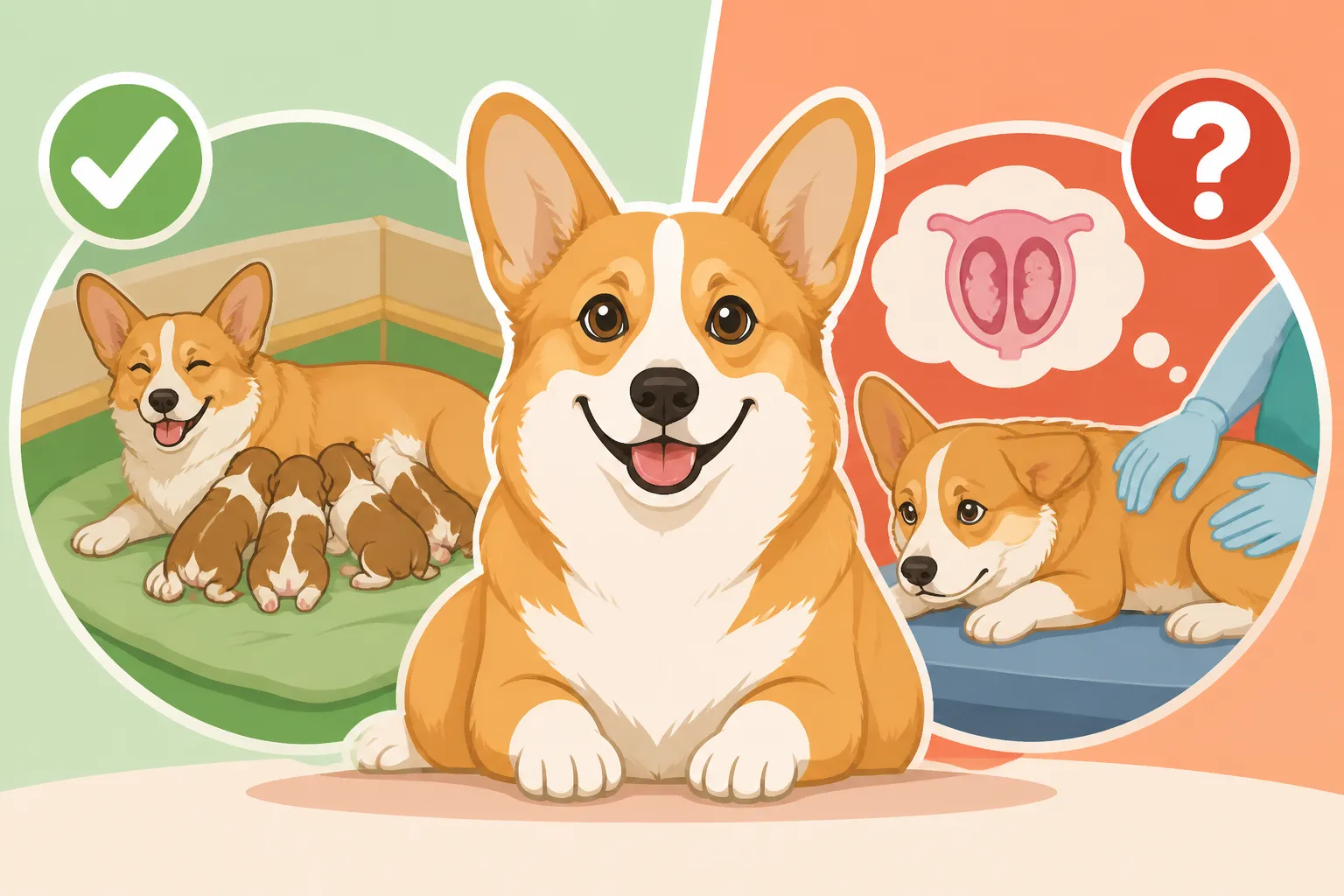
It’s a truly heartwarming thought, isn't it? Imagining your beloved Corgi mama gracefully bringing her puppies into the world, all by herself, just as nature intended. Many of us dream of that picture-perfect, natural whelping experience. However, with Corgis, the reality can often be quite different and, frankly, a lot more complicated due to their unique physical build. This guide aims to delve deeply into whether a Corgi can safely have a natural whelping, exploring the challenges, risks, and the vital role of preparation and veterinary support.
The Unique Corgi Build and Whelping Challenges
Corgis are undeniably adorable, with their long bodies, short legs, and sturdy frames. But these very characteristics, which make them so distinctive, also present significant hurdles when it comes to giving birth naturally. It’s not just about their cuteness; it's about their inherent anatomy impacting a process that, for many other breeds, is often straightforward.
Anatomical Considerations for Birthing
Let's talk about those iconic Corgi features. Their broad shoulders and relatively large heads, especially compared to their narrow pelvis, are often the primary culprits in whelping difficulties. Imagine a square peg trying to fit through a round hole – that's often what a Corgi puppy faces trying to navigate the birth canal.
This condition is known as "maternal-fetal disproportion" and it’s a leading cause of dystocia (difficult birth) in Corgis. A puppy’s head or shoulders can simply get stuck, unable to pass through the mother’s pelvis. This isn't a failure on the mother's part; it's a physical impossibility for some Corgi dams. The contractions might be strong, the mother might be pushing valiantly, but if the puppy simply cannot fit, no amount of effort will succeed. Furthermore, their short legs and long back, while perfect for herding cattle by nipping at their heels, don't lend themselves well to the physical mechanics of pushing and positioning during labor. A longer-bodied dog with stronger rear leg leverage might find it easier to brace and push effectively, but a Corgi's structure can hinder this, leading to inefficient labor even if a puppy could theoretically pass. Understanding The Corgi Body the Standard Describes helps shed light on these anatomical quirks.
The Impact of Litter Size and Puppy Presentation
Beyond the general structure, the number of puppies in a litter and how they are positioned can dramatically increase the complexity for a Corgi. While we might wish for a small, manageable litter, Corgis, like many breeds, can have varying litter sizes. How Many Puppies a Corgi Usually Has can range from a few to several, and a larger litter means more opportunities for complications.
Each puppy needs to navigate the birth canal, and with more puppies, the chances of one getting stuck, or of the mother becoming exhausted, naturally increase. Moreover, puppies aren't always considerate enough to present themselves headfirst in the ideal diving position. A breach presentation (tail or hind legs first), or a puppy coming sideways, can be extremely problematic even in breeds not prone to dystocia. In a Corgi, where space is already at a premium, such presentations almost guarantee difficulty. The uterine contractions, which are typically very strong, might not be enough to reorient a poorly positioned puppy, leading to prolonged labor and increased risk for both the mother and the unborn pups. It’s a delicate balance, and with Corgis, that balance is often tipped towards caution.
Recognizing and Responding to Whelping Difficulties
The key to a successful outcome, whether natural or assisted, lies in vigilant observation and knowing when to call the vet. It's incredibly stressful to watch your dog in labor, especially when things don't seem to be progressing as they should. Early intervention can be life-saving.
Key Stages of Labor and Warning Signs
Corgi labor, like that of any dog, typically progresses through three stages, but recognizing when things deviate from the norm is critical.
- Stage 1: Preparation: This stage can last from 12 to 24 hours, sometimes longer. Your Corgi might become restless, nest, pant, shiver, or refuse food. She might seem uncomfortable or anxious. This is normal nesting behavior as her body prepares.
- Stage 2: Active Labor: This is when contractions begin, leading to the expulsion of puppies. Visible straining should produce a puppy within 30 minutes to an hour. There might be a dark green or red discharge (lochia) that precedes the first puppy, indicating placental separation. After the first puppy, subsequent puppies should generally arrive every 30-60 minutes, though a longer rest period of up to 2-4 hours can occur if the mother is relaxed and not actively straining.
Warning Signs that demand immediate veterinary attention:
- Strong, consistent contractions for more than 30 minutes with no puppy: This is a classic sign of a puppy being stuck.
- Weak or infrequent contractions lasting more than 2-4 hours after the first puppy: The mother might be exhausted, or contractions aren't strong enough.
- More than 4 hours between puppies with no straining: While resting is normal, a lack of progress after this time indicates a problem.
- Any green or dark red discharge (lochia) without a puppy appearing within 30 minutes: This suggests placental separation, meaning the puppy is losing its oxygen supply.
- Signs of extreme pain, distress, or lethargy in the mother: Excessive panting, whining, collapse, or a fever are all red flags.
- Foul-smelling discharge: Could indicate infection.
Never hesitate to call your vet if you're concerned. It’s always better to be overly cautious than to wait too long.
Immediate Actions for Suspected Dystocia
If you observe any of the warning signs, time is of the essence. Your first and most crucial step is to contact your veterinarian immediately. Do not try to intervene manually unless specifically instructed by your vet, as improper attempts can cause serious injury to both mother and puppies.
While waiting for veterinary advice or transport, keep your Corgi warm and calm. Encourage her to move to a quiet, dimly lit space if she hasn't already. Have her whelping kit ready, including clean towels, dental floss for tying umbilical cords (if needed), and a heating pad for the puppies once they arrive. Your vet will likely ask about the timeline of events, the nature of her contractions, and any discharge. They might advise you to come in right away. If it's after hours, ensure you have the number for an emergency veterinary clinic. This is where having good pet insurance, like Healthy Paws, can be a massive relief, as emergency veterinary care, especially for a C-section, can be expensive. Knowing that you can focus on your Corgi's health without financial worry is invaluable. Prompt action is the most important thing you can do for your Corgi and her litter.
Planned Cesarean Sections: A Proactive Choice
Given the inherent risks associated with Corgi anatomy, many responsible breeders and owners, in consultation with their veterinarians, opt for planned Cesarean sections. This proactive approach prioritizes the health and safety of both the mother and her puppies.
Why Many Choose Elective C-Sections
The decision to schedule an elective C-section for a Corgi isn't taken lightly, but it stems from a deep understanding of the breed's predispositions to difficult births. For Corgis, the risk of dystocia is significantly higher than in many other breeds. Studies and anecdotal evidence from long-time breeders consistently show that natural whelping often leads to emergencies, failed births, or loss of puppies. Elective C-sections minimize these risks by allowing veterinarians to deliver puppies safely in a controlled environment.
This choice means avoiding the stressful, painful, and potentially life-threatening experience of prolonged labor for the mother. It also significantly reduces the risk of stillbirths or puppies suffocating due to prolonged time in the birth canal. Breeders often track the expected litter size and individual puppy size through radiography (X-rays) in the final weeks of pregnancy. If it's determined that puppies are particularly large or that there's a significant number, a C-section becomes an even more logical and humane choice. This isn't about convenience; it's about making the most medically sound decision for a breed known for these specific challenges. For a deeper dive into the numbers, you might find our article on Cesarean Rates in Corgi Litters particularly insightful.
Preparing for a Smooth C-Section and Recovery
A planned C-section involves careful preparation to ensure the best possible outcome. Your veterinarian will provide specific instructions, but generally, it will involve pre-operative blood work to assess the mother's health and ensure she can tolerate anesthesia. This is especially crucial for Corgis, as some may carry specific health issues. For instance, knowing about Pre-Anesthetic Testing on a Corgi That Bleeds is vital if your Corgi carries the von Willebrand disease gene, as this can affect clotting during surgery.
On the day of the surgery, your Corgi will typically be admitted to the vet clinic early. The procedure itself is relatively quick, with the vet carefully delivering each puppy. Once the puppies are out and checked, the focus shifts to post-operative care. The mother will need pain medication, antibiotics, and close monitoring. She will also need help with nursing the puppies, especially initially, as she recovers from anesthesia and surgery. The puppies will also need to be kept warm and encouraged to nurse. It’s a busy time, but a planned C-section helps minimize the frantic energy of an emergency situation. Your vet might recommend a recovery period that includes restricted activity, much like Crate Rest for a Corgi With a Bad Back might be prescribed for spinal issues, to allow the incision to heal properly. Having a pet insurance plan from a company like Healthy Paws can help manage the costs associated with these procedures and any potential complications.
Essential Health Preparations for a Breeding Corgi
Whether you aim for a natural whelping or a planned C-section, responsible breeding starts long before conception. The health of the breeding dam is paramount, not just for her well-being but for the future health of her puppies.
Pre-Breeding Health Screens and Genetic Testing
Before even considering breeding, a Corgi dam should undergo a thorough health evaluation and genetic screening. This is a non-negotiable step for any ethical breeder. General health checks, including a physical exam, blood tests, and vaccinations, ensure she's in peak condition. Beyond that, breed-specific genetic tests are absolutely critical for Corgis.
Key tests include those for Degenerative Myelopathy (DM), von Willebrand Disease (vWD), and progressive retinal atrophy (PRA). These genetic conditions can be passed down to puppies, and screening helps prevent perpetuating them in the breed line. Reputable breeders will always provide results for these tests. For a comprehensive overview, read our guide on The DNA Tests a Corgi Breeder Should Run. Additionally, hip and elbow evaluations, such as those conducted by the Orthopedic Foundation for Animals (OFA) or PennHIP, are important. While Corgis are known for their sturdy build, issues like hip dysplasia can still occur and affect a dam's ability to carry and deliver a litter. Understanding Corgi Hip Scores and What They Mean is a vital part of this process. The goal is to ensure the dam is as healthy as possible, minimizing risks during pregnancy and whelping, and ensuring the healthiest possible puppies.
Monitoring Pregnancy and Nutritional Needs
Once pregnancy is confirmed, meticulous monitoring and appropriate nutrition become key. Regular veterinary check-ups are essential to track the mother's health and the development of the puppies. Your vet can perform ultrasounds to confirm pregnancy and estimate litter size, and later, X-rays in the final week or so to get an accurate puppy count and assess their size and positioning within the uterus. This information is invaluable for deciding on the best whelping plan.
Nutritionally, a pregnant Corgi's needs will change, but it’s a common misconception that she needs to be overfed. Obesity can actually complicate whelping, making it harder for puppies to pass and increasing anesthetic risks if a C-section is needed. Instead, a high-quality, calorie-dense puppy food is typically recommended during the latter half of pregnancy and throughout lactation, usually starting around week six. This ensures she gets sufficient nutrients without excessive weight gain. She should remain at What an Ideal Corgi Weighs for her frame. Avoid giving extra supplements unless specifically advised by your vet, as an imbalance can be harmful. Regular, gentle exercise should also continue unless your vet advises otherwise. After the puppies arrive, don't forget that those little ones will need their own care, including The Vet Visits a Corgi Puppy Needs First.
Natural Whelping Versus C-Section for Corgis
Making the decision about how your Corgi will give birth is deeply personal, but it should always be an informed one, made in close consultation with an experienced veterinarian. It's about weighing the hopes of a natural process against the very real, breed-specific challenges.
| Feature | Natural Whelping (Corgi) | Planned Cesarean Section (Corgi) |
|---|---|---|
| Pros | No surgery, natural bonding, potentially lower initial cost | Reduced risk of dystocia, less stress for dam, higher puppy survival rate, controlled environment, ability to intervene quickly |
| Cons | High risk of dystocia, potential for prolonged labor, high risk of puppy loss, emergency C-section often more expensive/stressful | Surgical risks (anesthesia, infection), post-operative recovery for dam, higher upfront cost, interventionist |
| Risks | Puppy stuck in birth canal, uterine inertia, exhaustion, placental detachment, stillbirth, maternal death | Anesthetic complications, post-surgical infection, delayed milk production, complications with incision site |
| Preparation | Constant monitoring during labor, emergency vet on standby | Pre-op bloodwork, scheduling, careful post-op care planning |
| Vet Involvement | Emergency intervention often required | Scheduled surgical procedure with dedicated vet team |
While a natural whelping for a Corgi is certainly possible and does happen, it's often accompanied by a higher risk profile for both the mother and the puppies. Many Corgi breeders and vets lean towards planned C-sections as a safer, more predictable option, particularly to avoid the distress and danger of an emergency situation. The goal is always a healthy mother and thriving puppies, and for Corgis, a planned C-section often provides the best path to that outcome.
Disclaimer
The information provided in this article is for educational and informational purposes only, and does not constitute veterinary advice. Always consult with a qualified veterinarian for any health concerns or before making any decisions related to your Corgi's care, particularly concerning breeding and whelping.