Corgi Eye Scratches From Low Undergrowth
There's nothing quite like watching your Corgi happily sniffing along a trail, tail wagging, nose to the ground. But if you own one of these wonderful, low-slung dogs, you know that their unique stature comes with a specific set of challenges. One of the most common and often distressing issues is eye scratches, particularly from low-lying undergrowth. It's a frustrating reality for Corgi parents, and it happens far more often than you'd think. This comprehensive guide will walk you through why these injuries occur, how to spot them, what to do when they happen, and crucially, how to prevent them in the first place.
The Unique Vulnerability of Corgi Eyes to Undergrowth
Corgis are built low to the ground, a trait that served them well for centuries as cattle drovers, nipping at the heels of much larger animals without getting kicked. While this "low-rider" physique is undeniably charming and integral to their breed identity, it also places their delicate eyes right at the level of brush, thorns, tall grass, and even stray branches that other dogs might easily clear.
Anatomy and Their Low Stance
It's all about perspective, literally. A Border Collie or a German Shepherd is looking over much of the vegetation that a Corgi has to navigate through. Their short legs mean their heads are often at the same height as sharp twigs, dry thistles, and coarse weeds. Think about walking through a field after a light rain, and how soaked your Corgi's chest and belly get – their eyes are in that same direct line of fire. It's not just dense woods either; even a seemingly harmless grassy park can harbor stiffer stalks or forgotten debris that can act like tiny spears at eye level.
This inherent physical trait, perfectly described in the breed standard when discussing The Corgi Body the Standard Describes, makes them adorable but also accident-prone when it comes to ocular health. Their expressive eyes, which we love so much, are simply more exposed to environmental hazards. When they dart through bushes during a spirited game of fetch, or intently follow a scent trail through tall weeds, their eyes are the first point of contact with potential irritants and sharp objects. It's not a flaw in their design, but rather a characteristic that requires us, as their caretakers, to be extra vigilant.
The Corgi's Enthusiastic Nature
Beyond their physical build, the Corgi's personality also plays a significant role. These are not dogs content to sit idly by; they are intelligent, active, and intensely curious. Whether they're exploring a new hiking trail or vigorously "herding" fallen leaves in the backyard, their heads are down, their noses are working, and their whole body is engaged in the moment. This means they're often plunging headfirst into situations where their eyes are at risk. They're not looking up and surveying the landscape like a taller dog might; they're fully immersed in the sensory experience of the ground level.
Consider a Corgi on a nature walk. While you might be scanning for other hikers or wildlife, your Corgi is nose-deep in every interesting patch of grass, pushing through ferns, or nosing into dense thickets where a small creature might hide. This natural instinct to explore and investigate makes them prone to these types of injuries. They're simply being Corgis, and in doing so, they put themselves in harm's way. This isn't their fault, of course, but it places the responsibility firmly on us to provide safe environments and take preventative measures. It’s a constant battle to balance their innate desire to explore with the physical realities of their build.
Recognizing the Signs of a Corgi Eye Injury
Spotting an eye injury in your Corgi early is absolutely crucial. A minor scratch can quickly escalate into a serious infection or even permanent damage if not addressed promptly. Sometimes the signs are obvious, but other times they can be subtle, especially with a dog that might try to "tough it out."
Common Symptoms to Watch For
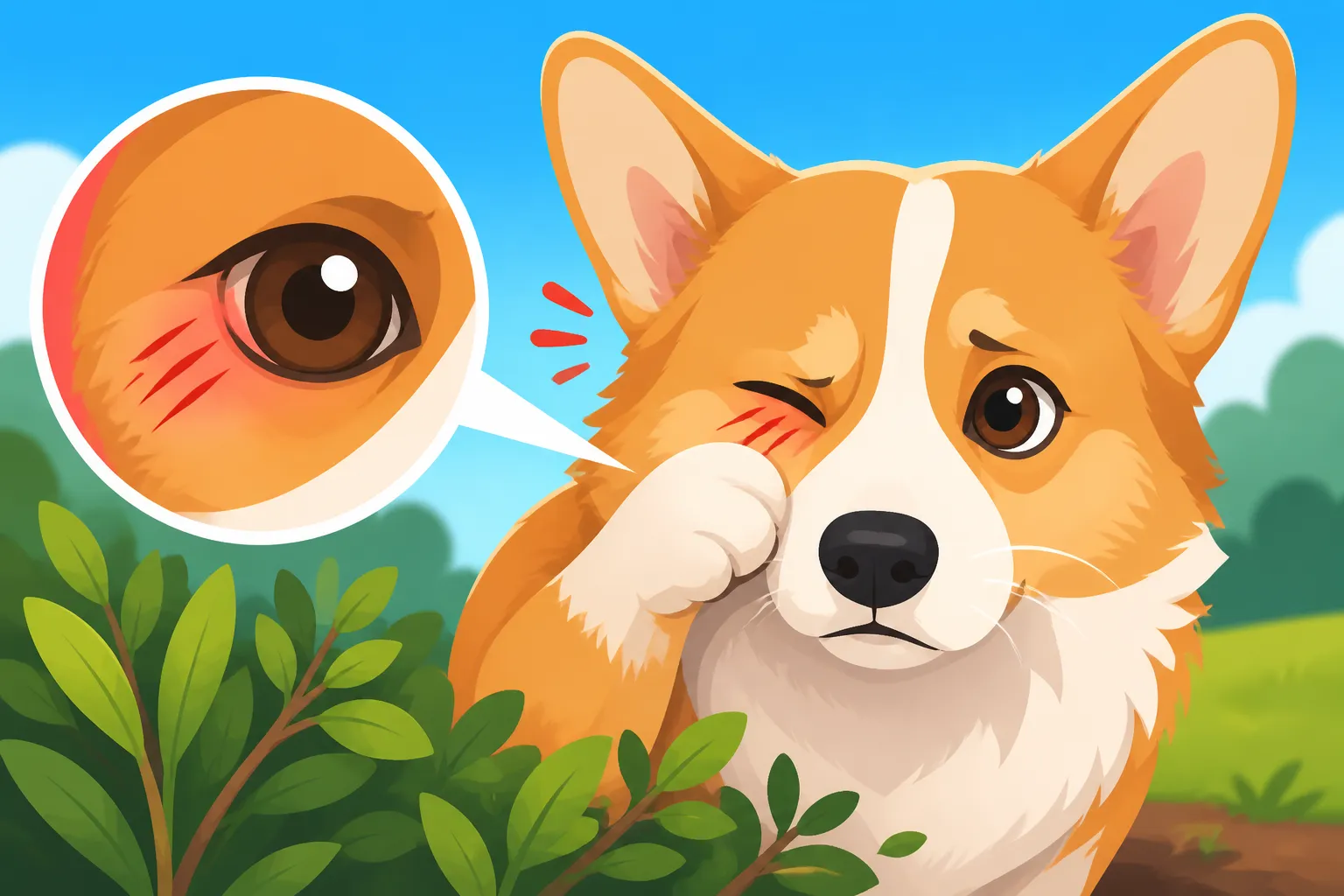
When a Corgi gets a scratch on its eye, it's usually quite painful, and they'll show it. The most immediate sign you might notice is excessive blinking or holding the eye partially or completely shut. This is their natural response to discomfort and an attempt to protect the injured eye. You might also see increased tearing, with watery discharge running down their face, which can be clear or sometimes tinged with mucus.
Another common symptom is redness in and around the eye. The white part of their eye (sclera) might appear bloodshot, and the eyelid margins might look inflamed. Your Corgi might also start rubbing their face or pawing at the affected eye. While this is an attempt to alleviate the discomfort, it can unfortunately worsen the injury by introducing more bacteria or causing further trauma. If you see your dog doing this, try to gently distract them or carefully prevent them from rubbing, as this is a prime way for a simple scratch to become a much larger problem. Pay close attention to any changes in the appearance of the eye itself—a cloudiness, a change in pupil size, or even a visible foreign object, though these are less common with simple scratches.
When to Seek Immediate Veterinary Attention
Any eye injury is considered an emergency. Even if it seems like a minor scratch, the eye is too delicate and vital to take chances. You need to contact your veterinarian right away. There are, however, some signs that should send you rushing to the emergency vet clinic without delay. If you notice severe pain, intense squinting that doesn't let up, or if your Corgi seems disoriented or bumping into things, it could indicate a more serious problem. This is especially true if you observe A Corgi Bumping Into Things at Dusk, which could point to pre-existing vision issues exacerbated by the injury.
Discharge that is thick, yellow, or green, rather than clear and watery, often indicates a bacterial infection has set in, requiring immediate antibiotic treatment. Any visible puncture, blood in the eye, or a sudden change in the size or shape of the eyeball itself are critical signs that cannot wait. Time is of the essence, as corneal ulcers can rapidly deepen, and prompt intervention is key to preserving your Corgi's vision. Don't try to self-diagnose or treat with old medications you might have around; only a vet can properly assess the damage and prescribe the correct course of action. Pet insurance providers like Healthy Paws often cover emergency visits for accidental injuries, providing a vital safety net for these unexpected situations.
Here’s a quick reference table for identifying potential eye issues:
| Symptom | Description | Urgency |
|---|---|---|
| Squinting/Closed Eye | Holding one or both eyes partially or completely shut. | Immediate vet visit |
| Excessive Tearing | Constant clear or slightly watery discharge. | Vet visit within 24 hours |
| Redness | Bloodshot white of the eye (sclera) or inflamed eyelids. | Vet visit within 24 hours |
| Pawing/Rubbing Eye | Repeated attempts to rub or scratch the affected eye with a paw or on furniture. | Prevent rubbing, immediate vet visit |
| Thick/Colored Discharge | Yellow, green, or pus-like discharge. | Emergency vet visit |
| Cloudiness of Eye | A hazy or opaque appearance over the cornea. | Emergency vet visit |
| Visible Foreign Object | Any plant material, dirt, or debris seen on the surface of the eye. | Emergency vet visit |
| Swelling Around Eye | Puffiness or inflammation of the eyelids or surrounding tissue. | Immediate vet visit |
| Sensitivity to Light | Avoiding bright areas, seeking out darker spots. | Immediate vet visit |
First Aid and Professional Veterinary Care
When you suspect an eye injury, a calm and swift response can make a significant difference in your Corgi's outcome. While your first priority should always be getting to the vet, there are a few things you can do to provide immediate comfort and prevent further harm.
What to Do at Home Before the Vet Visit
First and foremost, try to prevent your Corgi from rubbing or pawing at their eye. This can be easier said than done, especially if they are in pain. You might need to gently hold their head or, if you have one readily available from a previous incident, carefully put an Elizabethan collar (e-collar or "cone") on them. This physically blocks them from reaching their face. If you don't have an e-collar, simply trying to keep their attention diverted with gentle words or a favorite blanket can sometimes help temporarily.
You can also try to gently flush the eye with a sterile saline solution, specifically one labeled for ophthalmic use or wound flushing. Do NOT use contact lens solution, tap water, or any medicated eye drops not prescribed for this specific injury. The goal is simply to rinse away any loose debris that might still be present. Have your Corgi lie down or gently hold their head still, and carefully squirt the saline from the inner corner of the eye towards the outer corner, allowing it to wash over the surface. Do not touch the tip of the bottle to the eye. Even if you see a foreign object, avoid trying to remove it yourself unless it's clearly just a loose eyelash that you can gently wipe away with a damp cotton ball from the outside of the eye. Your primary goal is to minimize further irritation and get to the vet.
Veterinary Assessment and Treatment Options
Once you arrive at the vet, they will conduct a thorough examination. This usually involves several steps to accurately diagnose the problem. They'll likely use an ophthalmoscope to look at the structures of the eye and may apply a special fluorescein stain. This orange dye sticks to any damaged areas on the cornea (the clear outer layer of the eye) and glows bright green under a blue light, making even tiny scratches or ulcers visible. This test is indispensable for confirming a corneal abrasion.
Depending on the severity and nature of the injury, treatment can vary. For simple scratches, the vet will typically prescribe antibiotic eye drops or ointment to prevent infection, and often a pain reliever. They might also prescribe atropine drops to dilate the pupil, which helps reduce pain from muscle spasms in the eye. You'll be instructed on how to administer these medications, which can sometimes be tricky with a wiggly Corgi! Often, an e-collar will be mandatory to wear 24/7 until the eye is fully healed to prevent self-trauma. Follow your vet's instructions precisely, as skipping doses or removing the cone too early can lead to complications.
In more severe cases, such as a deep ulcer or a puncture wound, surgical intervention might be necessary. This could involve debriding (cleaning) the ulcer, or even performing a conjunctival flap surgery where a piece of the eyelid's lining is temporarily sutured over the damaged cornea to help it heal. For particularly complex or persistent issues, your regular veterinarian might recommend a consultation with a veterinary ophthalmologist, a specialist who has advanced training in eye conditions. Keeping a close eye on your Corgi's progress and attending all follow-up appointments are vital for successful recovery. Remember, The Vet Visits a Corgi Puppy Needs First are just the beginning; eye care is ongoing throughout their life.
Preventing Corgi Eye Scratches from Undergrowth
The best treatment for an eye scratch is preventing it from happening in the first place. Given their low stature and enthusiastic nature, completely eliminating the risk might be impossible, but there are many proactive steps you can take to significantly reduce the chances of your Corgi sustaining an eye injury from low undergrowth.
Environmental Management and Safe Walking Practices
One of the most effective ways to prevent eye injuries is to be mindful of where your Corgi walks and plays. When you're out on walks, stick to paved paths or mowed areas as much as possible, especially in parks or trails. If you venture into areas with tall grass, weeds, or brush, keep your Corgi on a shorter leash and try to guide them around the densest patches. Be the "scout" for your low-rider, checking the immediate path for sharp twigs or thorny plants.
In your own backyard, regularly trim back any low-hanging branches, thorny bushes, or tall, stiff weeds that are at your Corgi's eye level. Consider fencing off areas of your garden with particularly dense or scratchy vegetation. If you have decorative grasses or certain perennial plants, assess if they pose a risk. Mulching garden beds with softer materials like cedar chips instead of jagged stones can also help. Remember, your Corgi lives in a world that's often just inches off the ground, so you need to look at your environment from their perspective. Simple home modifications, like installing Ramps and Steps That Save a Corgi's Back, also coincidentally reduce the chance of eye injuries from jumping on/off furniture into hidden dangers.
Protective Gear and Grooming
While not every Corgi will tolerate it, protective eyewear can be a game-changer for those who are prone to eye injuries or for specific activities. "Doggles" or other brands of dog goggles are designed to fit a dog's face and provide a barrier against debris, wind, and even harmful UV rays. It takes some time and positive reinforcement to get a dog used to wearing them, but for Corgis who love to hike through varied terrain or stick their heads out car windows (which is also not recommended for eye safety due to flying debris!), they can be an invaluable tool. Start with short periods and reward heavily.
Regular grooming also plays a role. Keep the fur around your Corgi's eyes neatly trimmed, especially if they have longer facial hair. This prevents stray hairs from irritating the eye or potentially collecting debris. While we typically don't recommend shaving a Corgi's double coat, a careful trim around the eyes and muzzle by a professional groomer or yourself (with appropriate safety shears) can keep their vision clear and reduce the likelihood of small items getting caught near the eye. This is also important for general eye health, as issues like Corgi Eye Disease and PRA can be harder to detect if the fur is constantly obscuring the eye. If you're unsure about trimming near the eyes, always consult your groomer or vet.
Regular Eye Health Checks
Finally, integrate regular eye health checks into your routine. During your daily interactions with your Corgi, take a moment to gently examine their eyes. Look for clarity, brightness, and any signs of redness, discharge, or squinting. Be proactive about addressing any concerns, no matter how small. Early detection is key to preventing minor issues from becoming major problems.
It's also beneficial to discuss eye health with your veterinarian during annual check-ups. They can perform a thorough examination, which may include checking for conditions like Cataracts and Lens Problems in a Corgi or Retinal Dysplasia in a Corgi. If your Corgi is from a breeder, inquire about their history of eye health screenings, such as Whether Corgi Eyes Are Checked Before Breeding. Reputable breeders often conduct these tests to ensure healthy lineage. Maintaining pet insurance like Healthy Paws can also give you peace of mind, knowing that if an unexpected eye injury or other health issue arises, you have support for the veterinary costs involved, allowing you to prioritize your Corgi's health without financial strain. Being diligent about your Corgi's eye health helps ensure they enjoy a long, comfortable life full of curious sniffing and happy adventures, safely.
Disclaimer
This article is intended for informational purposes only and does not constitute professional veterinary advice. Always consult with a qualified veterinarian for any health concerns or before making any decisions about your Corgi's medical care.