Joint Damage From Corgi Weight Gain
It's a tough truth that many Corgi owners grapple with: those adorable, round bellies we love to rub can actually be slowly but surely damaging our beloved pups from the inside out. Extra weight, even just a few pounds, puts immense strain on a Corgi's already unique skeletal structure, especially their delicate joints and long back. This guide will walk you through exactly how weight gain impacts your Corgi's joint health, the common problems it aggravates, and what you can do to protect your furry friend.
Understanding How Weight Impacts Corgi Joints
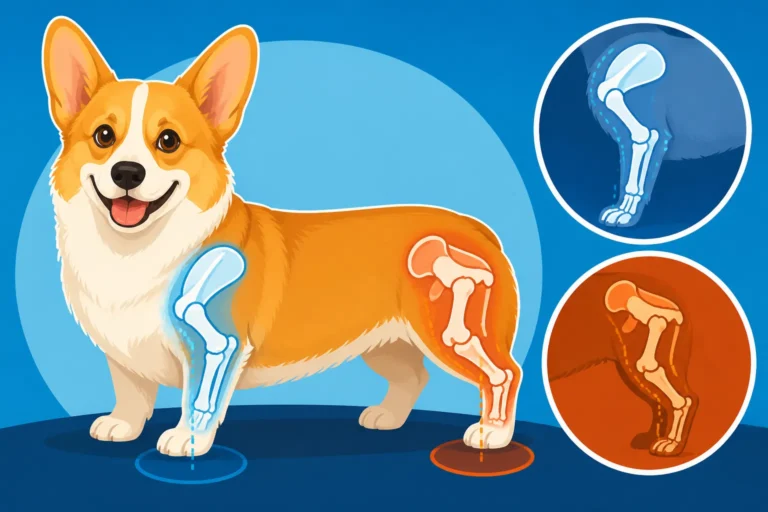
When you look at a Corgi, you immediately notice their characteristic long body and short legs. It's part of their charm, but it also presents a unique set of biomechanical challenges. Adding extra weight to this already distinctive frame is like asking a small, low-slung car to carry an engine designed for a much larger vehicle – something is bound to give under the pressure.
The Unique Challenges of a Corgi's Structure
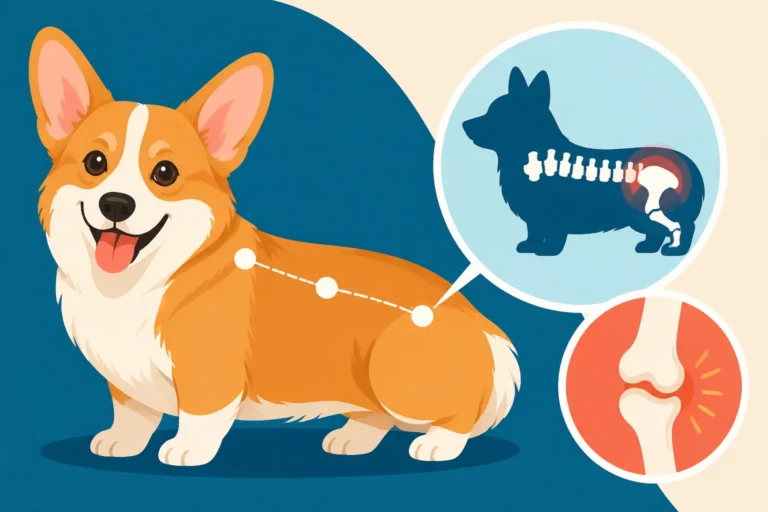
Corgis, particularly the Pembroke Welsh Corgi, are chondrodystrophic breeds, meaning they have a genetic predisposition for disproportionately short limbs and long backs. This makes them inherently more susceptible to certain orthopedic conditions compared to breeds with more balanced proportions. Their spine, already a potential weak point prone to issues like intervertebral disc disease (IVDD), becomes even more vulnerable when excess weight is added into the equation. It's a fundamental design flaw that we, as Corgi parents, need to be acutely aware of and actively manage.
Think about the leverage involved. A Corgi's body acts like a lever, with the short legs as the fulcrum. Every extra pound on that long body puts disproportionately more stress on the joints – hips, knees, elbows, and especially the spinal discs. Imagine carrying a heavy backpack all day, every day; eventually, your back and knees would ache. Our Corgis experience this, but compounded by their specific build. Understanding Why a Corgi's Back Is Built the Way It Is helps us appreciate the fragility involved.
The Direct Pressure of Extra Pounds
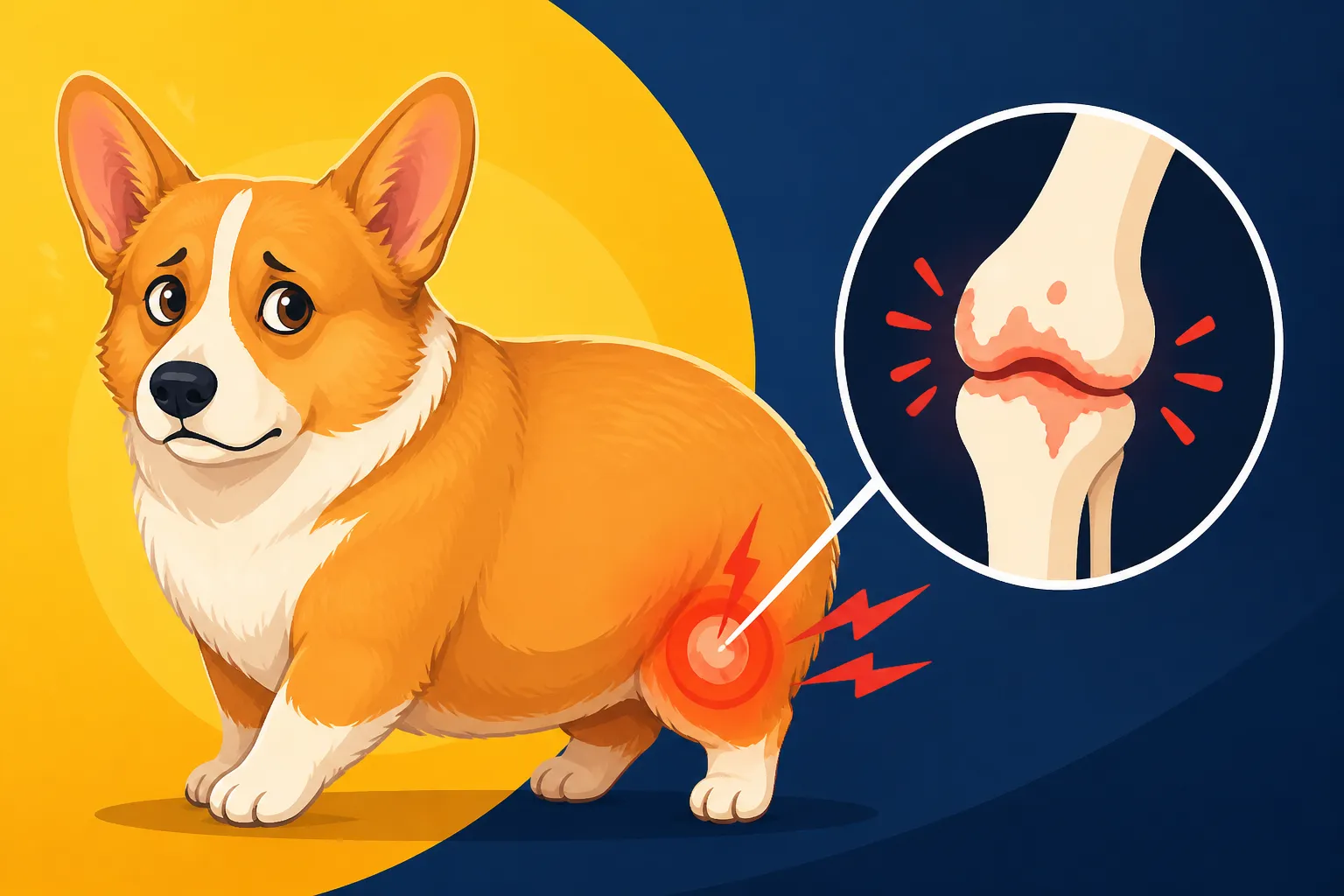
The most obvious impact of excess weight on a Corgi's joints is the sheer physical burden. Every step, every jump, every movement forces those extra pounds onto cartilage, ligaments, and bones. Over time, this constant, excessive pressure leads to the breakdown of cartilage, which is the protective cushioning between bones in a joint. Once that cartilage starts to wear thin, bones begin to rub against each other, causing pain, inflammation, and stiffness. This isn't just about an occasional ache; it's a chronic, progressive degradation that diminishes their quality of life.
Consider a Corgi weighing 35 pounds when their ideal weight might be closer to 28 pounds. That's a 7-pound difference, which might not sound like much to us, but for a dog of their size, it's a significant percentage of their body weight. It's akin to a human carrying an extra 40-50 pounds every single day. The knees, hips, and elbows, which are critical for mobility and stability, bear the brunt of this added load. This constant stress can also lead to issues like Cruciate Injury in a Heavy Corgi, a painful rupture that often requires extensive surgery and recovery.
The Inflammatory Effect of Fat
Beyond the mechanical stress, excess fat itself is not just inert tissue; it's metabolically active and produces inflammatory hormones and chemicals. These substances circulate throughout your Corgi's body, contributing to systemic inflammation. This means that fat cells are actively exacerbating joint pain and degeneration, not just passively adding weight. So, an overweight Corgi isn't just dealing with mechanical strain; they're fighting an internal chemical battle that makes their joint issues worse.
This inflammatory response can turn a mild, occasional stiffness into persistent, nagging pain. The body's natural healing processes are hampered by this chronic inflammation, making it harder for joints to repair themselves and accelerating the progression of degenerative diseases. It's a vicious cycle: more fat leads to more inflammation, which leads to more joint damage, which often leads to less activity, and thus more weight gain. This is why addressing weight gain is so crucial – it tackles both the physical and biochemical aspects of joint health.
Common Joint Issues Exacerbated by Excess Weight
While Corgis are predisposed to certain joint problems due to their genetics, being overweight acts as a powerful accelerator, turning potential issues into debilitating realities much sooner and with greater severity.
Osteoarthritis and Degenerative Joint Disease
Osteoarthritis, often called degenerative joint disease (DJD), is a common and painful condition, particularly in aging dogs. It involves the progressive, irreversible breakdown of cartilage in the joints, leading to pain, stiffness, and reduced mobility. For a Corgi carrying extra weight, the onset of Early Arthritis in a Corgi is often hastened, and its progression is significantly accelerated. The added pressure on already vulnerable joints literally grinds away the protective cartilage faster.
Imagine your Corgi struggling to get up after a nap, or hesitating before jumping onto the sofa (which, ideally, they shouldn't be jumping off in the first place, but we'll get to that). This isn't just "getting old"; it's likely osteoarthritis, made far worse by those extra pounds. The increased inflammation from fat cells only pours fuel on this fire, making the pain more intense and widespread. Veterinary professionals often point to weight management as the single most impactful intervention for dogs suffering from or at risk of osteoarthritis.
Patellar Luxation and its Worsening Effects
Patellar luxation, or a "slipped kneecap," is another orthopedic condition often seen in Corgis and other small breeds. It occurs when the kneecap (patella) slips out of its groove in the thigh bone (femur). While it can be genetic, excess weight significantly amplifies the problem. The extra load on the hind limbs stresses the knee joint, making it easier for the patella to dislocate and causing more wear and tear on the surrounding structures.
A Corgi with patellar luxation might skip, hop, or hold a leg up for a few steps before putting weight back on it. If they are overweight, this slipping can become more frequent and painful, leading to accelerated arthritic changes in the knee joint itself. In severe cases, surgical correction might be necessary, and recovering from such surgery is far more challenging for an overweight dog. Keeping a Corgi at their ideal weight is perhaps the best non-surgical defense against the progression and severity of this condition.
Exacerbating Intervertebral Disc Disease IVDD
This is perhaps the most critical concern for Corgi owners. Intervertebral Disc Disease (IVDD) is a devastating condition where the discs between the vertebrae in the spine either bulge or rupture, pressing on the spinal cord and causing pain, weakness, and even paralysis. Corgis are highly prone to IVDD due to their chondrodystrophic genetics. While IVDD can occur in any Corgi, regardless of weight, excess weight acts as a massive contributing factor and exacerbator.
The spine is designed to handle a certain amount of load, but an overweight Corgi places undue stress on these delicate discs constantly. Imagine the long, low spine having to support an additional several pounds day in and day out. This continuous strain can weaken the discs, making them more susceptible to herniation during a sudden movement, jump, or even just a misstep. Preventing Why Corgi Weight Is a Spinal Problem is paramount, and reducing weight is one of the most effective preventative measures you can take to lessen the risk and severity of an IVDD episode. The consequences of a disc rupture can be severe, often requiring emergency surgery and intensive rehabilitation, making proactive weight management a lifesaver.
Recognizing the Signs and Taking Action
As Corgi parents, we're attuned to our furry companions, but sometimes the signs of pain can be subtle, especially when our dogs are masters at hiding discomfort. It's crucial to be vigilant and proactive.
Subtle Indicators of Joint Pain
A Corgi in pain might not cry out or limp dramatically at first. Instead, you might notice more subtle changes in their behavior or movement patterns. Are they slower to get up in the morning? Do they hesitate before jumping on furniture or using stairs (which, again, ideally should be avoided or aided by ramps)? Perhaps they're not as enthusiastic about walks, or they're reluctant to play fetch for as long as they used to. You might observe a stiff or bunny-hopping gait, or a slight favoring of one leg. Some Corgis might even become a bit grumpier or less tolerant of being touched in certain areas.
Pay attention to how they walk: do they scuff their nails on their back feet? Are their back legs crossing over each other when they walk? These are often early indicators of neurological or orthopedic issues, which are made worse by weight. Keep an eye out for changes in their normal routine or personality. A Corgi who usually greets you at the door might now wait for you to come to them. If you suspect any discomfort, don't wait; consult your veterinarian. Early intervention is key to managing joint pain and preventing further damage. You can also monitor their The Body Condition Score a Corgi Should Hold by gently feeling their ribs and looking for a waistline.
Strategies for Weight Management and Joint Support
Taking action starts with a realistic assessment of your Corgi's current weight. Your vet can help you determine their What an Ideal Corgi Weighs and if they're carrying too many pounds. Once you know, the most effective strategy is a combination of diet modification and appropriate exercise. Reducing calorie intake is typically the cornerstone of weight loss. This doesn't mean starving your Corgi, but rather feeding measured portions of a high-quality, nutritionally balanced food, and limiting treats. Discuss specific feeding plans with your vet.
In terms of exercise, consistency is more important than intensity. Short, frequent walks on soft surfaces are preferable to long, strenuous hikes that could stress their joints. Avoid high-impact activities like jumping. For joint support, your vet might recommend supplements containing glucosamine, chondroitin, and omega-3 fatty acids. While supplements can help, they are not a substitute for weight loss. Additionally, consider modifying your home environment with Ramps and Steps That Save a Corgi's Back to prevent dangerous jumps and lessen strain on their spine and joints. Investing in a good pet insurance plan, like those offered by Healthy Paws, can provide peace of mind for potential future joint issues, making it easier to afford treatments like Physiotherapy for a Corgi Losing Its Legs if needed.
When to Seek Veterinary Intervention
Anytime you notice changes in your Corgi's mobility, behavior, or apparent comfort, it's time to call your veterinarian. Don't assume it's "just old age" or a temporary stiffness. Prompt veterinary attention is crucial for diagnosing the underlying cause of joint pain and initiating appropriate treatment. Your vet may perform a physical exam, possibly including X-rays or other imaging, to assess the extent of joint damage. They can also provide a tailored weight loss plan, prescribe pain management medications if necessary, and recommend therapies like hydrotherapy or acupuncture.
Remember, veterinarians are your best partners in your Corgi's health journey. They can distinguish between different types of pain and guide you on the best course of action. If your Corgi suddenly can't use their back legs, or is crying out in severe pain, this is an emergency. Act quickly, as early treatment for conditions like IVDD can significantly improve outcomes. A responsive vet, combined with comprehensive pet insurance like Healthy Paws, ensures your Corgi gets the immediate and ongoing care they need without financial stress.
Preventing Weight-Related Joint Problems in Corgis
The best offense is a good defense, especially when it comes to your Corgi's long-term joint health. Proactive prevention of weight gain is far easier and less painful than trying to manage existing joint disease.
Establishing a Healthy Diet from Puppyhood
The foundation for a healthy weight and sound joints begins when your Corgi is just a puppy. It's tempting to free-feed or give endless treats to an adorable Corgi pup, but this sets them up for a lifetime of struggle. Instead, establish healthy eating habits early on. Feed high-quality puppy food in measured portions, tailored to their age and expected adult weight. Avoid letting your Corgi puppy become "chubby"; a lean physique as they grow is crucial for their developing joints.
Regular weigh-ins during The Vet Visits a Corgi Puppy Needs First are essential to ensure they're growing appropriately without gaining excess fat. Your vet can provide specific recommendations for feeding amounts and appropriate puppy foods. Remember, those cute puppy rolls can translate directly into adult joint issues down the line. It's much easier to prevent weight gain than to lose it once it's accumulated.
Safe Exercise Routines for Corgis
Exercise is vital for maintaining a healthy weight and strengthening muscles that support the joints, but it needs to be the right kind of exercise for a Corgi. Their short legs and long backs mean that high-impact activities like jumping from heights (sofas, beds, cars) or extensive stair climbing should be minimized or avoided altogether. Instead, focus on daily, moderate-intensity walks on flat, stable surfaces. Think consistent, enjoyable strolls rather than intense sprints.
Mental stimulation through training, puzzle toys, and scent work can also help burn calories and keep your Corgi engaged without putting extra strain on their body. If you're considering dog sports like agility, discuss it thoroughly with your vet to ensure it's appropriate for your Corgi's structure and age, and always choose activities with low jumps and weave poles that won't twist their spine. Using a properly fitted harness rather than a collar can also help protect their neck and back during walks, and remember, Whether a Corgi Should Wear a Harness Not a Collar is a frequent discussion point for good reason.
Proactive Care and Regular Vet Check-ups
Even if your Corgi seems perfectly healthy, regular veterinary check-ups are non-negotiable. These appointments allow your vet to monitor your Corgi's weight, assess their joint health, and catch any subtle issues before they become major problems. Your vet can help you create a personalized nutrition and exercise plan, recommend preventative supplements if needed, and discuss any early signs of concern. Early detection and intervention are key to preserving your Corgi's mobility and quality of life for as long as possible.
Consider adding pet insurance like Healthy Paws to your proactive care plan. While it won't prevent joint issues, it can significantly ease the financial burden if your Corgi develops a chronic condition or requires expensive treatment down the line. Proactive care also involves managing your home environment: ensuring non-slip flooring, providing orthopedic beds, and using ramps for access to cars or furniture. These small adjustments can make a huge difference in protecting your Corgi's precious joints throughout their life.
Disclaimer
This article is intended for informational purposes only and does not constitute veterinary advice. Always consult with a qualified veterinarian for any health concerns or before making any decisions about your Corgi's care, diet, or treatment plan. Individual needs may vary.