Elbow and Front Leg Problems in a Corgi
It's a common worry among Corgi parents, isn't it? You adore their distinctive, low-slung build, but deep down, there's always that nagging thought about how those short legs and long back cope with daily life. While much attention often goes to their spines, the truth is, a Corgi's front legs and elbows are just as susceptible to a unique set of challenges due to their very specific body structure. This guide is here to walk you through understanding these potential issues, recognizing the subtle signs, and equipping you with the knowledge to keep your beloved Corgi striding comfortably and happily for years to come.
Understanding the Corgi's Unique Front-End Structure
Corgis, both Pembroke and Cardigan Welsh Corgis, belong to a group of breeds classified as chondrodystrophic. This fancy term simply means they have a form of dwarfism that affects cartilage and bone development, resulting in their characteristic short legs and elongated bodies. While undeniably adorable, this unique genetic trait, often explored when we talk about What Chondrodystrophy Means for a Corgi, also presents specific biomechanical challenges for their joints, especially in the front limbs. Their construction isn't just about appearance; it fundamentally alters how their weight is distributed and how their joints bear impact.
The Anatomy of a Corgi's Front Legs
Imagine a standard dog's anatomy, then compress the leg bones. That’s essentially what happens with a Corgi. Their humerus, radius, and ulna – the bones of the front leg – are disproportionately short compared to their body length. This isn't just a matter of scale; the angles and relationships between these bones, particularly around the elbow joint, can be altered. The elbow is a complex hinge joint involving three bones, and when their growth and alignment are off, it can lead to chronic issues. The forearm bones, the radius and ulna, need to grow at a perfectly synchronized rate. If one grows faster or slower than the other, it creates an uneven joint surface in the elbow, leading to painful grinding and abnormal pressure.
Furthermore, a Corgi’s chest is deep and wide, and their legs are positioned further out to the sides compared to many other breeds. This stance, while functional for their original purpose of herding cattle by nipping at their heels and avoiding kicks, puts different stresses on their shoulder, elbow, and carpal (wrist) joints. Their front assembly is designed for stability and strength rather than height, allowing them to move quickly and low to the ground. However, this robust, compact design also means that any small deviation in joint development can have significant consequences. Their front legs are the primary weight-bearing limbs when they're running and turning, absorbing much of the shock.
How Their Short Legs Affect Weight Distribution
Because of their long backs and short legs, Corgis carry their weight differently than many other dogs. They tend to be "front-loaded," meaning a larger proportion of their body weight is supported by their front limbs. This is exacerbated by their low center of gravity. When a Corgi walks, runs, or jumps, the forces exerted on their elbow and shoulder joints are substantial. Think about it: a relatively heavy body being propelled by short levers. This constant, elevated stress can wear down joint cartilage faster and contribute to the development of conditions like arthritis even at a younger age.
This front-loading dynamic means that maintaining an ideal weight is absolutely crucial for a Corgi. Even an extra pound or two can significantly increase the load on those already predisposed joints. This is a common discussion point when considering Why Corgi Weight Is a Spinal Problem, but it equally applies to their front limbs. Their compact body, as described in The Corgi Body the Standard Describes, is built to be sturdy, but it's not indestructible. Every movement they make, every jump, every twist, places demands on those foundational front legs. Understanding this biomechanical reality is the first step in appreciating why specific front leg issues are so prevalent in the breed.
Common Elbow and Front Leg Issues in Corgis
While Corgis are generally hardy little dogs, their unique conformation does unfortunately predispose them to certain orthopedic problems in their front limbs. These aren't just minor aches and pains; they can significantly impact their quality of life if not managed properly. Knowing what to look out for is key, and getting ahead of these issues with good preventative care is always the best approach.
Elbow Dysplasia: A Persistent Concern
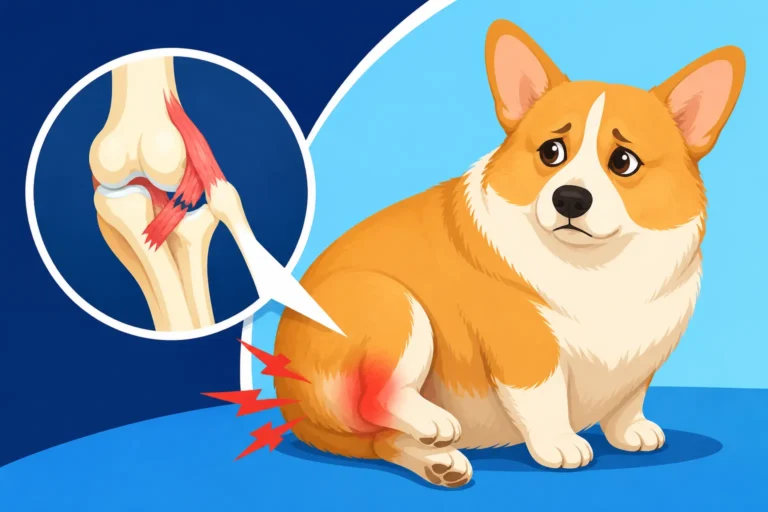
Elbow dysplasia is perhaps the most well-known and concerning front leg issue in Corgis, and frankly, in many medium to large breeds. It's not a single disease but rather a general term encompassing several developmental abnormalities of the elbow joint that lead to osteoarthritis. These conditions include fragmented coronoid process (FCP), ununited anconeal process (UAP), osteochondritis dissecans (OCD), and elbow incongruity (where the bones don't fit together perfectly). All of these involve abnormal bone growth or development within the joint, causing instability, pain, and eventually, degenerative joint disease, or Early Arthritis in a Corgi.
For a Corgi, the symptoms might start subtly. You might notice a slight limp after exercise, or perhaps they're reluctant to jump onto the sofa, something they usually do with gusto. The pain tends to worsen with activity and improve with rest, though chronic cases can lead to persistent lameness. The reason it's such a persistent concern is that it's often bilateral, meaning it affects both elbows, making diagnosis and management more complex. The genetic component is strong, which is why responsible breeders focus on screening their breeding stock, often with X-rays to assess joint health.
Medial Compartment Disease
Medial compartment disease (MCD) is a specific manifestation of elbow dysplasia that frequently affects chondrodystrophic breeds like Corgis. It refers to the degeneration of the cartilage and bone on the inner (medial) side of the elbow joint. This area is subjected to immense pressure, especially in dogs with conformation issues where weight distribution is uneven. Over time, the constant grinding and friction lead to damage, pain, and inflammation. The coronoid process, a small bony projection on the ulna, is particularly vulnerable to fragmentation or malformation in this condition.
When a Corgi suffers from MCD, the pain can be quite severe, and they might hold their affected leg out to the side in an attempt to alleviate pressure on the joint. The lameness can be quite pronounced, and they may be noticeably reluctant to put weight on the limb. This condition often progresses, leading to significant arthritic changes within the elbow. Managing MCD often involves a multi-modal approach, including pain medication, joint supplements, physical therapy, and sometimes, surgical intervention to remove fragmented bone or reshape the joint.
Other Orthopedic Challenges
Beyond elbow dysplasia, Corgis can face other front leg issues, though perhaps less common. Patellar luxation, while more typically associated with hind legs, can sometimes affect the front limbs in smaller breeds, causing the kneecap to slip out of place. This would be a very unusual presentation in a Corgi's front leg (more common in the rear) but worth mentioning as a general orthopedic possibility in dwarf breeds. However, more relevant to their front limbs can be issues like osteochondrosis (OCD) in the shoulder, a condition where cartilage doesn't develop properly and can detach, causing pain and lameness. This is less common than elbow issues in Corgis but can occur.
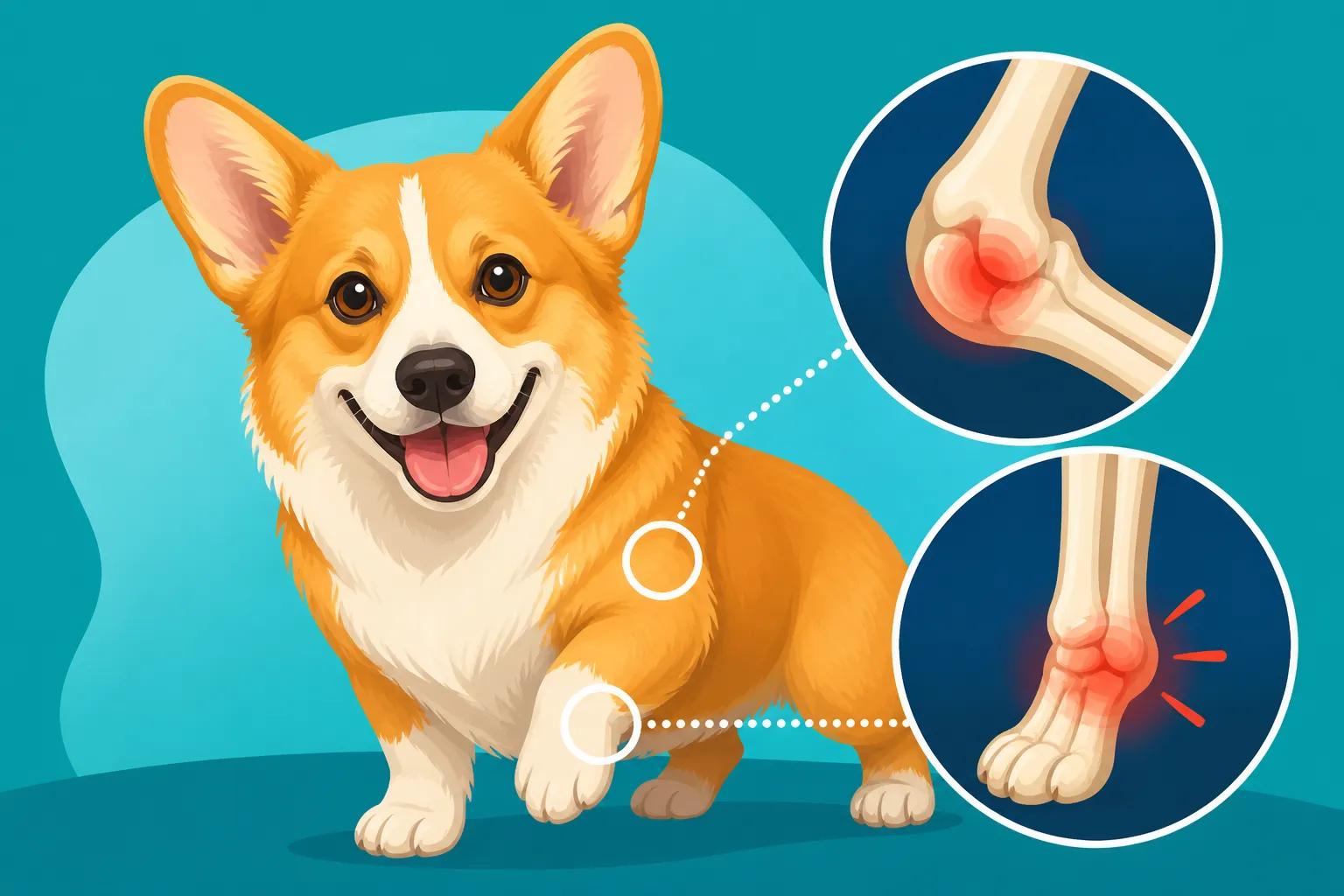
Another consideration, especially as Corgis age, is simple wear-and-tear arthritis in any of the front limb joints – shoulders, elbows, or carpi (wrists). Their short, sturdy legs are constantly working, absorbing impact from their low-to-the-ground lifestyle. Over time, even without a specific developmental anomaly, the cartilage can begin to degrade. This is when you might see a gradual onset of stiffness, especially after rest or in cold weather. It's a reminder that their robust appearance doesn't negate the effects of aging on their joints, and proactive care for Corgi Hips and Front-End Structure should extend to their front limbs as well.
Recognizing the Signs: When to Worry About Your Corgi's Legs
It’s easy to dismiss a subtle limp or a moment of stiffness as just a “Corgi quirk” or a sign of getting older. But with their predisposition to joint issues, especially in their elbows and front legs, it's really important for Corgi parents to be vigilant. Catching these problems early can make a world of difference in managing pain and preserving their mobility. Trust your gut instinct; if something feels off, it probably is.
Subtle Clues and Early Warning Signs
Sometimes, the first indications of a problem are incredibly subtle, and you might not even connect them to their front legs initially. Has your Corgi started avoiding stairs that they used to bound up? Are they hesitant to jump on or off the furniture, even if you have ramps? A dog with front leg discomfort might start to shift their weight more onto their hind legs, or you might notice them sitting with their front legs splayed out or tucked in unusual positions, trying to find comfort. They might also begin to favor one front leg over the other, or show a mild, intermittent limp that disappears after they warm up.
Another common sign is a change in their activity level or enthusiasm for walks and playtime. A Corgi who usually loves to chase balls might start to lag behind or stop playing sooner. You might also notice them grooming the affected area more, licking their elbow or paw, which can indicate discomfort. Pay close attention during and after exercise – do they seem stiffer after a good run, or do they take longer to get up from a nap? Any of these small changes, especially if consistent, are worth noting down and discussing with your veterinarian. They’re often the quiet whispers before the louder cries of pain.
Acute Lameness and Pain Indicators
When a front leg problem becomes more advanced or acute, the signs are usually much clearer. You might see a noticeable, persistent limp or lameness, where your Corgi clearly avoids putting weight on one of their front legs. The lameness can range from a slight head bob (where their head goes down when the "good" leg hits the ground and up when the "bad" leg hits) to complete non-weight-bearing. They might hold the leg up, refusing to put it down. This is an obvious emergency and warrants immediate veterinary attention.
Other clear signs of pain include vocalization – crying, yelping, or groaning when moving or when the affected joint is touched. Your Corgi might become withdrawn, restless, or even aggressive if you try to examine their painful leg. You might also notice swelling or heat around the elbow joint, or muscle atrophy (wasting) in the affected limb due to disuse. Difficulty getting up from a lying position, especially on hard surfaces, and reluctance to lower their head to eat from a bowl on the floor can also be significant indicators. If your Corgi is showing any of these acute signs, don't delay – get them to a vet. Prompt diagnosis and treatment can prevent further damage and alleviate suffering.
| Symptom Category | Subtle Clues (Early Warning) | Acute Signs (Urgent Concern) |
|---|---|---|
| Mobility | Hesitancy to jump/use stairs, mild intermittent limp | Persistent lameness, non-weight-bearing, dragging leg |
| Posture/Stance | Shifting weight, unusual sitting positions, splayed legs | Holding leg up, abnormal gait, severe limping |
| Behavior | Reduced activity/play, increased grooming of leg, restlessness | Crying/yelping, aggression when touched, withdrawal |
| Physical Exam | No obvious swelling, mild stiffness after rest | Swelling, heat around joint, muscle atrophy |
| Response to Touch | Mild sensitivity | Extreme pain, guarding the limb |
Diagnosis and Treatment Options for Front Leg Problems
When you notice your Corgi struggling with their front legs, it's natural to feel a knot in your stomach. The good news is that veterinary medicine has advanced significantly, offering a range of diagnostic tools and treatment options to help these beloved companions. The first step is always a thorough examination by a qualified vet.
Veterinary Examination and Imaging Techniques
When you bring your Corgi in, your veterinarian will start with a comprehensive physical and orthopedic exam. This involves observing your Corgi's gait, feeling their joints for swelling, pain, and range of motion, and checking for any signs of instability or crepitus (a grinding sensation). They'll ask you detailed questions about when you first noticed symptoms, how they've progressed, and what aggravates or alleviates the discomfort. This initial hands-on assessment is crucial for pinpointing the source of the problem.
Following the physical exam, imaging techniques are almost always necessary for a definitive diagnosis. X-rays are usually the first line of defense. Multiple views of the elbow and shoulder joints will be taken to look for signs of bone remodeling, arthritis, fragmented bone pieces (like in FCP or UAP), or changes in joint space. While X-rays are incredibly useful, sometimes more advanced imaging is needed, especially for subtle soft tissue or cartilage damage. This is where MRI (Magnetic Resonance Imaging) or CT (Computed Tomography) scans come into play. These provide much more detailed cross-sectional images, allowing the vet to see intricate structures of the joint that X-rays might miss. For instance, a CT scan is excellent for identifying fragmented coronoid processes or assessing elbow incongruity. These advanced diagnostics, while an investment, provide the most accurate picture, which is vital for choosing the correct course of action. When considering the costs of these procedures, having pet insurance like Healthy Paws can be a huge relief, covering a significant portion of these diagnostic fees.
Medical Management and Conservative Approaches
Not every front leg problem requires surgery. For many cases, especially early-stage elbow dysplasia or general arthritis, medical management can be very effective in controlling pain and slowing disease progression. This conservative approach typically involves a combination of strategies. Pain relief medications, such as Non-Steroidal Anti-Inflammatory Drugs (NSAIDs), are often prescribed to reduce inflammation and discomfort. Your vet might also recommend joint supplements containing ingredients like glucosamine, chondroitin, and MSM, which support cartilage health. You might even discuss Whether a Corgi Needs Joint Support in Its Bowl to determine the best approach.
Beyond medication, lifestyle adjustments are paramount. Weight management is critical, as discussed in What an Ideal Corgi Weighs, reducing excess strain on the joints. Controlled exercise, avoiding high-impact activities like jumping or prolonged running on hard surfaces, is essential. Instead, gentle, consistent walks and swimming (if your Corgi enjoys it) can help maintain muscle strength without aggravating the joint. Physical therapy, including hydrotherapy (water treadmill), can also be incredibly beneficial. These therapies, often a part of Physiotherapy for a Corgi Losing Its Legs, focus on strengthening muscles, improving range of motion, and reducing pain through non-invasive means. For many Corgis, this conservative, multi-faceted approach can provide a good quality of life for a long time.
Surgical Interventions and Prognosis
When conservative management isn't enough, or if the diagnosis reveals a condition that will only worsen without intervention, surgery may be recommended. The type of surgery depends entirely on the specific issue. For fragmented coronoid processes or ununited anconeal processes, arthroscopic surgery (minimally invasive, using a small camera and instruments) can be performed to remove the problematic bone fragments or reattach them. In cases of severe elbow incongruity or advanced osteoarthritis, more complex procedures like an osteotomy (cutting and reshaping bone) or even total elbow replacement might be considered, though the latter is less common in smaller breeds.
The prognosis after surgery varies. For conditions like FCP treated early, the outcome can be very good, often restoring significant comfort and function. However, surgery for elbow dysplasia aims to manage the condition and slow the progression of arthritis, not to "cure" it entirely, as some degree of degenerative change usually persists. Post-operative care is crucial and often involves strict rest, pain management, and extensive physical rehabilitation. It's a significant commitment, both financially and emotionally, but for many Corgis, it offers the best chance at a pain-free life. It’s also wise to research Insuring a Corgi Before Its First Back Episode as these orthopedic surgeries can be very costly, and having coverage from a provider like Healthy Paws can make a big difference in your ability to pursue the best care for your dog.
Proactive Care and Prevention Strategies
As Corgi parents, we all want our furry companions to live long, healthy lives, free from pain. While some genetic predispositions are out of our control, there's a great deal we can do to proactively protect their unique bodies, especially their front legs and elbows. Prevention truly is better than cure, and it often starts right at home with daily habits.
Maintaining a Healthy Weight and Nutrition
This cannot be stressed enough: a healthy weight is paramount for a Corgi's joint health, especially their front legs which bear so much of their body mass. Every extra pound puts undue stress on their elbows, shoulders, and even their long backs. It's not just about looking svelte; it's about reducing mechanical wear and tear. A Corgi should have a noticeable waist when viewed from above, and you should be able to easily feel their ribs without seeing them.
Feeding a high-quality, balanced diet that provides appropriate nutrients without excess calories is crucial. Measured portions are a must; free-feeding is rarely suitable for Corgis who are often highly food-motivated. Discuss with your vet if a specific diet or supplements, such as omega-3 fatty acids for anti-inflammatory benefits, might be beneficial for your Corgi's joint health. Some premium dog food brands, like Blue Buffalo or Royal Canin, offer formulations specifically designed for joint support in adult dogs, though always consult your vet before making significant dietary changes. Regular body condition scoring at home can help you stay on track, ensuring your Corgi doesn't gradually pack on pounds.
Safe Exercise and Environmental Modifications
Exercise is vital for maintaining muscle mass and joint flexibility, but for a Corgi, it needs to be the right kind of exercise. High-impact activities like jumping off furniture, excessive stair climbing, or intense, sudden stops and starts (like chasing a ball thrown repeatedly) should be minimized or avoided altogether. These movements put tremendous strain on their already sensitive elbow and shoulder joints. Instead, opt for consistent, moderate-intensity activities: regular walks on varied terrains, gentle fetch sessions in the yard, or even swimming.
Consider making environmental modifications to protect their joints. Ramps are your best friend in a Corgi household. Install ramps to allow them to safely access sofas, beds, and vehicles, eliminating the need for jarring jumps. If you have slippery floors, consider adding non-slip rugs or runners to provide better traction, which can prevent slips and falls that could injure their legs. Even small steps, like carrying your Corgi up and down stairs during their prime jumping years, can make a difference in the long run. Thinking ahead about how your Corgi navigates their world can significantly reduce the cumulative stress on their front limbs.
Genetic Screening and Responsible Breeding Practices
For anyone considering bringing a Corgi into their home, or for current Corgi owners interested in the breed's health, understanding genetic screening is paramount. Elbow dysplasia has a strong hereditary component. Responsible breeders will perform health screenings on their breeding stock, including radiographic evaluations of their elbows, to identify and avoid passing on these conditions. Certifications from organizations like the Orthopedic Foundation for Animals (OFA) are invaluable here. The OFA screens for elbow dysplasia, assigning grades that indicate the health of the joint.
When choosing a Corgi puppy, always ask the breeder about the elbow and hip scores of both parents. A reputable breeder should be transparent and proud to share these results, demonstrating their commitment to producing healthy puppies. This information is often included as part of The DNA Tests a Corgi Breeder Should Run. Avoiding breeders who do not conduct these essential health screenings is a critical step in reducing the incidence of elbow and front leg problems in future generations of Corgis. By supporting responsible breeding, you're not just investing in a healthy puppy; you're contributing to the overall health and welfare of the breed.
Living with a Corgi with Chronic Front Leg Issues
Even with the best preventative care, some Corgis will, unfortunately, develop chronic front leg issues. It can be heartbreaking to see your active, spirited companion begin to struggle with pain and reduced mobility. However, a diagnosis of chronic elbow or front leg problems is not a death sentence for your Corgi's quality of life. With dedication, careful management, and a compassionate approach, you can still provide them with many joyful years.
Ongoing Management and Pain Control
Living with a Corgi who has chronic front leg issues means committing to ongoing management and pain control. This is often a lifelong journey, requiring a close working relationship with your veterinarian. Your vet will likely establish a multimodal pain management plan, which might involve a combination of medications. This could include daily NSAIDs, gabapentin for neuropathic pain, or even amantadine for chronic pain. These medications work synergistically to address different aspects of pain and inflammation, providing more comprehensive relief.
Beyond daily medication, other therapies can significantly improve comfort. Regular cold laser therapy sessions, for example, can reduce inflammation and promote healing at a cellular level. Acupuncture, often part of a holistic approach, has also shown promise in managing chronic pain. Your vet might also suggest periodic injections of disease-modifying osteoarthritis drugs (DMOADs) like Adequan, which help protect cartilage and improve joint fluid quality. It's about finding the right combination that works for your individual Corgi, and this may involve some trial and error. Consistency is key, and regular check-ups will allow your vet to adjust the treatment plan as needed, always aiming to keep your Corgi as comfortable as possible.
Mobility Aids and Quality of Life
As conditions progress, your Corgi might benefit immensely from mobility aids designed to reduce strain and increase independence. While often associated with hind leg issues, devices for front legs are also available. Custom-fit support braces for elbows can provide stability and reduce pain for some dogs. For Corgis with significant difficulty walking, a well-fitted full-body harness can provide support, allowing you to gently assist them when getting up or navigating stairs (even with ramps!).
When it comes to severe cases or end-stage arthritis where conventional mobility is significantly compromised, a front-wheel cart or full quad cart can be a game-changer. While the idea of a cart can be daunting for owners, many Corgis adapt remarkably well and regain a surprising amount of independence and joy, allowing them to participate in family walks and enjoy outdoor adventures again. These tools, alongside comfortable, orthopedic beds and non-slip flooring, contribute immensely to their overall quality of life. The goal is always to manage pain and maintain dignity and happiness, ensuring that even with limitations, your Corgi can continue to be an engaged and cherished member of your family. Looking into Mobility Aids for a Corgi That Cannot Walk can provide more detailed information on available options.
Disclaimer
This guide is intended for informational purposes only and does not constitute medical advice. Always consult with a qualified veterinarian for any health concerns or before making any decisions about your Corgi's care.