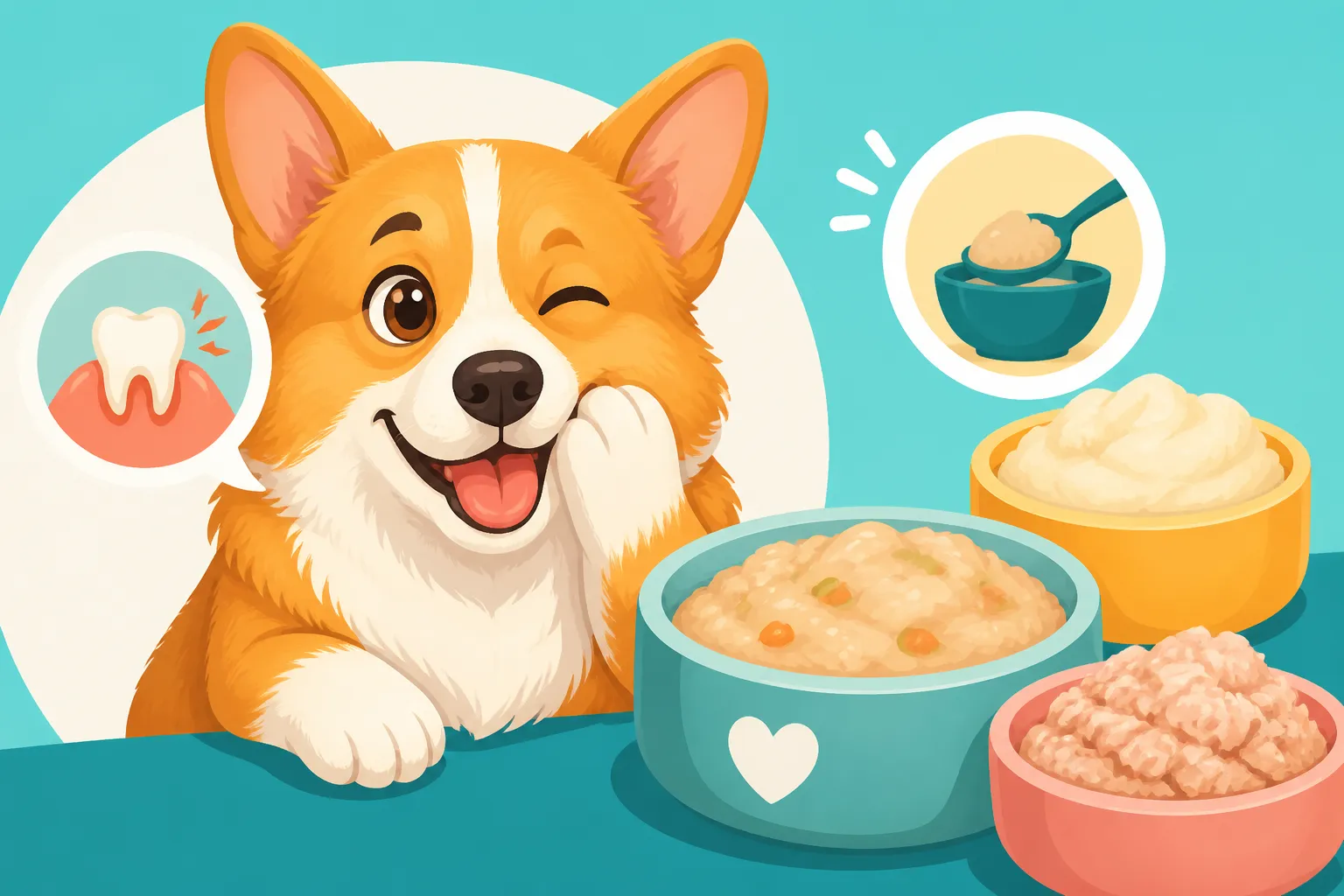
Soft Food for a Corgi With Bad Teeth
It’s a heartbreaking sight: your beloved Corgi, usually a voracious eater, suddenly approaches their food bowl with hesitation, perhaps even picking out pieces and dropping them. You might notice them chewing more slowly, maybe favoring one side of their mouth, or even turning their nose up at their usual kibble. This struggle often points to dental pain, a common but often overlooked issue in our long-backed friends. This guide will walk you through understanding why bad teeth are so prevalent in Corgis, how to spot the signs of dental discomfort, and the many wonderful ways soft food can bring comfort and nutrition back to their mealtime.
Why Bad Teeth Are Such a Problem for Corgis
Our Corgis are tough little dogs, bred for herding cattle, and they often hide discomfort remarkably well. But beneath that brave facade, dental issues can be a constant source of pain. Understanding why Corgis are prone to these problems, and how they manifest, is the first step toward helping them.
The Hidden Pain of Dental Disease
Dental disease isn't just about a little bad breath; it's a progressive, painful condition that can severely impact your Corgi's quality of life. It typically starts innocently enough with plaque, a sticky film of bacteria that forms on their teeth. If not removed, this plaque hardens into tartar, a stubborn, yellowish-brown crust that adheres firmly to the tooth surface. Tartar provides a rough surface for more bacteria to cling to, leading to gingivitis – inflammation of the gums. You might notice their gums looking red and swollen, sometimes even bleeding when they chew.
The real trouble begins when gingivitis progresses to periodontal disease. This is where the infection spreads below the gum line, attacking the supporting structures of the teeth – the bone and ligaments. This process is incredibly painful and often hidden from view. Imagine a constant toothache, throbbing and aching with every bite. Corgis, being stoic, often suffer in silence, only showing subtle signs that can be easily missed. This constant bacterial assault in the mouth can also lead to more serious systemic health issues, as bacteria can enter the bloodstream and affect organs like the heart, kidneys, and liver. It’s a cascading effect that starts with what seems like a simple tooth problem.
How Diet and Breed Traits Contribute
While dental disease can affect any dog, several factors make Corgis particularly susceptible. Their unique jaw structure, while adorable, can sometimes lead to crowded teeth, especially in the back of the mouth. When teeth are packed too closely together, food particles and bacteria get trapped more easily, creating prime conditions for plaque and tartar buildup. These tight spaces are also incredibly difficult for you to clean effectively at home, even with diligent brushing.
Many owners rely on dry kibble to help clean their dog's teeth, and while some specially formulated dental diets can help, regular kibble often doesn't do enough to scrape away plaque effectively from all tooth surfaces, especially for a Corgi with their particular mouth shape. Over time, without proper dental care, that tartar accumulates relentlessly. As a Corgi ages, the risk only increases. It’s not uncommon to see Tartar and Tooth Loss in an Older Corgi become significant issues, leading to chronic pain and difficulty eating. A diet heavy in soft, sticky treats or human foods without proper dental hygiene can also exacerbate the problem, providing more fuel for bacterial growth in the mouth.
Recognizing the Signs Your Corgi Needs Softer Food
Because Corgis are so good at hiding pain, it's crucial for us as their caregivers to be vigilant about spotting the subtle indicators that something might be wrong with their teeth. Don't wait for them to cry out in pain; by then, the problem is usually severe.
Subtle Behavioral Cues at Mealtime
One of the first places you might notice a change is at mealtime. Your Corgi, who once inhaled their food, might start approaching their bowl with hesitation. They might sniff the food, then back away, or take a few bites only to drop kibble on the floor. This "dropping food" behavior is a classic sign of dental pain – they're trying to adjust the food in their mouth to a less painful spot, or it hurts too much to chew it down properly. You might see them chew only on one side of their mouth, tilting their head strangely, or even gulping kibble whole, which isn't great for digestion.
Beyond the immediate meal, pay attention to their overall eating habits. Are they finishing less of their food? Is their appetite diminishing? If your Corgi is consistently leaving food behind or refusing meals, it's a huge red flag that needs investigation. Weight loss, a more advanced sign, can occur if they’re simply not consuming enough calories due to discomfort. You might also notice increased drooling, or a tendency to paw at their mouth after eating, trying to dislodge painful food particles or simply alleviate the constant ache. Sometimes, you can even catch them grinding their teeth, a clear sign of discomfort.
Physical Indicators of Oral Discomfort
While behavior can be subtle, physical signs offer more direct evidence of dental problems. The most common and easily identifiable sign is truly awful breath, known as halitosis. If your Corgi's breath could knock a buzzard off a outhouse, it's not just "dog breath"—it's a sign of a bacterial infection in their mouth. Seriously, it shouldn't smell that bad.
Take a moment to lift their lips and examine their gums and teeth. Healthy gums should be a pale pink, firm, and hug the teeth tightly. If you see gums that are red, swollen, or even bleeding when you gently touch them, that’s a clear indication of gingivitis or more advanced periodontal disease. Look for visible tartar buildup, which often appears as a brownish-yellow crust along the gum line, especially on the back molars and canines. Sometimes, you might even notice a loose tooth or one that looks discolored or chipped. If your Corgi flinches or pulls away when you try to examine their mouth, it's a strong indicator that they're experiencing pain. Regular vet check-ups, including a thorough oral exam, are absolutely essential to catch these issues early. Your vet can perform The Annual Exam Where a Corgi's Back Gets Checked and include a look at their pearly whites.
Exploring Soft Food Options for Dental Health
When your Corgi is struggling with bad teeth, switching to a softer diet can provide immediate relief and ensure they continue to get the nutrition they need. Thankfully, there are many excellent options available, from readily available canned foods to fresh-cooked diets.
Canned Wet Foods and Their Benefits
Canned wet foods are often the go-to solution for Corgis with dental pain, and for good reason. They are typically high in moisture content, making them easy to chew and swallow without irritating sore gums or loose teeth. This soft texture dramatically reduces the pain associated with eating, allowing your Corgi to enjoy their meals again. The increased palatability of wet food is also a huge plus, especially for dogs whose appetites might have waned due to discomfort. Many Corgis, even picky eaters, will eagerly dive into a bowl of wet food.
You'll find a wide variety of textures, from smooth pâtés to chunky stews with gravy. Pâté-style foods are often the easiest for dogs with severe dental issues, as they require minimal chewing. Chunks in gravy can work well if your Corgi still has some chewing ability but needs things softened. When selecting canned food, look for reputable brands that offer complete and balanced nutrition suitable for your dog's age and activity level. You can easily find an extensive range of options on platforms like Chewy or Amazon, often with detailed ingredient lists and customer reviews to help you choose. Just be sure to check the calorie content, as wet foods can sometimes be more calorie-dense or, conversely, less dense, requiring careful portioning to maintain a healthy weight.
Rehydrated or Fresh-Cooked Diets
Beyond traditional canned food, other soft food options can be fantastic for Corgis with dental problems. Freeze-dried or air-dried raw foods, when rehydrated with warm water or low-sodium broth, transform into a soft, palatable meal. This approach offers many of the benefits of raw feeding in a more shelf-stable and easily prepared format, while still providing a soft texture that's gentle on sore mouths. The process is simple: just add liquid, let it sit for a few minutes, and serve.
Another excellent option, particularly if you're looking for fresh, human-grade ingredients, is a fresh-cooked diet. These can be prepared at home under the guidance of a veterinary nutritionist to ensure they are nutritionally complete, or through commercial fresh-food delivery services. Companies like Ollie, for instance, offer pre-portioned, gently cooked meals that are specifically designed to be highly palatable and easy to digest, making them ideal for dogs with dental sensitivities. The benefits of fresh-cooked foods often include improved digestion, better hydration, and a level of palatability that can tempt even the most reluctant eaters. However, always ensure any home-prepared diet is balanced, as simply cooking meat and vegetables might not provide all the necessary vitamins and minerals for your Corgi's long-term health.
Softening Up Existing Kibble
Sometimes, a full switch to a different type of food isn't immediately feasible, or perhaps your Corgi is very attached to their current kibble. In such cases, you can soften their existing dry food to make it more palatable and easier to chew. The simplest method is to add warm water or low-sodium chicken or beef broth to their kibble, then let it sit for about 10-15 minutes. This allows the kibble to absorb the liquid and soften into a mushier texture. For Corgis with very severe pain or very few teeth, you can even blend the softened kibble with water or broth to create a gruel or paste, which they can lap up with minimal effort.
This method has the advantage of keeping your Corgi on a diet they are familiar with and that you know is nutritionally balanced. It also avoids the need for a full dietary transition, which can sometimes upset sensitive stomachs. While it provides immediate relief from chewing pain, remember that simply softening kibble doesn't address the underlying dental disease. It’s a management technique to ensure they eat comfortably while you work with your vet to address the root cause of their dental issues.
Transitioning and Managing a Soft Food Diet
Switching your Corgi to soft food for their bad teeth is a thoughtful process, not just a sudden change. You'll need to consider how to introduce the new diet, how to maintain their oral health given the change, and how to monitor their overall well-being.
The Gradual Switch for Digestive Comfort
Just like with any diet change, transitioning your Corgi to soft food should be done gradually. A sudden switch can often lead to digestive upset, including diarrhea or vomiting, which is the last thing you want when they're already not feeling their best. Start by mixing a small amount of the new soft food with their current softened kibble (if you're using that method) or a very small portion of their current food. Over the course of 7-10 days, slowly increase the proportion of the new soft food while decreasing the old food.
During this transition period, keep a close eye on your Corgi's stool consistency and frequency, as well as their appetite and energy levels. If you notice any signs of stomach upset, slow down the transition even further. For a Corgi already experiencing dental pain, eating might still be a struggle initially, but watch for signs of increasing comfort and enthusiasm at mealtime. Patience is key here; a smooth transition will make the process easier for both of you.
Maintaining Oral Hygiene with Soft Food
It’s crucial to understand that simply switching to soft food, while alleviating pain, does not resolve the underlying dental disease. In fact, some soft foods can even contribute to plaque buildup if they stick to the teeth. Therefore, maintaining oral hygiene remains paramount. Since chewing hard kibble is out, you’ll need to explore other avenues for dental care. This might include using dental wipes on their teeth, applying enzymatic toothpaste (specifically formulated for dogs) with a finger brush, or incorporating dental rinses into their routine. These tools can help reduce plaque and bacteria, even if they can't remove hardened tartar.
Regular veterinary check-ups are more important than ever. Your vet can monitor the progression of their dental disease and recommend professional dental cleanings under anesthesia when necessary. These cleanings are the only way to thoroughly remove tartar above and below the gum line and address infected or damaged teeth. Even if your Corgi is on soft food, the dental issues still exist, and proactive care can prevent further pain and systemic health problems. For an older Corgi, or one already dealing with other health concerns, discussions about Screening an Older Corgi's Spine might also include a thorough dental health assessment.
Monitoring Progress and Adapting as Needed
Once your Corgi is successfully on a soft food diet, ongoing monitoring is essential. Watch for improvements in their eating habits: are they eating more readily? Are they finishing their meals with enthusiasm? Look for changes in their overall demeanor – increased energy, a happier disposition, and a return to their normal playful self can all indicate that they are no longer in constant pain. You’ll also want to monitor their weight closely. Soft foods can vary in caloric density, so you might need to adjust portion sizes to ensure your Corgi maintains a healthy weight. Feeding a Twenty-Eight Pound Corgi should always be a precise affair, and a healthy weight is vital for their overall health, including their back.
Regular follow-up appointments with your veterinarian are non-negotiable. They can assess the effectiveness of the diet change, monitor their dental health, and discuss options for addressing the root cause of the bad teeth, such as professional dental cleaning or extractions. Sometimes, even with a soft food diet, certain painful teeth might need to be removed to provide lasting relief. Your vet can also guide you on any necessary dietary modifications as your Corgi ages or if other health issues arise, perhaps even recommending specific Blood Panels for a Corgi Over Ten to monitor overall health.
Here’s a quick overview of some soft food options:
| Soft Food Type | Pros | Cons | Considerations for Corgis with Bad Teeth |
|---|---|---|---|
| Canned Wet Food | Highly palatable, high moisture, easy to chew/swallow. | Can be more expensive, some brands have lower nutritional value if not premium. | Excellent for severe pain; choose pâté for minimal chewing. Check calories. |
| Rehydrated Freeze/Air-Dried Food | Nutrient-dense, fresh ingredients, soft when rehydrated. | Requires rehydration time, often premium price point. | Good option if you prefer minimal processing; very palatable once soft. |
| Home-Cooked Meals | Fresh ingredients, tailored to preferences, highly palatable. | Must be nutritionally balanced (vet guidance crucial), time-consuming. | Best for control over ingredients; absolutely requires veterinary nutritionist oversight. |
| Softened Kibble | Uses existing food, familiar nutrients, cost-effective. | Doesn't fully address sticking, may not be soft enough for severe pain. | Good for initial transition or mild discomfort; ensure kibble is thoroughly soaked. |
Disclaimer
This article is for general informational purposes only and does not constitute professional advice. Laws, prices and regulations vary by location and change over time. Consult a qualified professional for guidance on your specific situation.