Whether Corgi Shedding Slows With Age
If you've ever owned a Corgi, you know their luxurious double coat comes with a serious commitment to shedding. You might secretly hope that as your beloved Corgi gracefully ages, this furry deluge might somehow lessen, giving your vacuum and lint roller a well-deserved break. Unfortunately, the reality isn't quite so simple, and the question of whether Corgi shedding actually slows down with age is one many devoted owners grapple with. This guide will dive deep into the truths and myths surrounding Corgi shedding as they mature, exploring what really changes, what stays the same, and how you can best manage it to keep your home (and your Corgi!) comfortable.
The Reality of Corgi Shedding at Any Age
Let's be honest, Corgis are champion shredders. It’s part of their charm, or perhaps, their challenge! The idea that shedding significantly tapers off with age is a common misconception, often born of hopeful wishing. While certain aspects might subtly shift, the fundamental nature of their double coat ensures a consistent presence of Corgi glitter in your life, from puppyhood through their golden years.
The Double Coat's Demands
Corgis possess a dense double coat, a true marvel of natural insulation designed for their original job of herding cattle in potentially harsh Welsh weather. This coat consists of two distinct layers: a soft, insulating undercoat that keeps them warm in winter and cool in summer, and a coarser, weather-resistant outer coat (often called guard hairs) that repels dirt and moisture. It’s this ingenious design that makes them so robust, but it’s also the reason for the endless shedding.
Both layers of this coat are constantly in a cycle of growth, rest, and shedding. When one hair falls out, another is usually growing to replace it. This continuous process means that even outside of the "big sheds," your Corgi is routinely losing hair. You'll find it clinging to your clothes, embedded in your carpets, and perhaps even sprinkled into your morning coffee – it’s just a Corgi owner's rite of passage!
This deep, protective coat requires regular maintenance, especially as your Corgi ages and might become less keen on vigorous self-grooming. Understanding its structure is the first step to accepting and effectively managing the shedding that is simply part of living with these wonderful dogs.
"Shedding Season" Versus Year-Round Hair
Many dog breeds have distinct shedding seasons, typically in spring to blow their winter coat and in autumn to prepare for winter. Corgis certainly have these pronounced "blow outs" twice a year, where the sheer volume of hair coming off them can be truly astonishing. During these times, you might collect enough fur to knit a whole new Corgi! It's a natural process driven by changes in temperature and daylight hours, prompting their bodies to adapt their insulation.
However, Corgis don't just shed seasonally; they shed year-round. This is where the term "Corgi glitter" comes from. There isn't a single day you won't find some amount of Corgi hair in your home. It’s less about a specific time of year and more about a constant, ongoing renewal of their protective coat. While the quantity might increase during the seasonal blow-outs, the underlying fact is that Corgi hair is a permanent fixture in a Corgi household.
So, while you might notice a dramatic increase in hair during spring and fall, don't be fooled into thinking your Corgi will stop shedding completely outside of these periods. The year-round shedding is a consistent baseline that every Corgi owner must learn to live with and manage. Knowing Which Months a Corgi Coat Comes Out Worst can help you prepare for the heavier shedding periods.
The Myth of Less Shedding With Age
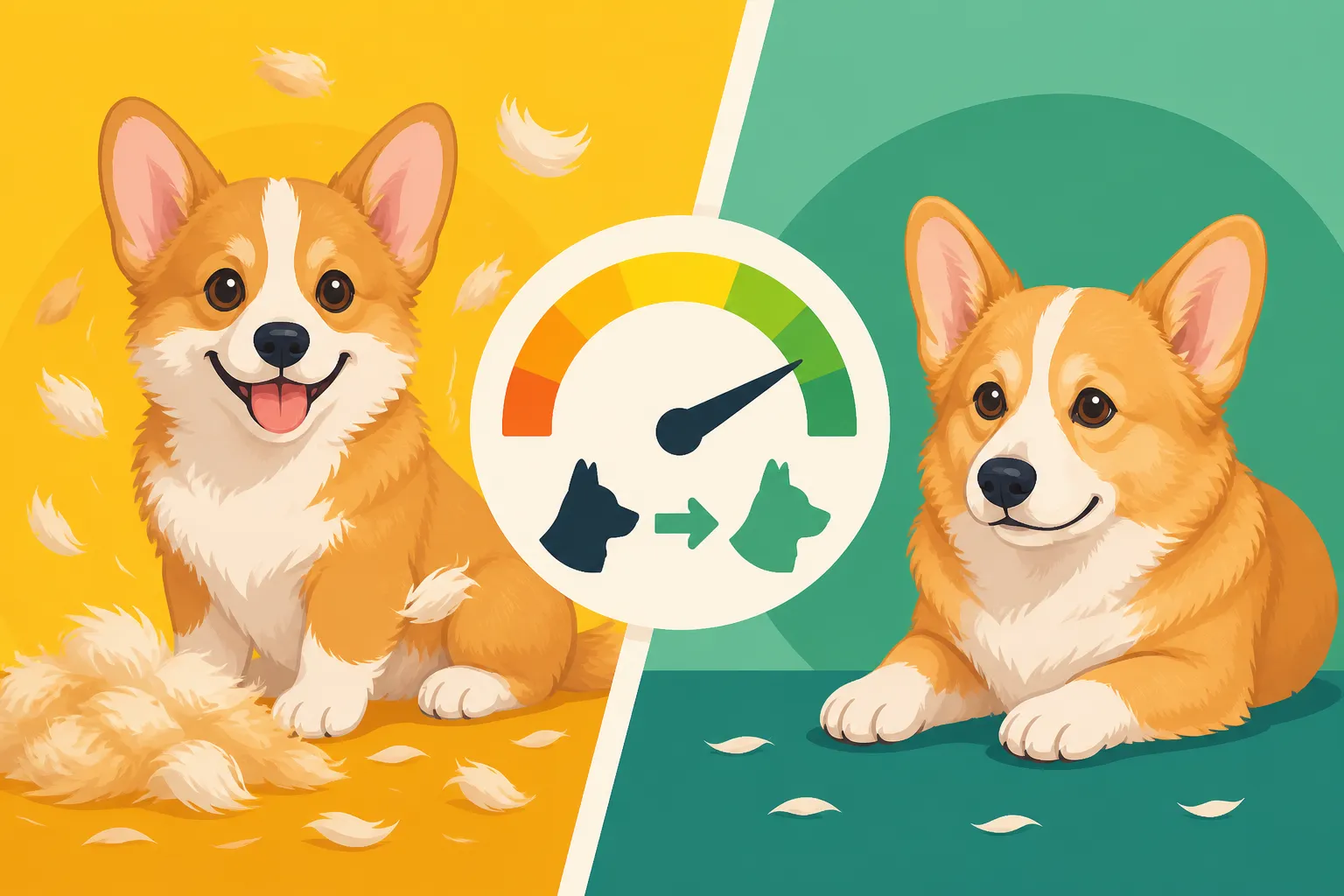
It’s tempting to believe that as our Corgis enter their senior years, their metabolism might slow down, and with it, the rate of hair growth and shedding. Unfortunately, for most Corgis, this isn't a significant reality. While there can be minor individual variations, and some very elderly dogs might have a slightly thinner coat overall, the fundamental shedding mechanism of their double coat remains largely unchanged.
In fact, some older Corgis might even appear to shed more or have poorer coat quality due to underlying health issues. As they age, their skin can become drier, their diet might not be absorbed as efficiently, or they might develop conditions that impact coat health, leading to more noticeable shedding or duller fur. Mobility issues can also make self-grooming more difficult, leading to matting and a build-up of dead undercoat that exacerbates the problem.
So, rather than anticipating a reduction in shedding, it's more realistic to expect consistent shedding and to adapt your grooming and care routine to support your aging Corgi's coat health, especially during the significant seasonal sheds.
Factors Influencing Shedding Beyond Age
While age itself doesn't typically reduce Corgi shedding, several other factors can significantly influence how much hair your Corgi loses and the overall health of their coat. Understanding these elements can empower you to make informed choices that benefit your Corgi's well-being and, by extension, help manage the hair around your home.
Nutrition and Coat Health
A Corgi's diet plays a monumental role in the health and integrity of their coat. Think of their fur as an outward indicator of their internal health. A diet lacking in essential fatty acids, vitamins, or high-quality protein can quickly manifest as a dull, dry coat, excessive shedding, or even skin issues. Good nutrition provides the building blocks for strong hair follicles and a healthy skin barrier.
Look for high-quality dog foods that list a named meat source as the first ingredient. Beyond protein, omega-3 and omega-6 fatty acids are crucial for skin and coat health. Many owners supplement their Corgi's diet with fish oil or specialized skin and coat supplements. Brands like Ollie, known for their fresh, human-grade ingredients, often formulate meals with these essential nutrients in mind, supporting overall vitality which includes a healthy coat. Remember that maintaining an ideal weight is also important, as obesity can impact general health and coat quality; consider discussing The Calorie Target for a Twenty-Eight Pound Corgi with your vet.
Poor nutrition can lead to brittle hair that breaks easily, contributing to more visible shedding. Ensuring your Corgi receives a balanced, appropriate diet is one of the most effective ways to promote a healthy, less problematic coat, regardless of their age.
Hormonal Changes and Spay/Neuter Impact
Hormonal fluctuations can have a noticeable impact on a dog's coat, and this is particularly true for Corgis. Intact females often experience changes in shedding patterns related to their heat cycles, with some "blowing their coat" heavily after a season. Pregnancy and lactation can also trigger significant shedding as their bodies undergo dramatic hormonal shifts.
For both males and females, spaying or neutering can sometimes alter coat texture and density. While not universally true, some Corgis may develop a thicker, softer, or "cottony" undercoat after being altered, which can sometimes lead to more matting and shedding if not properly managed. This is due to changes in their hormonal balance affecting hair growth cycles. This isn't a guarantee, but it's a possibility to be aware of.
If you notice significant changes in your Corgi's coat after a hormonal event or spay/neuter surgery, it's worth discussing with your veterinarian. They can help determine if it's a normal post-surgical change or if there's an underlying issue requiring attention.
Environmental Triggers and Allergies
Your Corgi's environment can also play a huge part in their shedding. Indoor heating and air conditioning, while comfortable for us, can dry out a dog's skin, leading to more shedding. Similarly, exposure to allergens, whether environmental (pollen, dust mites) or food-related, can cause itchy skin, which in turn leads to scratching, biting, and increased hair loss.
A Corgi with allergies might present with red, irritated skin, hot spots, or excessive licking and chewing, all of which damage hair follicles and increase shedding. Identifying and mitigating these triggers can be a challenge, often requiring a veterinarian's input to pinpoint the exact cause and develop a management plan. This might involve special shampoos, dietary changes, or medication.
Regular cleaning of your home to reduce dust and dander, using air purifiers, and ensuring your Corgi's bedding is clean can also contribute to a healthier skin and coat environment. Keeping an eye on Itchy Skin Under a Corgi's Undercoat is important as this can quickly escalate into larger issues.
Managing Shedding in an Aging Corgi
Managing Corgi shedding is a lifelong commitment, but it becomes even more important as your dog ages. Older Corgis may have different needs or be less tolerant of intense grooming sessions. Adapting your approach ensures their comfort while still keeping the inevitable avalanche of fur under control.
Tailored Grooming Routines
Consistent, gentle grooming is the cornerstone of managing Corgi shedding, regardless of age. For an older Corgi, you might need to adjust the frequency and duration of grooming sessions. Instead of one long, intense session, several shorter, gentler ones throughout the week might be more comfortable, especially if they have Pain Relief for an Old Corgi's Back or arthritis. Use a soft voice and plenty of praise to make it a positive experience.
Invest in the right tools. A good quality undercoat rake and a slicker brush are indispensable. The undercoat rake is particularly effective at removing dead, loose undercoat before it ends up on your furniture. Brushing daily, even for just a few minutes, can significantly reduce the amount of hair shed around the house and prevent matting, which can be painful for older dogs. You'll want to ensure you're Brushing a Corgi Daily Through a Shed to really make a difference.
Remember, never shave a Corgi's double coat. It doesn't reduce shedding in the long run and can actually damage their natural insulation, making them more susceptible to temperature extremes and sunburn. Focus on removing the dead hair, not removing the coat itself. Regular baths (with appropriate dog shampoo) followed by thorough drying can also help loosen and remove dead fur. For those hard-to-reach places or if your Corgi is particularly sensitive, local pet stores or online retailers like Chewy and Amazon offer specialized grooming mitts or brushes designed for gentle detangling.
Supporting Skin and Coat Health From Within
Beyond external grooming, supporting your aging Corgi's skin and coat health from the inside out is paramount. As discussed, nutrition is key, but you might also consider supplements. Omega-3 fatty acids, often derived from fish oil, are fantastic for reducing inflammation and promoting a healthy, shiny coat. Glucosamine and chondroitin, while primarily for joint health, can indirectly support overall mobility, making it easier for your Corgi to move and thus making grooming more comfortable for them.
Some Corgis may also benefit from biotin or other specific coat-enhancing supplements, particularly if they have very dry skin or brittle fur. Always discuss any new supplements with your veterinarian, as they can recommend appropriate dosages and ensure they don't interfere with any existing medications or health conditions. Ensuring your Corgi stays well-hydrated is also important; fresh, clean water should always be readily available.
Good overall health directly translates to good coat health. Regular vet check-ups are vital for identifying any underlying medical conditions that might be contributing to excessive shedding or poor coat quality. Early detection and treatment of issues like thyroid problems or kidney disease, for example, can often improve coat condition.
Adapting the Home Environment
When living with a shedding Corgi, especially an aging one, creating a Corgi-friendly home environment can make a world of difference for both of you. Consider investing in easy-to-clean flooring or strategically placed rugs that are simple to vacuum. High-quality vacuum cleaners designed for pet hair are a must-have in a Corgi household.
Provide comfortable, supportive bedding for your older Corgi. Orthopedic beds can ease joint pain, making them more comfortable and less restless, which can indirectly reduce the impact of shedding by allowing them to rest more peacefully. Ramps or steps for beds and sofas can prevent jarring jumps that might exacerbate joint pain, making it easier for them to navigate the home safely and comfortably. You'll find a great selection of these on Amazon or Chewy.
Lastly, consistent cleaning schedules, including vacuuming, dusting, and washing pet bedding regularly, will help keep the accumulation of Corgi hair manageable. While you'll never eliminate it entirely, these efforts will create a cleaner, more pleasant living space for everyone.
When to Consult the Vet About Shedding
While Corgi shedding is a fact of life, there are times when unusual hair loss or changes in coat condition warrant a trip to the veterinarian. It’s important to distinguish between normal shedding and signs of an underlying health problem, especially in an aging Corgi whose immune system or metabolism might be changing.
Unusual Hair Loss Patterns
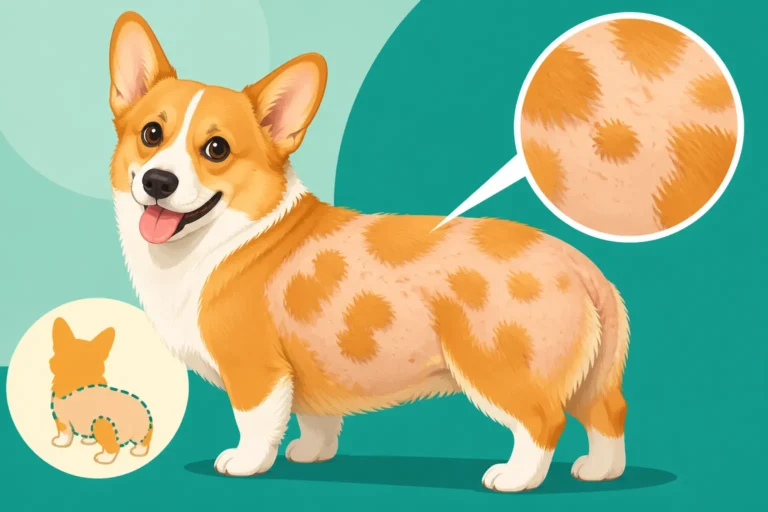
Normal Corgi shedding typically involves a generalized loss of hair across the body, though it might be heavier in certain areas during seasonal changes. However, if you notice distinct patterns of hair loss, it’s a red flag. This could include patchy hair loss, bald spots, circular areas of thinning, or hair loss accompanied by skin redness, scales, or crusts. These symptoms often point to issues beyond normal shedding.
Such patterns can indicate conditions like ringworm (a fungal infection), bacterial skin infections, parasitic infestations (like fleas or mites), or even hormonal imbalances such as Cushing's disease or hypothyroidism, which are more common in older dogs. If you see your Corgi constantly scratching, licking, or biting at specific areas, leading to localized hair loss or skin irritation, it's time to seek professional advice.
Don't dismiss these signs as "just shedding," especially if they are new or worsening in your senior Corgi. Early diagnosis and treatment can prevent more severe discomfort and complications for your furry friend.
Accompanying Symptoms of Illness
Shedding changes rarely occur in isolation when there's an underlying health issue. Pay close attention to any other symptoms your Corgi might be exhibiting alongside increased or unusual hair loss. These could include:
- Changes in appetite or thirst: Drinking or eating significantly more or less than usual.
- Lethargy or decreased activity: Your Corgi seems unusually tired or reluctant to play or go for walks.
- Weight changes: Unexplained weight gain or loss.
- Behavioral changes: Increased irritability, anxiety, or withdrawal.
- Skin issues: Redness, inflammation, sores, excessive oiliness, or dryness.
- Odor: A strong, unusual smell coming from their skin or coat.
Any of these accompanying symptoms, combined with noticeable changes in shedding, should prompt an immediate veterinary visit. These can be indicators of systemic diseases, metabolic disorders, or chronic conditions that require medical intervention. Your vet will perform a thorough examination, which may include blood tests, skin scrapings, or other diagnostics to pinpoint the cause.
Maintaining Comfort and Quality of Life
Ultimately, managing shedding in an aging Corgi is about more than just keeping your house clean; it’s about maintaining their comfort and quality of life. An unhealthy coat can be itchy, painful if matted, and can even compromise their skin barrier, making them more vulnerable to infections. For older Corgis, who may already be dealing with age-related aches and pains, discomfort from their coat can significantly impact their well-being.
Regular grooming, a nutritious diet, and prompt veterinary attention for any unusual coat changes are all crucial components of ensuring your senior Corgi remains happy, healthy, and as comfortable as possible. While the shedding may never truly slow down, your dedicated care can ensure their coat, and their spirit, continue to shine brightly.
| Shedding Factor | Impact on Corgi Shedding | Management Strategy |
|---|---|---|
| Age | Generally, no significant reduction in overall shedding. Older dogs may have slightly thinner coats or, conversely, increased shedding due to health issues or reduced self-grooming. The double coat's shedding cycle continues. | Maintain consistent grooming. Adapt grooming sessions to be shorter and gentler if mobility or discomfort is present. |
| Seasonal Changes | Pronounced "blow outs" twice a year (spring/fall) where massive amounts of undercoat are shed, in addition to year-round baseline shedding. | Daily brushing with an undercoat rake during peak seasons. Regular baths to loosen dead hair. |
| Nutrition | Poor diet leads to dull, dry, brittle coat and increased shedding. High-quality diet with essential fatty acids and protein promotes healthy skin and strong hair follicles. | Feed premium dog food. Consider omega-3 supplements (fish oil) after consulting your vet. |
| Hormonal Status | Intact females may shed heavily after heat cycles, pregnancy, or lactation. Spay/neuter can sometimes alter coat texture, leading to a denser undercoat that might shed more or mat. | Increased grooming attention during hormonal shifts. Be vigilant with brushing if coat texture changes post-spay/neuter. |
| Health Conditions | Thyroid issues, allergies, parasites, skin infections, kidney disease, or Cushing's disease can cause excessive, patchy, or abnormal hair loss. | Regular vet check-ups. Immediate vet visit for unusual hair loss, skin irritation, or accompanying symptoms (lethargy, appetite changes). |
| Environment | Dry indoor air can dehydrate skin, leading to more shedding. Allergens (pollen, dust) can cause itching and irritation, leading to scratching and hair loss. | Use humidifiers in dry climates. Regular home cleaning to reduce dust. Work with vet to identify and manage allergies. |
| Grooming Routine | Infrequent brushing or using incorrect tools can lead to matting and accumulation of dead undercoat, which appears as increased shedding. | Establish a consistent routine (daily/weekly). Use appropriate tools (undercoat rake, slicker brush). Consider professional grooming for deep deshedding. Refer to The Rake and Comb a Corgi Coat Actually Needs. |
Disclaimer
This article is for general informational purposes only and does not constitute professional advice. Laws, prices and regulations vary by location and change over time. Consult a qualified professional for guidance on your specific situation.