Which Months a Corgi Coat Comes Out Worst
If you're a Corgi parent, you've probably uttered the phrase "Where does all this hair come from?" more times than you can count. It feels like every surface, every piece of clothing, and sometimes even your coffee, is adorned with a fine layer of Corgi fluff. This never-ending blizzard of fur can be incredibly frustrating, leaving you wondering if there are specific times of the year when the shedding truly reaches epic proportions. You're not imagining it – Corgis absolutely have peak shedding seasons, and understanding when and why can help you brace for the onslaught.
Understanding the Corgi Double Coat
Before we dive into the "when," let's talk a bit about the "why." Corgis, both Pembrokes and Cardigans, are equipped with a magnificent double coat. This isn't just a fashion statement; it's a testament to their heritage as hardy working dogs, designed to withstand the harsh weather of their native Wales. This impressive coat is the primary reason for the shedding drama in your home.
The Purpose of the Double Coat
Imagine a natural, built-in climate control system – that's essentially what a Corgi's double coat is. The outer layer, known as the guard coat or topcoat, consists of longer, coarser, and somewhat waterproof hairs. These hairs act like a protective shield, repelling dirt and moisture, and safeguarding the dog from briars and brambles as they herded cattle. Beneath this lies the soft, dense undercoat. This inner layer is made up of shorter, woollier hairs that are phenomenal insulators, trapping air close to the body to keep the Corgi warm in winter and cool in summer. This combination is highly effective for a dog that spent its days working outdoors, but indoors, it means a lot of loose hair. This inherent design explains Why a Corgi Sheds All Year and Not Just Twice.
Without this ingenious double coat, Corgis wouldn't have been able to perform their duties in varying weather conditions. It’s a survival mechanism, allowing them to regulate their body temperature regardless of the elements. For instance, in colder months, the undercoat grows thicker, providing extra warmth. As temperatures rise, much of this undercoat is shed to prevent overheating. It’s a remarkable piece of natural engineering, but it comes with a trade-off for us Corgi owners: a perpetually shedding companion.
The Constant Cycle of Shedding
While Corgis have distinct "blowout" seasons, it's crucial to understand that shedding is a continuous process for them. Their hair follicles are always in various stages of growth, rest, and shedding. Unlike single-coated breeds whose hair might grow for a longer period before shedding, a Corgi’s undercoat is constantly replenishing. This means even outside the major shedding periods, you'll still find Corgi tumbleweeds rolling across your floor. It’s a daily reality, a gentle reminder that you share your home with a fluffy cloud of canine affection.
This continuous shedding is why regular grooming is not just a seasonal chore but an essential part of Corgi care. Even if your Corgi isn't undergoing a full "coat blow," daily brushing helps remove loose hair, distribute natural oils, and prevent mats. It also provides an opportunity to bond with your dog and check for any skin issues that might be hiding under that dense fur. Think of it as preventative maintenance for your sanity and your vacuum cleaner.
The Seasonal Shedding Cycles: When Things Get Really Wild
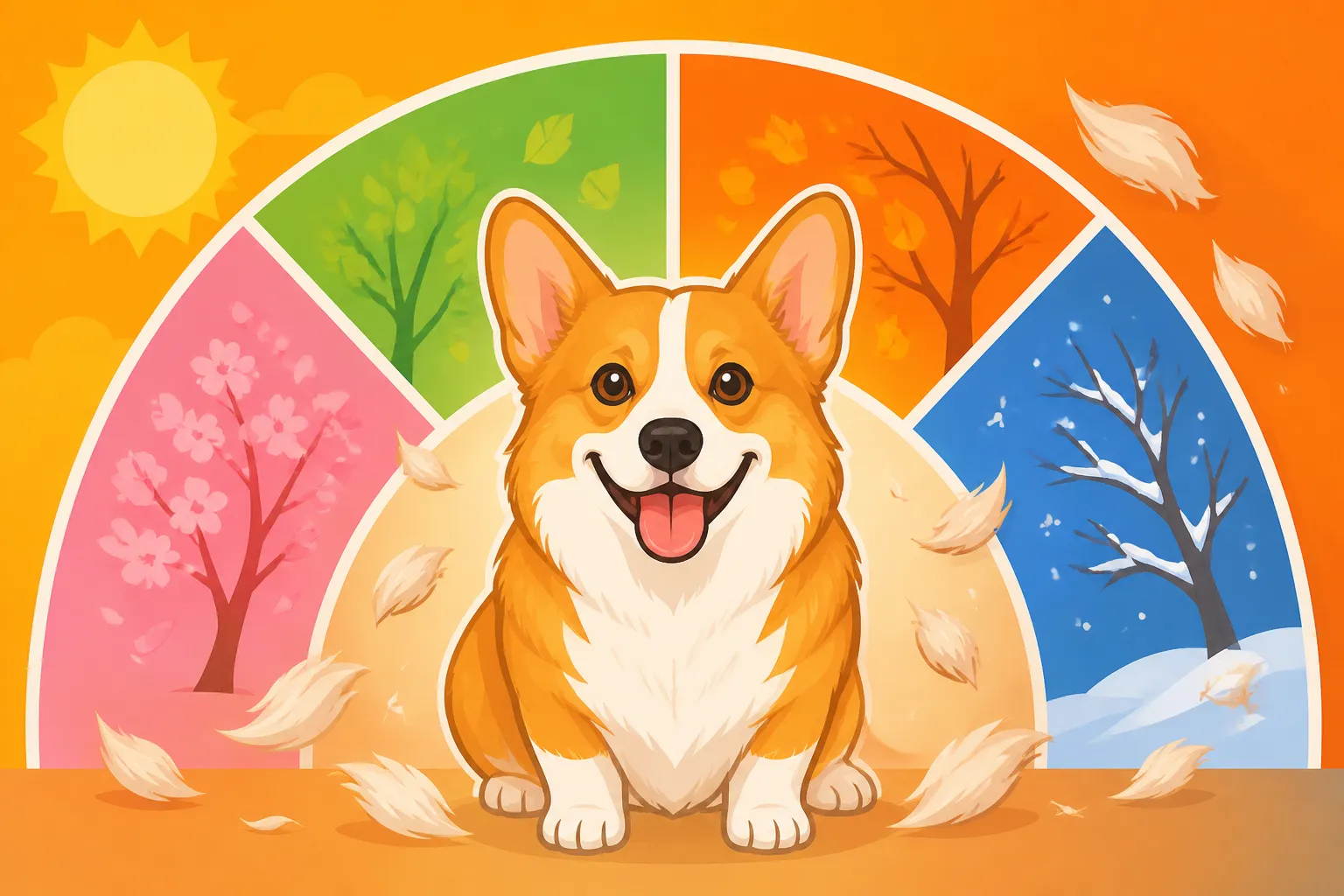
Alright, let's get to the heart of the matter: when do Corgi coats truly unleash their furry fury? While some shedding happens all year, there are two distinct periods when the amount of hair coming off your Corgi will make you question the laws of physics. These are typically in spring and autumn.
Spring Blowout: Preparing for Warmth
Spring is arguably the most intense shedding season for a Corgi. As the days lengthen and temperatures begin to rise after winter, your Corgi's body instinctively knows it's time to lighten its load. The thick, insulating undercoat that kept them toasty during the colder months is no longer needed, and nature dictates it must go. This process is often referred to as "blowing their coat," and it lives up to the name – it feels like an explosion of fur.
During this spring blowout, you'll notice hair coming off in incredible quantities. Brushing sessions will yield massive clumps, and even a quick pat might result in a handful of fluff. This is your Corgi shedding off all that dense winter undercoat to make way for a lighter, thinner one that's more suitable for summer's warmth. It can last for several weeks, sometimes even a couple of months, depending on your dog's individual coat, their environment, and even their hormones. Owners often describe it as feeling like their Corgi is literally shrinking by the pound as the fur detaches. How Many Handfuls Come Off a Corgi in Spring might surprise you.
Autumnal Abyss: Gearing Up for Winter
The second major shedding event typically occurs in the autumn. While often not as dramatic as the spring blowout, it's still a significant period of fur loss. As the days shorten and the chill returns to the air, your Corgi's body begins preparing for winter. This involves shedding the lighter summer undercoat to make room for a new, thicker, and denser winter coat. It's like they're trading in their summer wardrobe for their winter one, all made of fur!
You might not see the same dramatic clumps as in spring, but the sheer volume of fine, insulating hairs being shed can still feel overwhelming. Regular brushing during this time is essential to help the old coat release and allow the new, healthy winter coat to grow in properly. This autumnal shedding helps ensure your Corgi stays perfectly insulated when the colder weather truly sets in, fulfilling their ancient programming to be ready for the elements.
Managing the Corgi Shedding Storm: Practical Tips
Knowing when the shedding storms are coming is one thing; navigating them is another. But don't despair! There are practical steps you can take to manage the fur avalanche and keep your home a little less hairy.
Daily Brushing as Your First Line of Defense
During peak shedding seasons, daily brushing is non-negotiable. In fact, if you can manage it, brush twice a day. This isn't just about removing loose hair; it's about actively helping your Corgi's coat release the dead undercoat that would otherwise end up on your furniture. Using the right tools is critical here. An undercoat rake or a deshedding tool like a Furminator (used carefully and sparingly) can work wonders. Follow up with a slicker brush and a greyhound comb to remove any remaining loose hairs and check for tangles, especially in the "feathering" on their legs and britches. The Rake and Comb a Corgi Coat Actually Needs is a great resource for understanding specific tool types.
Make brushing a positive experience for your Corgi, starting when they are young. Treat it as a relaxing ritual, not a battle. A calm, consistent approach with plenty of praise and perhaps a few healthy treats will make them more cooperative. Some Corgis even learn to love their brushing sessions, turning them into a shared moment of quiet affection. Remember, the more hair you get into the brush, the less ends up floating around your house. You can find a vast array of brushes and grooming supplies on sites like Chewy or Amazon, making it easy to stock up on the essentials.
Bathing Strategies for Shedding Season
While daily brushing is your primary weapon, strategic bathing can also make a significant difference during heavy shedding. A good bath, particularly with a deshedding shampoo, can help loosen and release a lot of that dead undercoat. The key is to thoroughly wet the coat, work the shampoo deep into the undercoat, and then rinse, rinse, rinse! The rinsing process itself helps flush out a lot of loose fur.
After the bath, drying is paramount. A damp undercoat can lead to skin issues, and it’s surprisingly difficult to get a Corgi completely dry. Using a high-velocity dog dryer, if you have access to one, is incredibly effective at blowing out loose hair and speeding up the drying process. If not, towel drying followed by a regular hairdryer on a cool setting (held a safe distance away) can work. Just be sure to comb through the coat as it dries to separate the hairs and ensure no damp patches remain. Shampoo That Suits a Thick Corgi Undercoat can make a huge difference, as can Getting a Corgi Dry Through the Undercoat.
Nutritional Support for Coat Health
Believe it or not, what goes into your Corgi's bowl can have a noticeable impact on the health and condition of their coat, and by extension, their shedding. A high-quality diet rich in essential fatty acids, particularly Omega-3 and Omega-6, can promote a healthier, shinier coat and potentially reduce excessive non-seasonal shedding. Think about foods that list ingredients like salmon, flaxseed, or specific fish oils.
Many premium dog food brands, like those found on Ollie, prioritize quality ingredients that contribute to overall skin and coat health. While a good diet won't stop seasonal shedding entirely – that's a natural biological process – it can help ensure that the hair your Corgi does shed is healthy and that their skin isn't prone to dryness or irritation, which can sometimes exacerbate shedding. Always make sure your Corgi is getting appropriate nutrition, and if you're concerned about their weight impacting their health, remember Feeding a Corgi So Its Spine Carries Less.
Beyond the Seasons: Other Factors Affecting Shedding
While seasonal changes are the biggest culprits, they aren't the only reasons your Corgi might be shedding more than usual. Several other factors, from health to environment, can play a role.
Stress, Health, and Hormones
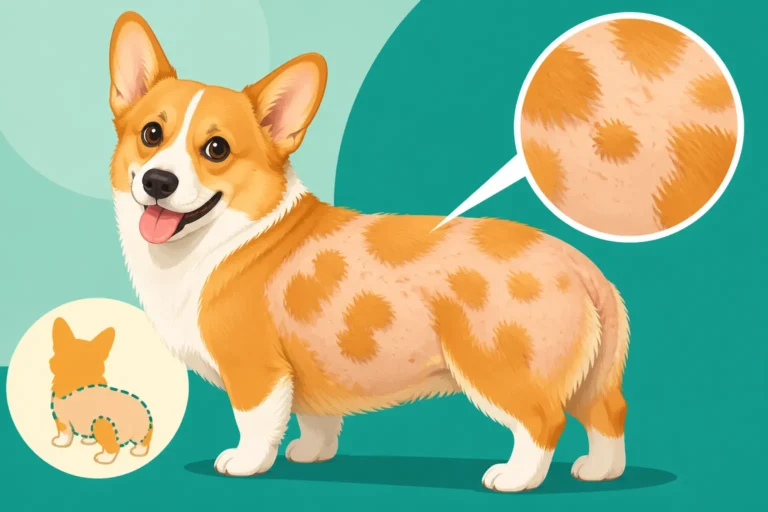
Just like humans, dogs can shed more when they're stressed. A sudden change in routine, moving to a new home, or even separation anxiety can trigger increased shedding. If you notice a sudden uptick in shedding outside of the typical seasonal blowouts, it's worth considering if there's been any stress in your Corgi's life. Similarly, underlying health issues can manifest as excessive shedding or poor coat quality. Skin allergies, parasites, thyroid problems, or other metabolic diseases can all cause a Corgi's coat to become dull, sparse, or shed more than usual.
Hormonal changes also play a significant role. Intact female Corgis often experience a "post-heat" or "post-whelping" coat blow, where they shed a tremendous amount of hair a few weeks after coming out of heat or giving birth. This is a natural physiological response as their bodies re-regulate their hormones. If you suspect any health or hormonal issues are contributing to unusual shedding, a visit to your vet is always the best course of action. This is also a good time to consider any Itchy Skin Under a Corgi's Undercoat.
The Impact of Environment
The environment your Corgi lives in can also influence their shedding patterns. Dogs that spend most of their time indoors, especially in climate-controlled homes, might have less distinct seasonal shedding cycles than those who spend a lot of time outside. Indoor environments with artificial lighting and consistent temperatures can sometimes blur the lines of natural light and temperature cues that trigger seasonal coat changes, leading to more consistent, year-round shedding rather than two intense blowouts.
However, even indoors, factors like humidity levels can affect coat health. Very dry air, especially in winter with central heating, can dry out a Corgi's skin and coat, potentially leading to more brittle hairs and increased shedding. Ensuring your Corgi has a comfortable environment, with proper humidity levels and regular grooming, can help mitigate some of these environmental impacts on their coat. And even with all the grooming, be prepared for Corgi Hair Woven Into Carpet and consider Vacuum Costs in a Corgi Household.
To summarize the shedding intensity:
| Season | Shedding Intensity | Primary Cause | Management Focus |
|---|---|---|---|
| Spring | Very High | Shedding thick winter undercoat for summer | Daily intensive brushing, deshedding baths |
| Summer | Moderate | Continuous undercoat turnover, lighter shedding | Regular brushing, light grooming |
| Autumn | High | Shedding summer coat for new winter undercoat | Frequent brushing, preparing for cooler weather |
| Winter | Low to Moderate | Maintenance, growing thick undercoat | Regular brushing, coat health monitoring |
Dealing with Corgi shedding is simply part of the package when you welcome one of these amazing dogs into your life. While the spring and autumn months will undoubtedly test your patience (and your vacuum cleaner!), understanding why these periods are so intense, and having a consistent grooming routine in place, can make a world of difference. Embrace the fluff, invest in good tools, and remember that every hair is a testament to the happy, healthy Corgi living by your side. Keeping a Corgi's Bed Free of Hair will be an ongoing battle, but it's one we lovingly fight for our furry friends.
Disclaimer
This article is for general informational purposes only and does not constitute professional advice. Laws, prices and regulations vary by location and change over time. Consult a qualified professional for guidance on your specific situation.