Whether a Corgi Really Sheds Every Day
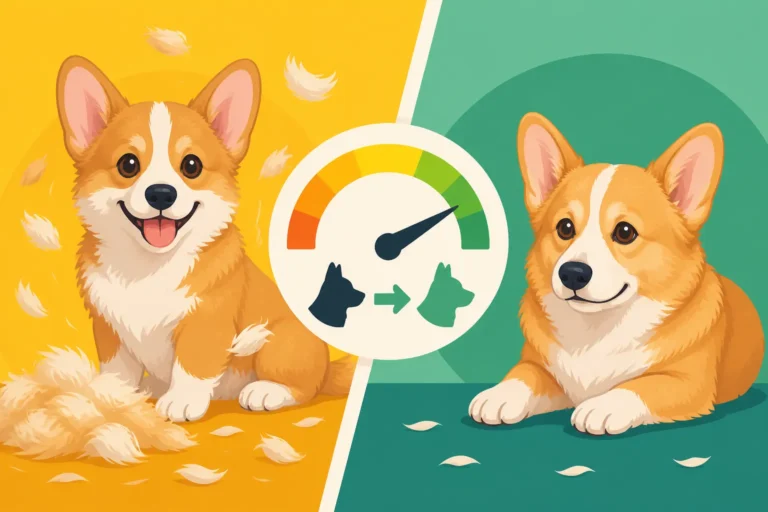
If you're wondering whether a Corgi really sheds every single day, let me tell you, as a fellow Corgi parent who's learned to live with a perpetual halo of fluff: yes, they absolutely do. It's a reality that can catch new owners off guard, turning your home into a whimsical, fur-lined wonderland if you're not prepared. This guide is here to walk you through the ins and outs of Corgi shedding, explaining why it happens, what makes it worse, and how you can manage the fluffy tsunami that is part and parcel of loving these adorable, low-riders.
The Truth About the Corgi Double Coat
Let's face it, Corgis are built for function, not just for looking cute in a TikTok video. Their heritage as cattle-herding dogs in the often damp and chilly Welsh climate means they needed serious protection from the elements. That protection comes in the form of their glorious, yet challenging, double coat.
Understanding the Double Coat's Purpose
A Corgi's double coat is essentially their all-weather gear. It consists of two distinct layers, each with its own crucial job. The inner layer, often called the undercoat, is soft, dense, and remarkably insulating. Think of it as their built-in down jacket, keeping them warm in winter and surprisingly cool in summer by trapping air. This is the layer that generates most of the shedding you'll encounter. Then there's the outer layer, known as the guard hairs. These hairs are coarser, tougher, and longer, forming a protective shield that repels water, dirt, and debris. They act like a raincoat and armor all in one, protecting the delicate undercoat and skin beneath. Without this double coat, they simply wouldn't have been able to do the demanding work they were bred for, dodging hooves and enduring the unpredictable Welsh weather.
The Continuous Shedding Cycle
Unlike some breeds with single coats or those that only "blow" their coat seasonally, Corgis are in a near-constant state of shedding. Their hair follicles aren't synchronized to grow and fall out all at once, meaning there's always some old hair making way for new. So, while you'll experience massive "coat blow-outs" a couple of times a year, don't be fooled into thinking that's the only time you'll find Corgi tumbleweeds rolling across your floor. That continuous low-level shedding is just part of their charm. You might pick up your Corgi for a cuddle and suddenly find yourself covered in a dusting of fine hair, or brush your hand over their back and come away with a small tuft. It’s a daily occurrence, a gentle reminder that they are indeed fluffy creatures.
Seasonal "Blasts" vs. Daily Shedding
Now, here's where things get really interesting, or perhaps, overwhelming, for Corgi owners. While the daily shedding is a given, it pales in comparison to the seasonal shedding "blasts" or "blow-outs." These typically happen twice a year, usually in spring as they shed their thick winter undercoat, and in autumn as they shed their summer coat to make way for a denser winter one. During these periods, it feels like an entirely different dog is coming off your Corgi. You might wonder How Many Handfuls Come Off a Corgi in Spring, and the answer is usually many. Instead of small tufts, you'll be pulling off entire clumps of soft, downy undercoat. It's a truly spectacular event that requires serious dedication to grooming. The difference between the daily shedding and these blasts is mainly volume; the daily shedding is a consistent sprinkle, while the seasonal blow-outs are a full-on blizzard. If you're wondering Why a Corgi Sheds All Year and Not Just Twice, it's because their double coat is constantly regenerating, but these specific periods are when the changeover between seasonal coats is most dramatic.
What Influences Corgi Shedding?
While shedding is an inherent trait of Corgis, it's not always a uniform experience. Several factors can either amplify or mitigate the amount of hair your furry friend leaves behind. Understanding these influences can help you better manage their coat and even detect potential health issues.
Genetics and Coat Type
First and foremost, genetics play a huge role. All Corgis have that famous double coat, but even within the breed, there can be slight variations. For instance, the "fluffy" Corgi, while not breed standard, has a longer, softer coat. You might think this means they shed more, but sometimes it just looks like more because the hairs are longer and more visible. However, fluffy Corgis do require different grooming tactics to prevent matting and tangles, which can make shedding seem more problematic if not addressed properly. The density of the undercoat can also vary, with some Corgis simply having a thicker, more plush layer than others, leading to more hair being shed. Whether a Fluffy Corgi Has Different Health Risks is a common question, and while their coat itself isn't a direct health risk, the grooming demands are certainly higher.
Diet and Overall Health
What goes into your Corgi's bowl can have a noticeable impact on the health of their skin and coat, and by extension, their shedding. A high-quality diet rich in essential fatty acids (like Omega-3 and Omega-6, often found in fish oil supplements or specific foods) can promote a healthier, shinier coat and potentially reduce excessive shedding. Think of it like this: a dog that's not getting proper nutrition might have dry, brittle hair that breaks easily and falls out more frequently. Conversely, a Corgi on a balanced, nutrient-dense diet will have a stronger, healthier coat that sheds normally for the breed, without additional stress-induced hair loss. If you're noticing an increase in shedding that seems unusual, beyond the normal daily fluff or seasonal blow, it's always worth evaluating their diet. Brands like Ollie, known for their fresh-prepared meals, often boast about improved coat health, while a reputable kibble from Chewy or a high-quality supplement from Amazon can also make a difference.
Beyond diet, overall health is paramount. Underlying medical conditions, such as allergies, thyroid imbalances, parasites (like fleas or mites), or even skin infections, can all lead to excessive or unusual shedding. If you notice patchy hair loss, dullness in the coat, red or irritated skin, or persistent scratching, it’s not just "more shedding"—it's a sign to consult your vet. Itchy Skin Under a Corgi's Undercoat or Wet Patches That Turn Into Corgi Hot Spots are definite red flags that need professional attention, as they could be related to excessive shedding and irritation.
Environment and Hormones
Your Corgi's environment and hormonal status also play a role in their shedding patterns. Dogs often adapt their coats to the climate they live in. If you live in a region with distinct seasons, you'll notice those major twice-a-year coat blows much more intensely than someone whose Corgi lives in a more temperate, consistent climate. Indoor living also has an impact; constant artificial light and heating can sometimes disrupt a dog's natural seasonal shedding cycles, leading to a more consistent, year-round moderate shed rather than sharp peaks and troughs.
Hormones, particularly those influenced by spaying or neutering, can also affect coat quality and shedding. Some owners report changes in coat texture and density after their Corgi is altered, occasionally leading to a softer, "cottony" coat that might seem to shed more or be more prone to matting. Pregnancy and lactation can also trigger temporary periods of increased shedding due to hormonal fluctuations. It's a complex interplay, but generally, the healthier and more balanced your Corgi's internal and external environment, the healthier their coat will be, even if the shedding itself remains a constant.
Managing the Corgi Shedding Reality
Okay, so we've established that Corgis shed. A lot. Every day. But that doesn't mean you have to surrender your home to a sea of fur! With the right tools, techniques, and routines, you can absolutely keep the fluff under control and maintain a happy, healthy Corgi and a reasonably hair-free home. It's all about consistent effort and choosing the right strategies for their unique double coat.
Daily Brushing and the Right Tools
This is your first line of defense, and honestly, it's non-negotiable for Corgi owners. Daily brushing, even just for 10-15 minutes, can make a world of difference. It removes loose hairs before they have a chance to settle on your furniture or float across your floor. The key is using the right tools. You’ll want an undercoat rake, which has longer teeth designed to reach through the guard hairs and pull out the loose, dead undercoat without damaging the top layer. A good quality slicker brush is also excellent for detangling the outer coat and catching surface hair. For those truly intense seasonal sheds, a deshedding tool can be incredibly effective, but use it sparingly and carefully to avoid irritating the skin or damaging the healthy guard hairs.
Here’s a quick guide to popular grooming tools for Corgis:
| Tool Type | Purpose | Best For | Frequency of Use |
|---|---|---|---|
| Undercoat Rake | Reaching deep into the undercoat to pull out loose, dead hair. | Seasonal "blow-outs" and regular removal of dense undercoat. | Daily to several times a week, especially during heavy shedding. |
| Slicker Brush | Removing loose hair from the topcoat, detangling, and smoothing. | Everyday brushing, finishing, and preventing surface mats. | Daily. |
| Pin Brush | General brushing, gentle on the topcoat, good for longer feathering. | Light brushing, working through longer hair on legs/rear, general upkeep. | Daily. |
| Deshedding Tool | Specifically designed to remove large amounts of dead undercoat. | Heavy seasonal shedding periods, use carefully to avoid skin irritation. | Once or twice a week during major sheds, sparingly otherwise. |
| Comb (wide-tooth) | Checking for tangles and mats after brushing, especially on feathering. | Post-brushing check, working through damp hair. | As needed. |
Remember, consistency is your best friend here. Brushing a Corgi Daily Through a Shed will save you countless hours of vacuuming. You can find all these essentials on platforms like Amazon or Chewy, making it easy to stock up.
Bathing and Drying Techniques
Bathing a Corgi isn't just about getting them clean; it's a powerful tool in your shedding management arsenal. A good bath, especially during a seasonal shed, can help loosen and release a huge amount of dead undercoat. The trick is making sure the water penetrates their dense double coat all the way to the skin. Work the shampoo in thoroughly, then rinse, rinse, and rinse again until the water runs clear and you feel no suds.
However, the real secret weapon after a bath is the drying process. You absolutely need to get that undercoat dry. Using a high-velocity pet dryer (not a human hairdryer, which can be too hot) can literally blast loose hair out of the coat. It’s messy – prepare for a "fur-nado" – but incredibly effective at dislodging all that stubborn undercoat that would otherwise end up on your floor. If you let a Corgi air dry, especially during shedding season, that damp undercoat can stay trapped, creating a perfect environment for skin issues and keeping all that loose hair stuck in there. Getting a Corgi Dry Through the Undercoat is crucial for health and shedding control.
Home Management and Cleaning
Even with diligent brushing and bathing, some Corgi hair is inevitable. So, preparing your home is key to maintaining your sanity. Invest in a good quality vacuum cleaner designed for pet hair – this is where the rubber meets the road. You might even find yourself asking Whether a Corgi Owner Needs a Second Vacuum for different areas of the house! Look for models with strong suction and attachments specifically for upholstery. Regular vacuuming, often daily during peak shedding, will become part of your routine.
Furniture covers are a godsend. Washable throws or slipcovers can protect your sofa and chairs, making cleanup much easier. Keep lint rollers handy by the door, in your car, and in your purse for quick de-furring before you head out. Finally, consider the type of flooring you have. Hardwood or tile floors show hair more readily but are easier to sweep or vacuum. Carpets, especially plush ones, can trap hair deeply, requiring more intensive cleaning. Embracing the fact that Corgi hair will be a part of your life, but actively managing it, makes all the difference.
When Shedding Might Signal a Problem
While Corgi shedding is a normal, everyday occurrence, there are times when it can be a red flag, indicating something more serious than just a healthy coat cycle. Learning to differentiate between typical shedding and problematic hair loss is a crucial part of being a responsible Corgi owner. Your vigilance can help catch health issues early.
Excessive or Patchy Hair Loss
Normal Corgi shedding, even during a seasonal "blow," usually involves a fairly even distribution of hair loss across the body, though the undercoat areas (like the flanks, chest, and hindquarters) might be more pronounced. What you should be concerned about is excessive hair loss that seems sudden, or, more critically, patchy hair loss. If you notice bald spots, thinning areas, or an extreme amount of hair coming out when you barely touch them, this warrants immediate attention.
Such symptoms can point to a range of issues. Parasites like fleas, mites (demodex or sarcoptes), or ringworm can cause intense itching, leading your Corgi to scratch, lick, or chew excessively, resulting in self-inflicted hair loss. Allergies, whether environmental (pollen, dust mites) or food-related, are another common culprit. Stress or anxiety can also manifest as over-grooming, leading to hair thinning in certain areas. Less commonly, hormonal imbalances, such as hypothyroidism (underactive thyroid), can lead to a dull, brittle coat and symmetrical hair loss. If you observe your Corgi frequently A Corgi That Scuffs Its Back Nails, which can be a subtle sign of neurological issues, or a change in their gait alongside hair loss, it's definitely time for a vet visit.
Changes in Coat Texture or Skin Issues
Beyond just the quantity of hair, pay close attention to the quality of your Corgi's coat and the health of their skin. A healthy Corgi coat should generally be shiny, dense, and feel relatively smooth (apart from the coarse guard hairs). If you notice the coat becoming dull, dry, brittle, or greasy, it could be a sign of internal problems or insufficient nutrition. For instance, a diet lacking essential fatty acids can lead to a lackluster coat and dry, flaky skin.
Furthermore, any visible skin issues beneath the fur are a cause for concern. Redness, inflammation, bumps, scabs, sores, or an unpleasant odor emanating from the skin all indicate a problem. Wet Patches That Turn Into Corgi Hot Spots are particularly common in double-coated breeds if moisture gets trapped, or if they constantly lick an itchy spot, quickly leading to bacterial infections. These issues not only cause discomfort for your Corgi but can also exacerbate shedding as the skin tries to heal or react to the irritation. Don't hesitate to contact your veterinarian if you see any of these signs, as prompt diagnosis and treatment can prevent more severe complications and get your Corgi's coat back to its glorious, albeit still shedding, self. Early intervention is always best to ensure your beloved Corgi remains as comfortable and healthy as possible.
Disclaimer
This article is for general informational purposes only and does not constitute professional advice. Laws, prices and regulations vary by location and change over time. Consult a qualified professional for guidance on your specific situation.