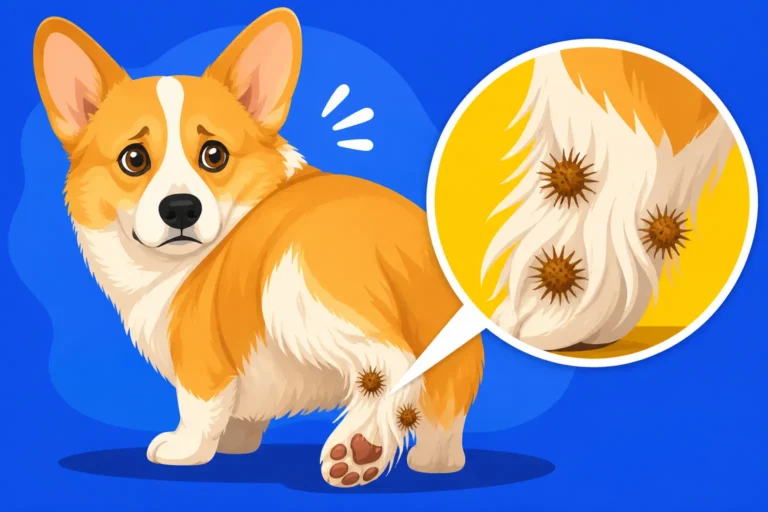
How Many Handfuls Come Off a Corgi in Spring
It's a familiar sight for any Corgi parent: you run your hand down their back, and suddenly you're holding a fresh cloud of fur. While these adorable low-riders are known for their charming personalities, they're equally famous for their relentless shedding, especially when spring rolls around. If you're wondering just how many handfuls of fur to expect when your Corgi blows their coat, you're not alone, and this guide will walk you through the seasonal shedding spectacle, what causes it, and how to keep your sanity (and your furniture) relatively fur-free.
The Corgi Double Coat and Why It Sheds So Much
Before we dive into the spring "fur-nado," it's crucial to understand the glorious, yet challenging, biology behind your Corgi's coat. They aren't just wearing any old dog coat; they're sporting a thick, weather-resistant double coat that was specifically engineered for their original job: herding cattle in the often damp, chilly climate of Wales. This isn't just a fashion statement; it's a survival suit.
Understanding the Double Coat's Structure
A Corgi's coat consists of two distinct layers, each with its own purpose. First, there's the coarse, longer outer coat, often called guard hairs. These are tougher, water-repellent, and act as the first line of defense against rain, snow, and thorny undergrowth. They also give your Corgi their beautiful color and markings. Beneath this protective layer lies the soft, dense undercoat. This fluffy layer is incredibly insulating, trapping air close to the body to keep them warm in winter and surprisingly, to help regulate their temperature in summer. It's this undercoat that is primarily responsible for the bulk of the shedding you'll experience, especially during seasonal changes.
Think of it like wearing a heavy wool sweater over a waterproof jacket. The jacket protects from the elements, but the sweater provides the warmth. When the weather changes, you shed the sweater, not the jacket. Your Corgi does something similar. The undercoat is constantly replenishing itself and adapting to the environmental temperature, meaning some level of shedding is a Whether a Corgi Really Sheds Every Day reality all year round.
The Purpose of a Herding Dog's Coat
Corgis weren't bred to sit on sofas all day, though they are excellent at it. Their purpose was to work outdoors, often in challenging conditions, maneuvering around livestock. Their coat had to be tough enough to withstand scrapes and bites, warm enough for chilly mornings, and dense enough to provide insulation. This high-performance coat requires regular turnover to stay healthy and functional. Without it, they'd be prone to skin issues, overheating, or getting too cold. This evolutionary necessity means that shedding isn't a flaw; it's a feature of this incredible breed. Knowing this helps to reframe the frustration, even if it doesn't make cleaning up the fur any less of a chore.
The Spring Shed: What to Expect When the Weather Warms Up
Okay, now let's talk about the big one: spring. This isn't just shedding; this is what many Corgi owners affectionately (or exasperatedly) call "blowing their coat." It's a significant event, and it involves a lot more than just a few stray hairs.
The Phenomenon of Coat Blowing
As winter transitions into spring, your Corgi's body registers the increase in daylight hours and rising temperatures. This triggers a hormonal response that tells their body it's time to shed the thick, insulating undercoat they relied on all winter. It's a natural process to prepare them for warmer weather, preventing them from overheating. During this period, the sheer volume of fur that detaches from their body is astounding. You might feel like you're brushing out another whole Corgi every day!
Unlike the steady, lower-volume shedding of other seasons, the spring coat blow is intense and concentrated. It often lasts for several weeks, sometimes even a month or two, depending on the individual dog, their diet, and where you live. You'll notice loose tufts of fur clinging to their body, falling off in clumps, and generally becoming airborne throughout your home. This is the period when understanding How Many Handfuls Come Off a Corgi in Spring becomes a tangible, daily experience.
Quantifying the Fur: It's More Than "Some"
So, how many handfuls? Honestly, it's more like bucketfuls or bagfuls. Picture this: you sit down with your Corgi and a good undercoat rake. Within minutes, you could easily fill a small sandwich bag with the loose, fluffy undercoat. Over a week, especially if you're diligent with daily brushing, you could realistically collect enough fur to stuff a small pillow. Many Corgi owners joke about being able to spin their dog's shed fur into yarn or knit a whole new Corgi from it – and it's not far from the truth!
The amount can also vary based on several factors:
- Individual Corgi: Some just have denser coats than others.
- Diet and Health: A healthy Corgi on a good diet with adequate Omega fatty acids might shed more efficiently, but still a lot. A poor diet might lead to a duller coat and more brittle shedding.
- Indoor vs. Outdoor: Corgis who spend more time outdoors and are exposed to natural light cycles tend to have more pronounced seasonal sheds. Indoor Corgis, exposed to artificial light and consistent temperatures, might shed more consistently year-round rather than having extreme "blow-outs."
- Genetics: Some lines simply have heavier coats. And if you have a The Fluffy Corgi and What Its Coat Demands, prepare for even more.
Expect to run your hands over your Corgi and pull away large clumps of soft, downy fur with minimal effort. This is completely normal and a sign their coat is doing exactly what it's supposed to do.
Managing the Avalanche: Tools and Techniques for Spring Grooming
Confronting the spring shedding avalanche can feel overwhelming, but with the right tools and a consistent routine, you can manage it effectively. It's all about proactive removal of that loose undercoat before it decorates your entire home.
Essential Grooming Tools for a Shedding Corgi
You can't fight a Corgi shed with just any brush. You need specialized tools designed to reach deep into that dense undercoat without damaging the guard hairs or irritating the skin.
Here's what I recommend having in your arsenal:
- Undercoat Rake: This is your absolute best friend during shedding season. It has long, blunt teeth designed to penetrate the topcoat and gently pull out the loose undercoat. Using an undercoat rake a few times a week, or even daily during peak shed, will make a massive difference. You can find excellent options for Undercoat Rakes Made for a Corgi on platforms like Amazon or Chewy.
- Slicker Brush: While not for deep undercoat removal, a slicker brush is great for fluffing the topcoat and removing any surface mats or tangles, especially on the feathering on their legs and rear.
- Pin Brush: Similar to a slicker, but with wider-spaced pins, a pin brush is good for general brushing and distributing natural oils through the coat, making it shiny.
- Deshedding Tool (e.g., Furminator-style): These can be very effective, but use them sparingly and with a light hand. They have a blade-like edge that can cut healthy guard hairs if overused, leading to coat damage. Once a week during peak shedding is often enough. Always read instructions carefully.
- High-Velocity Dryer (Pet Dryer): This is a game-changer! After a bath, using a powerful pet dryer (not your human hairdryer, which can be too hot and weak) can blast out an incredible amount of loose undercoat. It’s like a mini hurricane for their fur, and the sheer volume it removes will astonish you. Blowing a Corgi Coat Out With a Dryer can significantly reduce airborne fur.
Remember, the goal isn't to stop shedding (that's impossible and unhealthy for a Corgi), but to manage it by removing loose fur before it ends up on your sofa, clothes, and dinner. For a deeper dive into tools, check out The Rake and Comb a Corgi Coat Actually Needs.
Developing a Consistent Grooming Routine
Consistency is key when managing Corgi shedding. During the spring blow, aim for daily brushing sessions, even if they're short.
- Daily Brushing: Spend 10-15 minutes each day with your undercoat rake. Work in sections, starting from their head and moving down their body, paying extra attention to their sides, hindquarters, and belly – areas where the undercoat tends to be densest.
- Bathing: A bath can help loosen dead hair, but only if followed by thorough drying and brushing. Use a quality dog shampoo and conditioner. Once they're clean, use that high-velocity dryer to literally blow the undercoat out. It's messy, so do it outside or in a garage if possible!
- Professional Grooming: If DIY isn't your thing, or you just need a break, a professional groomer can be a lifesaver. They have powerful dryers and expertise in deshedding treatments that can dramatically reduce the amount of fur your Corgi drops. Ask for a "deshedding service" or "de-fluffing."
- Dietary Support: While diet won't stop shedding, a high-quality diet rich in Omega-3 and Omega-6 fatty acids can promote a healthy coat, which sheds more cleanly. Some premium dog food brands, like Ollie, offer fresh food options designed to support overall health, including coat condition. Discussing dietary supplements with your vet, such as fish oil, might also be beneficial for coat health.
Here's a quick comparison of popular deshedding tools:
| Tool Type | Primary Function | Pros | Cons |
|---|---|---|---|
| Undercoat Rake | Removes loose undercoat deep within the fur. | Very effective, gentle, safe for guard hairs. | Can be time-consuming for dense coats. |
| Slicker Brush | Removes surface mats, tangles, and dead topcoat. | Good for finishing, adds shine. | Doesn't penetrate undercoat deeply, can scratch skin. |
| Deshedding Tool | Specifically designed to remove significant undercoat. | Highly efficient at removing large quantities. | Can cut guard hairs if used improperly or too frequently. |
| High-Velocity Dryer | Blasts out loose undercoat after bathing. | Extremely effective, reduces drying time. | Can be noisy, requires training for dog to tolerate. |
Don't forget the importance of making grooming a positive experience from puppyhood. Early exposure to brushes and dryers will make these sessions much smoother as your Corgi grows. Considering their low stature, Grooming a Corgi That Sits Six Inches Off the Ground also means you might need to adjust your own position or use a grooming table to save your back.
Beyond Spring: Year-Round Shedding and How to Cope
While spring is undeniably the peak shedding season, Corgis are year-round shedders. Their double coat is always in motion, constantly growing and dying back. This means your battle against the fur never truly ends, but it does become more manageable outside of the major seasonal blows.
Understanding Year-Round Shedding
Even outside of spring and fall (yes, there's usually a lesser "fall blow" as they prep for winter), your Corgi will shed. This is why you'll often find Corgi hair as a constant accessory in your life. Factors like indoor heating and air conditioning can disrupt the natural light cycles that trigger massive seasonal sheds, sometimes leading to a more moderate, but perpetual, loss of fur. This means a daily or every-other-day brushing routine, even if it's just a quick five-minute session with a slicker brush or pin brush, is beneficial. Regularly tending to their coat will not only reduce the amount of fur on your floors but also keep their skin healthy and prevent matting.
You'll quickly learn that a Corgi's coat impacts everything, from your choice of clothing to how often you vacuum. Don't be surprised if you end up with a collection of specialized cleaning tools, from robot vacuums designed for pet hair to lint rollers that become an extension of your hand. Think of it as a small price to pay for such a wonderful companion.
Protecting Your Home from the Fur Fallout
Coping with year-round Corgi shedding means adapting your home environment.
- Furniture Covers: Consider washable slipcovers for sofas and chairs, or strategically placed blankets that can be easily tossed in the wash.
- Flooring: Hardwood, laminate, or tile floors are generally easier to clean than carpet. If you have carpets, frequent vacuuming with a powerful pet-specific vacuum is essential. You might even consider investing in a high-quality robot vacuum that can run daily.
- Regular Cleaning: Make sweeping, vacuuming, and dusting a regular part of your household chores. It’s not just about aesthetics; it also helps reduce pet dander that can exacerbate allergies.
- Pet Beds: Wash your Corgi's bed covers frequently. Keeping a Corgi's Bed Free of Hair is a never-ending task, but a clean bed means less fur transferred elsewhere. You can find durable, washable pet beds on Chewy or Amazon.
- Car Maintenance: If your Corgi rides in the car, invest in seat covers designed for pets. They catch a surprising amount of fur and protect your upholstery.
It's a lifestyle change, for sure. You'll probably find strands of Corgi fur in the most unexpected places, a charming (or exasperating, depending on your mood!) reminder of your furry friend. However, the joy a Corgi brings far outweighs the effort required to manage their magnificent, albeit shedding, coat. Understanding the "why" behind the fur, and equipping yourself with the right tools and habits, makes all the difference in living happily ever after with your fluffy companion.
Disclaimer
This article is for general informational purposes only and does not constitute professional advice. Laws, prices and regulations vary by location and change over time. Consult a qualified professional for guidance on your specific situation.