Corgi Hair Woven Into Carpet
If you're a Corgi parent, you know the absolute joy and endless entertainment these little low-riders bring into your life. But let's be honest, you also know the unique challenge of living with a walking, barking, shedding machine. It’s not just "dog hair"; it’s Corgi hair, and it doesn't just rest on surfaces – it weaves itself into the very fabric of your carpets, becoming a permanent, fluffy fixture. This guide is here to help you wage war on those stubborn strands and reclaim your floors from the persistent fluff invasion.
The Unique Challenge of Corgi Hair on Your Floors
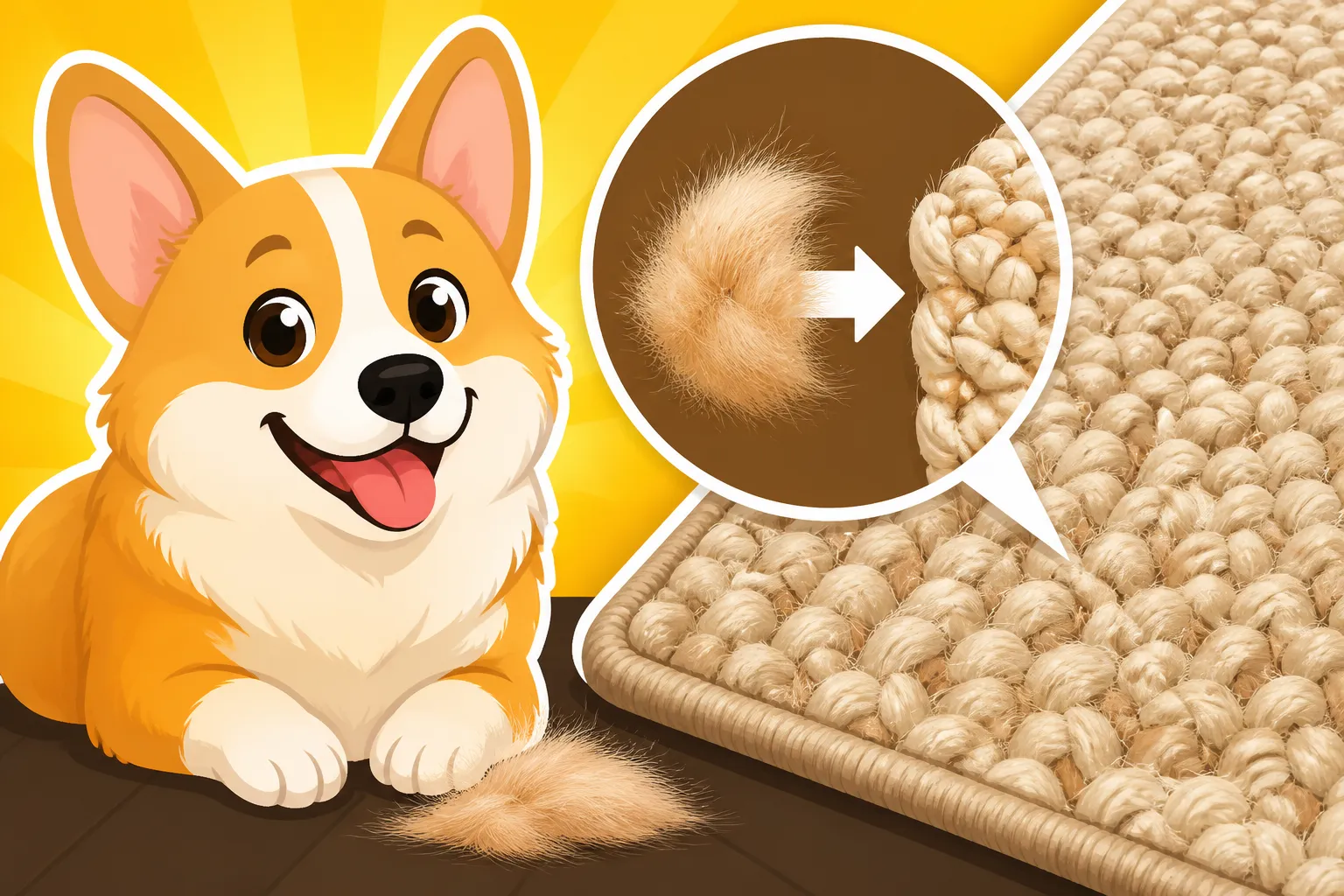
Anyone who’s shared their home with a Corgi understands that their hair isn't just "shed"; it's a dynamic, pervasive entity that has a mind of its own. It's not a light dusting you can easily sweep away. No, Corgi hair has a way of becoming one with your carpet, creating a fuzzy, felt-like layer that seems to defy all conventional cleaning methods. It's frustrating to run the vacuum over the same spot three times, only to see countless hairs still clinging stubbornly, almost mocking your efforts.
Understanding the Corgi Double Coat and Its Impact
The core of this furry conundrum lies in the Corgi's magnificent double coat. These dogs were bred for working in harsh Welsh weather, meaning they have an incredibly dense, soft undercoat for insulation and a coarser, weather-resistant outer coat (guard hairs). It's a marvel of nature, perfectly designed to keep them warm and dry, but for us owners, it's a constant source of shedding, all year round.
Think of it this way: the fine, downy undercoat hairs are like tiny, barbed threads. When they detach from your Corgi, they don't just sit on top of the carpet fibers. Instead, they burrow deep, interlocking with the loops and twists of your carpet, creating a powerful bond. The stiffer guard hairs might lie on the surface, but even these are often caught and tangled by the sheer volume of undercoat fluff. This dual texture is what makes Corgi hair such a formidable opponent for any vacuum cleaner. It's not just sitting there; it's actively anchored. How Much Hair a Twenty-Eight Pound Corgi Drops can attest to the sheer volume.
The Static Electricity Factor and Deep Embedding
Beyond the physical structure of the hair itself, static electricity plays a significant role in how Corgi hair behaves on your carpet. In dry environments, especially during winter or in air-conditioned homes, static charges build up. This static acts like an invisible adhesive, making those lightweight Corgi hairs cling even more fiercely to synthetic carpet fibers. It’s why you might see a tumbleweed of Corgi fluff roll across a hard floor, but on carpet, it’s instantly trapped.
Once static draws the hair down, the mechanical action of walking on the carpet, even your Corgi's playful romps, pushes the hair deeper into the pile. Over time, this creates a dense, compacted layer of hair that becomes almost indistinguishable from the carpet itself. It’s no longer loose hair; it's a woven tapestry of Corgi. You run your hand over it, and it feels like the carpet's texture has changed, becoming softer, yes, but also undeniably furrier.
Why Your Everyday Vacuum Is Losing the Corgi Hair Battle
You’ve invested in a good vacuum, you vacuum regularly – perhaps even daily! – and yet, your carpets still look like a Corgi exploded in the room. It’s not you, it’s often the tools, or rather, the mismatch between the tool and the challenge. Standard vacuum cleaners, even powerful ones, aren't always designed to tackle the unique way Corgi hair embeds itself.
The Limitations of Standard Vacuum Cleaners and Attachments
Most everyday vacuum cleaners are fantastic at picking up dust, dirt, and surface debris. They rely on suction and a rotating brush bar to agitate the carpet and lift particles into the airflow. However, when it comes to deeply embedded Corgi hair, many fall short. The brush bar might skim over the surface, pulling up some loose hairs, but it often struggles to reach down into the tightly woven fibers where the undercoat has settled in for a long nap.
The suction, while strong enough for dust, might not have the focused power needed to break the static cling and physical grip of the hair from the carpet loops. You might notice the vacuum cleaner’s brush bar getting tangled with Corgi hair, wrapping itself around the bristles, which actually reduces its effectiveness and can even damage the vacuum over time. It's a frustrating cycle: you vacuum to clean, but the vacuum itself becomes a victim of the very hair it's trying to remove. Vacuum Costs in a Corgi Household can become substantial if you're constantly replacing parts or entire machines.
The Illusion of Clean: Surface Cleaning vs. Deep Extraction
The most disheartening aspect of battling Corgi hair is the "illusion of clean." You spend a good half hour vacuuming, the dustbin is full, and from a distance, the carpet looks better. But get down close, especially in areas where your Corgi loves to lounge, and you'll see those tell-tale strands still peeking out from the carpet fibers. It's not truly clean; it's just surface-level neatness.
This happens because the vacuum is essentially grooming the top layer of hair, not extracting the embedded portions. It's like trying to comb out knots by only brushing the very top of your hair – you smooth it out, but the tangles beneath remain. This can lead to a sense of futility, making you wonder if it's even worth the effort when the embedded hair persists. Your carpet might look tidy for an hour, but as soon as your Corgi prances through the room or shifts on their favorite rug, new tufts of hair seem to magically reappear from the depths.
When the Carpet Becomes a Felted Corgi Sweater
Over time, if left unchecked, the accumulation of embedded Corgi hair can literally change the texture and appearance of your carpet. It can become matted down, dulling the original color and making the pile feel stiff or sticky. This isn't just a cosmetic issue; it can also affect the lifespan of your carpet. The constant presence of hair and associated dander can harbor allergens and dust, making your home feel less fresh, even if you clean regularly.
It's a common lament among Corgi owners: "My carpet feels like a giant Corgi sweater." This felted effect is the ultimate proof that standard cleaning isn't cutting it. It requires a more specialized approach, tools that are designed to physically pull and lift hair rather than just vacuum over it. It's about breaking that deep bond between the tiny Corgi hairs and your carpet's fibers. Whether a Corgi Really Sheds Every Day confirms this battle is ongoing.
Tactical Solutions for Extracting Embedded Corgi Hair
When your regular vacuum isn't enough, it's time to bring out the big guns. You need tools and techniques that are specifically designed to grip, pull, and lift that deeply embedded Corgi hair from your carpet fibers. This isn't about vacuuming; it's about extraction.
Specialized Tools for Deep Hair Removal
Think beyond the standard vacuum attachment. There's a whole world of tools designed for serious pet hair removal. These often rely on friction, static, or a unique physical design to grab onto hairs that vacuum suction alone misses.
- Rubber Brushes and Squeegees: These are incredibly effective. A rubber brush with firm nubs or a simple rubber squeegee (like those used for windows) can be dragged across the carpet. The rubber creates static and friction, bunching the hair into easily pick-up-able clumps. You can find specialized pet hair removers that look like rubber brushes, or even use a sturdy kitchen squeegee.
- Carpet Rakes: These tools, often with sturdy plastic or metal teeth, are designed to penetrate deep into the carpet pile. When pulled across the carpet, they physically rake out embedded hair. It's a manual process, and you'll be amazed (and probably horrified) by how much hair comes out, even after vacuuming. Many Corgi owners swear by these, especially for high-traffic or heavily furred areas. Undercoat Rakes Made for a Corgi are essential for managing their dense coats, and some work wonders on carpet too.
- Pet Hair-Specific Vacuum Attachments: Many high-end vacuum brands, and even more affordable ones available on platforms like Amazon or Chewy, offer specialized pet hair attachments. These often feature mini-motorized brush rolls or rubberized paddles that are designed to vigorously agitate carpet fibers and pull out hair without getting tangled as easily as larger brush bars. If your current vacuum has a turbo brush attachment, give it a try – it might be more effective than the main head for stubborn spots.
The Damp Mop/Squeegee Method
This is a simple, low-tech hack that many pet owners swear by. The principle is similar to how a rubber squeegee works, but with the added benefit of moisture.
- Slightly Dampen a Rubber Glove or Squeegee: Get a rubber cleaning glove (the kind you use for dishes) or a rubber squeegee slightly damp. Don't soak it; just enough moisture to create a bit of grip and dampen static.
- Drag Across the Carpet: Starting in a corner, firmly drag the damp glove or squeegee across the carpet in short, overlapping strokes.
- Watch the Magic Happen: As you pull, you'll see the Corgi hair ball up into damp clumps. The moisture helps to weigh down the hair slightly, and the rubber's friction pulls it free from the fibers.
- Collect and Repeat: Pick up the clumps of hair and continue across the entire area. You'll be astonished by the sheer volume of hair this method can collect. This is particularly effective for larger, flatter areas.
The Role of High-Powered Vacuums and Professional Cleaning
For some Corgi owners, especially those with severe shedding or large carpeted areas, investing in a powerful, pet-specific vacuum cleaner is a game-changer. Brands often market models specifically designed for pet hair, featuring enhanced suction, tangle-free brush rolls, and specialized filtration systems. While an investment, a truly effective pet vacuum can significantly reduce the amount of embedded hair over time.
Alternatively, consider professional carpet cleaning services. Many offer specialized pet hair removal treatments. Their industrial-strength equipment and cleaning solutions can often penetrate deeper into the carpet pile than anything you can achieve at home, providing a fresh start. It won't stop the shedding, but it can remove years of embedded hair buildup.
DIY Hacks for Stubborn Strands
Sometimes, you need a quick fix or a way to tackle those last few persistent hairs.
- Packing Tape or Lint Rollers: For small areas or stray hairs, a strong lint roller or even just wrapping packing tape around your hand (sticky side out) can be surprisingly effective. Press it down firmly and lift to grab hair.
- Pumice Stone: Believe it or not, a dry pumice stone can be gently dragged across some carpets to pick up hair. Test it in an inconspicuous spot first to ensure it doesn't damage the carpet fibers.
- Balloon Static Trick: If you have dry air, rubbing an inflated balloon over the carpet can use static electricity to attract surface hairs, though it's less effective for deeply embedded ones.
Proactive Strategies to Minimize the Carpet’s Corgi-Hair Burden
Dealing with embedded Corgi hair is tough, but an even better strategy is to minimize how much hair ends up in your carpet in the first place. A multi-pronged approach that combines grooming, smart home choices, and even diet can make a significant difference.
Consistent Grooming as Your First Line of Defense
This is, hands down, the most crucial step in managing Corgi hair in your home. The more hair you remove directly from your dog, the less will end up woven into your carpets.
- Daily Brushing: Especially during shedding season (which, for a Corgi, often feels like all the time), daily brushing is non-negotiable. Use a slicker brush or a de-shedding tool designed for double coats. Focus on getting down into the undercoat. Brushing a Corgi Daily Through a Shed will save your sanity and your carpets.
- The Power of a High-Velocity Dryer: If you're really serious, investing in a high-velocity pet dryer can blow out a surprising amount of loose undercoat, often more effectively than brushing alone. Do this outside, unless you want a snowstorm of Corgi fluff in your house! Many professional groomers use these, and you can mimic the effect at home.
- Professional Grooming: A professional groomer has the tools and expertise to perform a thorough de-shedding treatment, especially around peak shedding times. While there’s a cost involved, it can give you a week or two of significantly reduced shedding at home. Consider this a tactical retreat for your vacuum cleaner. What a Groomer Charges to Blow Out a Corgi can be worth it!
Strategic Flooring Choices
When it comes to Corgi hair, some battles are won before they even begin. Your choice of flooring can dramatically impact how much visible hair you have to contend with.
- Hardwood, Tile, or Laminate: These are your best friends as a Corgi owner. Hair, while still present, sits on the surface and can be easily swept, vacuumed, or robot-vacuumed away. There's no embedding. Transitioning to hard flooring in high-traffic areas or where your Corgi spends the most time can be a huge relief. Flooring Changes a Corgi Owner Makes for their Corgi's back can also help with shedding.
- Low-Pile Carpets: If you must have carpet, opt for low-pile options. The shorter loops mean there's less fiber for the Corgi hair to weave itself into, making it easier to extract. Shag carpets or highly textured carpets are beautiful, but they are a nightmare for Corgi hair.
- Strategic Rugs: Instead of wall-to-wall carpet, consider area rugs that are easier to take outside and shake or even machine wash if they're small enough. Choose rugs with patterns or colors that camouflage Corgi hair better than solid dark or light colors. A medium-toned rug can sometimes hide more than a stark white or black one.
Managing Shedding Season Like a Pro
While Corgis shed all year, they tend to have heavier "blowouts" in spring and fall as they prepare for warmer or cooler weather. These are critical times to intensify your grooming efforts.
- Anticipate the Blowout: Know when these peak shedding times are likely to occur. For most Corgis, you'll notice a significant increase in loose hair around spring (as they shed their winter coat) and fall (as they shed summer fuzz to make way for a denser winter coat). The Two Weeks a Corgi Coat Comes Out in Handfuls describes this phenomenon perfectly.
- Increase Brushing Frequency: During these periods, you might need to brush your Corgi twice a day. Seriously. It can feel like a full-time job, but every handful of hair you get off your dog is a handful not ending up in your carpet.
- Use Specialized Tools: Invest in good de-shedding tools like a Furminator or a similar undercoat rake. These are designed to safely remove the loose undercoat without damaging the guard hairs. The Rake and Comb a Corgi Coat Actually Needs outlines the best tools.
- Consider a "Shedding Service": Some groomers offer specific "shedding services" during these peak times, which include special shampoos, conditioners, and extensive blow-drying to release as much loose hair as possible.
Diet and Coat Health
While diet won't stop a Corgi from shedding (it's a natural process!), a healthy diet can contribute to a healthy coat, which in turn might mean less excessive shedding or healthier hair that is less prone to breakage.
- High-Quality Food: Ensure your Corgi is on a high-quality dog food with appropriate protein and fat levels. A diet rich in essential fatty acids (like Omega-3 and Omega-6) can promote skin and coat health.
- Omega Supplements: Many Corgi owners add fish oil supplements to their dog's diet. These fatty acids can help maintain a shiny, healthy coat and may reduce dryness and excessive shedding related to poor skin health. Consult your vet before adding any supplements. Brands like Chewy offer a variety of reputable fish oil supplements. Whether Fish Oil Thickens a Corgi Coat explores this in more detail.
- Hydration: Make sure your Corgi has constant access to fresh water. Proper hydration is important for overall health, including skin and coat health.
By combining consistent grooming with the right cleaning tools and thoughtful home management, you can significantly reduce the amount of Corgi hair woven into your carpets. It's an ongoing battle, but with the right strategies, you can keep your home looking (and feeling) much cleaner, even with your beloved, fluffy Corgi by your side.
Disclaimer
This article is for general informational purposes only and does not constitute professional advice. Laws, prices and regulations vary by location and change over time. Consult a qualified professional for guidance on your specific situation.