Rearranging a House So a Corgi Stops Jumping
Oh, the joy of a Corgi zoomie or that happy leap onto the sofa to greet you! It warms your heart, but for us Corgi parents, every jump can also bring a pang of worry about those precious, long backs. Protecting your Corgi's spine from the dangers of high-impact jumping is a crucial part of responsible ownership, and this guide will walk you through practical, empathetic ways to make your home a safer haven for your low-rider.
Understanding the "Why" Behind Corgi Jumping Risks
It's not that our Corgis are inherently clumsy or delicate; it's simply that their unique physical structure, a charming part of their breed, also comes with specific vulnerabilities. Their long bodies and short legs make them prone to certain spinal issues, particularly Intervertebral Disc Disease (IVDD). Every time they launch themselves off a piece of furniture, scale the stairs, or even land awkwardly from a playful bounce, they're putting stress on those discs. It’s not about preventing all movement, but about managing risky movements to prolong their comfort and health.
The Corgi Spine: A Balancing Act
Our beloved Corgis were bred to be low to the ground, a trait that helped them herd cattle by nipping at their heels without getting kicked. This chondrodystrophic dwarfism, while adorable, means their intervertebral discs are prone to degeneration. Unlike other breeds where discs might simply bulge with age, a Corgi's discs are more likely to calcify and rupture prematurely. Imagine a jelly donut: for a Corgi, the jelly inside is more likely to harden and then explode outwards, pressing on the spinal cord. This is the painful reality of a slipped disc, and it can happen with a single wrong jump. You can learn more about Why a Corgi's Back Is Built the Way It Is.
This predisposition means that activities that might be harmless for a dog with a more proportionally built spine become high-risk for a Corgi. A sudden impact, a twisting motion while airborne, or repeated jarring landings can be the trigger for a disc to rupture, leading to severe pain, paralysis, and costly emergency vet visits. It’s not just about one dramatic fall; it's the cumulative stress over time that can weaken these already susceptible discs.
The Allure of Height: Why Corgis Love to Jump
Despite the risks, Corgis often seem oblivious to their spinal vulnerabilities. They are intelligent, curious, and often have a "big dog in a small body" mentality. A sofa, a bed, or even a windowsill offers an elevated vantage point, a prime spot for observing their kingdom (and judging the mailman). They want to be close to their humans, whether that's snuggled on the bed or perched on the sofa arm like a furry gargoyle. Denying them these natural desires entirely can feel harsh, which is why modifying the environment is often a more successful approach than solely relying on strict commands.
Their innate desire to be near their people, coupled with their spirited personalities, often makes them fearless jumpers. They see you on the couch and want to be there too, not understanding the physical toll it might take. It's our responsibility as their guardians to provide them with safe alternatives and to manage their environment so they can still enjoy proximity and comfort without risking their long-term health. Finding that balance is key to a happy, healthy Corgi life.
Identifying High-Risk Jumping Zones in Your Home
Before you start moving furniture, take a walk through your home from your Corgi's perspective. Get down on their level and observe where they jump, where they struggle, and where they might attempt to scale heights to get to you or a favorite sunbeam. Many common household items and areas pose silent threats to a Corgi's spine. Being aware of these hotspots is the first step in creating a truly safe environment.
Sofas and Beds: The Comforting Danger Zones
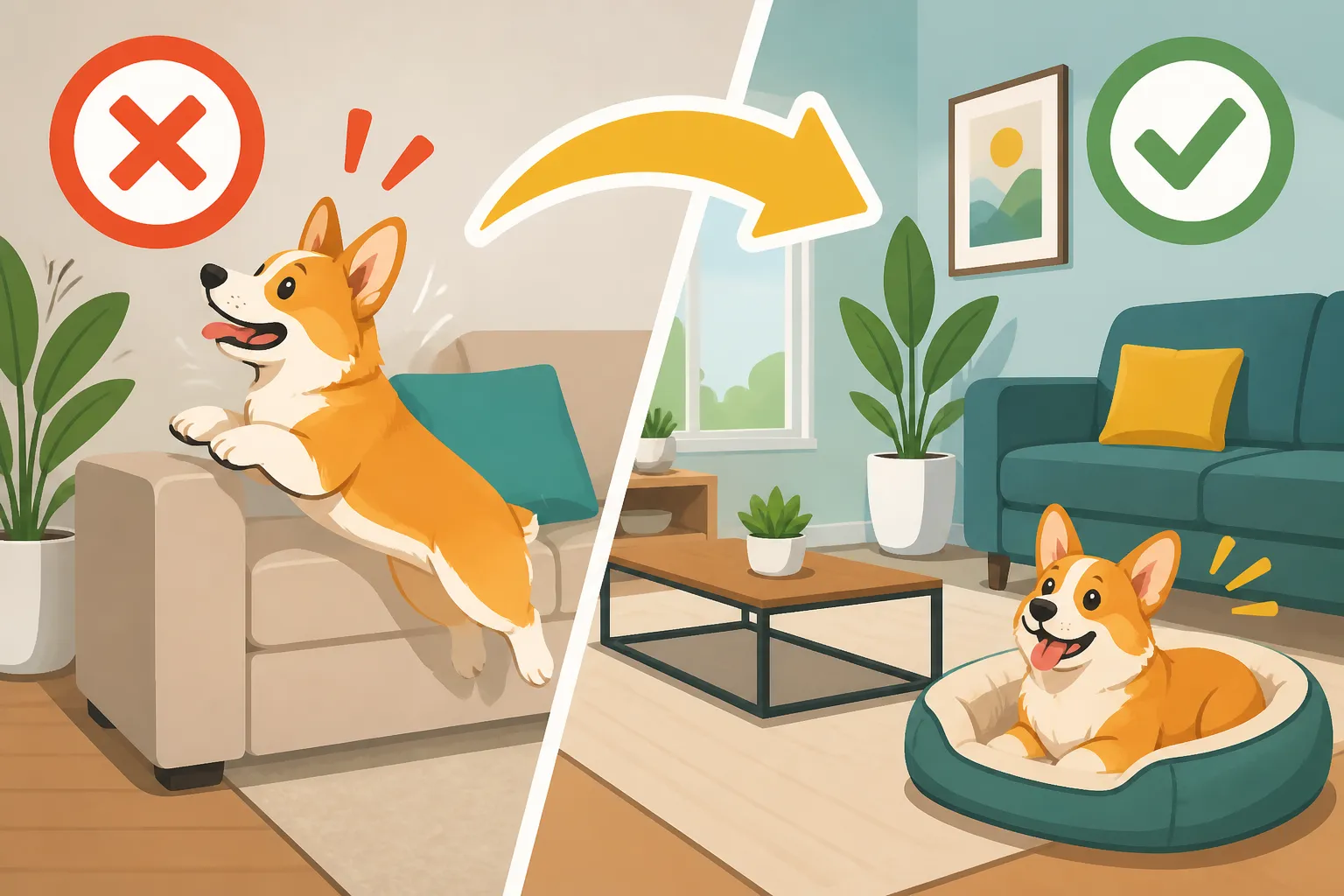
These are probably the biggest culprits in many Corgi homes. Your sofa and bed are places of comfort, rest, and bonding for you and your dog. Naturally, your Corgi wants to join you. The problem isn't necessarily getting onto the furniture, though even that can be a strain, but rather the uncontrolled descent. A sudden jump off the sofa to chase a squirrel, greet a visitor, or simply move to a new spot in the room can create a jarring impact on their spine.
Even if your Corgi seems to land gracefully, the cumulative stress of these small impacts adds up over time, gradually weakening those vulnerable discs. Think of it like micro-traumas. You might not see an immediate injury, but each jump contributes to the wear and tear that could eventually lead to a more serious problem like The Jump That Ruptures a Corgi Disc. It's not just the height, but the angle and the unexpectedness of the landing that can be so damaging.
Stairs and Hard Floors: Slippery Slopes and Shock Absorbers
Stairs present a double threat: the repeated jarring impact of going up and down, and the risk of slipping or misstepping. For a Corgi with short legs, navigating stairs requires a surprising amount of effort and can put significant strain on their back and joints. A fall on the stairs, especially a tumble down several steps, could be catastrophic. Even if they are steady, the constant flexion and extension of their spine with each step is a repetitive stressor.
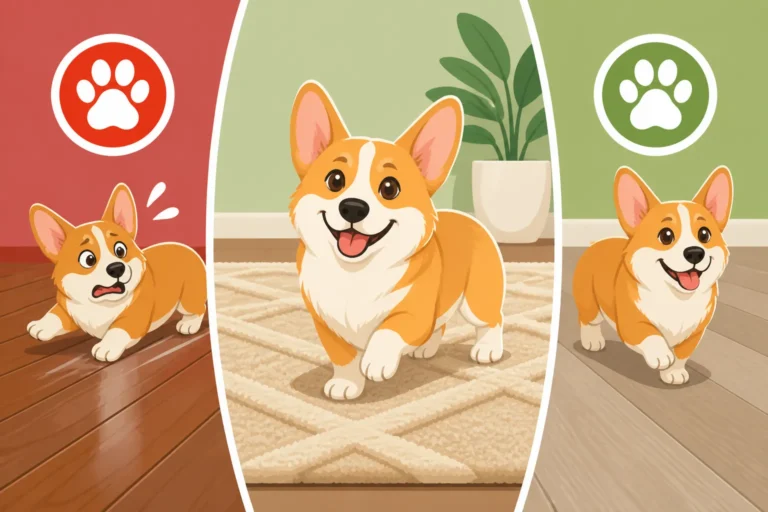
Hardwood, tile, or laminate floors, while beautiful, offer little to no traction for a Corgi's paws. Their short legs and often enthusiastic bursts of speed can easily lead to slips and slides, especially when they're excited or trying to make a quick turn. These sudden slips can cause legs to splay out, twisting their spine or leading to hyperextension injuries. Imagine trying to run across an ice rink; that's often how a Corgi feels on a slick floor, only they don't always know to slow down.
Car Entry and Exit: The Unseen Peril
Getting in and out of a car might seem like a minor jump, but it’s often one of the most dangerous. The height, the awkward angles, and the unstable footing (especially if your Corgi is eager to leap out before you're ready) can combine to create a high-risk situation for their spine. A Corgi launching itself from the back seat or cargo area onto the pavement can land with significant force, particularly if they misjudge the distance or are off-balance.
This is especially true for SUVs or trucks, where the drop is much greater. Even smaller sedans can pose a risk, as the jump often involves a twist as they exit. We sometimes overlook this danger because it's a routine part of daily life, but it's crucial to acknowledge that a car exit is just as much of a jump risk as a sofa leap. Consistent management of this particular "jump zone" can save a lot of heartache.
Strategic Furniture Placement to Mitigate Jumping
Once you've identified the risky areas, it's time to get creative with your home layout. The goal isn't to make your house a bland, sterile environment, but to make smart choices that offer safe alternatives or remove the temptation for dangerous leaps. Think of it as Corgi-proofing your home, just like you would child-proof it.
Lowering Access or Removing Temptation
Sometimes, the simplest solution is the most effective. If your Corgi constantly jumps onto a particular chair or ottoman that's especially high or unstable, consider replacing it with a lower piece of furniture or simply moving it to a less accessible area. If your bed is particularly high, perhaps you can invest in a lower bed frame or simply block off access to the bedroom when you're not there. This isn't about forbidding comfort, but about preventing opportunities for unsafe behavior.
Another tactic is to make existing furniture less appealing for jumping. Placing a sturdy but uncomfortable object (like a laundry basket filled with blankets, or even a few pillows strategically stacked) on a couch cushion when you're not actively using it can deter jumping. The key is consistency; if the "no-jump" zone is always blocked when unattended, your Corgi will learn to seek out safer alternatives.
Creating Safe, Low-Rise Corgi Zones
Instead of trying to keep your Corgi off all elevated surfaces, focus on providing them with safe elevated surfaces or comfortable ground-level alternatives. This could mean a plush dog bed right next to your sofa, offering them the comfort of proximity without the height risk. Look for orthopedic beds, especially if your Corgi is getting older or has a history of back sensitivity. You can find excellent options on Chewy or Amazon.
Consider creating a designated "Corgi corner" with a comfy, low-to-the-ground dog couch or a large, supportive mat. The idea is to satisfy their desire for comfort and closeness without inviting dangerous jumps. If they have a comfortable, attractive place right next to you, they'll be less inclined to attempt risky maneuvers for a prime spot. The goal is to redirect their instinct to a safer outlet.
Non-Slip Solutions for Hard Surfaces
This is a game-changer for homes with hard floors. Covering slippery surfaces with rugs, runners, or carpet tiles provides much-needed traction for your Corgi, reducing the risk of slips, splay injuries, and sudden twists that can damage their spine. Focus on high-traffic areas where your Corgi walks, runs, or makes quick turns.
For specific areas like paths from the living room to the kitchen, consider using non-slip runners. For larger open spaces, strategically placed area rugs with non-slip backing are ideal. Even small mats at doorways or near their food bowls can make a big difference. Sites like Amazon offer a vast selection of rugs and non-slip mats that can be tailored to your home's aesthetic and your Corgi's needs. This simple change drastically improves their footing and confidence.
Introducing Ramps and Steps as Safe Alternatives
Ramps and steps are probably the most direct and effective solutions for allowing your Corgi to access elevated areas safely. They eliminate the need for jumping entirely, turning a high-risk activity into a manageable ascent or descent. However, not all ramps and steps are created equal, and teaching your Corgi to use them properly is crucial.
Choosing the Right Ramps and Steps
When selecting ramps or steps, prioritize stability, traction, and the appropriate height and length for your furniture and your Corgi. A ramp should have a gentle incline, not too steep, to minimize strain on their back and legs. Look for surfaces with good grip – carpeted ramps or those with textured surfaces are ideal. For steps, ensure they are wide and deep enough for your Corgi to comfortably place all four paws on each step, and that they have a low rise to minimize the 'climbing' effort.
Measure the height of your sofa, bed, or car entry point carefully. A ramp that's too short will be too steep, and one that's too long might take up too much space. You can find a wide variety of sturdy pet ramps and steps on Chewy, offering different materials and designs to suit your needs. Remember, cheap, flimsy options can be more dangerous than no ramp at all if they wobble or collapse.
Strategic Placement for Maximum Safety
The placement of ramps and steps is just as important as their quality. They should be positioned flush against the furniture or car, with no gaps where a paw could slip. For sofas and beds, consider placing ramps at both ends if your Corgi tends to approach from different directions. The goal is to make the ramp or steps the most obvious and easiest path to their desired spot.
For car travel, a portable car ramp is an absolute must. Make it part of your routine: before your Corgi gets in or out, deploy the ramp. This consistency teaches them to wait for the safe option. If you have stairs inside your home, a ramp might not be feasible for every step, but perhaps gates can block access to the most frequently used staircases, while a ramp addresses a specific problem area like a porch step or a patio door threshold. Ramps and Steps That Save a Corgi's Back offers more ideas for placement.
Training Your Corgi to Use Ramps and Steps
Getting your Corgi to actually use the ramps and steps might require a little patience and positive reinforcement. Corgis are smart, but they can also be creatures of habit. Start by making the ramp or steps a fun, rewarding experience. Use high-value treats to lure them up and down. Place a treat at the bottom, then one halfway up, then at the top, and then reverse the process. Keep training sessions short and positive.
Never force your Corgi onto the ramp; this can create a negative association. If they're hesitant, you can gently guide them with a leash. Celebrate every successful ascent and descent with praise and treats. Over time, they'll associate the ramp with positive outcomes and understand it's the pathway to their favorite comfy spots. It's an investment of time that pays dividends in spinal health. You can find more tips on Teaching a Corgi to Use a Ramp.
Creating a Corgi-Safe Outdoor Environment
The dangers of jumping aren't confined to the indoors. Your backyard, patio, and even how your Corgi interacts with your vehicle can pose significant risks to their long back. Extending your "no-jump" philosophy to the outdoor spaces your Corgi frequents is just as important for their spinal health.
Patio Steps and Garden Access
Just like indoor stairs, outdoor steps can be problematic. Whether it’s a few steps off the back porch, a raised patio, or even steps leading to a sunken garden area, these can all encourage dangerous jumping or jarring descents. Consider installing a sturdy outdoor ramp or wider, shallower steps with good traction to replace or augment existing steps. If installing a permanent ramp isn't feasible, a portable pet ramp can be used for specific access points.
Additionally, assess your garden for any high ledges, low walls, or uneven terrain that your Corgi might be tempted to jump off or over. While Corgis aren't typically Olympic jumpers, even a small drop can create enough impact to stress their discs. Redirect their play to flat, grassy areas, and consider barriers or landscaping changes to prevent access to precarious spots.
Car Travel: Making It a Smooth Ride
As mentioned earlier, getting in and out of the car is a major risk factor. This is where a good quality car ramp becomes indispensable. Make it a non-negotiable part of your routine. Always use the ramp, even if it's just a short trip to the park. Teach your Corgi to wait patiently for the ramp to be deployed and to use it calmly. This also prevents them from injuring themselves in their excitement.
Inside the vehicle, ensure your Corgi is safely secured. A car harness that clips into a seatbelt or a secure travel crate prevents them from being thrown around during sudden stops or turns, which can also cause spinal trauma. Brands like Amazon offer a wide range of car ramps and safety harnesses designed for various dog sizes and car types, making it easy to find a solution that works for you. Getting a Corgi There and Back Safely highlights more safety tips for car travel.
Training and Behavior Adjustments to Support a Jump-Free Home
While modifying the environment is crucial, it’s only half the battle. Your Corgi’s natural instincts and learned behaviors also play a significant role. Incorporating specific training and behavioral strategies will help your Corgi understand and adapt to their new, safer surroundings. It's about teaching them what to do instead of just what not to do.
The Power of "Off" and "Wait" Commands
Consistent training is your best friend in discouraging unwanted jumping. Teach your Corgi a reliable "Off" command for when they attempt to jump onto furniture without permission or access to a ramp. This should be taught with positive reinforcement – reward them generously when they remove themselves from the forbidden surface or choose the ramp instead.
Equally important is a "Wait" command, especially for areas like the car or before you lift them. Asking a Corgi to Wait for a Lift can be incredibly useful. This teaches them patience and allows you to either deploy a ramp or safely assist them without them launching themselves prematurely. These commands not only protect their back but also strengthen your bond and communication.
Redirecting Jumping Energy
Corgis are energetic, intelligent dogs, and they need outlets for their physical and mental energy. If they're jumping out of excitement or boredom, redirect that energy into safer activities. Engage them in puzzle toys, scent work, or short, structured play sessions on the floor. Fetch games with soft toys on a carpeted area can be a great way to burn off steam without high-impact jumps.
Consider mental enrichment activities that don't involve physical strain. Snuffle mats, treat-dispensing toys (many available on Chewy), or even simple obedience training sessions can tire out a Corgi's mind just as effectively as a physical romp, reducing their desire to leap around the house out of sheer exuberance. This shift in focus helps them channel their natural Corgi enthusiasm into safe and constructive outlets.
Consistent Enforcement and Family Buy-In
For any of these changes to be effective, consistency is paramount. Every member of the household, from adults to children and even regular visitors, needs to be on board with the "no jumping" rules and the use of ramps/steps. If one person allows jumping while another enforces ramps, your Corgi will become confused and inconsistent in their behavior.
Hold a family meeting to discuss the importance of spinal health for your Corgi and demonstrate how to properly use the ramps and enforce commands. Children, especially, need clear guidance on how to interact with the Corgi safely, perhaps by sitting on the floor to play rather than encouraging jumps onto furniture. This unified front ensures your Corgi receives clear messages and can truly adapt to their safer environment.
Essential Corgi Gear for a Jump-Safe Lifestyle
Beyond ramps and strategic furniture, certain products can significantly contribute to your Corgi's spinal health and overall well-being. Investing in the right gear is an investment in their comfort and longevity.
Supportive Beds and Crate Setup
An orthopedic dog bed is a non-negotiable for a Corgi. These beds provide superior support for their long spines and joints, reducing pressure points and offering a truly restorative rest. Look for beds with dense, supportive foam that won't flatten out over time. Place these beds in your designated "Corgi zones" to encourage safe resting habits.
If your Corgi is crate trained, ensure their crate is spacious enough for them to stand, turn around, and lie down comfortably, and always equip it with a supportive bed. A crate can be a safe haven during periods of unsupervised rest, preventing impromptu jumps. Even if your Corgi isn't on strict Crate Rest for a Corgi With a Bad Back, a well-appointed crate provides a secure, jump-free space.
Harnesses for Support and Safety
While collars are fine for ID tags, a well-fitting harness is always recommended for Corgis during walks. A harness distributes pressure across their chest and shoulders, rather than putting strain on their neck and throat, which can indirectly affect spinal alignment. Choose a Y-front harness that allows for full range of motion in their shoulders and doesn't restrict breathing or put pressure on their spine.
When lifting your Corgi (which you should do carefully and often, rather than letting them jump!), a sturdy harness provides a good handhold and helps distribute their weight. This ensures you're supporting them properly and not causing any undue twisting or strain on their back. A good harness is a simple but effective tool in your Corgi's spinal protection arsenal.
Weight Management Tools and Nutrition
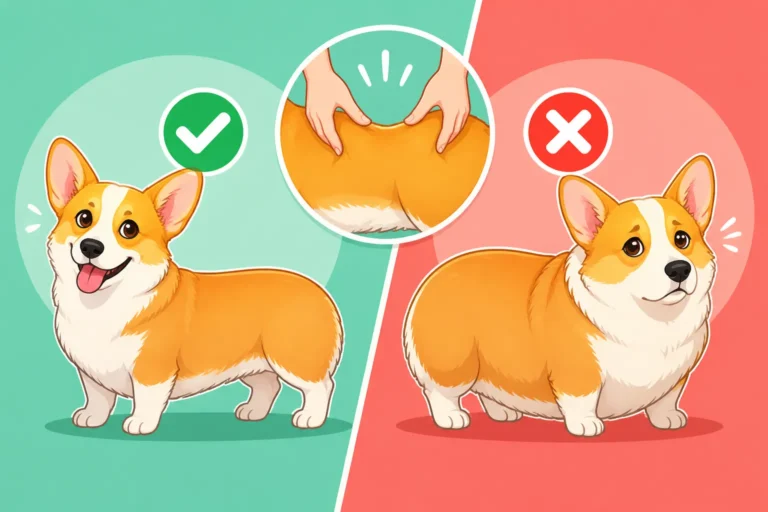
Maintaining an ideal weight is one of the most critical things you can do to protect your Corgi's spine. Every extra pound puts additional stress on their discs and joints. This isn't strictly "gear" in the traditional sense, but the tools and approach to weight management are essential components of a jump-safe life.
Invest in a kitchen scale to accurately measure your Corgi's food portions. Relying on scoops can often lead to overfeeding. Consider high-quality, portion-controlled dog food designed for weight management. Brands like Ollie, which provide customized meal plans, can be incredibly helpful in ensuring your Corgi receives precise nutrition to maintain their ideal body condition score. Integrating puzzle feeders from Chewy can also slow down eating and provide mental stimulation. Feeding a Corgi So Its Spine Carries Less offers more details on nutrition.
Maintaining a Safe Home as Your Corgi Ages
A Corgi's needs evolve as they get older, and what was merely a precaution in their youth can become an absolute necessity in their senior years. Being proactive and continuously adapting your home environment is crucial for ensuring their continued comfort and mobility.
Regular Health Checks and Early Detection
As your Corgi enters their senior years, typically around 8-10 years old, regular veterinary check-ups become even more vital. Discuss your Corgi's mobility and any changes you've noticed, no matter how subtle, with your vet. Early signs of disc issues or arthritis can be managed more effectively if caught promptly. Your vet might recommend supplements or lifestyle adjustments tailored to an aging spine.
Pay close attention to subtle behavioral changes: are they hesitating before jumping? Are they slower on stairs? Do they seem reluctant to play in ways they once enjoyed? These can all be indicators that their back is becoming more sensitive. Catching these early signs can help you make adjustments before a major incident occurs. Screening an Older Corgi's Spine provides valuable insights into what to look for.
Adapting to Decreased Mobility
Even with the best preventative measures, some Corgis will experience a natural decline in mobility as they age. This might mean they can no longer navigate ramps as easily or require more assistance getting on and off furniture. Be prepared to make further adjustments: perhaps adding more strategically placed orthopedic beds on the floor, or even transitioning to strictly ground-level living spaces.
Consider investing in supportive slings or lifting aids if your Corgi struggles with short walks or needs help getting in and out of the car. These tools can make a huge difference in their quality of life and your ability to care for them safely. The goal is to keep them as mobile and comfortable as possible, even if that means more direct assistance from you.
Long-Term Commitment to a Jump-Free Lifestyle
Creating a jump-safe home isn't a one-time project; it's an ongoing commitment throughout your Corgi's life. As they grow from playful puppies to dignified seniors, their physical capabilities and needs will change. What worked at two years old might not be sufficient at eight or twelve. Stay vigilant, observe your Corgi, and be willing to re-evaluate and modify your home environment as needed.
This long-term dedication to their spinal health, combined with regular vet care and appropriate nutrition (like the carefully formulated meals from Ollie), will give your Corgi the best chance at a long, comfortable, and pain-free life. It’s a testament to the love and care we have for these wonderful, long-backed companions.
Here’s a quick summary of common jump risks and their solutions:
| High-Risk Jumping Zone | Specific Danger Points | Recommended Solutions | Essential Gear/Practices |
|---|---|---|---|
| Sofas & Beds | High-impact landings, twisting during descent | Pet ramps/steps, low-rise dog beds, restrict access | Orthopedic beds (Chewy, Amazon), "Off" command |
| Stairs (Indoor/Outdoor) | Jarring impact, slips, falls | Baby gates, sturdy ramps/shallow steps (outdoor), carrying | Stair gates (Amazon), anti-slip treads, "Wait" command |
| Hard Floors | Slips, splay injuries, sudden twists | Area rugs, runners, non-slip mats in high-traffic areas | Non-slip rugs (Amazon), paw wax (Chewy) |
| Car Entry/Exit | Awkward jumps, misjudged landings, falls | Car ramps, lifting | Portable car ramp (Amazon), car safety harness |
| Garden/Patio | Ledges, uneven surfaces, short drops | Ramps for patio steps, redirect play to flat areas, barriers | Outdoor ramps, secure fencing |
Disclaimer
This article is for general informational purposes only and does not constitute professional advice. Laws, prices and regulations vary by location and change over time. Consult a qualified professional for guidance on your specific situation.