Asking a Corgi to Wait for a Lift
One of the most common worries for Corgi owners, especially when you need to pick up your beloved low-rider, is that sudden, excited leap. It's often adorable, but with their long backs and short legs, those impromptu jumps can put immense strain on their delicate spines, leading to painful injuries. This guide will walk you through teaching your Corgi a reliable "wait" command for lifts, making these necessary actions safer for both of you.
Understanding the Corgi's Back and Why Jumping Is a Risk
Let's be real, Corgis are built like little furry loaves of bread on stumps. Their unique body structure, while incredibly cute, comes with a predisposition to certain health issues, particularly those affecting their spine. It's not just a minor concern; it's a fundamental aspect of Corgi ownership.
The Anatomy of a Corgi's Spine
Corgis, like Dachshunds and Basset Hounds, are chondrodystrophic breeds. This fancy word essentially means they have disproportionately short limbs and an elongated body, a result of a genetic trait that affects cartilage and bone development. While it gives them their signature look, it also means their intervertebral discs — the jelly-filled cushions between the bones of their spine — are more prone to degeneration and rupture. Imagine a stack of fragile dinner plates with worn-out rubber spacers between them. Any sudden jarring motion, like an excited jump, can be the straw that breaks the camel's back, sometimes quite literally. Disc Disease in a Long-Backed Corgi explains this in more detail.
When a Corgi leaps off a sofa or jumps up to be picked up, the force generated can compress these already vulnerable discs. The impact isn't absorbed effectively by their short legs and robust bodies, sending a shockwave right through their spine. This can cause a disc to bulge, protrude, or even rupture, leading to a condition known as Intervertebral Disc Disease (IVDD). It's a truly heartbreaking and often incredibly painful experience for them, and a terrifying one for us as owners.
The Hazards of Impulsive Jumping
We've all seen it: your Corgi sees you grab the car keys, or you open the door to head outside, and they launch themselves into the air with enthusiastic abandon, ready to be scooped up. It's a natural, joyful reaction, but it's fraught with danger. A Corgi launching itself to be picked up means you, as the owner, have less control over their body position during the lift. They might twist, land awkwardly, or you might not be ready to fully support their weight in the moment of their jump. This increases the risk of not just spinal injury but also joint strain in their shoulders and hips.
Think about lifting a child who suddenly jumps into your arms versus a child who waits calmly. The latter is always safer and more controlled. For a Corgi, especially one with a longer back, that control is paramount. A quick, unplanned jump can lead to a misstep on your part, an unstable lift, and a potentially catastrophic injury for your dog. It's not about stifling their joy, but about channeling it into safe, predictable behaviors. This is why teaching a "wait" command isn't just a nicety; it's a crucial preventative measure for their long-term health.
The "Wait" Command: A Cornerstone of Corgi Safety
Teaching your Corgi to wait before being picked up is more than just a trick; it's a vital safety protocol that protects their delicate spine from the stresses of enthusiastic jumping. It instills patience and provides you with the control you need to execute a safe lift every single time.
Why "Wait" Matters for Lifts
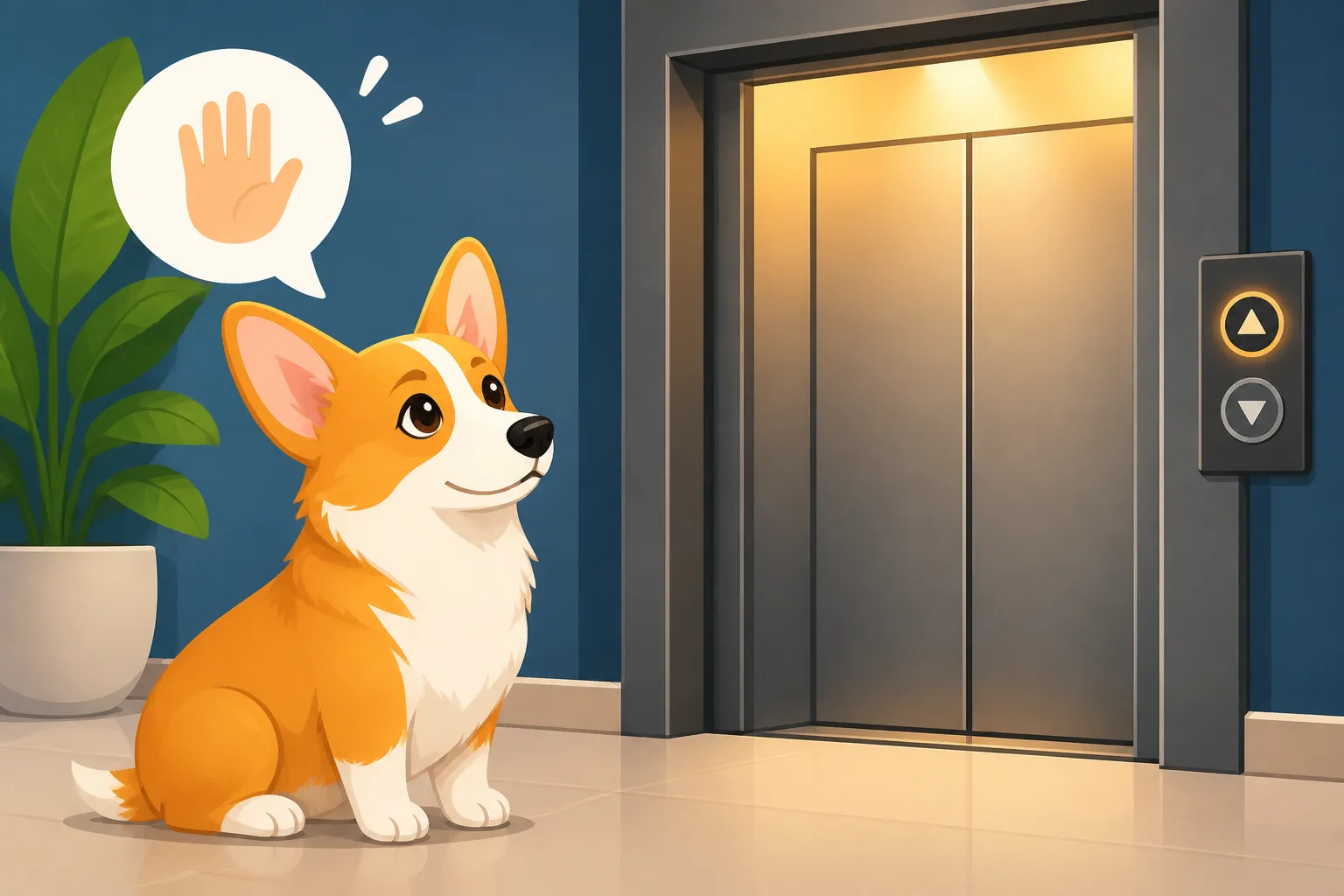
The "wait" command, in this context, means holding still and maintaining all four paws on the ground until you give the all-clear. It's about teaching impulse control, which is incredibly valuable for a Corgi, a breed known for its cleverness and sometimes its independent streak. When they learn to wait, they're not just waiting for a lift; they're learning to pause, to listen for your next instruction, and to respect your guidance. This foundational skill can actually spill over into other areas of their training, like Corgi Recall and the Herding Instinct or even general leash manners.
Without a solid "wait," you might find yourself in situations where you must pick up your Corgi quickly – maybe to avoid a hazard on a walk, lift them onto a vet exam table, or get them into the car. If they're a jumper, these urgent moments become even more precarious. A well-trained "wait" means your Corgi will hold still, allowing you to position yourself correctly, support their body appropriately, and lift them without a jarring impact or awkward twist. It transforms a potentially dangerous scramble into a calm, predictable maneuver.
Consistency is Key: Everyone on Board
This command needs to be non-negotiable, and it needs to be practiced by everyone who interacts with your Corgi. If one family member allows jumping and another enforces the wait, your Corgi will quickly become confused and will try to get away with the behavior that yields the quickest reward. Children, especially, need to understand the importance of asking the Corgi to wait and how to lift them safely.
Consider a multi-person household: if one person scoops them up the moment they jump, the Corgi learns that jumping is the quickest way to get what they want. If another person insists on "wait," it creates inconsistency, which is the enemy of good training. Therefore, gather everyone in the household and explain the "why" behind the "wait" command – focusing on the Corgi's health. Decide on a consistent command word ("wait" is simple and effective) and a consistent hand signal. It might feel like a lot of effort initially, but the peace of mind knowing you're protecting your Corgi's back is immeasurable. Think of it as a small investment in their overall wellbeing, akin to providing them with Ramps and Steps That Save a Corgi's Back around the house.
Step-by-Step Guide to Teaching "Wait" for Lifts
Teaching a Corgi a new command takes patience, positive reinforcement, and a clear, consistent approach. Remember, they're smart, but they also have that stubborn streak!
Starting with the Basics: Lure and Reward
Begin in a quiet, low-distraction environment. You'll need some high-value treats – small, soft, and super tasty.
- Introduce the "Wait": Hold a treat near your Corgi's nose, then slowly move it up and away, keeping their nose following it without them jumping. As soon as all four paws stay firmly on the ground, even for a split second, say "Yes!" or click a clicker, and immediately give them the treat. Repeat this many, many times. The goal here is to connect "not jumping" with "reward."
- Add the Verbal Cue: Once they're consistently keeping all paws down, add your verbal cue. As you bring your hands towards them to signal a potential lift, say "Wait." Then, wait for them to pause and keep still. The moment they are still, reward them. If they jump, withdraw your hands, take a step back, and try again, patiently. Don't scold, just reset.
- Practice Approaching for a Lift: Start small. Pretend to bend down as if to pick them up, say "Wait," and if they hold still, reward them. Gradually increase the duration of the "wait" before the reward. You're building a foundation where "wait" means holding still until you say otherwise.
A great resource for breaking down training into small steps is an online program like BAXTER & Bella. They often provide structured lessons that can guide you through these initial stages with video demonstrations, which can be super helpful for visual learners.
Gradual Progression to the Full Lift
Once your Corgi understands the basic concept of "wait" when you approach, it's time to integrate the actual lift.
- Mini-Lifts: With your Corgi waiting calmly, gently place your hands under them as if to lift, but don't actually lift them yet. Reward them for holding still. Then, lift them just an inch or two off the ground, immediately say "Yes!" and put them back down, giving a treat. The key is to make it a quick, positive experience.
- Full, Safe Lifts: When you do lift them fully, always support their chest and hindquarters evenly. Think of it like cradling a baby – you want their spine to remain as straight and supported as possible. Once they are safely in your arms, praise them with a calm voice and give them a treat. Then, when you set them down, ensure they land gently, still providing full support until their feet are firmly on the ground.
- Practice in Various Contexts: Your Corgi won't generalize this command automatically. Practice the "wait" command before lifting them into the car, onto your lap for cuddles, or even onto the grooming table. Each scenario is a new learning opportunity. You might find that products available on Amazon, like a sturdy car ramp, can also reduce the need for lifts in certain situations, further protecting their back.
| Situation | Why "Wait" is Crucial | Safe Lifting Technique |
|---|---|---|
| Into the Car | Prevents jumping onto hard surfaces, spinal twists. | Support chest and hindquarters, lift smoothly, place gently. |
| Onto Furniture | Avoids sudden impact and improper landing. | Lift slowly, maintain level spine, ensure stable landing. |
| Vet Exam Table | Prevents falls, allows vet to prepare. | Two hands, one under chest, one under rump, gentle upward motion. |
| Over Obstacles | Protects spine from awkward maneuvers or missteps. | Keep body straight, secure grip, avoid dangling front or back. |
| Up/Down Stairs | Mitigates risks associated with long back on stairs. | Carry entirely if possible; if not, use ramp/gate for Whether Stairs Are Safe for a Corgi. |
Troubleshooting Common Training Hurdles
Even with the best intentions, Corgis can present challenges. Their intelligence sometimes translates into finding loopholes!
- Excitement Jumps: If your Corgi is overly excited and just can't contain themselves, try working on a leash initially. Keep them on a short leash, and when they start to get jumpy, gently step on the leash to prevent the full jump while still keeping all four paws grounded. This gives you a physical way to enforce the "wait" while you reward the calm behavior. You might also want to review their overall Training a Corgi That Makes Its Own Decisions for general impulse control.
- Stubbornness: Some Corgis are simply strong-willed. If they're refusing to wait, go back to basics. Make the task incredibly easy again. Maybe just bending slightly with your hands, saying "wait," and immediately rewarding before they even have a chance to jump. Gradually build up from there. Never get frustrated; they're responding to your cues, or lack thereof, and they pick up on your mood.
- Regression: It's common for dogs to regress, especially if they're stressed, in a new environment, or if consistency has slipped. If this happens, don't panic. Just go back a few steps in your training. Revisit the easy, low-distraction sessions and build confidence again. Sometimes, a quick refresh of fundamental obedience through a structured program, even one you access online through BAXTER & Bella, can help solidify all learned behaviors.
- Pain or Discomfort: If your Corgi suddenly starts resisting lifts or showing reluctance to wait, rule out any underlying physical issues. A sudden change in behavior could indicate pain, especially if it's related to their back or joints. It might be time for a vet check-up to ensure there isn't a new issue brewing, like Early Arthritis in a Corgi or a burgeoning disc problem. Don't ever punish a Corgi for showing discomfort; investigate the cause.
Remember, every Corgi is an individual. What works for one might need slight adjustments for another. The key is to be consistent, patient, and always make training a positive, rewarding experience. This isn't just about a command; it's about building trust and ensuring your beloved Corgi stays healthy and happy for many years to come.
Disclaimer
This article is for general informational purposes only and does not constitute professional advice. Laws, prices and regulations vary by location and change over time. Consult a qualified professional for guidance on your specific situation.