Training a Corgi That Makes Its Own Decisions
Anyone who has ever lived with a Corgi knows that these adorable, low-riders aren't just cute fluffballs; they are sentient, highly intelligent beings with strong opinions and a remarkable ability to "make their own decisions." This charming trait, while often endearing, can quickly become a frustrating challenge for owners trying to instill manners or teach basic obedience. This comprehensive guide will delve into why Corgis are so independent, validate the very real struggles owners face, and provide practical, empathetic strategies to train your Corgi without breaking their spirit or your patience.
Understanding the Corgi Mindset: Why They're So Independent
It’s easy to look at a Corgi and see only a cuddly companion, but beneath that fluffy exterior lies the heart and mind of a working dog. They weren't bred to sit quietly on a lap; they were bred for a demanding job, and understanding this is the first step to successful training.
The Herding Dog Heritage and Drive
Corgis, both Pembroke and Cardigan, hail from a long line of cattle herding dogs. Their unique low-slung build wasn't an accident; it allowed them to nip at the heels of stubborn cattle while ducking under retaliatory kicks. This job required immense intelligence, courage, and a strong independent streak. They had to make split-second decisions in the field, often far from their human handler, to keep the herd moving. They couldn't wait for constant instructions; they had to assess, react, and take initiative.
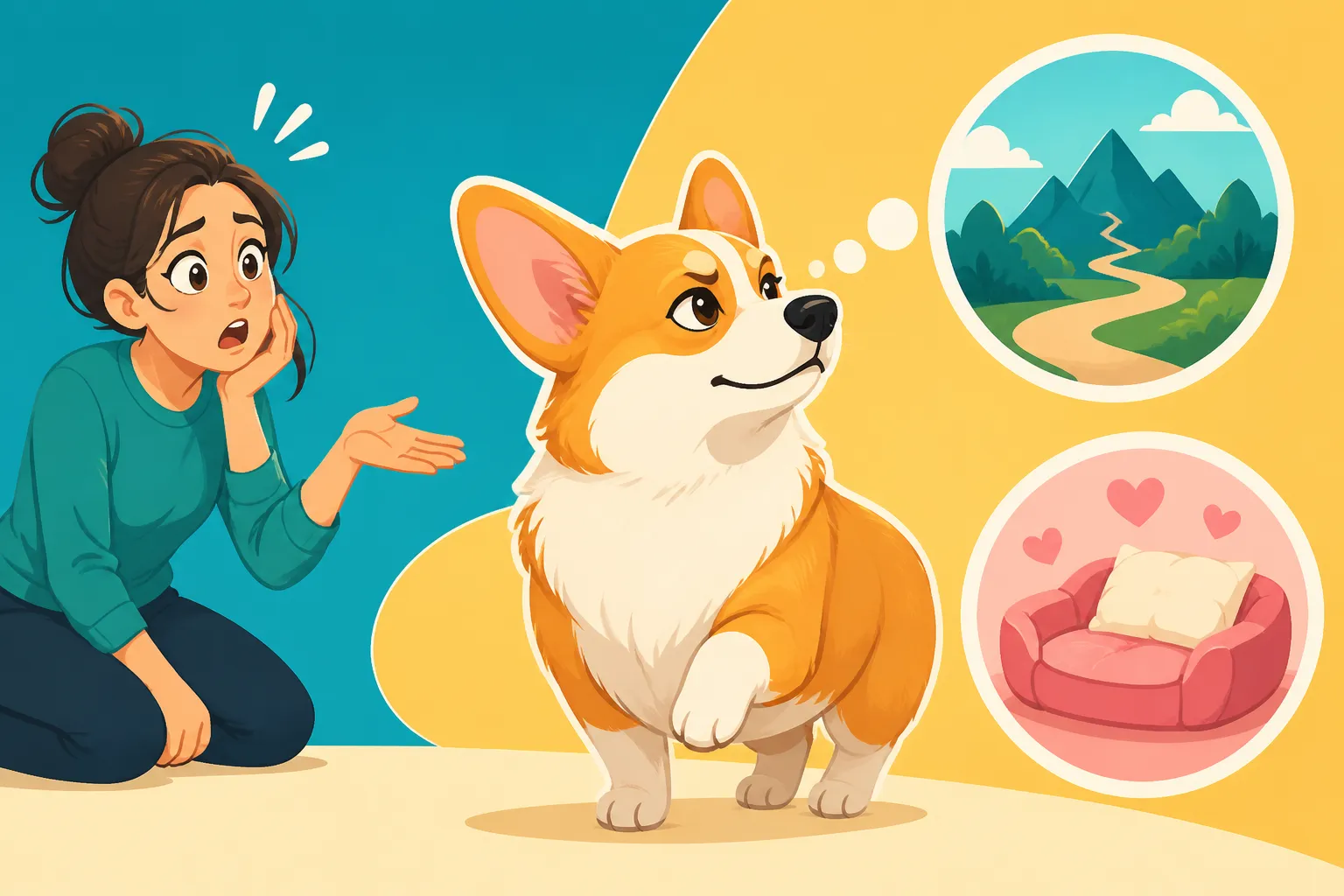
This deep-seated heritage means your Corgi isn't trying to be difficult when they decide to ignore your "come" command to investigate an interesting smell. They are simply tapping into that ancient drive to problem-solve and make their own choices. They're still excellent at noticing movement, like children running, which can trigger The Cattle-Driving Nip a Corgi Still Has. It's crucial to acknowledge that their independence isn't a flaw but a hardwired part of their breed. Trying to fight it head-on with force or anger will only lead to frustration for both of you.
Imagine being in their paws: you're out on a walk, and suddenly, a squirrel darts across your path. Your brain, for generations, has been wired to chase, to control, to react. Your human calls "come!" but the primal instinct to herd and investigate is overwhelming. It’s not that they don’t understand "come"; it’s that their instincts are shouting louder. This independent decision-making is a testament to their working past, and it's what makes them such captivating, albeit challenging, companions.
Intelligence Paired with a "What's In It For Me?" Attitude
Corgis are smart. Like, really smart. They can pick up new commands and tricks with astonishing speed, sometimes making you feel like you've got a canine genius on your hands. However, this intelligence comes with a caveat: they are masters of cost-benefit analysis. A Corgi isn't going to perform a trick just because you asked nicely. They want to know, "What's in it for me?"
This isn't maliciousness; it's pragmatism. If there's a better reward or a more interesting activity competing for their attention, your Corgi is likely to choose the latter. This is why many owners struggle with Why an Independent Corgi Ignores You – it's not truly ignoring, it's prioritizing. They are evaluating the situation and deciding which course of action offers the most benefit to them. This can feel incredibly personal, but it's just how their clever little minds work. They're not robots, programmed to obey; they're thinkers.
This "what's in it for me?" attitude means you, as their trainer, need to become the most exciting and rewarding thing in their environment. Your treats need to be high-value, your praise enthusiastic, and your games engaging. If you consistently make complying with your requests more rewarding than following their own instincts, you'll see a significant shift in their responsiveness. It’s less about dominance and more about negotiation and making excellent deals.
The Stubborn Streak: It's Not Disobedience, It's Corgi
Often misinterpreted as stubbornness or outright defiance, a Corgi's tendency to dig in their heels is, once again, a byproduct of their historical role. When you're dealing with a thousand-pound cow, a little dog needs to be resolute and unyielding. That same resolve translates into their daily lives. If a Corgi has decided something isn't worth their effort, or that their idea is better, convincing them otherwise can feel like pushing a boulder uphill.
This isn't true disobedience in the sense that they are actively trying to defy you; it's more of a strong-willed conviction that their chosen path is correct. It's the difference between a child purposefully breaking a rule and a child simply not seeing the logic in the rule to begin with. Your Corgi might simply stand there, look at you, and politely but firmly refuse to move, perhaps even letting out a little "huff." This is Corgi Sass and What to Do About It in action.
Recognizing this as a breed trait rather than a personal affront can help you approach training with more patience and creativity. Instead of getting angry, which rarely works with a Corgi anyway, try to understand their motivation and find ways to make your request align with their desires. Sometimes it means breaking down a command into smaller, easier steps, or simply changing your approach entirely. A battle of wills with a Corgi is a battle you are unlikely to win.
Laying the Foundation: Early Training and Socialization are Key
Just because Corgis are intelligent and independent doesn't mean they're untrainable. Quite the opposite! But they do require a thoughtful, consistent approach from the very beginning. The puppy months are incredibly formative, setting the stage for their adult behavior.
The Crucial Puppy Period: Exposure and Positive Experiences
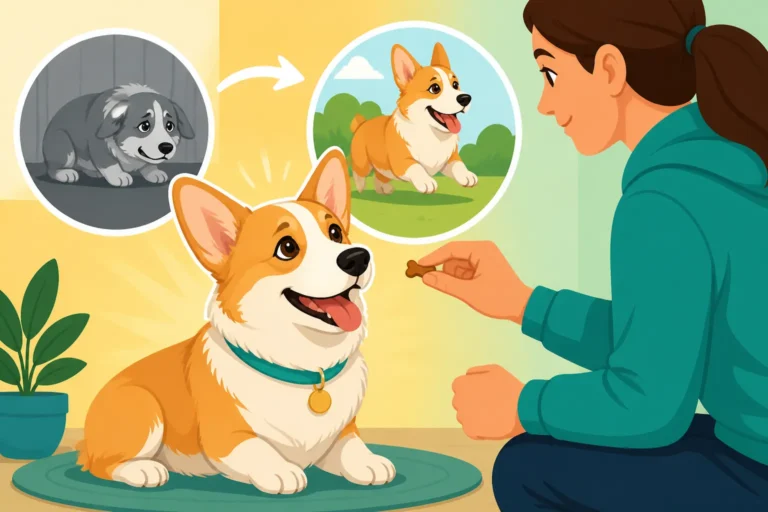
Bringing home a Corgi puppy is an exciting time, but it's also a critical window for socialization. From around 8 to 16 weeks, puppies are sponges, absorbing everything about the world around them. This is the time to expose your Corgi to a wide variety of sights, sounds, smells, people, and other well-behaved dogs, all in a positive and controlled manner. Think about gentle introductions to children, different surfaces like grass, concrete, and even slippery floors, and the sounds of traffic or vacuum cleaners.
Lack of proper socialization during this period can lead to fear, reactivity, or aggression later in life, especially in a breed that already has a strong personality and protective instincts. A well-socialized Corgi is more confident, less prone to fear-based decisions, and generally more adaptable, which makes training much smoother. Always aim for positive experiences; never force your puppy into a situation they find distressing. Short, happy exposures are far more beneficial than long, traumatic ones.
Consider enrolling in a puppy kindergarten class. These classes are invaluable not just for basic obedience but also for safe, supervised socialization. They teach your puppy appropriate dog-dog interaction and expose them to various people and environments. Many puppy courses, like those offered by BAXTER & Bella, also provide online resources to guide you through this critical phase, offering structured lessons and live support that can make a world of difference for an independent breed.
Basic Obedience: The Non-Negotiables for a Corgi
For any dog, basic obedience is important, but for a Corgi, it's essential. Commands like "sit," "stay," "come," and "leave it" aren't just parlor tricks; they are vital safety cues. A Corgi's independent nature means they might dart off after a scent or a perceived "herd" (like a bicyclist) without a second thought for their own safety. A solid recall can be life-saving.
Start with short, frequent training sessions, especially when your Corgi is a puppy. Their attention span isn't long, so 5-10 minutes several times a day is far more effective than one long, tedious session. Always keep it positive, using high-value treats and enthusiastic praise. For a Corgi who constantly makes its own decisions, you need to prove that listening to you is always more rewarding than following their own agenda. Building a strong foundation of positive experiences with these core commands will be instrumental in managing their independent streak later on.
Don't forget manners, like polite leash walking. A Corgi's low center of gravity means they can be surprisingly strong pullers, and their desire to investigate everything can lead to a challenging walk if not addressed early. Using a front-clip harness can help manage pulling without putting strain on their neck or back, and consistent training helps them learn that walking politely by your side gets them to interesting places faster.
Puppy Classes and Online Resources for a Strong Start
Even if you've trained dogs before, a Corgi presents unique challenges that can benefit from expert guidance. Puppy classes offer a structured environment to teach essential commands and address common puppy behaviors like mouthing and nipping – a real concern with a breed known for The Corgi Puppy Mouth and Where It Lands. A good instructor can help you understand your Corgi's specific quirks and guide you on how to best communicate with them.
For those who prefer a more flexible schedule or don't have access to quality in-person classes, online puppy programs can be a godsend. Platforms like BAXTER & Bella offer comprehensive online puppy training that focuses on positive reinforcement and building a strong relationship. This can be particularly useful for Corgi owners because it allows you to learn at your own pace and revisit lessons, giving you the tools to consistently work with your dog on their independent decision-making. These programs often include virtual coaching, which can be invaluable when you hit a roadblock with a particularly opinionated Corgi.
When choosing any class or program, look for those that emphasize positive reinforcement, force-free methods, and an understanding of breed-specific traits. Avoid any trainers who advocate for harsh corrections or dominance theory, as these approaches are not only outdated but can actively damage your relationship with an intelligent, sensitive Corgi and make them even less likely to listen to you.
Building a Communication Bridge: Positive Reinforcement and Unwavering Consistency
The key to training a Corgi who loves to make their own decisions is to establish yourself as the most reliable, rewarding, and understandable source of guidance. This is achieved through clear communication, irresistible motivation, and absolute consistency.
Making Training Fun: Lure, Reward, and Play
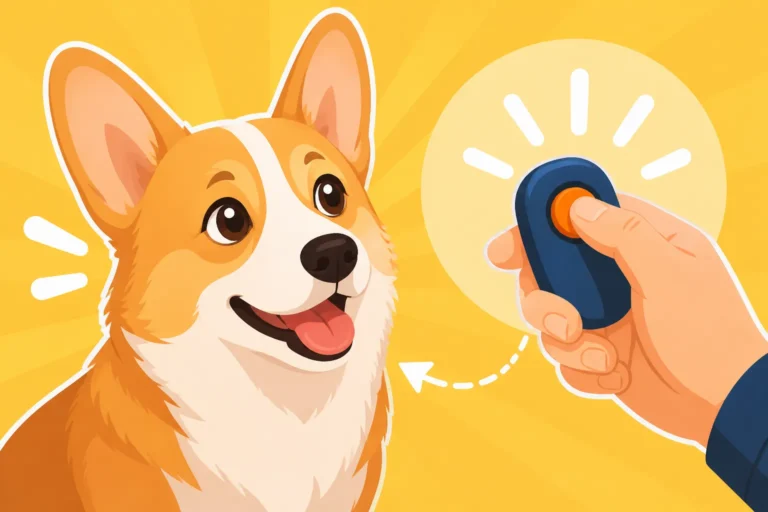
Training a Corgi shouldn't feel like a chore for either of you; it should be an engaging game. Corgis are food-motivated and love to please if the reward is good enough. Use high-value treats (small pieces of cheese, cooked chicken, hot dogs) and enthusiastic praise. Lure-and-reward techniques are incredibly effective: use a treat to guide your Corgi into the desired position (e.g., holding a treat over their head to get them to sit) and then immediately reward.
Mix in play as a reward too. A quick game of tug or fetch can be just as motivating as a treat, especially for a working breed that thrives on interaction. Keep sessions short, upbeat, and end on a positive note, even if it's just for a simple "sit" that they nailed. This builds positive associations with training and makes your Corgi want to engage with you, even when their independent mind is buzzing with other ideas. This is how you show them that Whether a Corgi Works for Anything but Food can have multiple answers.
Remember, Corgis also bore easily. Repetitive drills will quickly lead to them "checking out" and making their own fun. Vary your locations, rewards, and the order of commands to keep them engaged. If training feels like a puzzle or a game where they earn something great, they are much more likely to participate enthusiastically, rather than defaulting to their own agenda.
Clear Cues and Consistent Expectations
One of the biggest pitfalls when training an independent dog is inconsistent communication. If "stay" sometimes means five seconds and sometimes means five minutes, or if different family members use different words for the same command, your Corgi will quickly become confused and decide it's easier to just do what they want. Establish clear, concise cues (words or hand signals) and ensure everyone in the household uses them consistently.
Consistency isn't just about the cues; it's also about your expectations and follow-through. If you ask your Corgi to "stay" and they break it, gently guide them back to the original spot and try again. Don't let them get away with ignoring a command, especially early on. Each successful completion, followed by a reward, reinforces the behavior and builds their understanding. However, be realistic with your expectations. Don't ask for a 10-minute stay if you've only practiced for 30 seconds. Build up gradually.
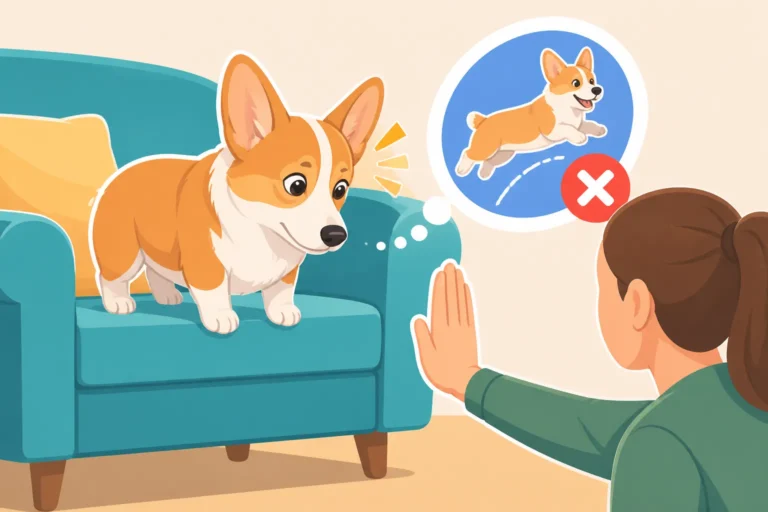
Think of it like teaching a child. If you tell them "no" to touching a hot stove sometimes, but not others, they won't learn the boundary. The same applies to your Corgi. Their independent nature means they are constantly testing boundaries, so consistent responses from you are vital to help them understand what is expected. This includes consistency with rules around the house, like Whether a Corgi Should Ever Jump Off a Sofa – if it's not allowed, it's never allowed, or you risk back injuries.
Proofing Behaviors: Making Them Stick in Real-World Scenarios
It's one thing for your Corgi to "sit" perfectly in your quiet living room. It's an entirely different challenge for them to do it at the busy dog park when a hundred exciting distractions are vying for their attention. This is where "proofing" comes in. Proofing means practicing commands in various environments, with increasing levels of distraction, duration, and distance.
Start by practicing in slightly more distracting areas, like your backyard, then a quiet street, then a park during off-peak hours, and finally, a bustling park. Gradually increase the duration of commands (how long they "stay") and the distance you are from them when you give the command. Always set your Corgi up for success. If you know they'll fail in a highly distracting environment, start with lower distractions. If they struggle, go back a step and try again in an easier setting.
The goal is to generalize the behavior so your Corgi understands that "sit" means "sit" no matter where they are or what else is happening. This is particularly important for an independent breed, as they will readily revert to making their own decisions if they haven't been taught that your commands apply universally. This might feel like a long process, but it builds reliability and trust, turning your independent thinker into a responsive companion.
Tackling Common Corgi Challenges with Patience
Corgi owners often face a specific set of challenges directly related to their breed's intelligence and independent nature. These aren't insurmountable, but they do require understanding and specific strategies.
Redirecting the Infamous Corgi Nip and Bark
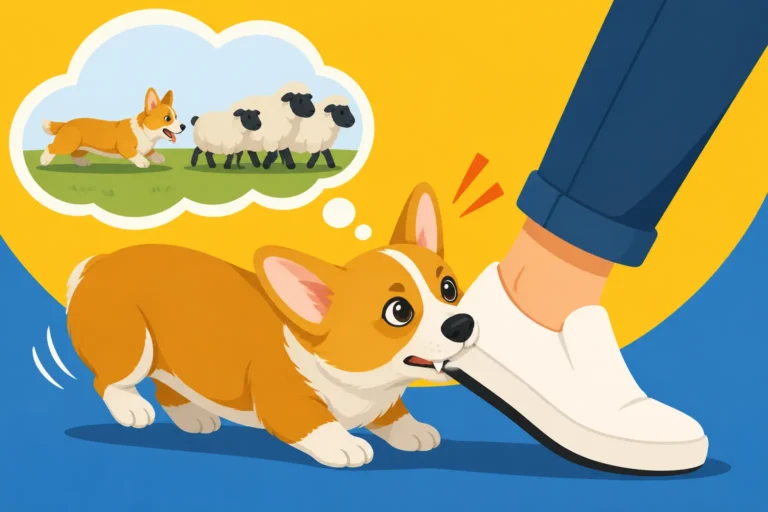
Ah, the Corgi nip. Many owners are utterly bewildered when their adorable fluffball decides their ankles are fair game. This isn't aggression; it's a residual herding behavior. Your Corgi is literally trying to "herd" you, or perhaps a running child, with nips at the heels or legs. It's their instinctual way of saying, "Move this way!" While rooted in instinct, it's a behavior that needs immediate and consistent redirection.
When the nipping starts, redirect your Corgi onto an appropriate chew toy. If they continue, remove yourself from the situation (time-out for you, not them) by stepping over a baby gate or going into another room for 30 seconds. This teaches them that nipping makes the fun (and you!) disappear. Never use physical punishment, as this can backfire and make them afraid or even more prone to nipping. Consistency is key here; every time they nip, they lose access to you.
As for barking, Corgis are renowned for being quite vocal. Corgi Barking and How Much Is Normal can feel like a rhetorical question sometimes! Whether it's alert barking at every leaf blowing past the window, or demand barking for attention, it's a common Corgi trait. Teach a "quiet" command by waiting for them to bark a few times, then hold a treat to their nose, say "quiet," and reward them when they stop barking to sniff the treat. Gradually increase the time they need to be quiet before getting the reward. If they bark for attention, ignore them completely until they are quiet, then reward. This teaches them that quiet gets attention, barking doesn't.
Mastering Recall: The Ultimate Test of Trust
A reliable recall is paramount for any dog, but especially for an independent, low-to-the-ground scent hound like a Corgi. Their noses can get them into trouble quickly, and their herding instinct means they might chase after things with single-minded determination. Training a bomb-proof recall needs to start early and be constantly reinforced.
Begin practicing "come" in a distraction-free environment, like your home or a fenced yard. Use a happy, excited voice and the highest value treats you can find. Make coming to you the most wonderful thing that could possibly happen. As you proof the behavior in more distracting environments, consider using a long line (a 15-30 foot leash available on Amazon) in unfenced areas. This allows your Corgi to explore a bit, but you still have control to enforce the "come" command.
Never, ever punish your Corgi when they finally come to you, no matter how long it took or how frustrated you are. If you scold them, you're teaching them that coming when called leads to negative consequences, and they'll be even less likely to respond next time. Make coming to you a joyful, rewarding experience every single time. It's a continuous process, and a strong recall for a Corgi isn't just about obedience, it's about building trust and ensuring their safety.
Navigating "Selective Hearing" on Walks and at Home
"Selective hearing" is a term Corgi owners know all too well. It’s when your Corgi is perfectly capable of hearing the treat bag crinkle from across the house, but suddenly goes deaf when you ask them to "drop it" from the interesting thing they found on the ground. This isn't genuine deafness; it's their independent decision-making at play, prioritizing what they want to do over what you're asking.
To combat selective hearing, you need to make your voice and your commands more compelling than whatever distraction is currently captivating them. This means building a strong reinforcement history. Every time they respond to a command, even a simple "look at me," they get a fantastic reward. This teaches them that listening to you is always worthwhile. You also need to manage their environment. If they are prone to eating things off the ground, work on a strong "leave it" command, and supervise them closely on walks.
Sometimes, the "selective hearing" is simply overstimulation. A busy park might be too much for your Corgi's independent mind to process your commands. In such cases, reduce the distractions or shorten the training session. Remember that consistent, positive reinforcement builds a powerful communication bridge, eventually making your voice the most interesting thing in their world. It takes patience, but it's incredibly rewarding when your Corgi chooses to listen to you, even when they have a choice.
Channeling Their Intellect: Giving Your Corgi a "Job"
A bored Corgi is a Corgi that will make its own (often mischievous) decisions. Their active, intelligent minds need stimulation. Providing them with constructive "jobs" is crucial for their mental well-being and helps redirect their independent nature into positive outlets. The Job a Corgi Needs Instead of Herding You is about finding tasks that challenge their brains and bodies appropriately.
Brain Games and Puzzle Toys to Keep Them Engaged
Corgis thrive on mental challenges. Puzzle toys that require them to figure out how to get treats are excellent for keeping their minds busy. These aren't just entertainment; they tap into their problem-solving abilities and provide a sense of accomplishment. Look for different types of puzzles on Amazon, from simple treat-dispensing balls to more complex interactive games. Start with easier ones and gradually increase the difficulty as your Corgi becomes more adept.
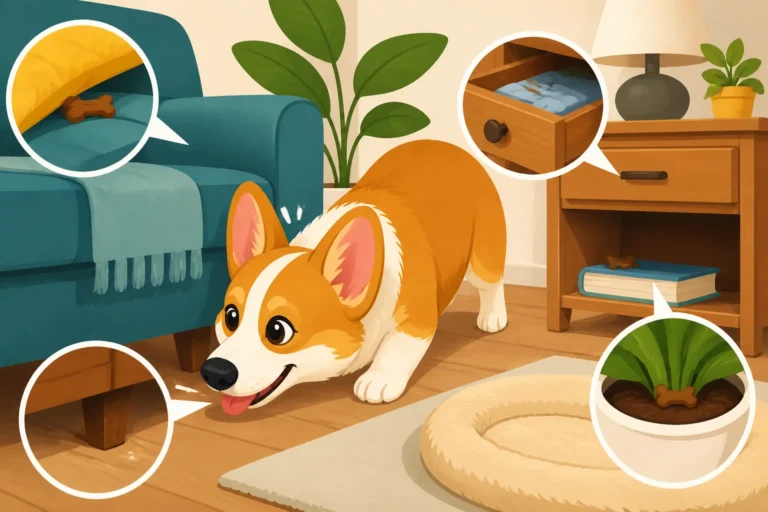
Beyond physical puzzle toys, engage their brains with interactive games. "Find it" games, where you hide treats around the house for them to sniff out, tap into their natural scenting abilities. Teaching them the names of their toys and asking them to retrieve specific ones also provides mental stimulation. These activities don't just burn mental energy; they also strengthen your bond, as you become their partner in these fun challenges.
Think about rotating their toys to keep things fresh. A toy that's been put away for a few weeks often feels brand new when it reappears. A mentally stimulated Corgi is less likely to invent their own "jobs" like barking at shadows, redecorating your flowerbeds, or herding your children into a corner.
Exploring Dog Sports That Suit Their Structure and Smarts
Just because Corgis have short legs doesn't mean they can't be athletes! Many dog sports are perfectly suited to their intelligence and agility, and they provide an amazing outlet for their energy and drive. Agility With a Corgi's Back in Mind is a great example – while full-height jumps might be out, lower-impact agility, tunnels, and weave poles can be incredibly fun and stimulating.
Consider dog sports like:
- Scent Work/Nose Work: This is fantastic for Corgis as it uses their incredible sense of smell and taps into their innate desire to track. Scentwork as a Sport That Spares a Corgi's Back is ideal as it's low-impact and highly mentally engaging.
- Rally Obedience: This involves navigating a course with various obedience exercises. It's less rigid than traditional obedience and focuses on teamwork and communication.
- Barn Hunt: If available, this sport allows Corgis to use their natural hunting instincts to find rats (safely enclosed) in a maze of straw bales.
These activities provide structured ways for your Corgi to use their intelligence and make "good" decisions within a controlled environment, rather than improvising on their own terms. It fulfills their working dog drive and strengthens your partnership.
Trick Training and Advanced Obedience: Beyond the Basics
Once your Corgi has mastered basic obedience, don't stop there! Continue to challenge them with trick training and more advanced obedience. Teaching tricks like "shake a paw," "roll over," or "play dead" is not only entertaining but also great for mental exercise and strengthening your communication. They thrive on learning new things, and the praise and treats they get are highly motivating.
Advanced obedience classes can push their skills further, refining their "stay" duration, distance recalls, and off-leash heeling in controlled environments. This level of training takes their decision-making from "what I want to do" to "what we can do together." It builds confidence in your Corgi and reinforces your role as their trusted leader.
Even if you never plan to compete, the journey of advanced training is incredibly beneficial for a Corgi. It keeps their minds sharp, reinforces good habits, and offers a continuous outlet for their energy and intelligence, making them more enjoyable companions and less likely to invent their own activities.
Managing the Environment: Setting Your Corgi Up for Success
Training an independent Corgi isn't just about commands; it's also about proactively managing their environment to prevent problems and encourage good behavior. This is particularly important for their physical well-being.
Corgi-Proofing Your Home: Ramps, Gates, and Safe Zones
Given their long backs and short legs, Corgis are prone to spinal issues like Intervertebral Disc Disease (IVDD). Therefore, managing their environment to minimize jumping and high-impact activities is crucial. This is where Ramps and Steps That Save a Corgi's Back become essential. Install ramps or sturdy steps for them to access sofas, beds, and even cars, rather than letting them jump up and down.
Baby gates are your best friend. Use them to block off stairs, prevent access to rooms where they might get into trouble, or create a safe, supervised space when you can't give them your full attention. Confining a Corgi, especially if they are on strict rest after a back injury, is critical, and gates are indispensable for this. Confining a Corgi After a Disc Injury is a reality many owners face, and a well-prepared home environment makes this challenging period much easier.
Create a designated "safe zone" for your Corgi – a comfy bed in a quiet corner or a crate that's their personal den. This gives them a place to retreat when overstimulated and helps them understand boundaries. A proactive approach to environmental management significantly reduces opportunities for them to make independent decisions that could lead to injury or unwanted behavior.
Structured Routine and Predictability
Corgis, despite their independent nature, thrive on routine. A predictable schedule for feeding, potty breaks, walks, and training sessions provides structure and reduces anxiety. When a dog knows what to expect, they are less likely to feel the need to improvise or act out. This is especially true for potty training; consistent outings prevent accidents and reinforce good habits.
Knowing when to expect walks or playtime helps manage their energy levels. If they know a stimulating activity is coming, they might be more patient during downtime. A consistent bedtime and wake-up routine also contributes to overall calm. While Corgis are smart enough to adapt to changes, a consistent routine helps them feel secure and gives them fewer reasons to feel bored or agitated, leading to fewer independent "problem-solving" behaviors.
Moreover, a consistent routine makes it easier for you, the owner, to be consistent in your expectations and training. When you're not constantly reacting to unexpected behaviors, you can proactively reinforce good ones. This predictability builds confidence in your Corgi and strengthens the bond of trust between you.
The Right Equipment for a Happy, Healthy Corgi
The gear you use with your Corgi can make a big difference in both their safety and your training success. For walks, a well-fitting harness is almost always preferable to a collar, especially for a breed prone to back issues. A harness distributes pressure across their chest and shoulders, rather than their neck or spine, which is crucial for their long-backed build. A front-clip harness can also provide better control if your Corgi is a strong puller.
When choosing beds, opt for orthopedic dog beds that provide firm, even support for their spine. A Corgi's low profile means they spend a lot of time lying down, and proper spinal alignment is key to preventing discomfort and potential issues. You can find a wide range of suitable beds on Amazon. For travel, a well-ventilated crate or a car seat restraint is essential for their safety and to prevent them from becoming a distraction while you're driving.
Appropriate chew toys are also vital. They need durable toys that can stand up to a Corgi's strong jaws, but that aren't so hard they risk damaging their teeth. Providing good chew options can redirect inappropriate chewing behavior (like gnawing on furniture) and satisfy their natural urge to chew, keeping their independent minds occupied.
Seeking Professional Guidance: When to Call for Backup
Sometimes, despite your best efforts, a Corgi's independent streak can feel overwhelming. It's not a failure to seek professional help; it's a responsible step toward a better life for both you and your dog.
Recognizing When You Need an Expert Eye
It’s easy to feel embarrassed or think you should just "figure it out" with your Corgi. But if you’re consistently frustrated, if your Corgi’s independent decisions are leading to unsafe behaviors (like darting into the street), or if their behaviors are impacting your quality of life (e.g., incessant barking, aggression), it's definitely time to get an expert involved. Sometimes, a fresh pair of eyes from a qualified professional can spot subtle cues or offer new strategies you hadn't considered.
You might also consider professional help if your Corgi is exhibiting behaviors that seem beyond typical "stubbornness," such as resource guarding, severe separation anxiety, or reactivity towards other dogs or people. While Corgis are opinionated, these behaviors often stem from underlying anxiety or fear and require a nuanced approach that a certified professional dog trainer or veterinary behaviorist is best equipped to provide. Don't wait until the situation becomes unbearable; early intervention is always more effective.
The cost of a trainer might seem high upfront, but it's an investment in your dog's future and your peace of mind. Consider What a Corgi Puppy Course Costs or the rates for one-on-one training – these fees are usually well worth it for the long-term benefits.
Finding the Right Trainer for a Corgi's Personality
Choosing a dog trainer is a bit like choosing a doctor; you want someone qualified, experienced, and who aligns with your philosophy. For an independent, intelligent breed like a Corgi, it's crucial to find a trainer who uses positive reinforcement, force-free methods, and understands breed-specific traits. Avoid anyone who suggests harsh corrections, punitive tools (like shock collars), or outdated dominance theory. These methods can shut down a Corgi and make them fearful, further exacerbating their independent decision-making into defiance.
Look for trainers who are certified by reputable organizations (e.g., CCPDT, KPA-CTP, IAABC). Ask about their experience with Corgis or other intelligent, strong-willed breeds. A good trainer will be happy to answer your questions, provide references, and offer a consultation to assess your Corgi and discuss their approach. They should focus on teaching you how to communicate effectively with your dog, empowering you to continue the training process.
Remember, a trainer's role is not to "fix" your dog, but to teach you the skills to understand and guide your Corgi. They are your coaches, helping you navigate the unique challenges that come with training a clever, independent spirit.
Online Training Programs as a Valuable Resource
For many Corgi owners, especially those with busy schedules or limited access to in-person trainers, online training programs can be an incredibly valuable resource. Platforms like BAXTER & Bella offer structured, self-paced courses that cover everything from puppy basics to advanced obedience, all through a positive reinforcement lens. The beauty of these programs is their flexibility – you can work through modules at your own pace, re-watch lessons, and practice whenever it suits you and your Corgi.
Many online programs also offer access to virtual coaches, webinars, and community forums. This means you're not going it alone; you have a network of support and expert advice at your fingertips. For a Corgi owner trying to understand their dog's independent streak, this continuous support can be a game-changer, allowing you to troubleshoot specific challenges as they arise without having to wait for the next in-person appointment.
Online resources can also be a great supplement to in-person training, providing extra practice ideas and reinforcing concepts learned in classes. Whether you're starting from scratch or looking for ways to refresh your Corgi's manners, a well-regarded online program can empower you with the knowledge and techniques needed to build a strong, communicative relationship with your independent Corgi.
Living with a Decisive Corgi: Acceptance and Lifelong Learning
Ultimately, successfully living with a Corgi who makes its own decisions isn't just about training; it's about building a partnership based on mutual understanding, respect, and a good dose of humor.
Embracing Their Personality (While Still Setting Boundaries)
You chose a Corgi for a reason, and part of that reason is often their vibrant, intelligent, and yes, sometimes sassy personality. While training is essential for safety and good manners, it's also important to embrace the unique characteristics that make your Corgi so special. Their independence isn't something to be "broken"; it's something to be understood and channeled.
Accept that your Corgi will always have their own opinions. Your goal isn't to create a robot, but a well-mannered companion who chooses to listen to you because you've built a strong, trusting relationship. This means knowing when to be firm with boundaries and when to let their unique quirks shine through. For example, Why a Corgi Talks Back isn't defiance, it's often their way of communicating, and sometimes a polite "conversation" (where you listen and then gently redirect) is perfectly fine.
Setting clear, consistent boundaries is crucial. This helps them understand the rules of your household and reduces the need for them to make their own, potentially inappropriate, decisions. It’s about creating a framework where their independence can flourish safely and respectfully within your shared life.
The Long Game: Consistency and Patience Over Years
Training a Corgi is not a sprint; it's a marathon. Their intelligence means they learn quickly, but their independent streak means you'll need to reinforce those lessons consistently throughout their lives. Don't expect a perfectly obedient dog after a few weeks of training. Like humans, dogs need refreshers and reminders, especially when distractions are high or new situations arise.
Patience is perhaps the most important virtue when owning a Corgi. There will be days when you feel like you've made no progress, days when they seem to have forgotten every command they ever learned. On those days, take a deep breath, go back to basics, and remember why you love your Corgi. Avoid frustration, as this will only sour the training experience for both of you. Celebrate the small victories, because every time your Corgi chooses to listen to you, it's a testament to the bond you've built.
Consistency is the bedrock of all successful training. Every interaction is a training opportunity. If you're consistent in your expectations, rewards, and reactions, your Corgi will eventually learn that listening to you is the most rewarding path. It's a lifelong commitment to partnership.
Celebrating Small Victories and Building a Strong Bond
Living with an independent Corgi is a journey, not a destination. Take joy in the moments when they do choose to listen, when they offer a spontaneous "sit" for attention, or when they proudly show off a new trick. These are the moments that strengthen your bond and affirm your efforts.
Focus on building a relationship based on trust, positive experiences, and clear communication. Engage in activities they love, spend quality time together, and always be their advocate. Your Corgi's independent spirit is part of what makes them such fascinating, entertaining, and loyal companions. By understanding their history, respecting their intelligence, and approaching training with patience and consistency, you can harness that decision-making prowess and transform it into a wonderful, collaborative partnership. You'll not only have a well-trained dog but a truly unique and cherished family member.
Here's a quick comparison of common challenges and effective Corgi training strategies:
| Challenge | Corgi Trait Behind It | Ineffective Approach | Effective Strategy (Positive Reinforcement) | Relevant Internal Link |
|---|---|---|---|---|
| Nipping at heels/ankles | Herding instinct, natural drive | Scolding, hitting, yelling | Redirect to appropriate chew toy, use "reverse time-out" (you leave) | The Cattle-Driving Nip a Corgi Still Has |
| Excessive Barking | Alert nature, communication | Yelling "quiet," punishment | Teach "quiet" cue with treats, ignore demand barking (reward silence) | Corgi Barking and How Much Is Normal |
| "Selective Hearing" (ignoring commands) | Intelligence, "what's in it for me?" attitude | Repeating commands, getting angry | Increase reward value, proof commands in varied settings, make listening fun | Why an Independent Corgi Ignores You |
| Jumping on/off furniture | Access to higher vantage points, comfort | Letting it slide sometimes, then scolding | Consistent "off" command, use ramps/steps, block access with gates | Whether a Corgi Should Ever Jump Off a Sofa |
| Pulling on leash | Desire to explore, working drive | Jerking leash, harsh corrections | Use front-clip harness, reward loose leash walking, consistent practice | Whether a Corgi Pulls on the Leash |
| Boredom/Destructive behavior | High intelligence, need for a "job" | Leaving them alone with no stimulation | Provide puzzle toys, scent work, trick training, regular mental exercise | The Job a Corgi Needs Instead of Herding You |
| Fear of new things | Lack of early socialization | Forcing interaction, overwhelm | Gradual, positive exposure (puppy classes), high-value rewards | The Crucial Puppy Period: Exposure and Positive Experiences |
Disclaimer
This article is for general informational purposes only and does not constitute professional advice. Laws, prices and regulations vary by location and change over time. Consult a qualified professional for guidance on your specific situation.