Corgi Sass and What to Do About It
Anyone who's ever shared their home with a Corgi knows that behind those adorable stubby legs and fluffy butts lies a personality larger than life, often expressed as a delightful, yet sometimes exasperating, "sass." This isn't just typical dog behavior; it's a unique Corgi blend of stubbornness, intelligence, and a deeply ingrained independent streak that can leave even seasoned dog owners scratching their heads. This comprehensive guide is here to help you not just understand your Corgi's sassy nature, but to navigate it with confidence, transforming potential frustrations into a harmonious and joyful partnership.
Understanding the Corgi "Sass" Phenomenon
Let's be honest: Corgi sass is a real thing. It's that look they give you when you ask them to do something they've clearly decided isn't in their immediate interest. It's the subtle, or not-so-subtle, disregard for a command they know perfectly well. It's the insistent bark when they want attention or the theatrical flop onto the floor when you're trying to move them. It's not malicious, but it certainly keeps you on your toes.
What Exactly is "Sass" in a Corgi?
At its heart, Corgi sass is a manifestation of their strong will and sharp intellect. These aren't dogs bred to blindly obey; they were bred to make independent decisions while herding cattle, ducking and weaving around hooves. That brainpower, combined with their natural confidence and sometimes cheeky demeanor, translates into what we lovingly call "sass" in a home environment. It means they're always thinking, always observing, and often, always trying to figure out how their agenda can become your agenda. They aren't trying to be difficult, per se, but they are absolutely trying to be effective in getting what they want or avoiding what they don't.
This isn't to say every Corgi is a diva, but the breed generally has a reputation for being opinionated. Think of it less as defiance and more as a strong sense of self and a surprising capacity for negotiation. They're not just pets; they're partners who believe they have an equal say in household matters, and they'll communicate that belief quite clearly. It's part of why we love them, but it's also why consistent and clever training is so crucial.
Distinguishing Sass from True Behavioral Issues
It's important to draw a line between charming sass and genuine behavioral problems. Sass is usually a playful, non-aggressive pushback – a Corgi trying to get its way through charm, stubbornness, or vocalization. For instance, refusing to move from a comfy spot on the rug when called, or giving a series of demanding barks for a treat. This is often an expression of their personality and a test of boundaries.
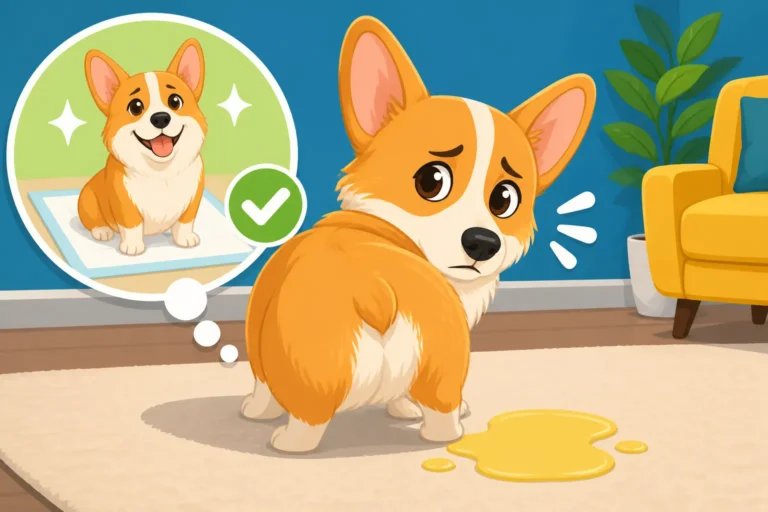
True behavioral issues, however, involve aggression (growling, snapping, biting), severe anxiety (destructive chewing, incessant barking when alone, house soiling), or fear-based reactions. If your Corgi's "sass" escalates to these behaviors, especially if it's accompanied by fear or a sudden change in temperament, it’s a sign that something deeper is at play. A Corgi that growls when you try to move it from the sofa might not just be sassy; it might be resource guarding or feeling insecure. Always consult with a vet or a certified professional dog trainer if you suspect these more serious issues. The goal is to nurture their spirited nature without letting it develop into unmanageable habits.
The Roots of Corgi Independence: Breed History and Instinct
To truly understand Corgi sass, we have to look back at their origins. These aren't lap dogs; they are working dogs, bred for a specific, demanding job that required intelligence, bravery, and a hefty dose of self-reliance. Their history as cattle-herding dogs has profoundly shaped their temperament, making them the opinionated and intelligent companions we know today.
A History of Herding: Independent Decision-Makers
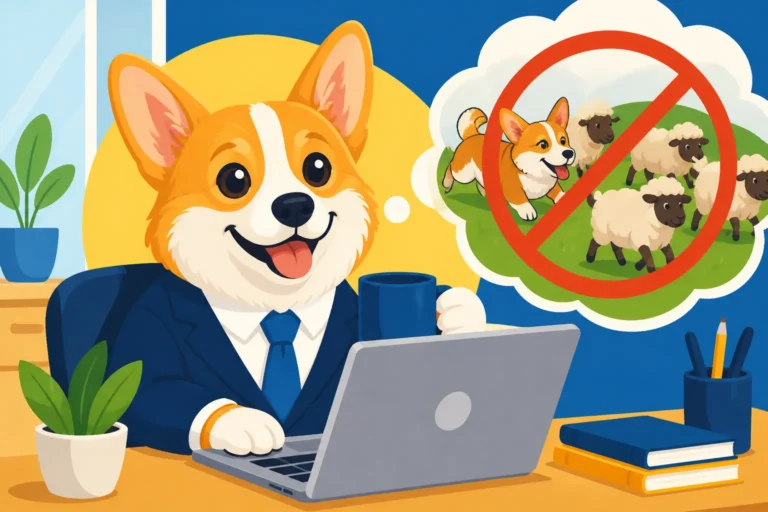
Corgis, both Pembrokes and Cardigans, were developed in Wales to herd cattle. What's fascinating about their herding style is that they weren't typical "gatherers" like Border Collies, who work closely with a handler from a distance. Instead, Corgis were "heelers," meaning they would nip at the heels of stubborn cattle to move them along, then quickly duck out of the way to avoid a retaliatory kick. This job required them to think on their feet, make quick decisions, and act independently of their human handler, often with minimal direct instruction. They had to assess situations, read the cattle, and execute their strategy effectively and safely.
This deep-seated need for independent thought and action is hardwired into their DNA. It means that when you ask your Corgi to do something, their first instinct isn't always blind compliance; it's often to evaluate the request, weigh it against their own perceived best interest, and decide if it's a worthwhile endeavor. This is where the "stubborn" label often comes from – they're not necessarily disobedient, but rather exercising their innate problem-solving skills, sometimes deciding that their solution is better than yours. The Cattle-Driving Nip a Corgi Still Has is a great article to dive deeper into their herding instincts.
The Strong Will and High Intelligence Connection
Corgis are incredibly smart dogs, and their intelligence often fuels their strong will. They learn quickly, sometimes too quickly, figuring out patterns and routines, and then using that knowledge to their advantage. If they learn that a certain bark gets them attention, or a particular sigh leads to a treat, they will absolutely employ that strategy. They are masters of cause and effect, and they remember what works.
This combination of intelligence and a strong will means they thrive on mental stimulation. A bored Corgi is a sassy Corgi, and often a destructive Corgi. If they don't have appropriate outlets for their busy minds, they will invent their own entertainment, which usually involves things you'd rather they didn't do. Providing them with puzzle toys, interactive games, and consistent training sessions that engage their intellect is vital. Simply expecting them to sit quietly all day won't cut it. They need a "job," even if that job is just finding treats hidden around the house or learning new tricks.
Common Corgi Sass Scenarios You'll Encounter
Corgi sass manifests in a variety of behaviors that, while sometimes endearing, can become challenging if not addressed with patience and consistency. Recognizing these common scenarios is the first step to developing effective strategies.
Selective Hearing and the Art of "Ignoring"
Ah, selective hearing – the classic Corgi move. You call their name, they glance at you, and then deliberately turn their head or continue sniffing that interesting patch of grass as if they never heard a thing. Or you ask them to "come," and they take a few slow, deliberate steps in the opposite direction, testing the waters, seeing how serious you are. This isn't usually because they don't understand the command; it's often a calculated choice.
They've learned that sometimes, if they ignore you long enough, you might give up, or perhaps offer a better incentive. It’s their way of asserting a bit of control over the situation. This can be incredibly frustrating, especially in situations where a quick recall is critical for their safety. The key here is to make "coming" or "listening" always more rewarding than ignoring you. Don't repeat commands endlessly; make the first request count and follow through with a clear consequence or a high-value reward. Check out Why an Independent Corgi Ignores You for more insights on this behavior.
Barking, Talking Back, and Vocal Demands
Corgis are known for being vocal, and their range of sounds is impressive. They don't just bark; they "woo-woo," grumble, whine, sigh, and often engage in what feels like a full-on conversation, or a passionate argument. This vocal talent is a primary tool in their sassy arsenal. They bark at the mailman, the squirrel, the leaf that blew past the window, and sometimes, it seems, just to hear themselves. But they also use their voice to demand things: food, attention, playtime, or to simply express their displeasure.
A Corgi demanding attention with a series of barks isn't just being cute; it's learning that its vocalizations are effective at manipulating you. While it's important not to stifle their natural expressions completely, managing excessive or demanding barking is crucial for your sanity and your neighbors'. Teach them an "enough" or "quiet" command, and reward calm behavior rather than giving in to noisy demands. Corgi Barking and How Much Is Normal offers a deeper dive into their vocal habits.
Nipping, Herding, and "Bossy" Behaviors
Those tiny nips at your heels or ankles, particularly when you're moving quickly around the house, are a direct link to their herding ancestry. They're trying to "gather" you, move you where they think you should be, or simply get your attention. This can extend to nipping at children's clothes or playfully bumping other pets. While often not aggressive, it can be startling and, if not managed, can become an unwanted habit.
Beyond nipping, Corgis can display what we perceive as "bossy" behavior. This might look like cutting off other dogs in play, trying to direct where people sit, or guarding specific resources like toys or even prime napping spots. This stems from their confidence and desire to be in charge of their "flock" – which now includes you and your family. Redirecting these behaviors with appropriate outlets, such as structured play or mental games, and ensuring they understand their place in the family hierarchy (without resorting to harsh dominance methods) is key.
Effective Communication: Speaking Your Corgi's Language
Dealing with a sassy Corgi isn't about breaking their spirit; it's about channeling their intelligence and drive into constructive behaviors. This requires a nuanced approach to communication, understanding that consistency and positive reinforcement are far more effective than trying to overpower their strong will.
The Power of Positive Reinforcement
Positive reinforcement is, hands down, the most effective way to train a Corgi, especially a sassy one. Instead of punishing unwanted behavior, which can make a Corgi dig in its heels or become fearful, you reward the behaviors you do want. This means when your Corgi finally sits on command, even after a moment of hesitation, you immediately offer a high-value treat, enthusiastic praise, or a favorite toy. They quickly learn that good things happen when they cooperate.
Consistency is absolutely critical with positive reinforcement. Every family member needs to use the same commands, the same rewards, and react to behavior in the same way. If one person gives in to barking while another ignores it, your Corgi will become confused and will likely escalate its sassy attempts. You're teaching them a language, and everyone needs to speak it fluently. Training sessions should be short and fun – Corgis tend to switch off after about ten minutes, so keep it engaging. Short Bursts of Training a Corgi Will Take outlines why this approach is so successful.
Establishing Clear Boundaries and Expectations
Corgis, like all dogs, thrive on routine and clear expectations. They need to understand what the rules are and that those rules apply consistently. This means if jumping on the sofa is off-limits, it's always off-limits, not just when company is over. If they're not allowed to beg at the table, then no one, ever, gives them table scraps. Establishing these boundaries requires patience and unwavering commitment from everyone in the household.
Use clear, concise commands and follow through every single time. If you tell your Corgi to "stay," and it breaks the stay, gently guide it back to its original spot and repeat the command until it understands. Don't get angry; simply be consistent and firm. This isn't about being harsh; it's about being predictable and reliable. Your Corgi needs to learn that you mean what you say, and that following your lead is always beneficial for them. Consider investing in an online puppy training program, such as those offered by BAXTER & Bella, which often emphasize positive, consistent boundary setting for young dogs.
Strategies for Taming the Sassy Streak
Once you understand the 'why' behind the sass, you can implement practical strategies to manage and redirect these behaviors. It's about proactive management and clever training, rather than reactive punishment.
Redirection and Mental Stimulation
One of the most powerful tools against sass is redirection. When your Corgi starts nipping at your heels, instead of just saying "no," immediately offer them a toy to chase or a puzzle feeder to solve. If they're barking at the window, call them away, ask for a "sit," and then reward them for focusing on you. This teaches them an alternative, acceptable behavior for their impulses.
Mental stimulation is vital for these intelligent dogs. A physically tired Corgi is good, but a mentally tired Corgi is often a well-behaved Corgi. Engage their brains with:
- Puzzle toys: Fill them with a portion of their kibble or healthy treats.
- Scent work: Hide treats around the house and encourage them to sniff them out. This engages their natural hunting instincts.
- New tricks: Corgis love to learn! Teaching them complex tricks like "roll over" or "weave" burns mental energy.
- Interactive feeders: Products available on Amazon can slow down eating and provide a mental challenge.
These activities provide an outlet for their intelligence and focus, reducing the likelihood of boredom-induced sass.
Harnessing Their Herding Instincts Constructively
Since their sass often stems from their herding instincts, finding appropriate outlets for these drives can be incredibly beneficial. While not every Corgi owner will have access to sheep, you can simulate herding behaviors in other ways:
- Flirt poles: A great way to satisfy their chase drive in a controlled manner, having them "herd" a lure.
- Large herding balls: These durable balls can be pushed and chased around a yard, providing a physical and mental workout.
- Structured play with boundaries: Teach them to "herd" specific toys into a basket, or to guide you around obstacles during playtime.
This isn't about encouraging the heel-nipping, but giving them a sanctioned way to express that deep-seated desire to control movement. When they have a positive channel for their instincts, they're less likely to use less desirable methods on you or your family.
Teaching Ramps and Avoiding Spinal Strain
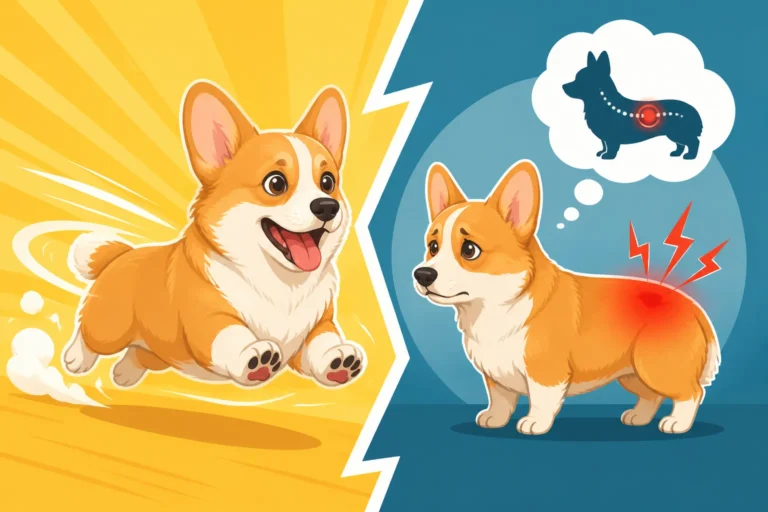
A common manifestation of Corgi independence is their insistence on jumping on and off furniture, despite the known risks to their long backs. This isn't just sass; it's a serious health concern. Therefore, teaching them to use ramps and steps is not just a training exercise, it's a crucial part of preventative care. Teaching a Corgi Not to Jump Off Furniture is a must-read for all Corgi owners.
Start ramp training early and make it fun. Use high-value treats to lure them up and down. Place the ramp in areas they frequent, like next to the sofa or bed. If your Corgi refuses, it's a battle of wills you need to win for their health. Block access to furniture if necessary, or physically lift them (properly supporting their back) until they willingly use the ramp. Many pet ramps available on Amazon are designed specifically for small, long-backed breeds. This particular type of "sass" must be addressed with unwavering dedication because the consequences of a slipped disc are severe and expensive. The Corgi Bills That Come With a Long Back can give you an idea of the financial implications.
Building a Strong, Respectful Bond
Ultimately, managing Corgi sass isn't just about controlling behavior; it's about building a strong, trusting, and respectful relationship where your Corgi chooses to listen to you, not out of fear, but out of a desire to cooperate and please.
Leadership That Inspires, Not Dominates
Corgis respect fair and consistent leadership. This doesn't mean being a "pack leader" in the old-fashioned, dominance-theory sense, which has been largely discredited. Instead, it means being a reliable, calm, and confident guide. Your Corgi should see you as the benevolent provider of all good things – food, walks, playtime, and safety. When you are the source of positive experiences and predictable structure, they are more likely to willingly follow your lead.
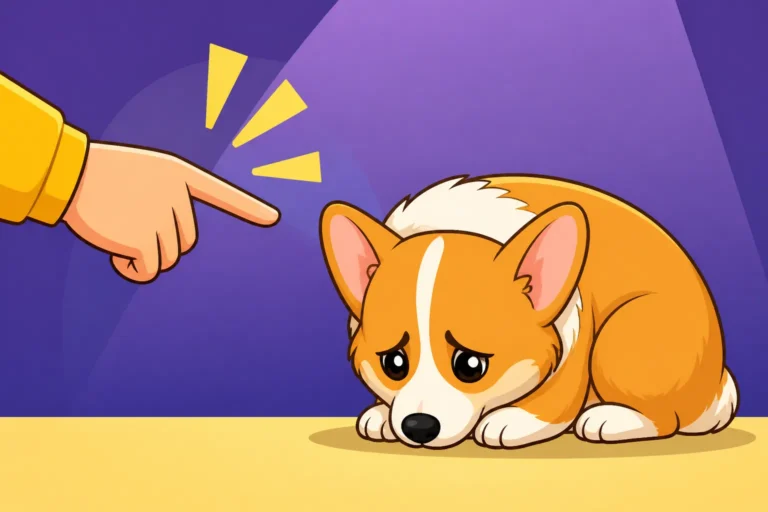
Avoid harsh corrections, yelling, or physical punishment. These methods often backfire with Corgis, leading to increased stubbornness, fear, or even aggression. Instead, focus on clear communication, rewarding good choices, and gently correcting undesired ones. If your Corgi is being sassy, calmly redirect them. If they ignore a command, gently lead them through it. This builds a foundation of trust and respect, where they understand their place in the family without feeling threatened or confused.
Quality Time and Engagement
Corgis thrive on interaction. They want to be part of the family, involved in activities, and given attention. A Corgi that feels ignored or under-stimulated is far more likely to resort to sassy behaviors to get your attention. Dedicate time each day to engaging with your Corgi, beyond just walks. This could be:
- Training sessions: Even five to ten minutes of fun training can make a huge difference.
- Playtime: Tug-of-war, fetch (with low jumps to protect their back), or just a good romp in the yard.
- Cuddle sessions: Many Corgis love to snuggle, and this physical connection reinforces your bond.
- Interactive games: "Find it" games with treats, or hide-and-seek.
The more quality time you invest, the stronger your bond will become, and the more willing your Corgi will be to listen to your cues. It’s about being present and making them feel valued as a member of your family.
Socialization and Exposure
A well-socialized Corgi is generally a less anxious and less reactive Corgi, which can significantly reduce sassy outbursts. Early and ongoing positive exposure to a variety of people, other dogs, and environments is crucial. This teaches them to navigate the world confidently and appropriately.
Enroll your Corgi in puppy classes or adult obedience classes. Not only does this provide structured training, but it's an excellent opportunity for controlled socialization. Ensure their interactions with other dogs are positive and supervised. Introduce them to different sounds, sights, and textures. A Corgi that is comfortable in various situations is less likely to resort to sassy displays out of fear or over-excitement. Continued socialization throughout their lives helps maintain their polite manners and confident demeanor.
Here's a quick reference for common sassy behaviors and how to pivot:
| Sassy Behavior | Underlying Motivation | Effective Redirect/Response | What to Avoid |
|---|---|---|---|
| Selective Hearing | Testing boundaries, perceived lack of reward | Higher value reward, engaging tone, follow-through | Repeating command, getting angry, chasing |
| Demanding Barking | Seeking attention, getting their way | Ignore until quiet, then reward. Redirection. | Giving in to the bark, yelling at them, punishment |
| Heel Nipping/Herding People | Herding instinct, wanting to control movement | Redirect to a toy, flirt pole, structured play | Letting it continue, physical corrections |
| Refusing to move | Stubbornness, comfort, "better" idea | Lure with treat, gentle leash pressure, make it fun | Forcing, scolding, giving up |
| Jumping on/off furniture | Convenience, playfulness, excitement | Lure to ramp/steps, block access, consistent lifting | Allowing it "just this once," physical scolding |
When Sass Turns Into a Bigger Issue: Recognizing Problematic Behavior
While a certain amount of Corgi sass is part of their charm, there are times when it can escalate into something more serious. Knowing when to seek professional help is crucial for both your peace of mind and your Corgi's well-being.
Recognizing Signs of Aggression or Anxiety
It's vital to differentiate between playful sass and actual aggression or fear. Sass is generally a confident, albeit cheeky, pushback. Aggression, however, involves behaviors like growling, snarling, snapping, biting, or prolonged, intense staring, often accompanied by stiff body language, raised hackles, or a tucked tail (if they have one). Fear-based aggression or anxiety might manifest as destructive chewing, excessive panting, drooling, pacing, house soiling, or trying to hide when left alone.
If your Corgi's behavior involves true aggression towards people or other animals, or if they show signs of severe anxiety, such as panic attacks when left alone, it's no longer just "sass." These are serious behavioral issues that require professional intervention. A vet visit should be your first step to rule out any underlying medical causes for the change in behavior. Then, a certified professional dog trainer or a veterinary behaviorist can help diagnose and address the root cause.
The Role of Professional Trainers and Behaviorists
Don't hesitate to call in the cavalry if you're feeling overwhelmed or if your Corgi's sassy behaviors are becoming unmanageable or dangerous. A qualified professional can offer an objective assessment and tailored guidance.
- Certified Professional Dog Trainers (CPDT-KA or KPA-CTP): These trainers specialize in positive reinforcement and can help you develop effective training plans for common behavioral challenges. They can teach you the tools and techniques to communicate more effectively with your Corgi. Online platforms like BAXTER & Bella often have certified trainers who can provide virtual support and structured programs, which can be a convenient option for busy owners.
- Veterinary Behaviorists (DACVB): For more severe issues like aggression, separation anxiety, or obsessive-compulsive behaviors, a veterinary behaviorist is a veterinarian with specialized training in animal behavior. They can combine behavioral modification plans with medical interventions if necessary.
Remember, seeking help isn't a sign of failure; it's a responsible choice that shows you're committed to your Corgi's happiness and your family's safety. Many Corgi owners find immense relief and success after working with a professional.
Long-Term Commitment to Training and Management
Living with a Corgi, especially a sassy one, is a marathon, not a sprint. Their independent nature and intelligence mean that training and management are ongoing processes throughout their lives. You can't just train them as puppies and expect them to be perfectly behaved adults forever. Just like people, dogs can fall back into old habits, and new challenges can arise as they age.
Stay consistent with your routines, continue with short training refreshers, and always be prepared to redirect unwanted behaviors. Continue to provide ample physical and mental stimulation. Even an older Corgi benefits from learning new tricks or engaging with puzzle toys. Screening an Older Corgi's Spine also mentions the importance of managing their environment and physical capabilities as they age, which ties into managing their behavior. A lifelong commitment to positive training and engagement will ensure your sassy Corgi remains a cherished, well-adjusted, and delightful member of your family for many years to come.
Disclaimer
This article is for general informational purposes only and does not constitute professional advice. Laws, prices and regulations vary by location and change over time. Consult a qualified professional for guidance on your specific situation.