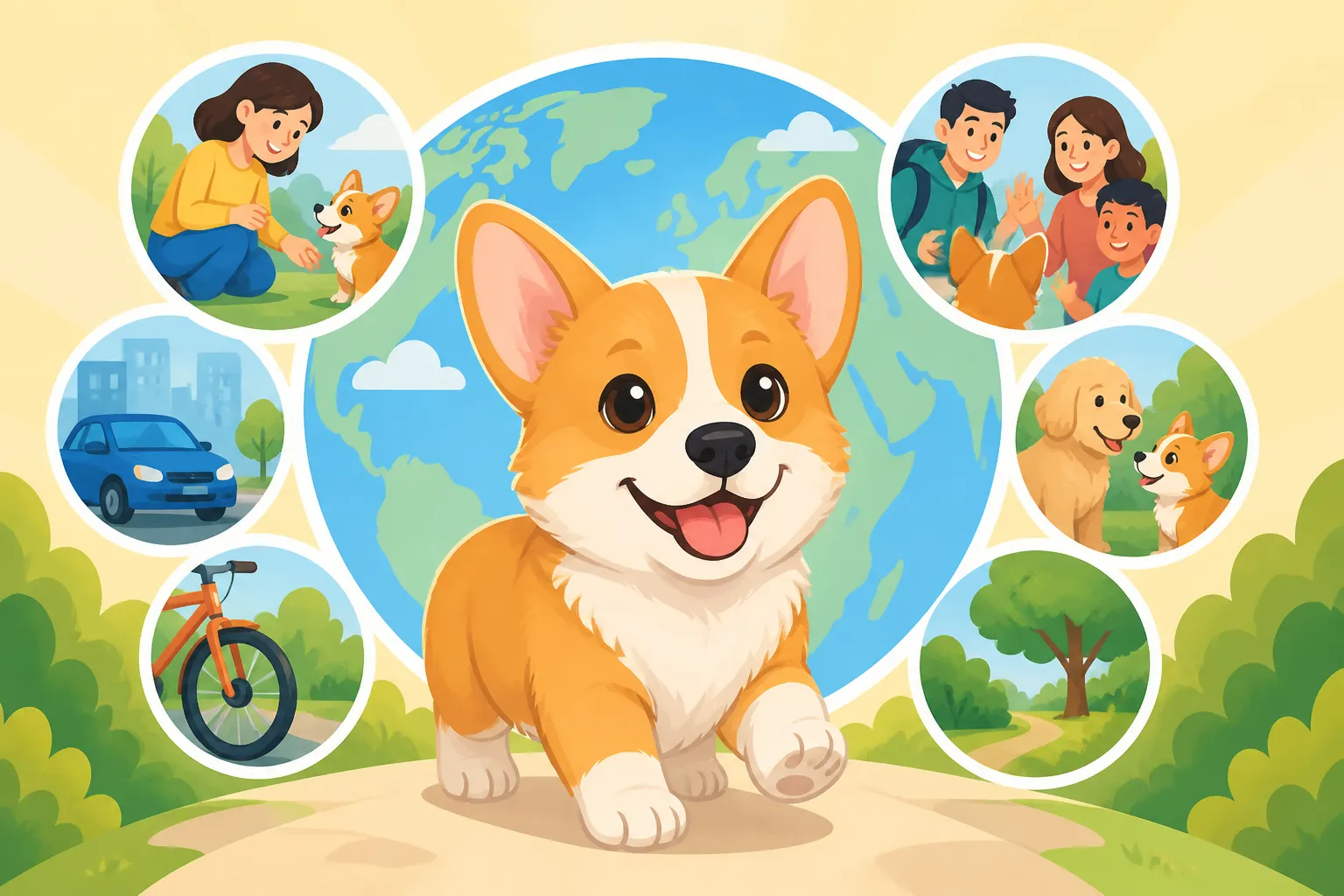
Getting a Corgi Puppy Used to the World
Bringing a new Corgi puppy home is an incredibly exciting time, but it also comes with a significant responsibility: helping your little floof navigate and understand the big, wide world. Without proper, thoughtful exposure during their formative weeks, Corgis, with their intelligent and sometimes opinionated nature, can easily become overwhelmed, fearful, or even reactive adults. This comprehensive guide is here to walk you through the essential steps and empathetic strategies to ensure your Corgi puppy grows into a confident, well-adjusted companion, ready to take on life's adventures with a wagging tail.
The Critical Window: Why Early Socialization Matters for Your Corgi Puppy
When you first bring your Corgi puppy home, it's not just about cuddles and playtime; it's about laying the foundation for their entire personality. Think of it as building the framework of a house – if the foundation isn't strong, the whole structure can wobble later on. This early period, often called the "socialization window," is absolutely vital for Corgis because their breed history has instilled in them a sharp mind and a tendency to be watchful. Without positive guidance, that watchfulness can easily tip into unwarranted suspicion or fear.
Understanding the Sensitive Period
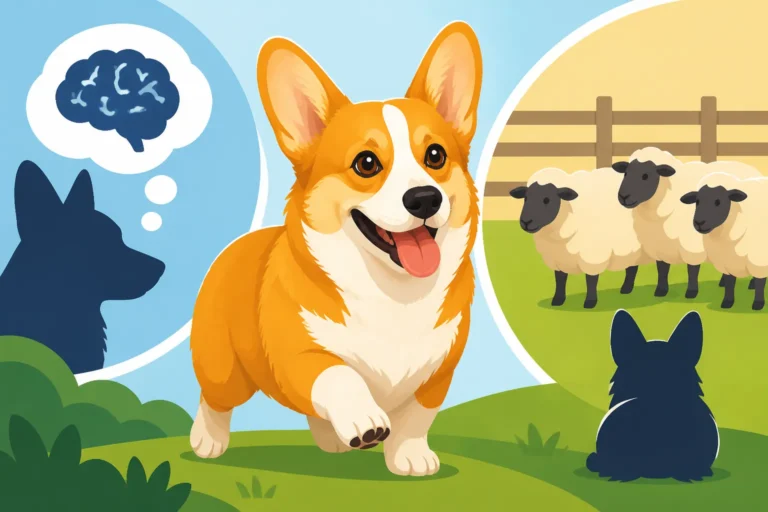
The "sensitive period" for puppy socialization typically runs from about three weeks to sixteen weeks of age. This isn't a hard and fast rule, but it's during this time that your Corgi puppy's brain is like a sponge, absorbing information and forming crucial associations about the world around them. Every experience, good or bad, is processed and categorized, shaping their understanding of what is safe, what is threatening, and how to react. For a Corgi, who historically needed to be smart and independent to herd cattle by nipping at their heels, this period is especially important for teaching them appropriate responses to novelty. They need to learn that new things aren't always a threat.
Imagine a Corgi puppy who spends this entire period confined to a quiet house, only ever seeing the same few family members. While seemingly safe, this can set them up for immense anxiety later. When they finally encounter a bustling park, a delivery person in a uniform, or the distinct whir of a vacuum cleaner, these experiences can be genuinely terrifying because their brain hasn't learned to categorize them as benign. The goal is to fill this sponge with a diverse array of positive experiences so they learn that the world is a generally safe and interesting place, full of things to explore rather than fear.
The Lifelong Impact of Early Experiences
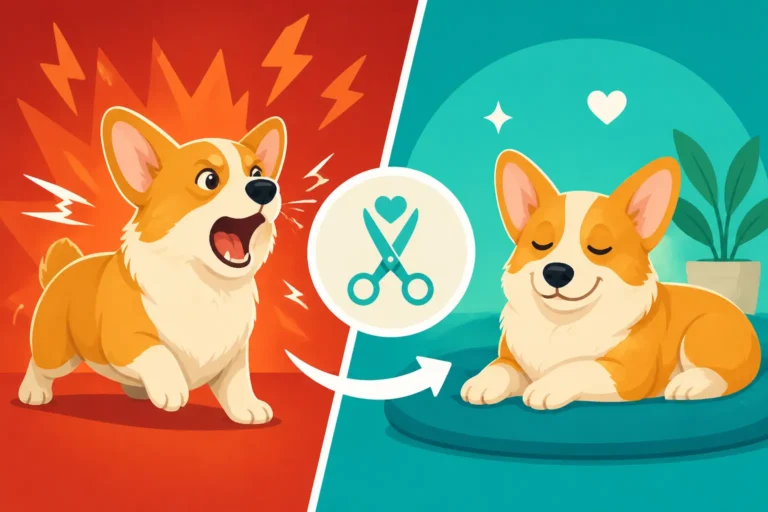
The experiences, or lack thereof, during this sensitive period don't just affect a puppy for a few months; they echo throughout their entire life. A Corgi that wasn't adequately socialized might grow up to be a dog that barks incessantly at strangers walking by the window, cowers from loud noises like thunderstorms, or snaps at other dogs out of fear rather than aggression. These behaviors aren't usually due to a "bad" dog, but often stem from deeply ingrained anxieties that began in puppyhood. It's heartbreaking to see a Corgi live a life constantly on edge, stressed by everyday occurrences.
On the flip side, a Corgi puppy that receives thoughtful, positive socialization is far more likely to become a confident, calm, and adaptable adult. They’ll be the kind of dog who can enjoy a stroll through a busy market, relax during a visit to the vet, and greet new people and animals with curiosity rather than fear. This doesn't mean they'll be utterly fearless—no dog is—but they'll have the emotional resilience and positive coping mechanisms to handle new situations gracefully. Preventing fear and reactivity now is significantly easier than trying to undo deep-seated anxieties later, which often requires extensive behavioral modification and can be a long, challenging road for both dog and owner. Think of it as equipping them with a robust emotional toolkit for life.
Beyond Just Meeting People: A Holistic Approach to Exposure
When people think of "socialization," they often picture their puppy meeting lots of other dogs and people. While that's certainly part of it, it's only one piece of a much larger, more intricate puzzle. True socialization for a Corgi puppy is about creating a rich tapestry of positive experiences across all their senses and with every aspect of the world they'll encounter. It's about teaching them that the entire environment, not just specific individuals, is generally safe and interesting.
Sounds, Sights, and Textures
Your Corgi puppy needs to experience a vast array of everyday sights, sounds, and textures in a positive way. This includes things we often take for granted. Think about the variety of sounds: the clatter of pots and pans, the hum of the washing machine, the roar of a passing garbage truck, the cheerful shouts of children playing, the ding of a bicycle bell, or even the crackle of autumn leaves underfoot. You can find sound desensitization CDs or apps (many available on Amazon) specifically designed for puppies to introduce these noises at a low volume, gradually increasing it as your puppy remains calm and happy, often paired with tasty treats.
Visually, expose your Corgi puppy to people wearing different types of clothing (hats, sunglasses, uniforms), people with diverse gaits, various objects like strollers, bicycles, wheelchairs, and even large, inanimate objects like statues or street art. Allow them to observe from a safe distance, rewarding calm curiosity. For textures, actively seek out opportunities for them to walk on grass, pavement, gravel, concrete, wooden floors, carpet, linoleum, and even metal grates. Many Corgis can be initially wary of slippery surfaces or strange textures, so making these experiences positive with treats and praise is key. Forcing them onto something scary can create a negative association that’s hard to break.
Safe Encounters with Other Dogs and Animals
While meeting people and experiencing environments is crucial, appropriate interactions with other animals are equally important. However, it’s vital to prioritize safe and positive interactions over simply many interactions. Puppy kindergarten classes are often an excellent first step. They provide a controlled environment where puppies can learn appropriate play behaviors with their peers under the watchful eye of a professional trainer. These classes also offer valuable exposure to various people and new sounds. Beyond puppy classes, arrange playdates with known, fully vaccinated, calm, and friendly adult dogs. These older dogs can teach your Corgi puppy good manners and social cues without being overly boisterous or intimidating.
Introducing your Corgi puppy to other household pets, such as cats, requires patience and careful supervision. Always ensure the resident pet has an escape route and that interactions are brief and positive. For specific guidance, you might find articles like Whether a Corgi Tolerates a Cat helpful. Avoid high-stress environments like dog parks until your Corgi puppy is older, fully vaccinated, and has developed good social skills. A single negative encounter with an aggressive or overly dominant dog can undo weeks of positive socialization and create lasting fear or reactivity towards other canines. The goal is for your Corgi to see other animals as potential friends or, at the very least, as non-threats, rather than something to be feared or chased.
The Role of the Breeder in Early Corgi Socialization
The journey of a well-adjusted Corgi puppy begins long before they ever step paw into your home. A responsible breeder understands the immense importance of early socialization and actively implements practices that set their puppies up for success. This initial exposure is the bedrock upon which you, as the new owner, will build. Choosing a breeder who prioritizes this can significantly ease your task and help ensure your puppy comes to you with a strong, positive foundation.
What to Look For in a Breeder's Practices
A truly reputable Corgi breeder doesn't just focus on health clearances and conformation; they also nurture the puppies' developing temperaments. When researching breeders, inquire about their socialization protocols. Look for breeders who raise their puppies in a home environment, not in isolated kennels or outdoor runs. This means the puppies are naturally exposed to common household sounds—the television, vacuum cleaner, doorbell, and general human chatter—from birth. This mundane background noise helps them habituate to the sounds of daily life, preventing them from becoming jumpy or fearful later on.
Furthermore, ask about how frequently the puppies are handled and by whom. Ideally, puppies should be handled multiple times a day by various people of different ages, genders, and appearances. This helps them learn that humans, in all their diversity, are generally kind and safe. Some breeders even introduce gentle car rides, crate exposure, and early potty training concepts, which are invaluable head-starts for new owners. A good breeder will also be transparent about health testing, including screenings for genetic conditions. For more on what to expect, consider reading Corgi Puppy Prices From a Tested Breeder and Whether a Corgi Puppy Should Be Screened for DM. They are investing in the health and temperament of their puppies, which is a hallmark of quality.
Continuing the Work When Your Puppy Comes Home
Even if your Corgi puppy comes from the most dedicated breeder, the work of socialization is far from over. In fact, it's just beginning! The transition to a new home is a significant event for a puppy, and the first few days should be focused on helping them settle in and feel secure in their new environment. Resist the urge to immediately overwhelm them with new experiences, even if they seem exciting. Allow them time to decompress, explore their new space, and bond with their human family. This early period of security forms a safe base from which they can then confidently explore the wider world.
Once your Corgi puppy is settled, usually after a few days to a week, it's time to build upon the breeder's foundation with consistent, gentle, and positive exposure. This means continuing to introduce new sights, sounds, and people in a controlled manner. Schedule their first vet visit promptly—it's not only crucial for their health but also an excellent early socialization opportunity to get them comfortable with car rides, new smells, and being handled by strangers. For more on preparing for these initial appointments, see The Vet Visits a Corgi Puppy Needs First. Remember, consistency is key; short, positive sessions several times a day are more effective than one long, overwhelming outing once a week.
Navigating New Environments and Public Spaces
Introducing your Corgi puppy to new environments and public spaces is a cornerstone of comprehensive socialization. However, it's crucial to approach this strategically, ensuring that these experiences are positive and not overwhelming. The goal is to build curiosity and confidence, not fear or anxiety. Pushing a puppy too far too fast can be detrimental, so observation and careful planning are your best allies.
Controlled Outings and Puppy-Friendly Places
Start with low-stress outings. For very young puppies who might not have completed their full vaccination series, carrying them in a comfortable sling or backpack (you can find many options on Amazon) is a fantastic way to expose them to the world safely. Take them to a quiet park and sit on a bench, allowing them to observe people, other dogs (from a distance), and the general hustle and bustle without direct interaction. Pet-friendly stores, especially those that are typically calmer like hardware stores during off-peak hours, can also be good spots. The different sights, sounds, and textures of the aisles (perhaps even a new flooring type) offer gentle stimulation.
The key is to keep these outings brief and positive. Watch your Corgi puppy's body language carefully. Are they relaxed? Curious? Or are they showing signs of stress like lip-licking, yawning, tail-tucking, or trying to hide? If they seem overwhelmed, it's time to end the session on a positive note, perhaps with a high-value treat, and try again later with less intensity. Short, successful trips are far more beneficial than long ones that end in fear or exhaustion. Remember that even a walk around your immediate neighborhood, exposing them to different houses, cars, and people, is a valuable step. Don't forget to implement safety measures at home like Ramps, Gates and Steps for a Corgi House as you prepare to expand their world, ensuring their comfort and physical well-being.
Handling Unexpected Encounters
Life is unpredictable, and despite your best efforts at controlled exposure, your Corgi puppy will inevitably encounter unexpected sights, sounds, or people. A sudden loud bang, a child running past quickly, or a person dressed in an unusual way can all be startling. Your reaction in these moments is paramount. The worst thing you can do is to panic or punish your puppy for showing fear. Instead, remain calm and reassuring. Your calm demeanor communicates to your puppy that there's nothing to truly worry about.
Carry high-value treats with you at all times. If a startling event occurs, immediately offer a treat to create a positive association. For example, if a loud truck goes by and your Corgi puppy flinches, immediately give them a piece of chicken. This helps them learn, "Loud noise equals yummy treat, not scary." If your puppy is visibly overwhelmed, gently guide them away from the stimulus. Do not force them to "face their fears." The goal is to build resilience, not trauma. Articles like A Corgi That Barks at Every Passing Dog or Teaching Children Not to Run From a Corgi offer insights into managing specific types of encounters that can often startle young Corgis. A well-fitting, comfortable harness (readily available on Amazon) and a treat pouch are invaluable tools for these impromptu training moments, allowing you to react quickly and positively.
Building Confidence Through Positive Reinforcement
The bedrock of successful Corgi puppy socialization and training is positive reinforcement. It’s not just about rewarding good behavior; it’s about creating an emotional environment where your puppy feels safe, understood, and motivated to engage with the world. For Corgis, with their intelligent and sometimes independent streak, positive reinforcement is particularly effective because it encourages them to want to participate, rather than simply comply out of fear or confusion.
Making Every New Experience a Good One
The mantra for socialization should always be: "Every new experience equals something good." This means actively pairing every new sight, sound, texture, person, or animal with a high-value reward for your Corgi puppy. Did they calmly observe a bicycle go by? Treat! Did they allow a friendly stranger to offer a gentle pet? Treat and praise! Did they walk on a new surface without hesitation? Treat! The goal is to build a positive emotional association with novelty, teaching their brain that new things predict good things, not scary things.
This strategy is especially crucial for Corgis, who can be prone to being wary or even bossy if not properly guided. Instead of just exposing them, you are actively shaping their emotional response to the world. Imagine your puppy seeing a person wearing a big hat, which might naturally make a Corgi pause. If you immediately offer a super yummy treat like a small piece of cheese while the person is in view, your puppy learns to associate big hats with deliciousness, not alarm. This proactive approach builds a deep-seated confidence that prepares them for anything life throws their way, fostering a resilient and joyful temperament.
Gentle Introductions and Avoiding Overwhelm
While exposure is important, the quality of that exposure far outweighs the quantity. One calm, positive interaction is infinitely better than ten rushed or scary ones. Always prioritize gentle introductions, allowing your Corgi puppy to approach new things or people on their own terms. Never force an interaction. If your puppy is hesitant, give them space, allow them to observe from a distance, and reward any signs of calm curiosity. Their comfort and consent are paramount.
Learn to read your Corgi puppy's body language. Signs of overwhelm or stress might include lip-licking, yawning, head turning away, a tucked tail, refusal of treats, or trying to hide. If you see these signs, it's a clear signal to create distance, reduce the intensity of the stimulus, and make the situation easier for them. The goal is to always keep them just below their "threshold" of fear or overstimulation. For instance, when meeting new people, ask them to crouch down, offer a hand to sniff (not reaching over the head), and avoid direct eye contact initially. If you're dealing with typical puppy mouthing during excited greetings, even The Corgi Puppy Mouth and Where It Lands can be addressed with gentle redirection and positive reinforcement, showing them what is acceptable. Empowering your Corgi puppy to feel safe and in control will dramatically boost their confidence in the long run.
Recognizing and Addressing Fear Periods
Just when you think your Corgi puppy is becoming a brave little explorer, they might suddenly become wary of something they were previously fine with, or react strongly to a new, seemingly innocuous object. This isn't a setback in your socialization efforts; it's likely a normal developmental stage known as a "fear period." Understanding these phases is crucial for navigating them effectively and preventing temporary wobbles in confidence from becoming lasting anxieties.
Understanding Normal Fear Phases
Puppies typically go through a couple of distinct fear periods. The first, often called the "primary fear period," usually occurs between 8 and 11 weeks of age. During this time, puppies are particularly sensitive to traumatic or frightening experiences, and even seemingly minor incidents can leave a lasting impression. What might have been a neutral object yesterday could suddenly become terrifying today. A second fear period can occur later, often between 6 and 14 months of age, coinciding with adolescence. This later period often brings a resurgence of caution, where adolescent Corgis might react to things they've encountered many times before, as if seeing them for the first time.
For a Corgi, whose instincts involve being alert and watchful, these fear periods can manifest as sudden apprehension towards a delivery driver, barking at a previously ignored statue in the park, or even an uncharacteristic fear of a specific sound. It's important to remember that these are natural evolutionary responses designed to keep young animals safe. Your puppy isn't being stubborn or regressing; they are simply experiencing a heightened sense of caution. Recognizing these periods for what they are—normal, albeit challenging, developmental stages—helps you respond with the patience and understanding your Corgi puppy needs. These times can also coincide with your Corgi's growing independence and willingness to "argue" as discussed in The Age a Corgi Puppy Decides It Knows Better.
Supporting Your Corgi Through Scary Moments
When your Corgi puppy enters a fear period, your role shifts slightly from active exposure to one of calm, supportive guidance. The absolute worst thing you can do is to punish your puppy for showing fear or force them to interact with something that is clearly frightening them. This can intensify their fear and damage your bond of trust. Instead, become their safe haven. If your Corgi puppy is startled by a new object, calmly reassure them without coddling. Create distance from the scary stimulus and let them observe from a safe vantage point.
High-value treats are your best friend during these times. As your puppy observes the "scary" thing from a safe distance, calmly offer treats. This helps them form a new, positive association: "Scary thing appears, but I get delicious food, so maybe it's not so bad after all." Avoid rushing them or trying to prove to them that "it's okay." Allow them to process the situation at their own pace. Sometimes, simply walking away from the frightening object and trying again later, or introducing it in a different context, can be incredibly helpful. Your calm, patient presence and consistent positive reinforcement will help your Corgi puppy move through these temporary fear phases with their confidence intact, strengthening their trust in you as their protector and guide.
Essential Tools and Resources for Socialization
Successful Corgi puppy socialization isn't just about good intentions; it also benefits greatly from having the right tools and access to reliable resources. These aids can make the process smoother, safer, and more effective, helping you navigate the challenges of introducing your Corgi to the world with confidence. From practical everyday items to professional guidance, building a support system is key.
Training Aids and Comfort Items
Having the right physical equipment can make a world of difference. First and foremost, a comfortable, well-fitting harness is essential. Avoid collars for walks or leash training with a young Corgi, as they can put undue pressure on their developing neck and back. Look for harnesses that distribute pressure evenly across the chest, readily available from retailers like Amazon. Pair this with a lightweight leash for neighborhood strolls and perhaps a longer line (15-30 feet) for safe exploration in securely fenced areas. A treat pouch worn on your waist means you always have easy access to those high-value rewards that make every new experience positive.
A sturdy crate is another invaluable tool. Not only is it vital for Toilet Training a Corgi Puppy Indoors and Out, but it also provides a safe, den-like space where your Corgi puppy can retreat when they feel overwhelmed. Having a designated safe space, often stocked with comforting items like a favorite blanket or a chew toy, helps them feel secure in new or busy environments. For more on crate selection and use, see Crates and Pens for a Corgi Puppy. Puzzle toys are also excellent for keeping a confined puppy mentally stimulated, which contributes to a calmer demeanor overall. Finally, consider a portable water bowl, especially for longer outings, to keep your puppy hydrated and comfortable.
Utilizing Online Resources and Professional Help
While physical tools are important, access to knowledge and expert guidance is priceless. Puppy socialization classes are an absolute must. They offer structured opportunities for your Corgi puppy to interact with other puppies and people in a controlled environment, learning appropriate social skills under the supervision of a certified trainer. Beyond the puppy-to-puppy interaction, these classes also provide invaluable advice for you, the owner, on everything from basic obedience to managing common puppy behaviors. For an understanding of the investment, check out What a Corgi Puppy Course Costs.
Beyond in-person classes, online training platforms can be incredibly helpful. Companies like BAXTER & Bella offer comprehensive online puppy training programs that guide you through socialization and basic obedience from the comfort of your home. These resources can be especially useful for addressing specific behavioral challenges or for getting supplementary advice between in-person classes. Don't forget your veterinarian as a primary resource; they can offer health advice, discuss vaccination schedules, and even recommend local trainers or behaviorists if you encounter significant challenges. Remember, the first year of your Corgi's life, as discussed in The First Twelve Months of Corgi Spending, is an investment not just in finances, but in time and effort towards their well-being. Proactively seeking out and utilizing these resources will contribute immensely to raising a well-adjusted Corgi.
Long-Term Socialization: It's Not Just for Puppies
The common misconception is that socialization ends when the puppy phase does. While the critical early window is paramount, effective socialization is actually a lifelong endeavor. Just like humans, dogs can become less adaptable if not continually exposed to new experiences and maintained in their social skills. For your Corgi, keeping them engaged with the world is key to ensuring they remain confident and well-adjusted throughout their life.
Continuing Exposure into Adulthood
Think of socialization as a muscle: if you don't use it, it can atrophy. Even a well-socialized Corgi puppy can become reactive or anxious as an adult if their exposure to varied environments and interactions ceases. Continue to take your adult Corgi on walks in different neighborhoods, visit pet-friendly stores, or explore new parks. These outings don't need to be daily events, but regular variety helps maintain their adaptability. Schedule playdates with known, friendly dogs to keep their social skills sharp. Regular interactions with a diverse group of people – friends, family, and polite strangers – will reinforce their positive associations with humans.
The world is constantly changing, and what was familiar yesterday might be new today. A construction project near your regular park, a new type of vehicle, or even seasonal decorations can all be novel stimuli. Continuing to expose your adult Corgi to these changes in a positive, calm manner will reinforce their belief that new things are generally nothing to worry about. This ongoing process isn't just about preventing behavioral issues; it's about enriching your Corgi's life, keeping their mind active, and strengthening the bond you share as you explore the world together.
Adapting Socialization for a Corgi with Special Needs
As Corgis age, or if they develop health conditions, their ability to engage in typical socialization might change. This doesn't mean socialization should stop; it simply means it needs to be adapted to their specific needs. For an older Corgi who might be dealing with arthritis or Screening an Older Corgi's Spine, or a Corgi facing challenges like Degenerative Myelopathy and the Corgi, high-impact activities or long, bustling outings might no longer be appropriate. The focus should shift to gentle, comfortable, and positive interactions.
This might involve shorter excursions to quieter parks, where they can still enjoy new smells and observe from a comfortable spot, perhaps in a wagon or stroller designed for dogs. Interactions with other dogs might be limited to very calm, gentle companions. For Corgis with mobility issues, ramps and steps (Ramps, Gates and Steps for a Corgi House) around the home can help them access different areas and maintain a sense of independence, which is a form of environmental enrichment. The goal is always to provide mental and social stimulation that is safe, comfortable, and tailored to their physical capabilities. Ensuring their comfort and continued positive engagement with their world, even a modified one, is a crucial part of their overall well-being and happiness throughout their entire life.
| Socialization Stages for Your Corgi Puppy | Age Range | Primary Focus | Key Activities | Important Considerations |
|---|---|---|---|---|
| Early Exposure (Breeder) | 3-8 Weeks | Foundation of familiarity and comfort | Handling by various people, household sounds, varied textures, gentle play with littermates. | Critical for primary associations; seek reputable breeders. |
| Primary Socialization (Your Home) | 8-16 Weeks | Positive introduction to diverse world elements | Controlled exposure to new sights, sounds, textures; puppy classes; meeting friendly, vaccinated dogs/people. | Crucial window; prioritize positive experiences; avoid overwhelming or frightening situations. |
| Adolescent Reinforcement | 4-18 Months | Continued positive experiences and skill building | Varied walks, continued exposure to different environments, advanced training, managing fear periods. | Expect potential fear periods; reinforce good behaviors; continue polite greetings. |
| Ongoing Adult Enrichment | 18 Months + | Maintaining confidence and adaptability | Regular new routes, occasional novel experiences, playdates, maintaining polite interactions with people/dogs. | Prevents regression; enriches life; adapts for health changes. |
Disclaimer
This article is for general informational purposes only and does not constitute professional advice. Laws, prices and regulations vary by location and change over time. Consult a qualified professional for guidance on your specific situation.