The Corgi Puppy Mouth and Where It Lands
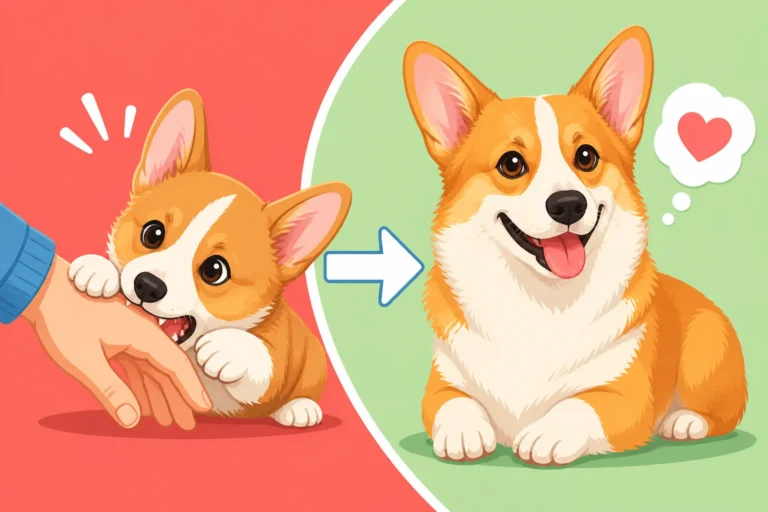
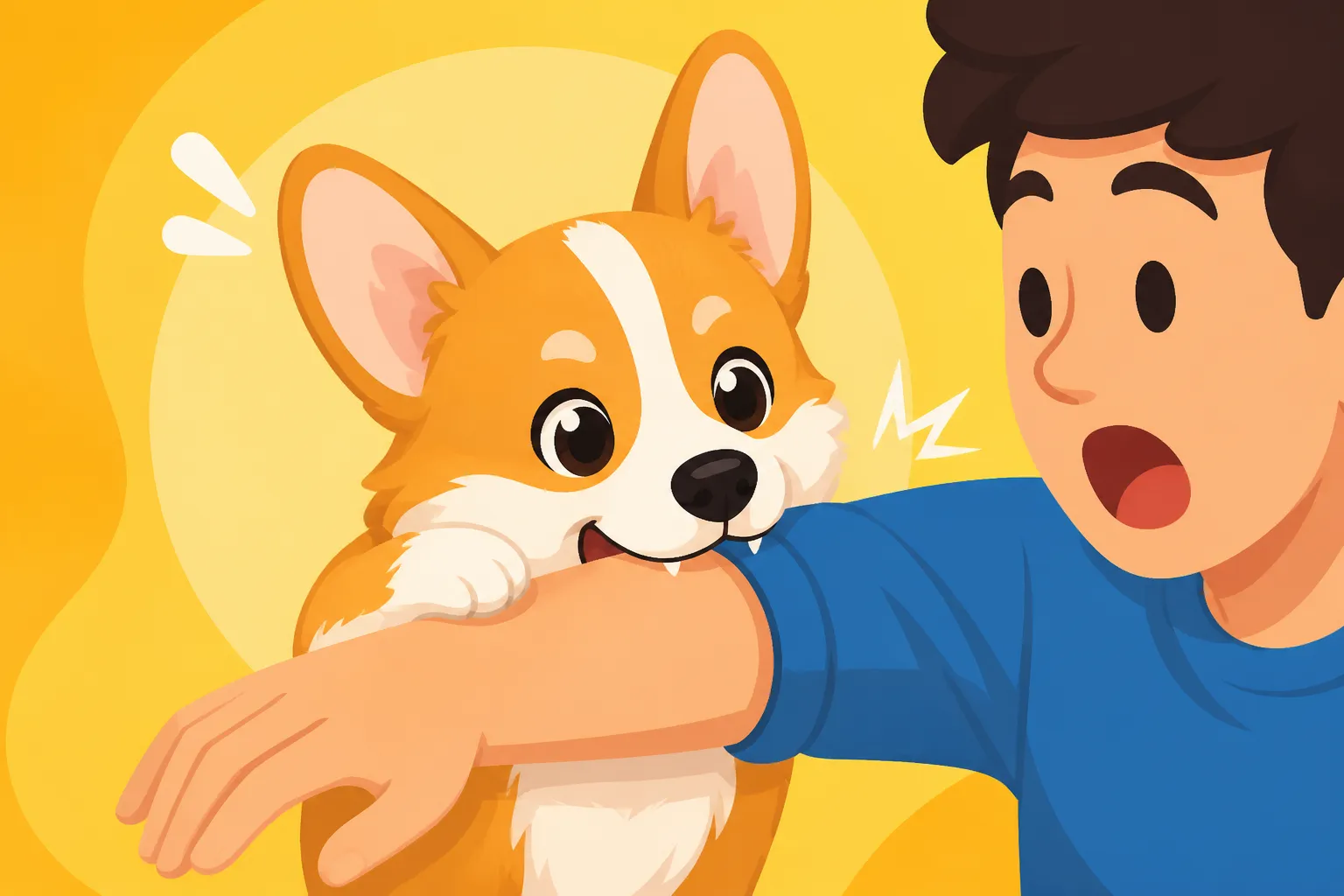
Oh, that Corgi puppy mouth! It’s adorable when they’re tiny, all fuzzy and round, but those needle-sharp teeth can quickly turn into a genuine nuisance. It leaves tiny nicks and bruises on your hands and ankles and can make you dread playtime. If you're wondering why your Corgi puppy seems to think your fingers are chew toys or your heels are cattle to be herded, you’re not alone. This guide will delve into the instinctual reasons behind Corgi puppy nipping, identify their favorite targets, and provide practical, empathetic strategies to gently redirect that mouthing behavior towards appropriate outlets.
Understanding the Corgi Puppy Nipping Instinct
Bringing a Corgi puppy home often means entering a world of enthusiastic, if sometimes painful, puppy mouthing. It's a universal puppy behavior, but with Corgis, there's a unique historical twist that amplifies it. Understanding the roots of this behavior is the first step toward managing it with patience and success.
The Herding Breed Impulse
Let's be real: Corgis were bred to herd cattle, often much larger and more stubborn than they were. How do you move a thousand-pound steer when you're only a foot tall? You nip at their heels! This isn't aggression; it's an ingrained instinct, a working behavior that has been passed down through generations. Your Corgi puppy isn't trying to hurt you deliberately; they're simply acting on a primal urge to "herd" anything that moves, including you, your family members, or even the family cat. It's their way of saying, "Hey, move along!" or "I'm in charge here!"
This deep-seated impulse often manifests as your puppy chasing after your feet or legs as you walk, delivering quick, sharp nips. It can feel relentless, especially when you're just trying to get from one room to another without becoming a moving target. Many new Corgi owners are surprised by the intensity of this instinct, thinking a small dog might be less prone to such robust behaviors. But don't let their size fool you; these little dynamos have a big job programmed into their DNA. It’s important to remember this isn't personal; it's historical. The Cattle-Driving Nip a Corgi Still Has is a topic many Corgi owners grapple with, and understanding its origin helps immensely.
Puppy Exploration Through the Mouth
Beyond the herding instinct, puppies, regardless of breed, use their mouths as their primary tool for exploring the world. Think of it like a human baby putting everything in their mouth to learn about texture, taste, and shape. A Corgi puppy is no different. They don't have hands with opposable thumbs to pick things up and examine them; instead, they mouth, chew, and gum everything they can reach.
This exploratory mouthing often gets mixed up with play. When they play with their littermates, they mouth each other. They learn bite inhibition (how hard is too hard?) from the yelps and reactions of their siblings and mother. When they come to your home, you become their new "littermate," and they'll naturally try to engage you in the same way. This means your hands, fingers, and even your hair might become subjects of their oral exploration and play. They're gathering information, and for a Corgi, that information often comes with a gentle (or not-so-gentle) chew.
Communication Attempts
Sometimes, that Corgi puppy mouth isn't just about herding or exploration; it's a form of communication. Puppies don't have words, so they use their bodies, their barks, and their mouths to tell you what they need or how they're feeling. A Corgi puppy might nip for a variety of reasons, such as:
- Seeking Attention: A quick nip on your hand or pant leg might be your Corgi's way of saying, "Hey, I'm bored! Play with me!" or "I need to go outside!" They've learned that mouthing often gets a reaction, even if it's a negative one.
- Over-excitement or Frustration: Just like human toddlers, puppies can get over-stimulated or frustrated, and that energy needs an outlet. Nipping can be a sign that they're overtired, over-stimulated by a game, or simply don't know what else to do with their boundless energy.
- Teething Discomfort: As their adult teeth start to emerge, usually between 3 and 6 months of age, their gums can become sore and itchy. Chewing and mouthing help to alleviate this discomfort, and unfortunately, your hands can sometimes seem like the most convenient "teether."
Recognizing these different motivations is key to responding appropriately. Instead of simply reacting to the nip itself, try to decipher what your Corgi puppy is trying to tell you. Is it playtime? Potty break? Or just plain discomfort?
Common Targets of the Corgi Puppy Mouth
Corgi puppies, with their specific instincts and physical build, tend to favor certain "targets" for their mouthing behaviors. It's often not random; it's driven by their history and how they interact with their environment. If you've got a Corgi puppy, chances are you've experienced their teeth in one of these common places.
Ankles and Heels: The Classic Corgi Move
This is perhaps the most famous, or infamous, Corgi puppy habit. Many new Corgi owners are utterly bewildered when their adorable fluffball suddenly starts nipping at their heels and ankles like a tiny, furry land shark. As we discussed, this is a direct manifestation of their herding ancestry. When Corgis worked cattle, their low stature made them perfectly suited to nip at the lower legs of livestock, driving them forward without getting kicked in the head.
In your home environment, you, your family, or even guests become the "livestock." When you walk across a room, especially if you move quickly, your Corgi's instinct kicks in. They'll dart around your feet, often making contact with those vulnerable ankles and heels. It’s a very specific, purposeful action for them, even if it feels completely out of place in your living room. Understanding Where the Corgi Heel Nip Comes From is crucial for managing it. This behavior can be particularly startling or painful for children, and teaching A Corgi That Nips Running Children how to redirect this requires patience and consistent training.
Hands and Fingers: Play Biting Gone Astray
While the ankles are often reserved for herding, your hands and fingers are usually the primary targets for play biting. When puppies play with each other, they mouth and wrestle. Their paws swat, and their mouths engage in mock-fighting. For your Corgi puppy, your hands are the perfect size and shape for this kind of interaction. They see your wiggling fingers as an invitation to engage in a game of chase and bite, just like they would with a sibling.
The problem arises when their "play" crosses the line into painful territory. Those tiny teeth are incredibly sharp, and even a playful nip can sting. It's a critical stage where your Corgi needs to learn appropriate bite inhibition – that human skin is much more sensitive than another puppy's fur. If you're constantly yelping or pulling your hand away, it might inadvertently become part of the game for some spirited puppies, making them even more eager to "catch" your hand. This is where Teaching a Corgi Puppy to Stop Grabbing becomes a daily exercise in patience and redirection.
Clothes and Hair: Frustration or Attention-Seeking
Sometimes, the Corgi puppy mouth will target something less expected, like your clothing, especially pant legs, sleeves, or even your hair if you're leaning down. This behavior can stem from a few different places. Often, it's an attention-seeking tactic. If nipping at your hands gets a reaction, perhaps tugging on your shirt will too. They are incredibly smart and quick to learn what gets them noticed.
Another common reason for targeting clothes or hair is frustration or over-stimulation. Imagine a toddler having a tantrum; they might lash out. A Corgi puppy, particularly one who isn't getting enough mental stimulation or appropriate physical outlets, might resort to tugging on clothing as a way to burn off pent-up energy or signal their discontent. It can also be a sign they're overtired and need a nap, as puppies often get "nippy" when they're beyond their usual bedtime. This is particularly noticeable if you're wearing loose-fitting clothing or have flowing hair that invites their playful tugs.
Why Traditional "Corrections" Often Fail Corgis
When faced with a nippy Corgi puppy, many owners instinctively try methods they've heard or read about, sometimes with frustratingly little success. What works for one breed or even one individual puppy might fall flat with a Corgi, largely due to their unique temperament and history. Understanding why certain approaches can be ineffective is just as important as knowing what does work.
The Sensitivity of a Corgi Puppy
While Corgis are robust, confident little dogs, they can also be quite sensitive, especially to harsh treatment or loud, angry voices. Traditional "corrections" like yelling, tapping their nose, or even shaking a can of pennies can be counterproductive for a Corgi puppy. Instead of deterring the behavior, these methods can actually create fear, anxiety, or confusion. A scared puppy may shut down, become hand-shy, or even escalate their nipping out of defensiveness.
A Corgi is a thinking dog, and they respond much better to positive reinforcement and clear, consistent communication. If you scold them harshly for nipping, they might not understand why they're being punished, only that you're suddenly unpredictable or scary. This can damage the crucial bond you're trying to build and make them less likely to engage in training. The goal is to teach them what to do, not just what not to do, and a fearful dog isn't in a good state to learn.
Misinterpreting Corgi Assertiveness
Corgis are known for their confident, sometimes sassy, personalities. They're intelligent and often have strong opinions, a trait that served them well when managing livestock. This assertiveness can sometimes be misinterpreted by owners, who might see nipping as a challenge to their authority, leading to an even more confrontational approach. However, for a Corgi puppy, nipping is rarely about dominance; it’s usually about instinct, play, or communication.
If you try to "dominate" a Corgi puppy or meet their nipping with an equally aggressive response, they might see it as you engaging in the game they've initiated, or they might become more determined in their efforts. They might even escalate their behavior to get their point across, which creates a frustrating cycle for everyone involved. Instead, it’s about guiding that assertiveness into acceptable channels. Understanding that Whether a Corgi Is Stubborn or Just Thinking can help you approach their training with the right mindset.
The Cycle of Frustration for Both Owner and Puppy
When traditional corrections fail, both the owner and the Corgi puppy can fall into a cycle of frustration. The owner becomes exasperated by the persistent nipping, feeling like nothing works, leading to more inconsistent or harsher reactions. The puppy, in turn, becomes confused and potentially more anxious, which can actually exacerbate the nipping as a stress response or a desperate cry for attention.
This cycle can erode trust and make training feel like a battle rather than a partnership. It’s common for owners to wonder Whether a Corgi Grows Out of Nipping or if this intense mouthing will last forever. Without effective strategies, this frustration can lead to behavioral issues that are much harder to address as the Corgi matures. The key is to break this cycle early by implementing consistent, positive, and clear redirection methods.
Effective Strategies for Redirecting Corgi Puppy Nipping
Dealing with a Corgi puppy's nipping requires more than just telling them "no." It demands a proactive approach, providing appropriate outlets for their natural instincts, and teaching them what is acceptable. The good news is, Corgis are smart and eager to please once they understand the rules of the game.
Providing Appropriate Chew Outlets
The most fundamental strategy for managing a Corgi puppy's mouthiness is to ensure they have plenty of appropriate things to chew on. Remember, their mouth is their primary tool for exploration and for alleviating teething discomfort. If they don't have suitable items, your hands, furniture, or clothes become the default.
Invest in a variety of durable chew toys. Look for different textures and hardness levels to keep them engaged. Puzzle toys that dispense treats can also be a fantastic distraction, engaging their minds and their mouths simultaneously. When your Corgi puppy starts to mouth you, immediately redirect them to an appropriate chew toy. Say "No (or "Off")," then present the toy. When they take the toy, praise them enthusiastically. Consistency is key here. Think about what Toys That Occupy a Corgi are best suited for their strong jaws and intellectual needs. You can find a fantastic selection of durable puppy chew toys on platforms like Amazon, often with reviews from other Corgi owners, helping you pick ones that stand up to their determined chewing.
Here's a quick look at some types of chew toys and their benefits:
| Chew Toy Type | Benefits | Best For | Considerations |
|---|---|---|---|
| Rubber Chew Toys | Durable, satisfying chew, can be stuffed with treats. | Strong chewers, mental stimulation | Choose appropriate size, some can be destroyed by power chewers. |
| Nylon Chews | Long-lasting, good for persistent chewers, various textures. | Sustained chewing, dental health | Can be very hard, supervise to ensure no splintering. |
| Rope Toys | Good for tugging, helps clean teeth (mildly). | Interactive play, teething relief | Supervise closely, ingestion of strands can be dangerous. |
| Puzzle Feeders | Mental stimulation, slows eating, redirects oral fixation. | All puppies, especially those needing enrichment | Requires supervision, some puzzles might be too easy/hard. |
| Edible Chews | Highly motivating, satisfying, various flavors. | Intense chewers, teething relief | Monitor calorie intake, choose easily digestible options, avoid rawhide. |
The "Yelp and Withdraw" Method
This method mimics how puppies learn bite inhibition from their littermates. When one puppy bites another too hard, the bitten puppy will yelp loudly and immediately stop playing. This teaches the offender that their bite was too painful. You can use a similar technique with your Corgi puppy.
The moment your Corgi puppy's teeth make contact with your skin, let out a high-pitched "Yelp!" or "Ouch!" – not an angry shout, but a sound of pain. Immediately withdraw your hand or stop interacting with them. Turn your back for 10-20 seconds, or even briefly leave the room. The goal is to teach them that painful biting makes the fun stop. After a short timeout, you can re-engage with them, perhaps by offering an appropriate chew toy. Consistency is vital. Every time their teeth touch you inappropriately, the fun stops. This helps them understand that gentle play continues, but painful nips end the interaction. This is a primary strategy for Redirecting a Corgi Off Ankles and hands.
Consistent Training and Management Tools
Beyond redirection and bite inhibition, overall consistent training and the smart use of management tools are crucial. A tired Corgi is often a less nippy Corgi, so ensure they get adequate mental and physical exercise appropriate for their age. However, remember their physical limitations and don't overdo exercise, especially for their long back. Whether a Corgi Puppy Should Be Screened for DM or How Far a Corgi Puppy Should Walk at Four Months are important considerations for their physical development.
Consider enrolling in a puppy class or an online training program like BAXTER & Bella. These programs provide structured guidance and help you establish a routine, build a strong bond, and teach impulse control. When you can't actively supervise your Corgi puppy, use management tools like a playpen or a crate. A Crates and Pens for a Corgi Puppy setup can prevent them from practicing unwanted behaviors on your household items or family members. Short, positive training sessions throughout the day, focusing on basic commands like "sit," "stay," and "leave it," can also help channel their energy and intelligence. Positive reinforcement is the name of the game: reward good choices with treats, praise, or gentle play, teaching them that calmness and polite interactions lead to good things.
When to Seek Professional Help for Corgi Puppy Biting
While Corgi puppy nipping is a normal developmental stage, there are times when it escalates beyond what's typical or manageable with standard redirection techniques. Recognizing these signs and knowing when to call in the experts can make all the difference in shaping a well-behaved adult Corgi.
Escalating Aggression vs. Normal Puppy Nipping
It's important to distinguish between normal puppy nipping and true aggressive behavior. Puppy nipping, even when painful, is generally part of play and exploration. It usually involves an open, relaxed mouth, is easily interrupted, and the puppy might even offer a "play bow" afterward. While they might jump and grab, their body language remains loose and playful.
True aggression in a puppy is far less common but is a serious concern. Signs might include:
- Hard, sustained bites that break the skin and refuse to let go.
- Growling, snarling, or stiff body language before or during a bite.
- Intense guarding of resources (food, toys, space) with aggressive displays.
- Biting accompanied by a rigid body, pulled-back lips, or a fixed stare.
- Difficulty in interrupting the biting or a rapid escalation to more severe bites.
If you observe any of these more concerning behaviors, particularly if they seem unprovoked or are becoming more frequent or intense, do not hesitate. This isn't just "puppy play" and needs immediate professional intervention.
Finding a Trainer Who Understands Herding Breeds
If your Corgi puppy's nipping is persistent, particularly intense, or you feel completely overwhelmed, seeking the guidance of a professional dog trainer or behaviorist is a wise step. However, it’s not just any trainer; look for one with specific experience in herding breeds like Corgis. Trainers familiar with herding instincts will understand the underlying motivations for behaviors like heel nipping and can provide breed-specific strategies.
Ask potential trainers about their methodology – ideally, they should use positive reinforcement, force-free methods. Avoid any trainer who suggests harsh physical corrections or dominance-based techniques, as these can severely damage your Corgi's trust and escalate behavioral problems. Online training platforms, such as BAXTER & Bella, can also be a valuable resource, offering structured courses and sometimes even one-on-one virtual consultations with experienced trainers who can provide tailored advice. When searching for local help, inquire about Trainer Rates for a Corgi That Nips and ensure they are certified and have good references. Don't be shy about asking about their experience with Corgis or similar breeds.
The Importance of Early Intervention
With puppy nipping and any potential behavioral concerns, early intervention is absolutely crucial. The longer unwanted behaviors are allowed to persist, the more ingrained they become, making them much harder to change later on. A Corgi puppy's brain is like a sponge, soaking up every experience and lesson. What you teach them now, consciously or unconsciously, will lay the foundation for their adult behavior.
Addressing nipping constructively during puppyhood ensures your Corgi learns appropriate ways to interact with humans and other animals. This not only makes living with them more enjoyable but also helps prevent more serious issues down the line. A puppy that learns good bite inhibition is less likely to accidentally injure someone later in life, even if startled. Think of puppyhood as the critical window for shaping a well-adjusted, polite companion. Investing time and effort now, even considering What a Corgi Puppy Course Costs, will pay dividends in a lifetime of happy companionship.
Disclaimer
This article is for general informational purposes only and does not constitute professional advice. Laws, prices and regulations vary by location and change over time. Consult a qualified professional for guidance on your specific situation.