Whether a Corgi Is Stubborn or Just Thinking
It's a common lament among Corgi parents: "My Corgi is so stubborn!" You stand there, leash in hand, trying to coax your furry potato to move, and they just… sit. Or they give you that characteristic Corgi side-eye and trot off in the opposite direction. It can be incredibly frustrating, leaving you wondering if your adorable low-rider is actively defying you or if there's something else going on in that clever, fluffy head. This guide is here to unravel that mystery and explore whether your Corgi is genuinely stubborn or simply taking a moment to think things through.
Understanding the Corgi Mindset: Herding Dog Instincts
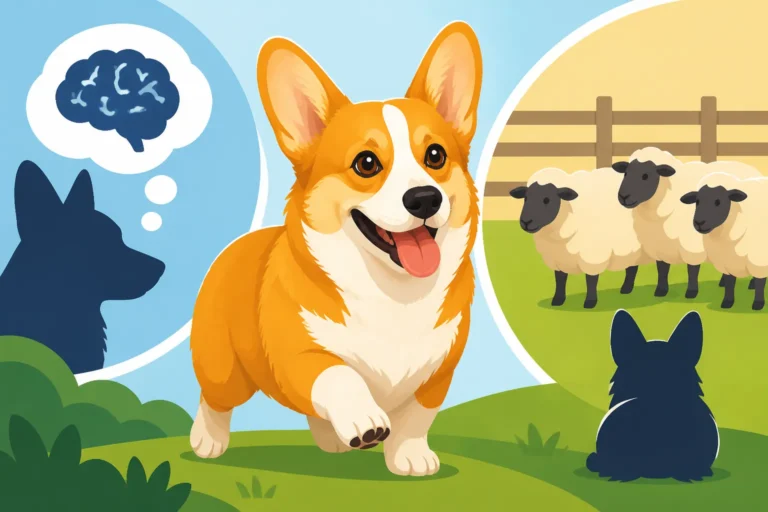
When we talk about Corgis, whether Pembrokes or Cardigans, we're talking about dogs bred for a very specific, demanding job: herding cattle. These aren't lapdogs by historical design, though they certainly enjoy a good cuddle now! Their heritage deeply influences their personality and how they interact with the world, including what we perceive as stubbornness.
A History of Independent Decision-Making
Imagine a Corgi in rural Wales, thousands of years ago for Cardigans or more recently for Pembrokes, working a herd of cows much larger than itself. It couldn't wait for its human shepherd to bark out every single command. It had to make split-second decisions: dart in, nip a heel, avoid a kick, and maneuver the cattle where they needed to go. This wasn't a job for a dog that simply followed orders without question. This was a job for a dog that could assess a situation, think independently, and act decisively.
This ingrained ability to think for themselves is a huge part of the Corgi charm, but it's also the root of many owner frustrations. When your Corgi pauses before obeying a command, they might not be defying you; they might be processing. They're weighing the request against their own assessment of the situation, just as their ancestors did in the pasture. It's not always about outright defiance, but about a deep-seated instinct to use their brains first. This independent streak is why training needs to be engaging and consistent from day one. If you're struggling with getting your Corgi to listen, you might find some useful insights in Training a Corgi That Makes Its Own Decisions.
The Difference Between Disobedience and Deliberation
It’s easy to label a Corgi "stubborn" when they don't do what you ask immediately. But let's break down what that might actually mean for a Corgi. Disobedience often implies a deliberate refusal to comply, knowing full well what's expected. Deliberation, on the other hand, is a thought process – a moment where they pause, evaluate, and then decide.
Think about it this way: if you tell your Corgi to 'sit' in the middle of a bustling park, and they look around, sniff the ground, then look back at you before slowly planting their rear, are they being disobedient? Or are they taking in all the sensory information, perhaps a little overwhelmed or distracted, and then processing your request amidst everything else? Their herding background means they're constantly scanning their environment, looking for things to control or direct. This makes them highly observant, but also easily distracted from a simple command if they perceive something more 'important' (like a squirrel or another dog) in their field of vision. It's a fine line, but recognizing this distinction can totally shift your approach to training.
When "Stubborn" is Actually "Smart"
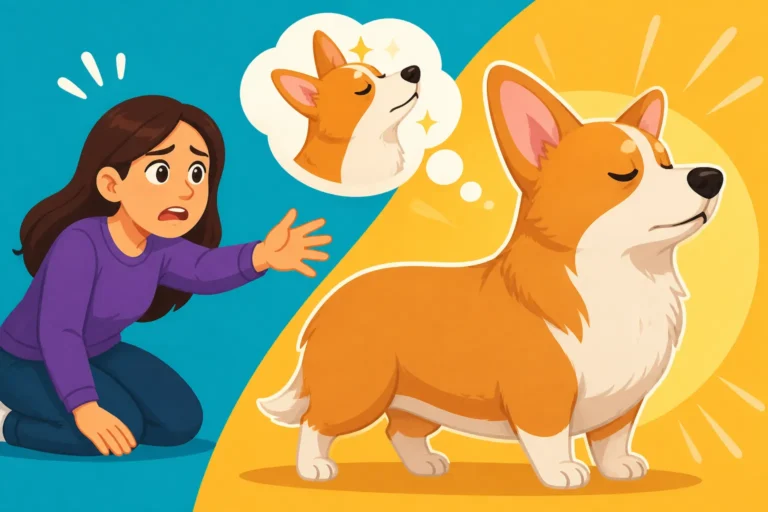
It sounds counterintuitive, right? How can "stubborn" actually be a sign of intelligence? Well, for a Corgi, what appears to be a defiant refusal to cooperate is often a display of their sharp intellect, strategic thinking, and self-preservation instincts. They’re not just saying "no"; they’re often asking "why?" or "what’s in it for me?"
Assessing the Situation: Weighing Risks and Rewards
Corgis are highly intelligent problem-solvers. When you give them a command, especially one that seems illogical to them or doesn't immediately present a clear benefit, they will often pause to assess the situation. They're thinking:
- "Is this command truly necessary?"
- "What's the safest option here?"
- "What's the reward for compliance, and is it worth the effort?"
- "Is there a better way to do this that I can come up with?"
For example, if you're trying to walk your Corgi past a particularly interesting fire hydrant, and they suddenly drop anchor, it might seem stubborn. But in their mind, that hydrant holds a wealth of information – an olfactory newspaper they must read. The reward of gaining that information might, for a brief moment, outweigh the reward of pleasing you by continuing the walk. This isn't disrespect; it's a prioritization of their instincts and drives. Their strong will means they often need a compelling reason to shift their focus. You might notice this especially if you feel like your Corgi is often asking Why an Independent Corgi Ignores You.
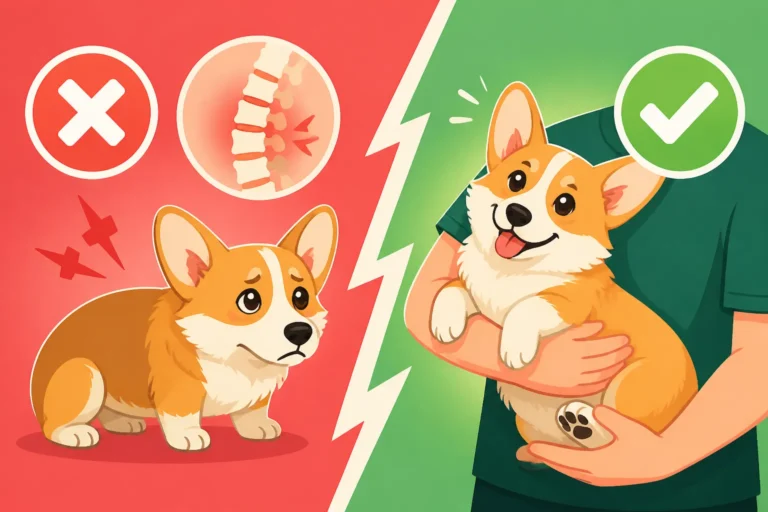
This also extends to situations they perceive as risky. A Corgi with a history of back issues, for instance, might hesitate or refuse to jump off a high sofa, even if they've done it a thousand times before. This isn't stubbornness; it's self-preservation. They're thinking about the potential pain or injury, and their intelligence tells them to avoid it. They are acutely aware of their body and surroundings, making them pause when something doesn't feel right.
Prioritizing Self-Preservation Over Compliance
Corgis, like all dogs, have a strong instinct for self-preservation. Given their unique physical structure – long back, short legs – they are particularly prone to certain injuries, especially involving their spine. This makes them naturally cautious about certain movements or activities. What looks like stubbornness can often be them protecting themselves.
Consider a Corgi on a slippery floor. If you call them, they might hesitate to rush to you, choosing instead to move slowly or even refuse to cross the slick surface. Their intelligence tells them that rushing could lead to a fall and potential injury. Similarly, if a command involves a situation where they feel uncomfortable, stressed, or threatened, their instinct will be to avoid it. This is why positive, gentle training methods are so crucial. If a Corgi associates a command with discomfort or fear, they will absolutely "stubbornly" resist it.
It's not just physical preservation either; it can be emotional. A Corgi that has been harshly corrected or yelled at might become "stubborn" in future situations, simply because they're trying to avoid further negative interactions. They're thinking, "If I don't do anything, maybe the bad thing won't happen." This isn't defiance; it's a learned coping mechanism. Understanding this means shifting your perspective from seeing a "stubborn" dog to seeing a "thinking" dog that needs clear, safe, and positive guidance.
Strategies for Working With a "Thinking" Corgi
Since we've established that your Corgi is likely a deep thinker rather than just stubborn, the good news is that there are effective ways to work with their intelligence, not against it. It's all about clear communication, consistent expectations, and making sure that whatever you're asking is worth their while.
Building a Stronger Bond Through Positive Reinforcement
The cornerstone of working with a thinking Corgi is positive reinforcement. Forget harsh corrections or forcing them into submission; that will only make them shut down or become truly stubborn. Instead, focus on building a strong, trusting relationship where they want to work with you. This means making obedience a game, not a chore.
When your Corgi offers the behavior you want, reward it immediately and generously. This could be high-value treats (think tiny pieces of chicken or cheese, not just dry kibble), enthusiastic praise, or a quick game with their favorite squeaky toy. The key is to make the reward significant enough to capture their attention and motivate their intelligent brain. If you're wondering Whether a Corgi Works for Anything but Food, you'll find that many do, but you have to figure out their ultimate motivators.
Positive reinforcement also means breaking down complex commands into smaller, easier-to-understand steps. If you want your Corgi to reliably come when called, start in a quiet environment, reward every tiny step towards you, and gradually increase distractions. This systematic approach allows their thinking brain to process and learn without being overwhelmed. Reputable online training resources like BAXTER & Bella can offer structured programs that emphasize positive reinforcement and help you navigate these training challenges with your intelligent Corgi.
Clear Communication and Consistency are Key
Corgis thrive on predictability. If your commands are inconsistent, or if different family members use different words or signals for the same action, your Corgi will get confused, and that confusion can easily be mistaken for stubbornness. They're not refusing; they're genuinely unsure of what you're asking.
Establish clear, concise commands and stick to them. Everyone in the household needs to be on the same page. For example, if 'stay' means stay until released, it always means stay until released. If you sometimes let them break it early, they learn that the command is optional, and their thinking brain will decide when it's appropriate to listen. This consistency applies to house rules too, like Whether a Corgi Should Ever Jump Off a Sofa or if they're allowed on furniture.
Furthermore, be consistent with your energy and body language. Corgis are incredibly observant. If you're frustrated or stressed, they'll pick up on it. Keep your training sessions positive, upbeat, and short. Corgis have short attention spans for repetitive tasks, so Short Bursts of Training a Corgi Will Take are far more effective than long, drawn-out sessions. A clear, confident tone, paired with consistent hand signals, helps your Corgi understand exactly what you're asking.
Engaging Their Minds: Providing Mental Stimulation
A bored Corgi is often a "stubborn" Corgi. Their intelligent minds need to be challenged. If they're not given appropriate outlets for their problem-solving abilities, they'll invent their own "jobs," which often manifest as undesirable behaviors like excessive barking, nipping, or that frustrating refusal to listen.
Beyond physical exercise, incorporate mental stimulation into their daily routine. This can include:
- Puzzle Toys: These require your Corgi to figure out how to get treats out, engaging their brain. There are many options available on Amazon, from simple treat-dispensing balls to more complex interactive puzzles.
- Scent Work: Corgis have excellent noses. Hiding treats around the house or in the yard and letting them sniff them out is a fantastic mental workout that many find incredibly satisfying. This is also a sport that can Scentwork as a Sport That Spares a Corgi's Back.
- Trick Training: Teaching new tricks, even silly ones, keeps their minds active and strengthens your bond. "Shake a paw," "roll over," or "fetch specific toys" are all great ways to build their repertoire.
- Interactive Play: Games like hide-and-seek with you or a favorite toy, or even controlled games of fetch, can provide both physical and mental exercise.
When a Corgi's mind is adequately challenged and engaged, they are generally happier, more cooperative, and less likely to exhibit what we perceive as stubborn behavior. Instead, you'll see a thoughtful, engaged companion ready to tackle the next "problem" you present, be it a new trick or simply walking nicely on a leash.
Table: "Stubborn" vs. "Thinking" Corgi Behaviors
| Behavior Observed | Common Misinterpretation (Stubborn) | Likely Corgi Thought Process (Thinking) |
|---|---|---|
| Freezing on a walk | Refusing to move, being difficult | "What's that smell? Is it a threat? A friend? I need more info before moving." |
| Not coming when called | Ignoring me, choosing to do their own thing | "Is there a better reward where I am? Is it safe to approach? Is it worth it?" |
| Hesitating to jump off sofa | Being defiant, waiting for me to pick them up | "My back hurts sometimes; is this jump safe for my spine? I should assess this first." |
| Barking at the window | Just being noisy, annoying the neighbors | "Intruder alert! I must warn my family and deter the perceived threat!" |
| Not performing a known trick | Forgetting, being lazy, choosing not to | "What's the motivation today? Am I confused by your cue? Is this fun right now?" |
| Mouthing/Nipping | Being aggressive, dominant, badly behaved | "This is how I herd, move things, and get attention. It's how my ancestors did it!" The Cattle-Driving Nip a Corgi Still Has |
Conclusion
So, is your Corgi stubborn or just thinking? More often than not, it's the latter. These intelligent, historically independent little herding dogs are wired to assess, process, and make their own decisions. What we perceive as defiance is frequently their clever brains working overtime, weighing risks, calculating rewards, or simply prioritizing their instincts.
By understanding their natural inclinations and genetic heritage, you can shift your approach from battling "stubbornness" to nurturing "intelligence." Embrace positive reinforcement, maintain clear and consistent communication, and provide ample mental stimulation. When you meet your Corgi where they are – as a thoughtful, problem-solving companion – you'll unlock a deeper bond and a more harmonious life together. It's not about breaking their will, but about guiding their brilliant minds.
Disclaimer
This article is for general informational purposes only and does not constitute professional advice. Laws, prices and regulations vary by location and change over time. Consult a qualified professional for guidance on your specific situation.