Why a Corgi Does It Once and Then Refuses
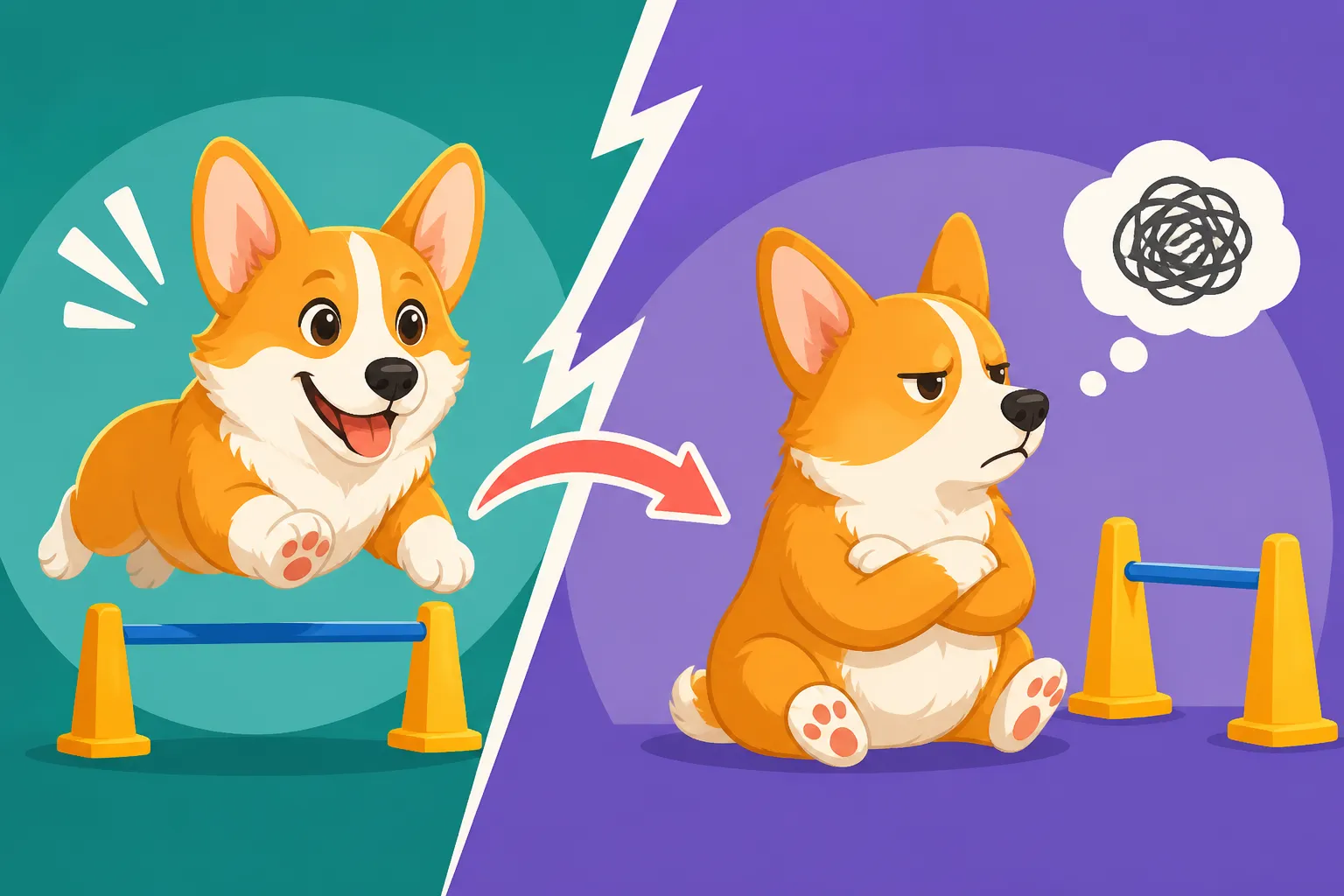
It’s a tale as old as time for Corgi owners: you teach your little low rider a brand new trick or cue, they nail it perfectly the very first time, and you’re bursting with pride. You celebrate, maybe give them an extra-special treat, and then you try it again later, expecting the same stellar performance, only to be met with a blank stare, a yawn, or even a casual stroll away. It’s incredibly frustrating when your Corgi does it once and then refuses, leaving you wondering if they forgot it entirely or if they were just humoring you. This guide will dive deep into the unique Corgi mindset and offer strategies to foster consistent, reliable behavior.
The Corgi Mindset: More Than Just "Stubborn"
Many Corgi owners lovingly describe their dogs as stubborn, and while it might feel that way in the moment, it's often more complex than simple disobedience. Corgis are intelligent, independent thinkers with a strong sense of self-preservation and a natural inclination to make their own decisions. Understanding this inherent personality is the first step toward building a more cooperative relationship.
The Corgi's Independent Streak
Let's rewind to their history. Corgis were bred to herd cattle, often working independently to nip at the heels of much larger animals, guiding them without direct human commands every second. This means they were (and still are) hardwired to assess situations, think for themselves, and decide if a course of action is truly worth their effort or if there's a more pressing "Corgi business" to attend to. This isn't rudeness; it's a testament to their historical job. When you ask them to do something, they're not necessarily defying you; they're calculating. Is the reward good enough? Is there a predator (or a leaf blowing by) that needs immediate attention? Their independence can make Training a Corgi That Makes Its Own Decisions a unique challenge, but also incredibly rewarding.
This independent streak also means that Corgis are masters of selective hearing. They might know "sit" perfectly well, but if the squirrel outside the window is doing something utterly fascinating, your voice might just become background noise. They are incredibly observant of their environment, and sometimes, that keen awareness overrides their desire to comply with a command that feels less urgent. It's not that they can't do it; it's that, in that specific moment, they've prioritized something else.
Motivation Is Everything for a Corgi
If a Corgi decides something isn't worth their while, they simply won't do it. This isn't a malicious act; it's just how their brains are wired. For many Corgis, motivation comes in the form of food – and not just any food. That dry kibble they eat every day might be fine for dinner, but for a high-stakes training session, they often demand something more exciting. Think tiny pieces of cooked chicken, cheese, or specialized training treats. The higher the perceived value of the reward, the more likely they are to engage and repeat a behavior.
Beyond food, some Corgis are motivated by specific toys, especially those they can chase or tug on. Play can be a fantastic motivator, particularly if you find a toy that truly excites them. However, for most Corgis, the stomach rules the roost. It’s important to understand that their motivation isn't a static thing; it can change based on their hunger levels, their energy, and the novelty of the reward. What worked yesterday might not work today if the "prize" feels stale. You might find yourself asking why a Corgi works for anything but food for a long time, only to discover the answer is often "they usually don't!"
The "What's In It For Me?" Mentality
This goes hand-in-hand with motivation. A Corgi isn't going to perform a behavior purely to please you, especially not consistently, if there isn't a clear and immediate benefit for them. They're not like some other breeds that live to serve their human's every whim. They are pragmatic. If they performed a perfect "down" once and got a tiny, dry biscuit, and then the next time they got nothing, their incentive drops dramatically. They quickly learn to associate effort with reward, or lack thereof.
This means that if you're not consistently providing a reward that your Corgi values for every successful attempt (especially in the early stages of learning), they're going to decide that the "job" isn't worth the effort. It's not about being vindictive; it's about efficiency from their perspective. They're smart enough to realize that if the payoff isn't there, their time could be better spent surveying their domain or finding dropped crumbs under the sofa.
Navigating the "One-and-Done" Phenomenon
The classic "one-and-done" scenario often leaves Corgi owners scratching their heads. It can feel like you've made progress, only for it to vanish into thin air. Let's break down why this happens and how to manage those moments.
The One-Off Trick That Never Sticks
Sometimes, your Corgi might perform a new trick or respond to a new cue perfectly by sheer accident or happy coincidence. Perhaps you were luring them into a "spin" with a treat, and they twirled just right. You were thrilled, they got the jackpot treat, and everyone was happy. But if you try it again five minutes later, and they don't quite get the lure, or they offer a different behavior, and you don't reinforce that specific spin, they haven't actually learned the cue. They just got lucky (or you got lucky) that one time.
This isn't them refusing a command they know; it's them not fully understanding the command in the first place. True learning requires repetition, consistency, and careful shaping of the desired behavior. If you only reinforce the perfect, fluke performance, and not the approximations or the steps leading up to it, the behavior won't generalize. It will remain a one-off event. This is why breaking down complex behaviors into smaller, achievable steps and rewarding each successful step is crucial.
When Consistency Fails
We, as humans, are often the biggest culprits when it comes to inconsistency. We might ask our Corgi to "come" when they're distracted by something exciting at the park, but not consistently reward them when they do. Or we might allow them to jump on guests sometimes, but scold them other times. This mixed messaging is incredibly confusing for a Corgi. If the rules aren't clear, consistent, and always enforced with the same consequences (positive or negative), why should they bother?
A Corgi thrives on predictability. If "sit" always means "sit and get a treat," they will likely sit. If "sit" sometimes means "sit and get a treat," sometimes "sit and get a verbal praise," and sometimes "sit and get nothing because I'm busy," then the behavior becomes less reliable. When your Corgi "refuses," it might be a signal that your training has inadvertently been inconsistent. Re-evaluate your cues, your rewards, and your timing. This also extends to environmental consistency; what works in the quiet living room might not work at a busy dog park without significant proofing of the behavior in different environments.
Overcoming Distractions
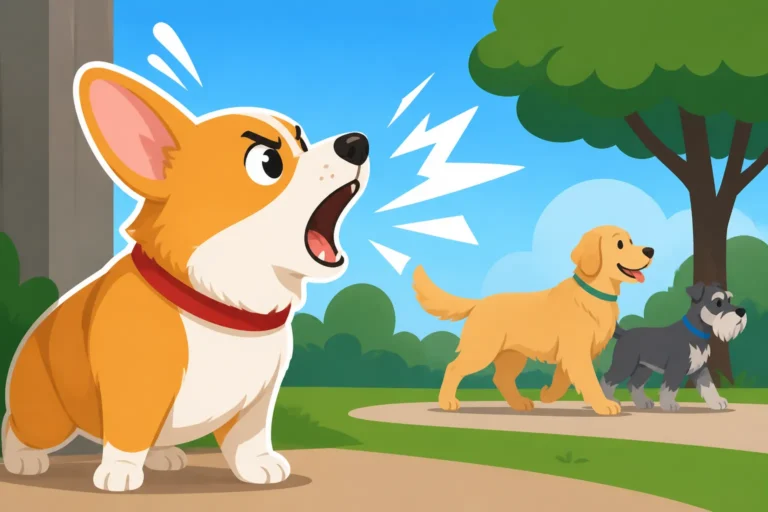
Corgis are highly intelligent and alert, which means they are very aware of their surroundings. This makes them excellent watchdogs, but it can also make training in distracting environments incredibly challenging. If your Corgi does a perfect "stay" in the house, but "refuses" at the dog park, it’s not necessarily stubbornness; it’s an environmental overload. The smells, sights, and sounds of the park are simply far more compelling than your voice, especially if the reward isn't top-tier. Corgi Recall and the Herding Instinct is often tested the most in distracting environments.
To overcome this, you need to build up their ability to focus gradually. Start training in a quiet, low-distraction environment, then slowly introduce minor distractions, increasing the level of distraction as your Corgi succeeds. Always use your highest-value rewards in these more challenging settings. If they offer the behavior even for a split second amidst chaos, reward heavily. This teaches them that even with squirrels present, listening to you is the most rewarding choice. Remember, their attention span for repetitive tasks, especially with distractions, can be quite short, so Short Bursts of Training a Corgi Will Take are usually more effective.
Strategies for Building Reliable Corgi Habits
Turning those fleeting moments of brilliance into consistent, reliable behaviors requires a thoughtful and engaging approach tailored to the Corgi personality. It's about making training worth their while, every single time.
Short, Engaging Training Sessions
Forget hour-long training drills; your Corgi will check out long before then. These clever little dogs thrive on short, frequent, and fun training sessions. Think 5-10 minutes, two to three times a day, rather than one long, arduous session. This keeps them engaged, prevents boredom, and ensures they're always eager for the next interaction. End each session on a high note, even if it means asking them to do an easy trick they know perfectly.
During these sessions, vary the exercises. Don't just do "sit, sit, sit." Mix it up with "down," "stay," a quick recall, or a fun new trick. This variety keeps their minds sharp and prevents them from getting into a repetitive rut where they might just decide to ignore you. Using a clicker can be incredibly effective here; it marks the exact moment of desired behavior, making it clearer for your Corgi what they're being rewarded for. Many Corgis respond well to a clicker, as it creates a clear bridge between action and reward, and it helps answer Whether a Clicker Holds a Corgi's Attention.
High-Value Rewards and Variable Reinforcement
As we've discussed, Corgis are deeply motivated by rewards. For initial learning and challenging environments, stick to high-value treats: tiny bits of cooked meat, cheese, or specialty soft treats. These are the gold standard. As your Corgi becomes more proficient with a command, you can start introducing variable reinforcement. This means you don't reward every single time they perform a known command, but you still reward frequently and unpredictably. Think of it like a slot machine – sometimes they get a jackpot, sometimes a smaller prize, sometimes nothing, but they keep playing because they never know when the big win is coming. This actually strengthens the behavior over time.
However, be careful not to transition to variable reinforcement too quickly, or too completely. Your Corgi still needs to feel that there's a good chance of a payoff. Mix up your rewards too: sometimes a treat, sometimes enthusiastic verbal praise, sometimes a quick game of tug. Resources like online training programs, such as those offered by BAXTER & Bella, often emphasize these principles of consistent, positive reinforcement to build reliable behaviors in a structured way, helping owners understand how to adapt rewards. Remember to factor these treats into your Corgi's daily calorie intake to prevent weight gain; Keeping Treats Inside a Corgi's Ration is a key part of managing their weight.
Making Training a Game
Corgis are playful and intelligent, so turning training into a game is an excellent way to keep them engaged. Incorporate puzzle toys where they have to work for their food, or hide treats around the house for them to sniff out – this is a fantastic mental exercise and taps into their natural foraging instincts. Scent work, where they learn to find specific scents, can be particularly rewarding and is gentle on their backs. Scentwork as a Sport That Spares a Corgi's Back is a wonderful activity for Corgis.
You can also use their natural herding instincts in appropriate ways, like teaching them to "herd" a ball into a designated area. Incorporating short bursts of play into your training sessions, especially as a reward for a good effort, can make the entire process more enjoyable for both of you. Many Corgis also enjoy learning elaborate trick chains or participating in dog sports like rally obedience, where the focus is on fun and cooperation rather than intense physical demands. Just ensure any physical activity is Agility With a Corgi's Back in Mind to prevent injury. Using interactive toys, many of which are readily available on Amazon, can also keep their minds stimulated and prevent boredom, which often leads to "refusal" behaviors out of sheer disinterest.
| Corgi Training Challenge | Common Owner Mistake | Effective Corgi Strategy |
|---|---|---|
| "One-and-done" behavior | Rewarding only perfect, accidental attempts | Break into small steps, reward approximations, use high-value treats |
| Inconsistent response | Inconsistent cues or rewards; mixed messaging | Be 100% consistent with cues, commands, and reward delivery |
| Distraction overload | Training only in easy environments, expecting perfection in tough ones | Proof behavior gradually in increasing distractions with top-tier rewards |
| Apparent "stubbornness" | Expecting intrinsic motivation or eager compliance | Always provide a clear, high-value "what's in it for me?" for desired behavior |
| Short attention span | Long, repetitive training sessions | Keep sessions short (5-10 min), frequent, and varied to maintain interest |
Disclaimer
This article is for general informational purposes only and does not constitute professional advice. Laws, prices and regulations vary by location and change over time. Consult a qualified professional for guidance on your specific situation.