Settling a Rescued Corgi Into a Quiet House
Bringing a rescued Corgi into your quiet home is a truly heartwarming endeavor, full of hope and the promise of a loving future. However, it's also a time that often comes with its own unique set of anxieties and questions. You've opened your doors to a dog whose past is often a mystery, and while a quiet home might seem like the perfect peaceful haven, it can also present specific challenges for a dog learning to trust and settle in. This guide will walk you through creating a gentle, predictable environment and fostering a strong bond with your new family member, ensuring a smooth transition for both of you.
Understanding Your Rescued Corgi's Journey
When you bring home a rescue, whether it's from a shelter, a breed-specific rescue, or even directly from a previous owner, you’re often welcoming a dog with a past that is at best hazy, and at worst, deeply troubling. This unknown history is perhaps the biggest factor in how your Corgi will adjust, especially in a quiet environment.
The Mystery of Their History and Its Impact
Many rescue Corgis have experienced upheaval, neglect, or simply a lack of consistent routine. They might have lived in a loud, chaotic environment, or conversely, been left alone for extended periods. This means they arrive with a unique set of sensitivities and coping mechanisms. In a quiet home, a dog accustomed to noise might find the silence unnerving, or one used to being alone might struggle with the new presence of people, even if those people are calm and loving.
Imagine a Corgi who spent years in a bustling family with kids and other pets. The sudden quiet of your home, while seemingly peaceful, could feel eerily empty or even isolating to them. Conversely, a Corgi rescued from a neglectful situation where they rarely saw people might find any human presence, even a gentle one, overwhelming at first. It's not about what you perceive as good or bad, but how they interpret their new world through the lens of their past experiences. Patience and observation become your most valuable tools, helping you decipher what little clues your Corgi offers about their previous life and how it affects their current reactions.
Corgi Temperament: What to Expect from the Breed
Beyond their individual history, Corgis, both Pembrokes and Cardigans, come with certain breed-specific traits that influence their adjustment. They are intelligent, opinionated, and often more vocal than their size suggests. They were bred to herd cattle, often nipping at heels to move stubborn livestock, and that instinct can still be present. The Cattle-Driving Nip a Corgi Still Has might manifest as playful nips at your ankles or clothes, especially during excited greetings or when they want your attention.
Their vocal nature, covered in detail in Corgi Barking and How Much Is Normal, means they're quick to alert you to anything they perceive as unusual – a leaf blowing past the window, a distant siren, or the postman. In a quiet house, where external sounds might be less masked by ambient noise, these barking tendencies might seem more pronounced. They also tend to be quite independent thinkers. While they crave affection, they are not always 'lap dogs' and often prefer to be near you rather than constantly on you. Understanding these inherent traits helps you avoid misinterpreting typical Corgi behavior as a sign of discontent or aggression, allowing you to address them with appropriate training and management.
Crafting a Safe and Predictable Sanctuary
The cornerstone of settling any rescued dog, but particularly a Corgi in a quiet house, is establishing a sense of safety and predictability. Your goal is to create an environment where they feel secure enough to let their guard down and truly relax.
Designated Safe Spaces for Peace and Quiet
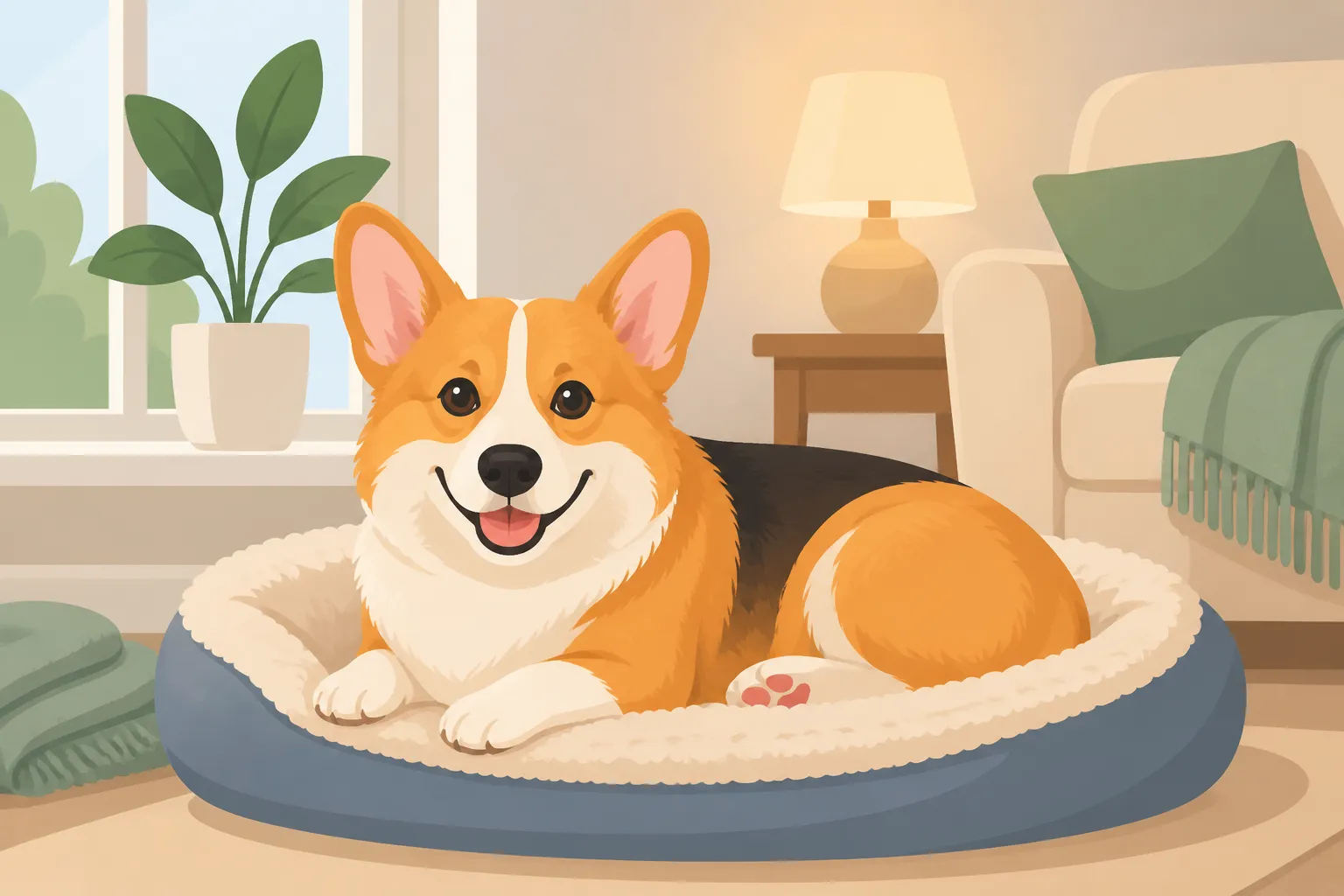
Every Corgi, especially a rescue, needs a personal retreat – a place where they can go to feel safe and undisturbed. This could be a crate, an open soft-sided carrier, or even just a cozy dog bed tucked into a quiet corner of a room. For a dog coming into a quiet home, this personal space is even more critical. There might not be the constant hubbub of a busy household to provide distractions, so the designated safe spot becomes their primary refuge from any new stimuli, however minor.
Make this space inviting with soft bedding and perhaps a chew toy. Never use it for punishment. This is their sanctuary. If you’re considering a crate, remember it should be introduced positively, never forced. Many Corgi owners find that a comfortable crate becomes a beloved den. You can find excellent crates and comfortable bedding options easily online, perhaps through Amazon, ensuring your Corgi has a plush retreat. Even if you don't use a crate for containment, having a designated soft bed where they know they won't be bothered is paramount. For more on setting up cozy confinement, you might find tips in Crates and Pens for a Corgi Puppy, even if your new family member isn't a puppy.
Establishing a Routine for Security
Corgis thrive on routine, and for a rescued dog, predictability is like a warm blanket. In a quiet home, where the days might otherwise feel unstructured, a clear routine provides a mental framework that helps reduce anxiety. Knowing when they’ll eat, when they’ll go outside, and when they can expect attention creates a sense of control and reduces uncertainty.
Create a schedule for feeding, potty breaks, walks, and quiet time. Stick to it as much as possible, especially in the first few weeks. For example, consistent meal times – say, 7 AM and 5 PM – followed by a potty break each time, and a midday walk at 1 PM. If your schedule varies a lot during the week, try to keep the core elements (like morning and evening routines) consistent, and gradually introduce variations. Your Corgi will learn to anticipate events, which significantly lowers stress. This doesn't mean you can never deviate, but consistency upfront helps them build trust in their new environment and in you.
Minimizing Overwhelm with Gentle Introductions
A quiet house might seem less overwhelming than a noisy one, but new smells, sounds, and sights can still be a lot for a rescue Corgi to process. The absence of constant background noise can sometimes make individual sounds seem louder or more startling. Think about what a Corgi might encounter: the hum of the refrigerator, the distant rumble of a car, the unfamiliar scent of your laundry detergent, or even just the quiet creak of the floorboards.
Introduce new experiences slowly and calmly. Don't rush to show them every room in the house on the first day. Let them explore one or two safe areas at their own pace. When new people visit, keep initial interactions brief and low-key. Avoid overwhelming them with too much petting or attention from multiple people at once. Let them approach guests on their own terms. If your Corgi seems nervous or retreats, respect their need for space. Gradually expose them to normal household sounds, perhaps by playing quiet music or having the TV on low volume, to provide some background white noise and prevent sudden sounds from being too jarring.
Gentle Socialization and Building Trust
Building trust with a rescued Corgi takes time, patience, and a deep understanding of their unique needs. It’s a delicate process, especially when you’re both adjusting to a quiet home environment.
The Art of Slow Introductions to Family and Pets
In a quiet home, every new face or furry friend can feel like a big event to a Corgi who is still settling in. The key is to make these introductions as calm and controlled as possible, allowing your dog to set the pace. For human family members, have everyone move slowly and speak in soft tones. Avoid direct, prolonged eye contact at first, which can be perceived as threatening. Let the Corgi approach on their own terms. Offer treats from an open hand, or simply let them sniff before attempting to pet.
If you have other pets, particularly other dogs, controlled introductions are non-negotiable. Start with parallel walks on neutral territory if possible, or use baby gates to allow them to see and smell each other without direct contact. Supervise all interactions closely, looking for signs of stress or discomfort from any animal. A quiet house means fewer distractions, so initial reactions can be more intense. Remember, a Corgi can sometimes be bossy with other dogs, even larger ones, so gentle supervision is paramount. A Corgi in a House Full of Children and Animals offers more insights into integrating your Corgi with other household members.
Building Connection Through Quiet Activities
While Corgis are intelligent and active, building trust doesn't always require elaborate games or intense training sessions, especially in the early days. In a quiet home, low-key, positive interactions can be far more effective in fostering a bond. This could involve gentle grooming sessions, soft verbal praise, or simply sitting quietly in the same room.
Puzzle toys, which can be easily sourced from retailers like Amazon, are fantastic for mental stimulation and can be done quietly. Stuff a Kong with a treat, or use a snuffle mat with some of their kibble. These activities engage their minds without over-stimulating their bodies or requiring intense interaction from you. You can also practice very short, simple training cues like "sit" or "down" using high-value treats and soft, encouraging words. The goal is to create positive associations with your presence and to show them that being with you means good things happen, gently and predictably.
Reading Your Corgi's Cues for Comfort and Stress
Learning your Corgi's body language is vital, particularly when they might not be outwardly vocal or demonstrative. In a quiet environment, subtle cues become even more important because there's less ambient "noise" to distract from them. Look for signs of stress: lip licking, yawning (when not tired), turning their head away, stiff body posture, tail tucked low, or excessive shedding. A Corgi who is feeling comfortable will have a relaxed body, soft eyes, and perhaps a loose, wagging tail.
It's equally important to recognize when they're simply being a Corgi. Their intelligent, sometimes stubborn nature might mean they pause before obeying a command, or they might "talk back" with characteristic Corgi grumbles. This isn't necessarily stress; it's often just their personality shining through. Respect their boundaries if they choose to retreat to their safe space. Never force interaction. By attentively observing their non-verbal communication, you can respond to their needs and build a strong foundation of trust.
Navigating Common Rescue Corgi Challenges
Even in the most peaceful home, rescued Corgis can present unique behavioral challenges. Approaching these with patience, consistency, and a clear understanding of typical Corgi traits will be key.
Addressing Separation Anxiety in a Quiet Home
One common challenge with rescued dogs, especially those brought into quiet homes, is the development or exacerbation of separation anxiety. A dog who has experienced abandonment or a lack of stable human connection can quickly become overly attached to their new owner. In a quiet household, where you might be the primary source of interaction and stimulation, this bond can become intense, making it difficult for your Corgi to cope when you leave.
To prevent or mitigate separation anxiety, start practicing short departures from day one. Leave them alone in their safe space for just a few minutes, then return calmly. Gradually increase the duration. Avoid making a big fuss when you leave or return. Provide engaging chew toys or puzzle feeders before you go, distracting them and associating your absence with something positive. Some owners find online training programs, like those offered by BAXTER & Bella, helpful for structured guidance on independent home-alone skills. It's a slow process that requires immense patience, but it’s crucial for their long-term well-being.
Potty Training and Accidents: Back to Basics
Even if a rescued Corgi was previously house-trained, the stress and unfamiliarity of a new home can lead to accidents. They might not understand where they are expected to relieve themselves, or they might be too anxious to signal their needs appropriately. In a quiet home, it’s easy to miss subtle cues they might be giving, especially if you're not used to watching for them.
Treat your rescued Corgi like a puppy in terms of potty training. Take them outside frequently – every hour or two initially, and definitely after waking, eating, and playing. Reward them generously with praise and a small treat every single time they go outside. Clean any indoor accidents thoroughly with an enzymatic cleaner to eliminate odors that might encourage repeat incidents. Consistency is your best friend here. Learn their schedule and preempt their needs. If accidents persist despite a strict schedule, a vet visit is in order to rule out any underlying medical issues.
Managing Nipping or Resource Guarding
Corgis, by nature, can be prone to nipping, a remnant of their herding ancestry, and some rescues may also exhibit resource guarding due to past insecurities. A Corgi that nips at your hands during play or tries to 'herd' you can be surprising if you're not prepared. Resource guarding, where a dog becomes protective of food, toys, or even sleeping spots, can stem from a history of scarcity or competition.
For nipping, redirection is key. When your Corgi nips, immediately stop interaction and offer an appropriate chew toy instead. Praise them when they chew the toy. Be mindful of situations that trigger nipping, such as over-excitement, and work to manage those proactively. For resource guarding, never try to forcibly take items away. Instead, practice "trade-ups" – offer a higher-value treat in exchange for the guarded item, then return the original item, teaching them that your approach means good things. Start with low-value items and build up trust slowly. For practical tips, you might want to look at A Corgi That Nips Running Children for insights on managing this natural behavior safely and effectively.
When to Seek Professional Guidance
While this guide offers a lot of practical advice, there are times when your Corgi's behaviors might be beyond what you can comfortably manage on your own. This is not a failure on your part, but simply a recognition that some challenges require specialized expertise. If your Corgi exhibits persistent fear, aggression, severe separation anxiety that doesn't improve with your efforts, or any other behavior that causes significant distress or safety concerns, it's time to call in a professional.
Look for a certified professional dog trainer (CPDT-KA) or a veterinary behaviorist who uses positive reinforcement methods. Avoid any trainer who advocates for harsh or punitive techniques, as these can severely damage the trust you're trying to build with a rescue. A qualified professional can assess your Corgi's specific situation, help you understand the root cause of their behavior, and develop a tailored training plan to help both you and your Corgi thrive in your quiet home.
Disclaimer
This article is for general informational purposes only and does not constitute professional advice. Laws, prices and regulations vary by location and change over time. Consult a qualified professional for guidance on your specific situation.