Whether a Corgi Nip Ever Breaks Skin
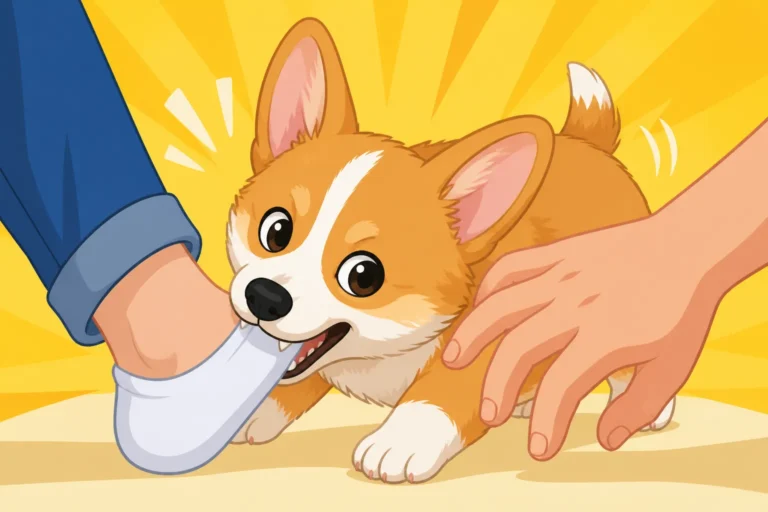
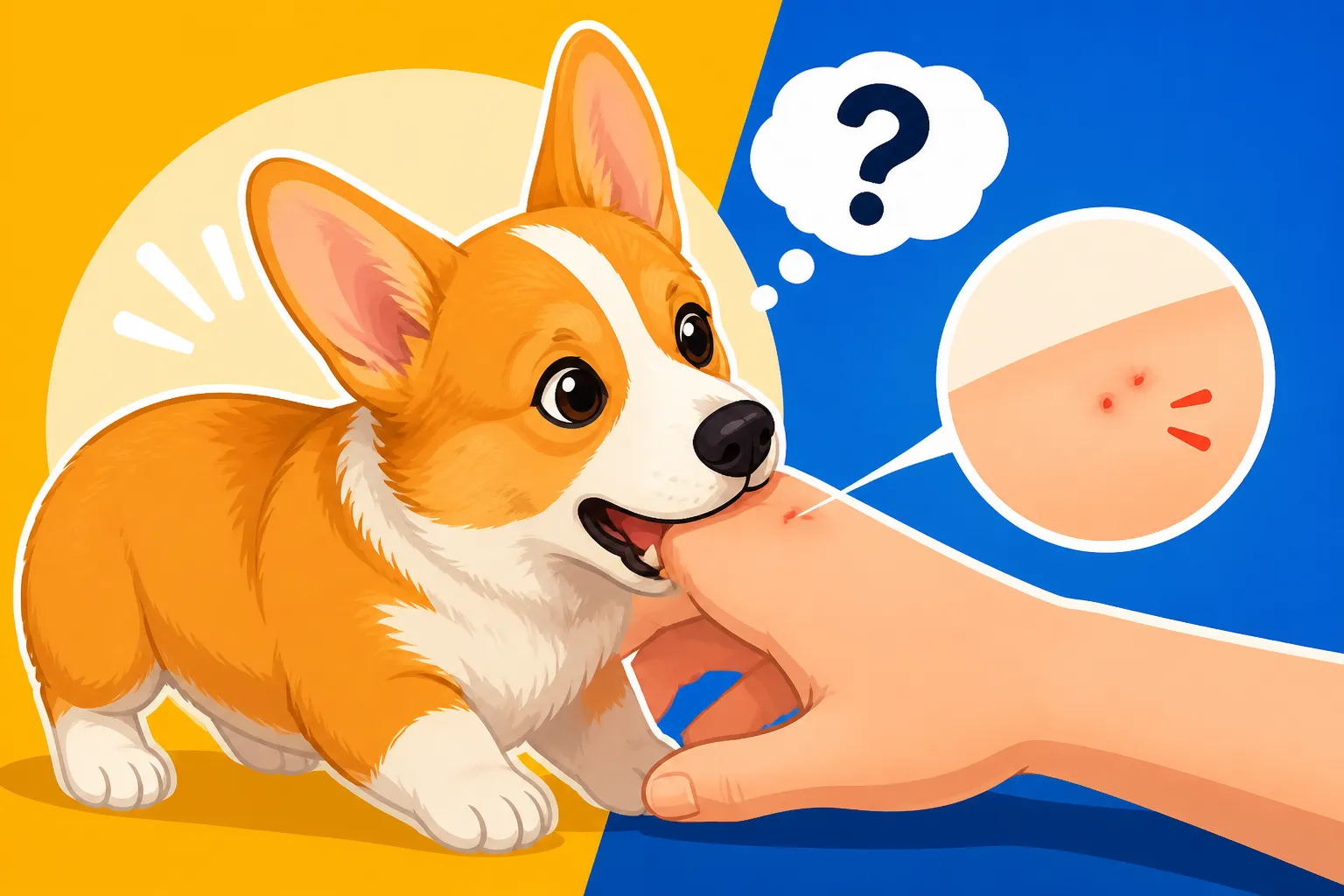
It’s a tale as old as time for many Corgi owners: you’re minding your own business, perhaps walking across the living room, and suddenly, a small, furry torpedo launches itself at your ankles, delivering a quick, sharp nip. It’s startling, often a little painful, and leaves many of us wondering: "Did my Corgi just break my skin?" This isn't just a fleeting thought; it’s a genuine concern for owners who love their spirited little dogs but want to ensure safety for themselves, their families, and their furry companions. This guide will delve into the nuances of the Corgi nip, explore when and why it might break the skin, and, most importantly, provide practical strategies for managing this deeply ingrained herding behavior.
Understanding the Corgi Nip: It's Not Always What You Think
Corgis are utterly charming, intelligent, and famously sassy. But underneath all that fluff and personality lies a powerful instinct, honed over centuries: the drive to herd. This isn't just a cute quirk; it’s a fundamental part of their genetic makeup, and it manifests in ways that can sometimes be perplexing or even painful for their human companions. When your Corgi nips, it's rarely out of malice or true aggression. It's usually their way of trying to communicate, control, or simply engage with the world around them.
The Herding Instinct Behind the Nip
Imagine a field full of stubborn, large cattle. Now picture a dog, barely a foot tall, whose job it is to move them. How does it do it? By darting in, low to the ground, and delivering quick, sharp nips to the animals' heels and ankles. This gets their attention, motivates them to move, and keeps them in line. That, my friends, is The Cattle-Driving Nip a Corgi Still Has. It's not a bite meant to injure severely, but a calculated, precise action designed to influence movement.
This deep-seated instinct doesn't disappear just because your Corgi lives in a cozy home instead of a vast pasture. Instead, it gets redirected. Your ankles become the cattle's heels, your running children become wayward sheep, and even other pets might find themselves being "managed." The nip is often quick, a grab-and-release, intended to halt or change direction rather than to latch on. It's their ancestral job coded into their DNA, and it’s why understanding Where the Corgi Heel Nip Comes From is crucial for any owner.
Puppy Nipping vs. Adult Nipping
There's a significant difference between the enthusiastic, needle-sharp nipping of a Corgi puppy and the more purposeful, though still instinctual, nip of an adult. Puppy nipping, often referred to as play biting or "mouthiness," is a natural part of development. Puppies explore the world with their mouths, and they learn bite inhibition – how much pressure they can exert without causing pain – through interactions with their littermates. When they play with their siblings, if they bite too hard, the other puppy yelps and stops playing, teaching them a crucial lesson about bite pressure.
A Corgi puppy's teeth are incredibly sharp, almost like tiny needles. Even a very light nip from a young pup can feel surprisingly painful and might leave a small mark, simply due to the sharpness rather than the force. As they grow, their adult teeth come in, which are blunter but stronger. An adult Corgi's herding nip, while still a grab-and-release, generally has a different feel. It's more about control. However, if a puppy hasn't learned proper bite inhibition, or if an adult Corgi is particularly aroused or frustrated, the line between an instinctual nip and a more forceful, skin-breaking incident can blur. This is especially true when it comes to whether a Corgi nips running children, as their quick movements can trigger a strong herding response.
When a Corgi Nip Can Break Skin
While the typical Corgi nip is often more startling than truly damaging, the concern about it breaking the skin is valid. It can happen, and it's important for owners to understand the circumstances that increase this risk, not to fear their dog, but to be better equipped to prevent such occurrences. It’s usually not an intentional act of aggression but rather an unfortunate outcome of their instincts combined with certain physical realities.
Factors Influencing Skin Breaks
Several factors can contribute to a Corgi nip resulting in a broken skin barrier, even if the dog doesn't mean to cause harm:
- Sharpness of Teeth (Especially Puppies): As mentioned, puppy teeth are incredibly sharp. A playful grab that would be harmless from an adult dog can easily scratch or puncture the skin with a puppy's tiny fangs. Even if the puppy isn't applying much force, the sheer keenness of their teeth means they can pierce skin more readily. Owners often find themselves with tiny red marks from a puppy's enthusiastic greetings or play sessions.
- Location of the Nip: The skin on our ankles, wrists, and fingers tends to be thinner and more delicate than, say, the skin on a thigh or arm. A Corgi, being low to the ground, naturally targets ankles and calves, which are particularly vulnerable. A nip to these areas is simply more likely to break the skin than if the same amount of pressure were applied to a thicker, less sensitive area.
- Sudden Movement or Reaction: If you pull your hand or foot away sharply just as your Corgi is nipping, it can create a tearing or scratching effect. Instead of a clean grab and release, the dog's teeth might drag across the skin, causing a more significant abrasion or cut. This is often an involuntary reaction from the person, but it can exacerbate the impact of the nip.
- Force of the Nip: While Corgi nips are generally not meant to be forceful, there can be variations. A highly aroused Corgi, one who is intensely focused on "herding" a fast-moving child, or one who is frustrated, might nip with more intensity than usual. A slightly harder grip, combined with those pointy puppy teeth or the leverage of adult jaws, can certainly result in a broken skin surface.
- Contextual Factors: If the Corgi is startled, feels threatened, or is resource guarding something (like a toy or food), their mouthiness might escalate from a playful nip to a more defensive or warning bite, which naturally carries a higher risk of breaking skin. While this moves beyond the typical herding nip, it's an important distinction to make for overall safety.
Addressing the Occasional Accidental Break
If your Corgi's nip does, unfortunately, break the skin, it's important to handle it calmly and with appropriate care. First and foremost, cleanse the wound thoroughly with soap and water. Even a small scratch can introduce bacteria, so proper wound care is essential. Apply an antiseptic if you have one, and cover it with a bandage. Keep an eye on the area for any signs of infection, such as redness, swelling, or pus.
Remember, a broken skin incident from a Corgi nip is usually accidental, particularly if it's from a puppy learning the ropes. It's rarely a sign of aggressive intent, but rather a miscalculation in their mouthiness or an unexpected reaction. The key is to recognize it as a signal to intensify your training and management strategies. It tells you that your dog needs clearer guidance on how to interact with human skin. Understanding that these incidents are usually not malicious can help you avoid becoming fearful of your dog, which can unintentionally worsen the behavior. Instead, view it as an opportunity to reinforce boundaries and teach appropriate play.
Preventing Nips and Managing the Behavior
The good news is that Corgi nipping, even when it occasionally breaks the skin, is a highly manageable behavior. It requires consistency, patience, and a deep understanding of your Corgi's natural instincts. The goal isn't to eliminate their herding drive—that's part of who they are—but to redirect it into acceptable channels and teach them that human skin is off-limits.
Training and Redirection Strategies
Consistent training is your most powerful tool. From the moment you bring your Corgi puppy home, start teaching them bite inhibition. When those needle-sharp puppy teeth land on your skin, even gently, let out a high-pitched "ouch!" or "yipe!" and immediately withdraw your attention. This mimics how a littermate would react and teaches them that hard bites end the fun. If they continue, calmly disengage completely for a minute or two. This timeout helps them connect the undesirable behavior with the loss of your attention.
Redirection is also key. Always have appropriate chew toys readily available. When your Corgi starts to get mouthy with you, immediately offer a suitable toy instead. Chewing is a natural and necessary behavior for dogs, and providing healthy outlets for it can save your skin. You can find a vast array of durable chew toys on Amazon that are perfect for Corgis, from tough rubber options to puzzle feeders that keep their intelligent minds engaged. For puppies, look for softer, teething-friendly toys. Teaching a Corgi Puppy to Stop Grabbing is a fundamental step in this process, ensuring they learn what is and isn't acceptable to put their mouths on.
Consider enrolling in a positive reinforcement training program, either in-person or online. Online platforms like BAXTER & Bella offer comprehensive puppy training programs that emphasize positive methods, which are incredibly effective for Corgis. These programs can guide you through teaching cues like "leave it," "settle," and appropriate play behaviors. The key is to make desired behaviors rewarding and undesirable ones unrewarding. Remember, Corgis are intelligent and independent, so short, engaging training sessions with plenty of positive reinforcement work best. For more specific guidance, explore articles like Redirecting a Corgi Off Ankles to get tailored advice on managing that classic herding behavior.
Environmental Management
Sometimes, the best training is prevention through smart environmental management. If you know that fast-moving feet, especially those of children, trigger your Corgi's herding instinct, then manage those interactions carefully. Use baby gates or exercise pens to create safe spaces where your Corgi can relax without feeling the need to "herd" active family members. This doesn't mean isolating your Corgi; it means supervising interactions closely and providing structured playtimes.
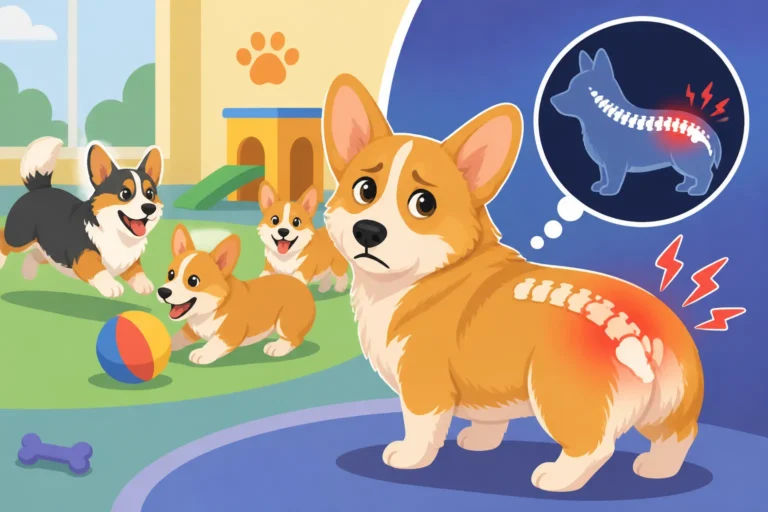
Invest in dog-friendly ramps or steps for furniture. Corgis love to be near their people, but repeatedly jumping on and off sofas or beds can exacerbate their spinal issues and also put them in a position where they might nip more readily if startled or excited. Teaching them to use a ramp not only protects their back but also gives them a controlled way to access elevated spaces.
Lastly, ensure your Corgi has plenty of appropriate mental and physical enrichment. A bored Corgi is more likely to invent their own "jobs," which often involve herding or nipping. Engage them in scent work, puzzle toys, short training sessions, or supervised play in a secure yard. Giving them a constructive outlet for their energy and intelligence can significantly reduce the likelihood of unwanted nipping. Think about The Job a Corgi Needs Instead of Herding You – activities that tap into their natural intelligence without encouraging ankle-nipping.
Differentiating Nipping from True Biting
It’s crucial for Corgi owners to understand the difference between the typical herding nip and a true bite. While a nip can occasionally break the skin, its intent and context are usually very different from a bite that signifies aggression, fear, or pain. Recognizing these distinctions is vital for your dog's well-being and the safety of everyone around them.
The Spectrum of Mouthiness
Dog communication is complex, and mouthiness exists on a spectrum. On one end, you have gentle mouthing during play or grooming, where no pressure is applied. Then comes the classic Corgi nip: a quick, often open-mouthed grab and release, usually directed at moving parts like ankles or clothing. The body language accompanying a nip is typically loose, wiggly, and may include play bows or excited barks. The dog’s intent is to move or engage, not to harm.
A true bite, on the other hand, involves a more forceful grasp, often with intent to cause pain or injury. This can manifest as a hard, sustained pressure, a shake, or repeated snapping. The body language that precedes a true bite is usually a clear warning sign: stiff body, tense muscles, whale eye (showing the whites of their eyes), growling, snarling, or a raised hackle. It’s important to note that sometimes, a dog in pain, fear, or extreme stress might skip these warning signals and bite suddenly. For a deeper dive into behavioral differences, consider consulting articles that differentiate between playful nips and more serious behaviors.
Let’s lay out some key differences:
| Feature | Corgi Nip (Herding/Play) | True Bite (Aggression/Fear/Pain) |
|---|---|---|
| Intent | To redirect, communicate, play, engage | To cause harm, warn, defend, escape |
| Force | Light to moderate, grab-and-release | Moderate to severe, sustained pressure |
| Body Language | Loose, wiggly, excited, play bows | Stiff, tense, growling, snarling, fearful |
| Sound | Playful barks, grumbles, no sound | Growl, snarl, sharp yelp (if in pain) |
| Context | Movement, excitement, play | Threat, pain, fear, resource guarding |
| Frequency | Often repeated in a sequence | Usually a singular, impactful event |
When to Seek Professional Help
If your Corgi's nipping is becoming more frequent, more forceful, or consistently breaking the skin, it's time to seek professional help. This is especially true if you observe any of the body language associated with true biting—such as growling, stiffening, or fearful reactions—or if the nipping seems to be escalating into something more serious than an instinctual herding behavior. A certified professional dog trainer or a veterinary behaviorist can assess your dog's specific situation, identify underlying triggers, and help you develop a tailored plan to manage and modify the behavior safely and effectively.
Never punish your Corgi harshly for nipping. Punishment can erode trust, suppress warning signals, and potentially escalate fear-based behaviors into true aggression. A professional will use positive, humane methods to teach your Corgi appropriate responses and help you build a stronger, more trusting relationship. Remember, your Corgi is trying to communicate, and it's our job as responsible owners to understand what they're saying and guide them towards more acceptable ways of expressing themselves. When you notice these behaviors, reaching out to someone experienced with the breed and their specific instincts can make all the difference. Check out Trainer Rates for a Corgi That Nips to understand the investment in professional guidance, which can be invaluable for peace of mind and canine harmony.
Disclaimer
This article is for general informational purposes only and does not constitute professional advice. Laws, prices and regulations vary by location and change over time. Consult a qualified professional for guidance on your specific situation.