Whether Daycare Rough Play Risks a Corgi Back
The joy of watching your Corgi romp and play at daycare can quickly turn to anxiety when you consider their unique physical vulnerabilities. With their distinctive long backs and short legs, Corgis are particularly susceptible to spinal injuries, and the boisterous, often uninhibited, nature of doggy daycare play can raise serious questions about its safety for these beloved herding dogs. This guide will explore the specific risks associated with rough play for a Corgi's back, help you identify potentially dangerous situations, and equip you with the knowledge to advocate for your furry friend's safety and well-being.
The Unique Vulnerability of a Corgi's Spine
It’s no secret that a Corgi’s silhouette is one of its most charming features, but that endearing long body and those stout little legs are also the root of a significant health concern: spinal vulnerability. Owners often hear warnings about jumping or rough play, and for good reason. Understanding the specific anatomical factors at play can help you appreciate why careful consideration of daycare environments is so crucial.
Understanding Corgi Anatomy and IVDD Risk
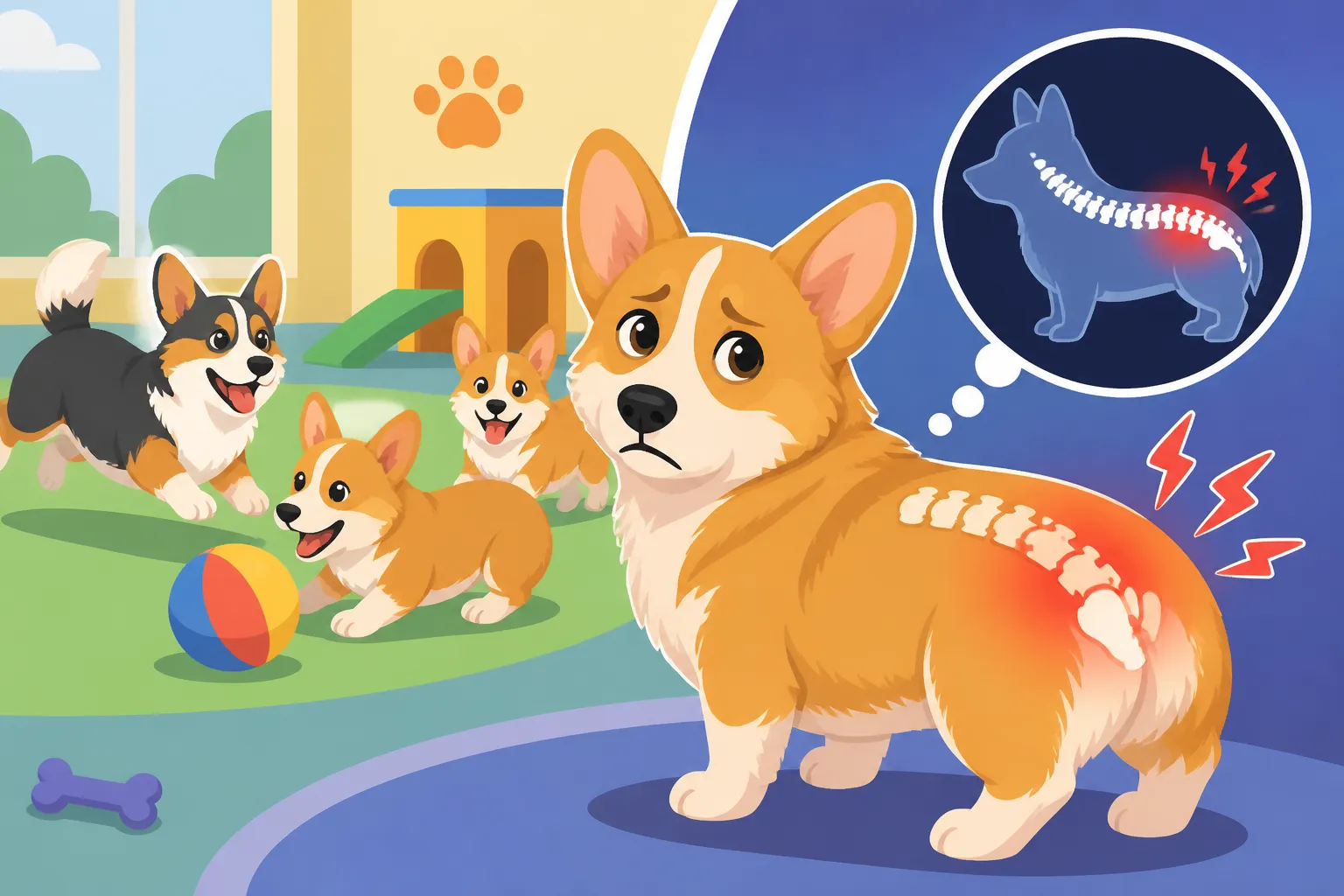
Corgis, both Pembrokes and Cardigans, are considered chondrodystrophic breeds. This fancy word essentially means they have disproportionately short limbs due to abnormal cartilage development. While it gives them their adorable low-rider look, it also means their spinal discs—the cushions between the vertebrae—are prone to premature degeneration. This condition is known as Intervertebral Disc Disease, or IVDD. Unlike other breeds where discs might degenerate from age, a Corgi’s discs can start to weaken and harden much earlier, making them less shock-absorbent and more susceptible to bulging or rupturing. Think of it like a tire that's slowly losing its elasticity and becoming brittle.
When these discs are compromised, even a seemingly minor impact or twist can cause them to herniate, pressing on the spinal cord. This can lead to a range of debilitating symptoms, from pain and wobbliness to full paralysis. The long span of their back, supported by relatively short, powerful legs, means that rotational forces and vertical impact are disproportionately concentrated on their delicate spinal column. It's a design feature that worked for nipping at the heels of cattle, but it's not ideal for tumbling with a boisterous Labrador. You can learn more about Disc Disease in a Long-Backed Corgi to fully grasp this inherited risk.
Everyday Movements That Pose a Risk
It's not just the big, dramatic jumps that can cause issues. For a Corgi, even seemingly innocuous daily activities can accumulate stress on the spine over time. Repetitive actions like launching off the sofa, scrambling down stairs, or even twisting sharply to chase a toy can put undue strain on those already vulnerable discs. Imagine your Corgi bounding off your bed every morning; each landing sends a jolt straight through their spine.
In a daycare setting, these "everyday" risks are amplified. Add in the dynamic, unpredictable environment of multiple dogs playing, and the potential for a misstep, a clumsy collision, or a sudden, sharp twist becomes much higher. A Corgi might jump playfully to snap at another dog's ear, twist mid-air to avoid a playful lunge, or land awkwardly after a burst of zoomies. While these might seem like normal dog behaviors, for a Corgi with predisposed spinal issues, they carry a much greater weight of risk. This is why many Corgi owners proactively invest in Ramps and Steps That Save a Corgi's Back for their homes.
Assessing the Daycare Environment for Corgi Safety
Given the inherent risks, finding a doggy daycare that truly understands and accommodates a Corgi's specific needs is paramount. Not all daycares are created equal, and what might be perfectly safe for a robust Labrador could be a significant hazard for your long-backed friend. It requires careful observation and asking the right questions.
Group Play Styles and Supervision Standards
The core of a safe daycare experience for a Corgi lies in the playgroups and the quality of supervision. A good daycare won't just throw all dogs together regardless of size, age, or play style. They should have structured playgroups, often separated by size and temperament. For a Corgi, being in a group with large, boisterous breeds that enjoy full-body tackling or rough-and-tumble wrestling is a recipe for disaster. Look for daycares that explicitly state they separate dogs into smaller, more compatible groups.
Furthermore, the supervisors must be actively engaged, not just present. They should be constantly monitoring interactions, intervening before play escalates to dangerous levels, and redirecting overly rambunctious dogs. Ask about their staff-to-dog ratio and their training in canine body language. A skilled supervisor can spot the subtle cues that indicate a dog is becoming overwhelmed or that play is getting too rough before an injury occurs. If the staff doesn't seem knowledgeable about breed-specific vulnerabilities, particularly for brachycephalic or chondrodystrophic breeds, that's a significant red flag.
Playmate Selection and Size Matching
This is perhaps the most critical factor for Corgi safety in daycare. Your Corgi should ideally be playing with dogs of a similar size and, even more importantly, with a compatible play style. A gentle Border Collie that enjoys chase games might be fine, but a playful Pitbull puppy that loves to body slam or mouth at necks could unintentionally cause serious harm. Daycares that prioritize careful matching of playmates are invaluable.
Don't be afraid to ask the daycare how they assess new dogs for temperament and how they decide which playgroup a dog joins. Do they offer a trial day where they observe your Corgi's interactions? Are they willing to place your Corgi in a calmer, smaller group, even if it means less "action"? Sometimes, the best playmates for a Corgi might be other Corgis, Dachshunds, or calmer small to medium-sized breeds who understand how to play without excessive vertical impact or high-speed collisions. A good daycare will have a clear policy on managing different play styles to ensure the safety of all dogs, including those with physical limitations like Corgis.
Identifying Risky Play and Advocating for Your Corgi
Even in the most well-intentioned daycare, things can happen. As a Corgi owner, being able to identify what constitutes risky play is your superpower. You are your Corgi's biggest advocate, and understanding the nuances of their interactions can empower you to make informed decisions and communicate effectively with daycare staff.
Recognizing Red Flags in Daycare Play
What looks like harmless fun for a Golden Retriever might be dangerous for a Corgi. When observing play, look for these specific red flags:
- High-Impact Collisions: Any play that involves dogs running into each other with significant force, especially if it leads to tumbles or falls. A Corgi's low center of gravity might make them less likely to fall over, but the direct impact on their spine can be severe.
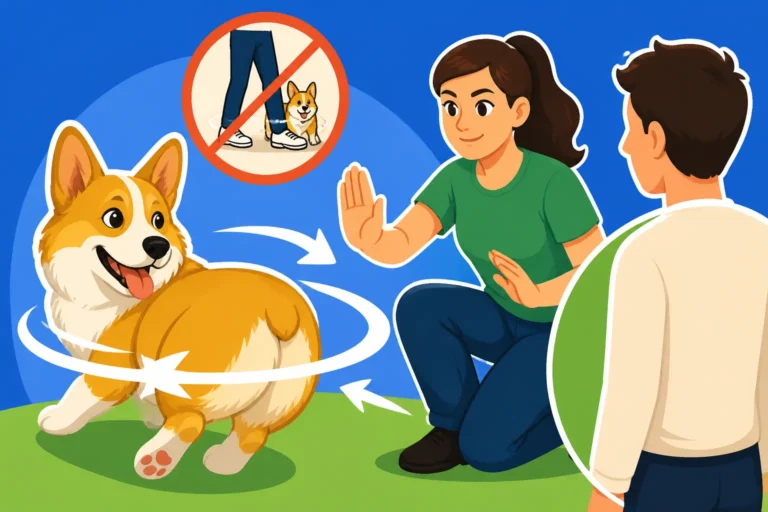
- Vertical Jumps and Twists: Corgis jumping repeatedly, especially off elevated surfaces (even low ones like cots or play structures), or twisting their body sharply in mid-air to catch a toy or dodge another dog. Remember that Whether a Corgi Should Ever Jump Off a Sofa applies to any height.
- "Pinning" or "Body Slamming" by Larger Dogs: When a larger, heavier dog pushes or falls on top of a Corgi. Even if it's meant playfully, the weight can put immense pressure on the Corgi's spine and ribs.
- Excessive "Neck Biting" or Rough Mouthing Around the Head/Neck Area: While dogs play-bite, prolonged or intense mouthing around the neck area can lead to twisting motions that strain a Corgi's cervical spine.
- Relentless Chasing Where the Corgi Cannot Disengage: While chase is fun, if your Corgi is constantly being pursued and can't find a break, they might become fatigued, leading to clumsy movements or an inability to react safely.
- Slippery Surfaces: Hard, slick floors in play areas can cause Corgis to splay out, twist, or fall, especially when running at speed. This is a subtle but significant risk factor.
If you observe any of these behaviors, it's time to speak up. It’s better to be overly cautious than to regret an avoidable injury.
Communicating with Daycare Staff About Your Corgi's Needs
Having an open and honest dialogue with daycare staff is essential. Don't assume they know your Corgi's specific vulnerabilities. Start by clearly stating that your Corgi is a chondrodystrophic breed with a predisposition to back issues, similar to a Dachshund. Explain that while you want them to socialize and have fun, spinal health is your top priority.
Here are some points to discuss:
- Preferred Playgroup Placement: Request that your Corgi be placed in a playgroup with smaller, calmer dogs or those known for gentler play styles.
- Supervision Request: Ask for extra vigilance during play, specifically requesting staff to interrupt any rough play involving larger dogs or high-impact activities.
- Alternative Activities: Inquire about alternative forms of enrichment or quieter activities your Corgi can participate in if group play becomes too intense. Some daycares offer puzzle toys, individual cuddle time, or separate relaxation zones.
- Emergency Contact & Protocols: Ensure they have clear protocols for suspected injuries, including who to contact and their immediate steps. It's good to be aware of Emergency Signs of a Corgi Disc Injury in advance.
- Provide Ramps/Steps: If the daycare has any raised platforms or steps for dogs, ask if they can install a ramp or steps if they don't already have them, or if your Corgi can be assisted up and down by staff. Consider bringing a compact, portable ramp that can be easily found on Amazon if necessary.
A truly reputable daycare will appreciate your proactive communication and work with you to ensure your Corgi's safety. If they dismiss your concerns, it might be a sign that they are not the right fit for your Corgi.
Strategies for Minimizing Risk While Maximizing Socialization
The goal isn't to wrap your Corgi in cotton wool and keep them home forever. Socialization and exercise are vital for a happy, well-adjusted dog. The key is finding a balance – minimizing the unique risks while still providing opportunities for mental and physical stimulation.
Alternative Play and Enrichment Options
If traditional, free-for-all daycare group play isn't safe for your Corgi, or if your Corgi needs to reduce rough-and-tumble activities, there are fantastic alternatives. These options can still provide socialization and mental enrichment without the high impact on their spine.
- Structured Playdates: Arrange one-on-one playdates with a known, compatible dog who has a gentle play style and is of a similar size. This allows for controlled interactions without the chaos of a large group.
- Individual Walks and Sniffaris: Instead of group play, consider hiring a dog walker who can give your Corgi individualized attention, focusing on sniffing and exploring new environments. Mental stimulation from scent work can be just as tiring as physical exercise.
- Scent Work and Puzzle Toys: Engaging your Corgi's incredible nose with scent games or providing challenging puzzle toys can be incredibly enriching. These activities are low-impact and tap into their natural intelligence. Many great options for puzzle toys can be found on Amazon.
- Hydrotherapy or Swimming: If available, supervised swimming can be an excellent low-impact exercise that strengthens core muscles supporting the spine without putting stress on the discs. This can be especially beneficial if your Corgi has a history of back issues or for general conditioning. Hydrotherapy for a Corgi Recovering From Surgery can be life-changing.
- Obedience and Trick Training Classes: Structured training, especially through positive reinforcement, builds confidence and a stronger bond. Programs like BAXTER & Bella offer online resources that can guide you through fun, low-impact training activities that won't strain your Corgi's back.
Remember, socialization isn't just about playing with other dogs; it's about positive exposure to various sights, sounds, people, and experiences in a controlled manner.
Home-Based Prevention and Training
What you do at home can significantly impact your Corgi's spinal health and prepare them for safer interactions outside the home.
- Weight Management: Keeping your Corgi at a lean, healthy weight is one of the most crucial things you can do to protect their back. Every extra pound puts additional strain on their spine. Consult your vet for an ideal target weight and feeding plan. Why Corgi Weight Is a Spinal Problem cannot be overstated.
- Ramp and Step Training: Train your Corgi to use ramps or steps to get onto and off furniture, beds, and into vehicles. This eliminates the spinal impact from jumping. Start early and make it a positive experience using treats. You can find many Corgi-friendly ramps on Amazon.
- Proper Lifting Techniques: When you need to lift your Corgi, always support both their chest and their hindquarters, keeping their back straight. Never pick them up by their front legs or under their armpits, as this can put immense strain on their spine. Make it a habit to apply Picking a Corgi Up Without Hurting It every time.
- Core Strength Exercises: Work with a canine physiotherapist or vet to learn safe, gentle exercises that build core strength to support the spine. This could include controlled walks, specific balance exercises, or even Cavaletti poles set at low heights.
- Crate Training: A comfortable, secure crate can be invaluable if your Corgi ever needs Crate Rest for a Corgi With a Bad Back after an injury, making a stressful time a little easier. BAXTER & Bella also offers excellent resources for positive crate training.
- Awareness of Symptoms: Be vigilant for any changes in your Corgi's gait, willingness to move, or signs of pain. Early detection of a spinal issue can often lead to better outcomes. Signs might include a reluctance to jump, difficulty with stairs, a hunched posture, or yelping when touched.
By implementing these strategies, you can provide a fulfilling and active life for your Corgi while proactively safeguarding their delicate spine.
Table: Safe vs. Risky Play for Corgis
Understanding the difference between acceptable and dangerous play is key to protecting your Corgi.
| Play Behavior | Description | Corgi Safety Rating | Why for Corgis? |
|---|---|---|---|
| Chase Games (controlled) | Running with a dog of similar size/speed, with breaks and ability to disengage | Safe (with caveats) | Good exercise, mental stimulation, but avoid relentless pursuit or sharp, uncontrolled turns. |
| Tug-of-War (gentle) | Pulling a toy with an owner or a compatible dog, low to the ground | Safe (with caveats) | Builds muscle, mental engagement. Avoid aggressive jerking or lifting off the ground. |
| Scent Work/Puzzle Toys | Using nose to find treats, manipulating interactive toys | Very Safe | Excellent mental stimulation, low physical impact, suitable for all ages. |
| Parallel Walking/Trotting | Walking or running alongside another dog in a controlled manner | Very Safe | Socialization without direct physical contact, good exercise. |
| Mouth-to-mouth gentle play | Soft mouthing without pressure, growling, or pinning | Safe | Normal dog communication. Monitor for escalation, especially with larger dogs. |
| Rough Housing/Body Slams | Dogs running into each other, tackling, rolling aggressively | Risky | High impact on spine, risk of twists, falls, and being crushed by heavier dogs. |
| Vertical Jumps (repeated) | Repeatedly leaping high for toys, onto furniture, or off structures | Risky | Compresses spine on landing, risk of disc herniation. |
| Neck Biting/Head Pinning | Larger dogs latching onto a Corgi's neck or pinning their head/shoulders down | Risky | Can cause severe neck and spinal strain, especially from twisting. |
| High-Speed Twists/Turns | Sudden, uncontrolled changes in direction at full speed | Risky | Exacerbates spinal vulnerability, potential for disc rupture from rotational forces. |
| Playing on Slippery Surfaces | Running on tile, hardwood, or wet floors | Risky | Increases risk of accidental slips, falls, and splaying, leading to painful twists or strains. |
Disclaimer
This article is for general informational purposes only and does not constitute professional advice. Laws, prices and regulations vary by location and change over time. Consult a qualified professional for guidance on your specific situation.