A Corgi That Refuses to Move on a Walk
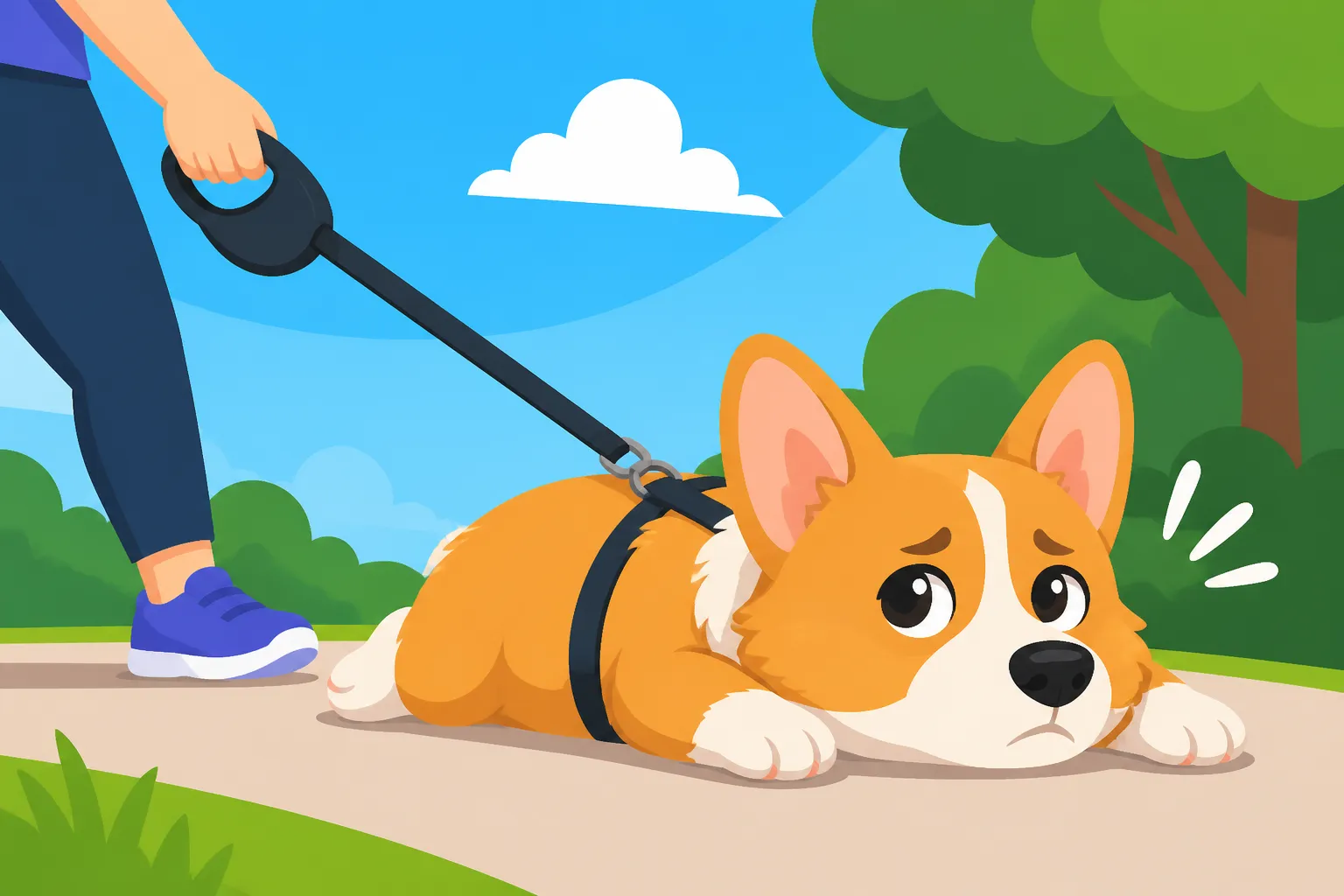
It's happened to almost every Corgi owner: you're out on a lovely walk, enjoying the fresh air, and suddenly your stout little companion slams on the brakes. One moment they're trotting along, and the next, they're a furry, four-legged immovable object, staring off into the distance or simply refusing to budge. It’s incredibly frustrating, and you’re left wondering if your leash has suddenly rooted itself to the pavement. This comprehensive guide will explore the many reasons why your Corgi might refuse to move on a walk and offer realistic, empathetic strategies to get them back on track, and prevent future standstills.
Decoding the Corgi Walk-Strike: Why Your Low Rider Puts on the Brakes
Before you start questioning your Corgi's intelligence or your own training skills, it's crucial to understand that a "walk-strike" isn't usually born of malice. Corgis, with their strong personalities and independent herding instincts, can have very specific reasons for deciding a walk is over, or that a particular direction is a no-go. It’s like they have their own internal GPS, and sometimes, it just decides to reroute—or completely shut down.
Overwhelm and Sensory Overload: Too Much Too Soon
Imagine being a Corgi, just inches off the ground, experiencing the world from a completely different perspective than we do. Their noses are constantly bombarded with a symphony of smells, and their ears pick up sounds we might not even notice. For a Corgi, especially a younger one or one not fully socialized to bustling environments, a walk can quickly become too much. A busy park with kids screaming, bicycles whizzing by, other dogs barking, or even just the sheer volume of new scents can overload their senses.
When a Corgi feels overwhelmed, their instinct might be to freeze. It's a natural "fight, flight, or freeze" response, and for many Corgis, freezing in place feels like the safest option. They might hunker down, try to make themselves smaller, or simply refuse to take another step. They're not being stubborn; they're genuinely stressed. You might notice their ears flattening slightly, their tail tucking, or them trying to lean into your legs for comfort. Recognizing these subtle cues can help you understand that it's not defiance, but distress, driving their refusal to move. It’s important to remember that these little herders can be surprisingly sensitive beneath their brave exterior.
Pain or Discomfort: A Silent Plea
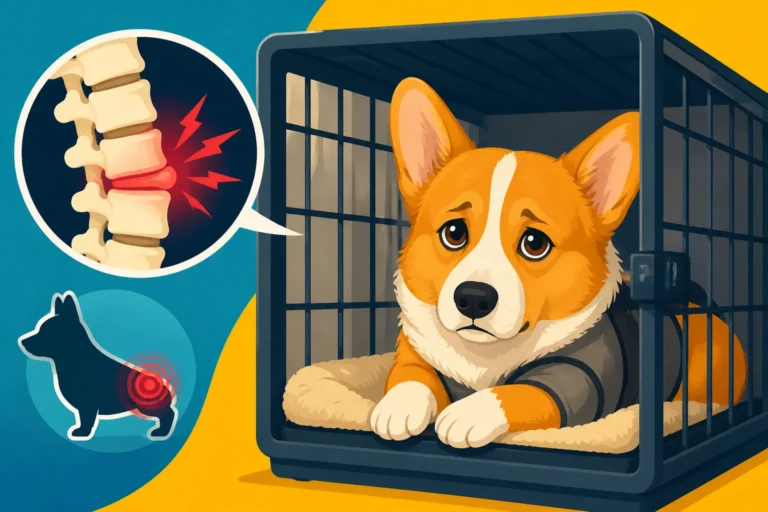
This is one of the most critical reasons to consider when your Corgi suddenly stops on a walk. Corgis are known for their long backs and short legs, which, while adorable, make them predisposed to certain spinal issues like Intervertebral Disc Disease (IVDD). A sudden refusal to move, especially if accompanied by a tense posture, reluctance to be touched, or even a subtle shift in how they carry themselves, could signal pain. They can't tell you in words that their back hurts, or that a paw is sore, so stopping might be their only way to communicate discomfort.
Beyond spinal issues, consider other sources of pain. Could they have stepped on something sharp? Is a nail too long, causing pressure? Do they have a stone caught between their paw pads? Even seemingly minor irritations can cause a Corgi to protest a walk. Sometimes, the pain might not be acute but chronic, like early arthritis. An older Corgi might simply be tired or find certain terrains uncomfortable. Always rule out physical discomfort first. A quick check of their paws, a gentle run of your hands over their back and legs, and observing their gait before and after the stop can give you vital clues. Don’t ignore a sudden change in behavior, as it could be their only way of saying, "I hurt." It's a stark reminder that even a short-legged dog can face Disc Disease in a Long-Backed Corgi, and their low stature makes certain injuries more likely.
Simple Stubbornness or "Nope, Not Today"
Alright, we've covered the important stuff, but let's be real: Corgis are notoriously independent and can absolutely be stubborn. They were bred to make their own decisions in the pasture, driving cattle by nipping at their heels, so a little bit of "I know best" is hardwired into them. If your Corgi stops dead in their tracks, looks at you with a defiant gleam in their eye, and nothing seems to be physically wrong, you might be dealing with a classic case of Corgi "sass."
They might have decided they're done with the walk, or they simply don't want to go in the direction you're heading. Perhaps there's a particularly enticing smell they want to investigate further, and you're pulling them away too soon. This isn't usually born of malice, but rather a strong will and a desire to control their environment. They're the original strong-willed, independent contractors of the dog world! Sometimes, they just decide their walk is done, and your plans are irrelevant. This is where you really see Training a Corgi That Makes Its Own Decisions come into play.
Fear, Anxiety, or an Unpleasant Association
Sometimes, a walk-strike isn't about physical pain or stubbornness, but about a deeper emotional response. Your Corgi might have developed a fear or anxiety related to something on the walk route. Maybe they had a startling encounter with a loud truck, a large dog, or an unfamiliar person at a specific spot. Dogs are incredibly good at associating places with experiences. If that association is negative, they might refuse to proceed past that point.
Anxiety can also stem from more generalized sources. Some Corgis can be prone to separation anxiety, and even short walks away from home might cause them distress. They might become fearful if they feel too far from their familiar territory. It's also possible they're reacting to a new stimulus that you haven't noticed, like a new construction sound down the street, or a specific type of landscaping they find unsettling. Watch your Corgi's body language closely. Are their ears back? Is their tail tucked low? Are they panting or lip-licking excessively? These are all signs of anxiety. Understanding the emotional root of their standstill is key to helping them overcome it.
Practical Maneuvers to Get Your Corgi Moving (Without a Tug-of-War)
When your Corgi decides to anchor themselves to the spot, it’s easy to get frustrated and resort to pulling. But a tug-of-war is rarely effective and can actually damage your Corgi's delicate neck and back, not to mention your bond. Instead, let's explore some gentler, more effective strategies.
Re-Engaging Their Attention: Treats, Toys, and Enthusiasm
The first thing to try when your Corgi becomes a furry statue is to break their focus on whatever has stopped them. High-value treats are often a Corgi's best friend, and yours too, in this situation. Pull out something truly irresistible – not just their regular kibble, but a piece of cooked chicken, cheese, or a smear of peanut butter on a spoon. Hold it just in front of their nose and entice them forward with enthusiastic, cheerful vocalizations. You want to make moving forward seem like the most exciting prospect in the world.
Sometimes, a favorite toy can do the trick, especially if your Corgi has a strong play drive. A squeaky ball or a tug toy might be enough to divert their attention and get their legs moving. The key is to make you more interesting than whatever has caused the standstill. If they move even one step, offer immediate praise and a treat. Remember that Short Bursts of Training a Corgi Will Take so don't expect them to go a mile in one go. Celebrate every tiny step forward. You can find excellent high-value treats and portable treat pouches on platforms like Amazon, making it easy to always have a motivational reward on hand.
Changing the Scenery: A New Path, a New Pace
If your Corgi is clearly stressed or simply refusing a particular direction, sometimes the best solution is to pivot—literally. If you're trying to go left and they're digging in their heels, try turning right. A change in direction, even a slight one, can sometimes break their focus and encourage them to move. It's like resetting the navigation system. This is particularly effective if they're associating a specific spot with something negative.
You might also consider changing your pace or even the type of walk. If you've been meandering, try picking up the pace with a brisk, purposeful walk. If you've been rushing, slow down and allow for more sniffing opportunities. Corgis are scent hounds at heart, and sometimes they just need more time to process the olfactory landscape. Taking them on a new route entirely for a few days might also help to break negative associations with a previous path. Exploring new neighborhoods or different parks can refresh their interest and provide novel stimuli that overcome their reluctance.
The Gentle Nudge: When to Assist, When to Wait
There's a fine line between gently encouraging your Corgi and dragging them. If your Corgi is perfectly healthy and just being stubborn, sometimes a gentle, consistent pressure on the leash, paired with cheerful encouragement, is all that's needed. Don't yank or pull harshly; instead, apply light, steady tension and wait. Often, once they realize you're not giving in and there's nothing scary, they'll grudgingly take a step. The moment they do, release the pressure and reward.
For smaller Corgis or those who might legitimately be overwhelmed, you might consider carefully scooping them up and carrying them past the "trouble spot." This is a last resort and should only be done if you are absolutely sure it won't cause them further stress or pain. Always lift a Corgi by supporting their chest and hindquarters simultaneously to protect their back. Once you're past the intimidating area, set them down and try to continue the walk in a more neutral zone. This strategy also works for puppies who might tire quickly or get overwhelmed. The key is to observe your Corgi and understand whether they need patient waiting, a cheerful bribe, or a helping hand.
| Cause of Walk-Strike | Immediate Action | Long-Term Strategy |
|---|---|---|
| Overwhelm/Fear | Change direction, offer high-value treat, carry past | Gradual desensitization, shorter walks, positive reinforcement in new environments |
| Pain/Discomfort | Check paws, body for injury; consult vet immediately | Regular vet check-ups, appropriate supplements, proper diet to maintain healthy weight |
| Stubbornness | Entice with high-value treat/toy, playful encouragement | Consistent training, varied walks, mental stimulation |
| Unpleasant Association | Change route, divert attention, make new route exciting | Positive reinforcement on neutral routes, gradually reintroduce old routes with treats |
Long-Term Strategies to Prevent Future Walk-Strikes
Dealing with a Corgi who refuses to move on a walk is one thing, but preventing it from happening regularly is quite another. It requires consistency, patience, and a deep understanding of your Corgi's unique needs and personality.
Mastering Leash Manners and Foundation Training
A well-trained Corgi with solid leash manners is less likely to stop dead in their tracks. This comes down to consistent training from puppyhood. Teach a "let's go" cue or a "follow me" command with positive reinforcement. Practice walking on a loose leash in various environments. A Corgi that understands that walking nicely gets them rewards (treats, praise, opportunities to sniff) is more likely to cooperate.
Using a front-clip harness can also be incredibly helpful. It discourages pulling by redirecting their momentum sideways, and gives you more gentle control without putting pressure on their sensitive neck or spine. Brands like Ruffwear or Easy Walk offer excellent options that are often available on Amazon. Beyond equipment, consider enrolling in a good online training program. Services like BAXTER & Bella offer comprehensive puppy and dog training courses that can help you establish clear communication and reliable leash manners, which are crucial for a strong-willed breed like a Corgi. Consistent training helps your Corgi see you as a reliable leader, rather than just a suggestion box.
Varying Your Corgi's Exercise Routine
Sometimes, a Corgi refusing to move is simply bored with the same old route or isn't getting enough mental stimulation. Corgis are intelligent working dogs, and a monotonous walk around the block might not cut it. They need a job, even if that job is just sniffing out new smells or engaging in a bit of "urban herding" with you. The Job a Corgi Needs Instead of Herding You is about finding productive outlets for their energy and intellect.
Mix up your walks! Explore different parks, nature trails, or even urban environments. Incorporate sniff walks where you allow your Corgi ample time to investigate interesting smells. Play games like "find it" with treats hidden in grass, or short bursts of fetch during your walk. Consider activities like Scentwork as a Sport That Spares a Corgi's Back as an excellent way to provide mental enrichment without overtaxing their joints. A Corgi that is mentally engaged and physically stimulated in varied ways is a happier, more cooperative walking partner. Remember, Whether Walks Alone Satisfy a Corgi often depends on the quality and variety of those walks.
The Right Equipment Makes All the Difference
Having the correct gear can significantly impact your Corgi's comfort and willingness to walk. As mentioned, a well-fitting harness is paramount. Avoid collars that put pressure on their trachea, especially if they're prone to pulling or suddenly stopping. A good harness, particularly a front-clip one, distributes pressure more evenly and gives you better control. Make sure it doesn't chafe or restrict their movement.
For longer walks or if you’re concerned about their back, consider a leash with some give, or even a hands-free leash that clips around your waist, allowing you to react quickly without jarring their body. If you live somewhere with extreme weather, proper paw protection (like dog booties) can prevent discomfort from hot pavement, ice, or salt. Furthermore, if your Corgi tends to get easily distracted, a longer training leash or long line can give them more freedom to explore in a safe, open area, while still allowing you to guide them. You can find a vast array of high-quality harnesses, leashes, and paw protection accessories through retailers like Amazon, ensuring you have the right tools for a comfortable and cooperative walk.
Disclaimer
This article is for general informational purposes only and does not constitute professional advice. Laws, prices and regulations vary by location and change over time. Consult a qualified professional for guidance on your specific situation.