Whether a Corgi Should Meet a Newborn
Bringing a newborn home is one of life's most exciting, yet nerve-wracking, milestones. For Corgi parents, a huge part of that transition involves wondering how your often vocal and always vigilant furry family member will adapt to a tiny, helpless human. It's completely understandable to feel anxious about this, especially with a breed renowned for their strong personalities and herding instincts. This guide will walk you through thoughtful preparations and gentle introduction strategies to help ensure a harmonious household for your Corgi and your new baby.
Preparing Your Corgi Before Baby Arrives
The key to a successful introduction is often in the preparation, long before the baby even makes their grand entrance. Think of it as a pre-game warm-up for your Corgi, getting them accustomed to the idea of change and the specific sights, sounds, and smells that will soon permeate your home. This proactive approach helps mitigate potential stress and reinforces good habits.
Gradual Changes to Routine and Environment
Your Corgi thrives on routine, just like many herding breeds. Any sudden, drastic shifts can be unsettling. Start making small, subtle adjustments to their daily schedule weeks or even months before the baby's due date. If you anticipate that walk times will change, begin shifting them now. If your Corgi currently has free rein of the house but will need boundaries later, introduce those boundaries gradually. Set up baby gates in doorways (you can find a wide variety on Amazon that are secure and easy to install) to block off certain rooms, or designate a "Corgi-free" zone, like the nursery, that they can only enter with permission and supervision.
Introduce new baby items one by one. Bring in the crib, the changing table, the stroller, and let your Corgi investigate them under your supervision. Don't let them chew on or claim these items as their own. The goal is for these new objects to become part of the furniture, losing their novelty long before the baby arrives. If you plan for your Corgi to no longer sleep in your bed, start that transition now, moving their bed into a designated spot. The less change they experience concurrent with the baby's arrival, the better they will cope.
Desensitization to Baby Sights, Sounds, and Smells
Corgis are highly alert and sensitive to their environment, making them excellent watchdogs, but also potentially reactive to new stimuli. You can help them adjust by gradually exposing them to baby-related experiences. Play recordings of baby sounds – crying, cooing, babbling – at a low volume initially, then slowly increase it over time. Reward your Corgi for calm behavior while these sounds are playing. This helps them associate positive experiences with these noises.
Introduce baby smells too. Start using baby lotion or powder on yourself, or even on a doll, so your Corgi can get used to these new scents being part of their human pack. When you get actual baby items like blankets or clothes, let your Corgi sniff them from a distance before bringing them closer. This isn't about letting them roughhouse with baby things, but rather letting their powerful noses gather information in a controlled way. The more familiar these stimuli become, the less likely they are to cause alarm or overexcitement when the real baby arrives.
Reinforcing Basic Obedience and Impulse Control
Now is the absolute best time to brush up on your Corgi's obedience skills. Focus on commands like "sit," "stay," "down," "leave it," and a solid "come." A well-trained Corgi is a much safer Corgi around a newborn. Practice these commands in distracting environments, simulating the chaos a baby can bring. If your Corgi tends to jump up on people, work diligently to break this habit now, as jumping on a person holding a baby is a serious hazard.
Impulse control is paramount. Teach your Corgi to wait patiently, especially before getting food or going through doors. This "wait" command will be invaluable when you're juggling a baby and need your Corgi to calmly allow you to pass. Consider enrolling in an online obedience course, such as those offered by BAXTER & Bella, which can provide structured training modules focusing on these essential skills. Remember, your Corgi's natural The Cattle-Driving Nip a Corgi Still Has means they need clear boundaries and consistent guidance, especially when new, small "herd members" enter the picture.
The First Introduction: A Gentle Approach
The moment the baby comes home is critical. Emotions are high, and your Corgi will undoubtedly pick up on the excitement and new energy. A calm, controlled, and well-thought-out introduction can set the stage for a positive relationship.
Keeping the First Meeting Calm and Controlled
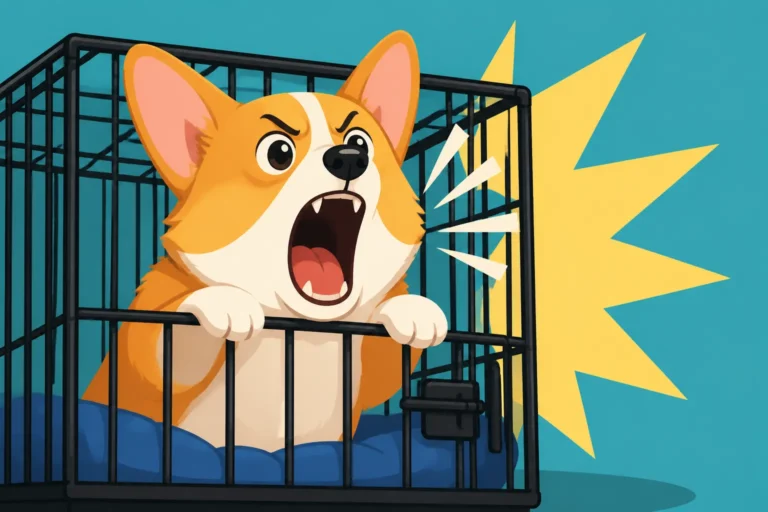
Before the baby even enters the house, have a plan. Ideally, one parent can go into the house first, greet the Corgi calmly, and allow them to burn off some initial excitement. Then, when the parent with the baby arrives, the Corgi should be on a leash, in a sit-stay, or in a designated safe area like a crate or behind a baby gate. Do not punish your Corgi for showing curiosity, but do ensure their interactions are controlled.
Let your Corgi observe from a distance first. Allow them to smell a baby blanket or hat that the baby has worn before bringing the baby close. This allows them to process the new scent without the overwhelming visual of a moving, squirming infant. When you do bring the baby closer, keep interactions brief and positive. Talk in a calm, reassuring voice. Shower your Corgi with praise and treats for calm behavior. Remember, a Corgi that A Corgi That Nips Running Children might be overwhelmed by the movement of a new baby, so vigilance is key.
Managing Corgi Excitement and Herding Instincts
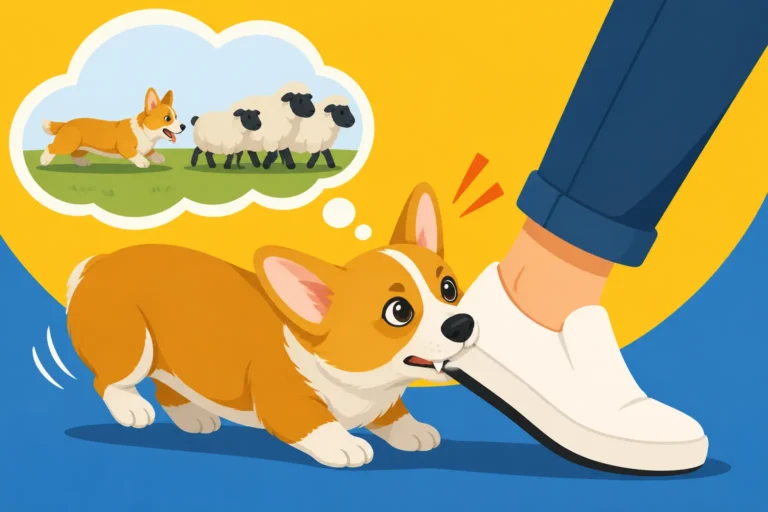
Corgis have a strong herding drive, which can manifest as nipping at heels, circling, or trying to "gather" small, moving objects – and yes, this can include a crawling baby. It's crucial to understand that this isn't aggression; it's instinct. During the initial introductions and throughout the baby's first year, you need to be constantly aware of this potential. Never leave your Corgi unsupervised with the baby, not even for a second.
If your Corgi starts to show signs of overexcitement, such as nudging, circling, or even a soft nip, calmly redirect their attention. Engage them with a favorite toy or a quick obedience command, rewarding them for compliance. Teach them a "place" command, so they have a designated spot to go to and relax when things get too busy. This is about teaching them appropriate ways to interact, or not interact, rather than suppressing their natural drives entirely. Redirecting a Corgi Off Ankles is a skill you'll want to perfect.
Supervised Interactions and Safe Spaces
Every interaction between your Corgi and the baby, especially in the early days, must be closely supervised. This means you are actively engaged, not simply in the same room. Use a leash for closer proximity if your Corgi struggles with impulse control, or keep a physical barrier between them. Baby gates or a playpen for the baby can become invaluable tools for creating safe, separate spaces. You can find robust options for both on Amazon, which can truly save your sanity.
It's equally important to ensure your Corgi has a safe, quiet space of their own where they can retreat from the new chaos. This might be their crate, a bed in a quieter room, or a corner of the living room that is exclusively theirs and where the baby is not allowed. This helps prevent them from becoming overwhelmed or feeling displaced. A Corgi needs to know they still have their own territory and isn't being completely pushed aside for the new arrival. For more on creating harmonious multi-species homes, check out A Corgi in a House Full of Children and Animals.
Living Together: Ongoing Management and Training
The introduction is just the beginning. The real work of integrating your Corgi into a baby-filled home is an ongoing process of consistent management, training, and ensuring both your dog and your child feel secure and loved.
Establishing Boundaries and Consistent Rules
From day one, maintain clear and consistent rules for your Corgi regarding the baby. This means no jumping on the baby, no licking the baby's face, and no unsupervised access. These rules aren't about being mean to your Corgi; they're about keeping everyone safe. Make sure all family members and regular visitors understand and enforce these rules. Inconsistency can confuse your Corgi and make it harder for them to learn what's expected.
Consider creating a "baby zone" and a "Corgi zone" within your home. For example, the nursery is strictly off-limits to the Corgi unless you are present and have invited them in. The baby's playmat might be elevated or enclosed to keep curious Corgis from getting too close without supervision. As the baby grows and becomes mobile, these boundaries become even more crucial. A Corgi who is accustomed to respecting boundaries will be less likely to try to herd or interact inappropriately with a crawling or toddling child.
Ensuring Your Corgi Still Gets Attention and Enrichment
One of the biggest pitfalls when a new baby arrives is that the Corgi can suddenly feel neglected. Their walks might shorten, playtime might dwindle, and cuddles might become rare. This can lead to behavioral issues born out of boredom, frustration, or a cry for attention. Make a conscious effort to ensure your Corgi still receives quality one-on-one time and mental and physical enrichment.
Even short training sessions (5-10 minutes) a few times a day can make a huge difference. Engage their clever minds with puzzle toys or scent games. Utilize your Corgi's natural desire to work by providing The Job a Corgi Needs Instead of Herding You through structured activities. A good long walk, even with the baby in a stroller, can be a great way to bond. If you're struggling to find time, enlist the help of a trusted family member or dog walker. A happy, well-exercised Corgi is far more likely to be a calm and accepting family member.
Addressing Nipping or Herding Behaviors Towards the Baby
Despite your best efforts, your Corgi's inherent The Cattle-Driving Nip a Corgi Still Has might emerge as the baby begins to crawl and walk. It's vital to address any nipping or herding behaviors immediately, calmly, and consistently. Never use harsh punishment, as this can lead to fear or aggression. Instead, focus on interruption and redirection.
If your Corgi nips at the baby's heels, a firm "no," a quick redirection to a toy, or immediately separating them with a baby gate are appropriate responses. Enroll in refresher obedience classes or consult with a professional dog trainer experienced in family dog integration. They can offer tailored strategies for your specific Corgi. Remember, your Corgi isn't being "bad" on purpose; they are acting on instinct. It's your job to guide them and teach them alternative, acceptable behaviors. For specific guidance on managing interactions with children, you might want to review Whether a Corgi Should Play With Small Children.
It's a lot to manage, but with patience and proactive steps, your Corgi and your new baby can become the best of friends, or at the very least, coexist peacefully.
| Aspect of Integration | Before Baby Arrives | During Introduction | Ongoing Life with Baby |
|---|---|---|---|
| Routine & Environment | Gradually shift Corgi's schedule; introduce baby items; set up baby gates/zones. | Calm greeting by one parent first; Corgi on leash/behind barrier for initial view. | Consistent rules for Corgi-free zones; Corgi's personal space respected. |
| Sights, Sounds, Smells | Play baby crying/cooing sounds; use baby lotions/powders; let Corgi sniff baby blankets. | Allow Corgi to sniff baby items before meeting baby. | Continue positive associations with baby items and sounds; supervise all interactions closely. |
| Training & Impulse Control | Reinforce "sit," "stay," "leave it," "wait"; practice not jumping; consider BAXTER & Bella. | Leashed observation; praise for calm behavior; redirect excitement. | Daily short training sessions; use puzzle toys; immediately redirect nipping/herding with "no" or separation. |
| Attention & Enrichment | Maintain regular walks and playtime. | Ensure Corgi still gets attention from one parent while the other cares for baby. | Schedule dedicated one-on-one time; utilize puzzle toys; enlist help for walks/play if needed. |
| Safety Measures | Install baby gates (e.g., from Amazon); establish Corgi-free areas. | Never leave Corgi and baby unsupervised; keep interactions brief and controlled. | Constant supervision; use barriers (gates, playpen); teach Corgi to "place" or "go to bed" for calm separation. |
Disclaimer
This article is for general informational purposes only and does not constitute professional advice. Laws, prices and regulations vary by location and change over time. Consult a qualified professional for guidance on your specific situation.