Where the Corgi Heel Nip Comes From
That distinctive Corgi heel nip, the one that makes you jump and wonder if your ankle just became a sheep, is a common frustration for many Corgi owners. It feels like it comes out of nowhere, especially when they're zipping around with boundless energy. This guide will walk you through exactly where this strong herding instinct comes from, why your Corgi feels compelled to "herd" you, and most importantly, how to gently and effectively redirect this natural behavior into more appropriate outlets.
The Ancient Roots of the Corgi's Herding Instinct
When you see your little Corgi darting around, bumping your heels, it's easy to forget that these adorable, low-riders were once serious working dogs. Their entire lineage is built around a job, and that job required a very specific set of behaviors – many of which we see today, even in our beloved pets. Understanding this history is crucial to truly grasping why they do what they do.
The Ancient Droving Dogs of Wales
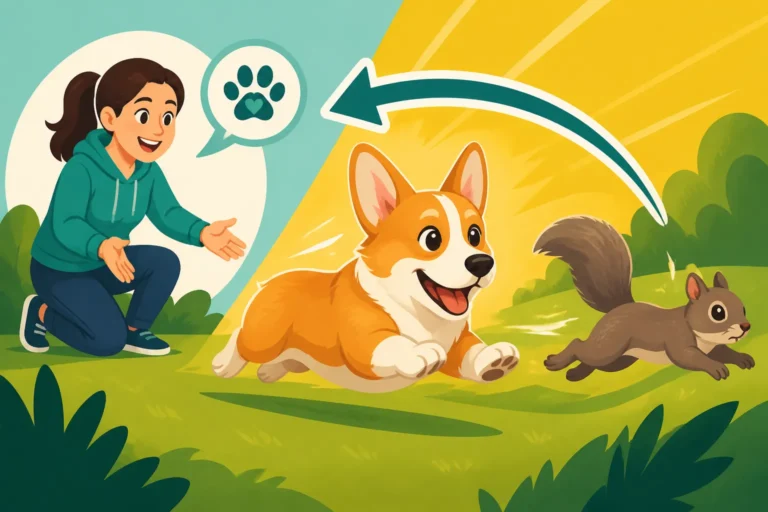
Imagine the rolling hills of Wales, long before paved roads and motor vehicles. Farmers needed help moving cattle from pasture to market, often over long distances. Enter the Corgi. These dogs, particularly the Pembroke Welsh Corgi and the Cardigan Welsh Corgi, were essential companions to drovers. They weren't just pretty faces; they were integral to the farm's livelihood. Their job was to gather, push, and steer much larger, stubborn animals. This wasn't a job for the faint of heart, or for a dog that barked politely from a distance. It required direct, assertive action, and sometimes, a little nip. For more on their working background, check out The Cattle Dog Behind the Corgi.
These ancestral Corgis had to be incredibly agile and brave. They worked underneath the cattle, avoiding hooves and horns, using their low stature to their advantage. They needed to anticipate movements, read animal behavior, and apply pressure where it was most effective. This often meant a quick, sharp nip to the heels or hocks of a cow that was straying from the group or refusing to move. It wasn't meant to injure, but to startle and direct. This instinct is so deeply ingrained that even generations later, your Corgi carries that ancient programming in their DNA.
Breeding for Low Stature and Quick Movement
The Corgi's unique physical build isn't just for charm; it's a testament to their working purpose. Their long bodies and short legs were specifically bred to make them highly effective cattle dogs. A taller dog would be in constant danger of being kicked or trampled, but a Corgi could duck and weave under the livestock, staying out of harm's way while still getting the job done. This characteristic has been selected for over centuries, solidifying their conformation as ideal herding machines.
This low-to-the-ground design also contributes to their incredible acceleration and ability to turn on a dime. When a Corgi "herds" you, they're not just running; they're often employing quick bursts of speed, sudden changes in direction, and those characteristic low-to-the-ground scampers that allow them to get right into the action. It's exhilarating for them, a primal satisfaction that echoes their ancestors' success in the fields. These physical traits, combined with their sharp minds, made them indispensable to the Welsh drovers.
The Evolution of a Working Style
The specific "heel nip" isn't a random act; it's a highly refined herding technique. Imagine a cow deciding it wants to bolt from the herd. A Corgi couldn't physically push it back, nor could a loud bark always get its attention in a noisy field. A quick, decisive nip to the heel was a clear, unmistakable command: "Move where I want you to go, now!" This action, while startling, rarely caused serious injury to the tough hide of a cow, but it was incredibly effective at eliciting the desired response.
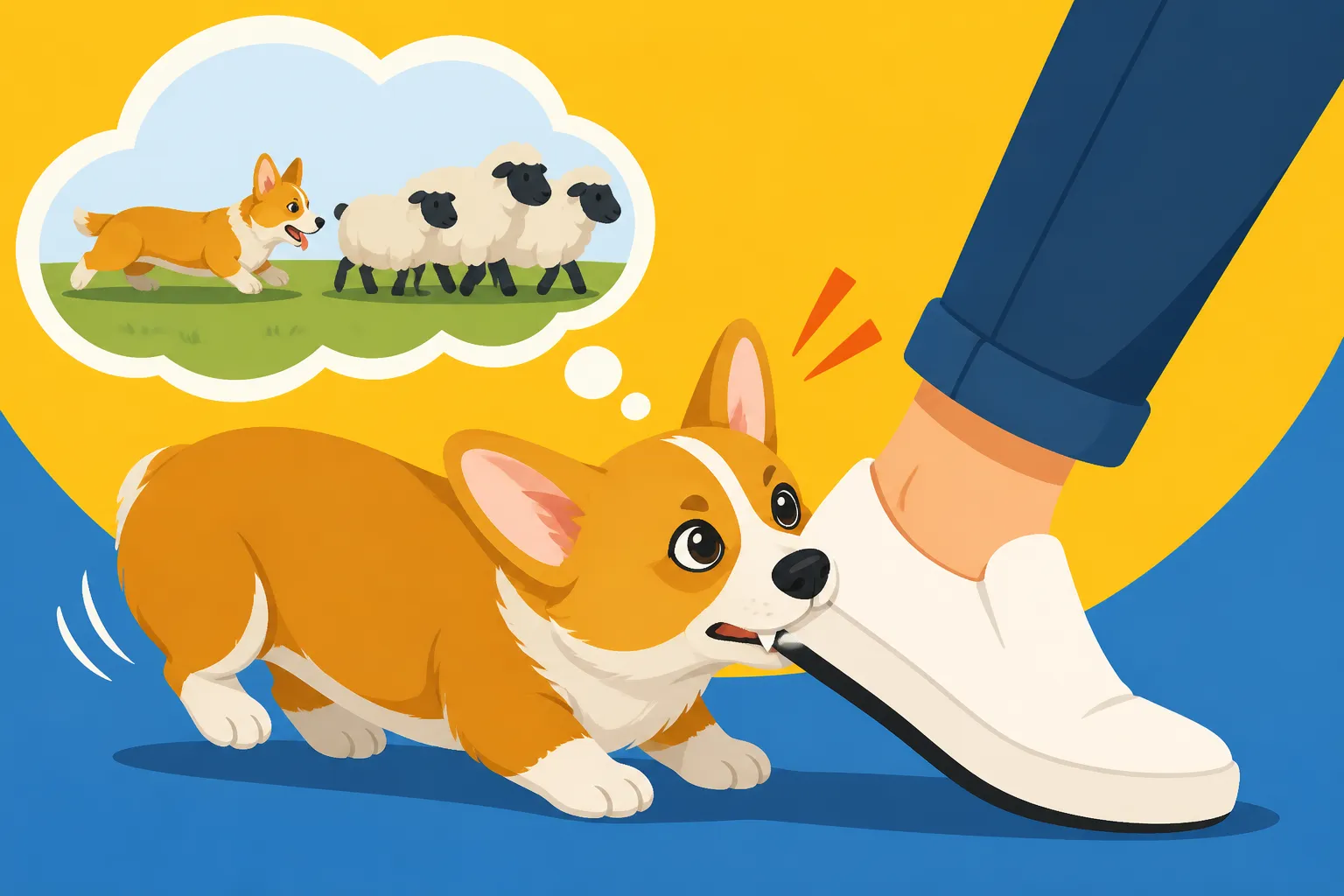
This ingrained instinct manifests in modern Corgis as the impulse to gather and direct anything that moves away from them too quickly. Children, other pets, even you when you walk across the room too fast – these can all become "livestock" in the Corgi's mind. They see movement, and their brains light up with the ancient command: herd. It’s not malicious; it's just pure, unadulterated instinct shining through. This is The Cattle-Driving Nip a Corgi Still Has, and it's a strong one.
Understanding the Nipping Behavior in Your Home
So, your Corgi isn't actually trying to hurt you when they nip your heels; they're trying to communicate, direct, and fulfill an ancient calling. However, that doesn't make it any less startling or, let's be honest, sometimes painful! Understanding the nuances of this behavior will help you respond appropriately and with the empathy your Corgi deserves.
Instinct vs. Aggression
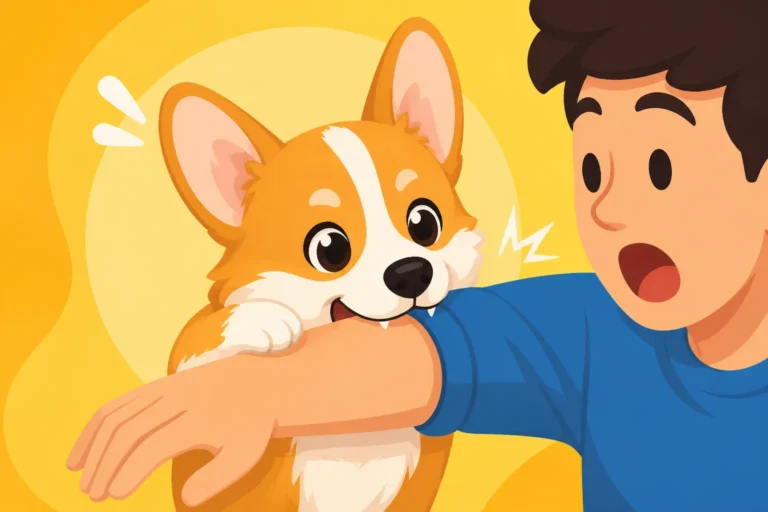
It’s crucial to distinguish between a herding nip and true aggression. A herding nip is typically a quick, sharp grab-and-release, often directed at the lower legs or ankles. The dog's body language is usually playful, excited, or focused, not tense, stiff, or growling. Their tail might be wagging, their ears up, and their overall demeanor indicates an excited desire to interact and direct. It’s their way of saying, "Hey! Go this way! Or stop moving so fast!" It’s rarely accompanied by genuine malice. For a deeper dive, read Why a Corgi Nips Rather Than Bites.
True aggression, on the other hand, involves a different set of signals. This might include growling, baring teeth, a stiff body posture, direct prolonged eye contact, or snapping with sustained pressure rather than a quick release. If you ever suspect your Corgi’s behavior is moving beyond instinctual herding into genuine aggression, that's a different issue altogether and warrants immediate professional attention. But for most Corgi heel nippers, it's their heritage, not hostility, driving the action.
Triggers and Scenarios
Knowing what sets off the heel-nipping can help you anticipate and manage it. The most common trigger is movement, especially fast or erratic movement. Think about children running and playing, or someone jogging across the yard. Your Corgi sees this as a flock breaking formation, and their instinct kicks in to gather them back up. The quick movements of feet, whether walking, running, or even dancing, can be irresistible.
Here are some common scenarios where the nip might occur:
- Children running: This is a classic trigger. Kids move quickly, often erratically, and are at the perfect height for a Corgi to perceive as wayward "livestock." A Corgi That Nips Running Children is a very real concern for many families.
- Someone walking away quickly: If you stride purposefully across a room, your Corgi might see it as an invitation to "herd" you to your destination, or perhaps to keep you from straying too far.
- Playtime excitement: During a game of fetch or chase, their excitement can boil over, leading to nipping as they try to control the flow of the game.
- Arrivals and departures: The flurry of activity when someone comes home or leaves can amp up their herding drive.
- Stimulating environments: A bustling park or a busy street might trigger their instinct to keep their "pack" (you!) together amidst all the chaos.
Recognizing these patterns helps you understand your Corgi's perspective and gives you a chance to intervene before the nip happens.
Communication Through Nips
Think of the nip as a Corgi's way of communicating. They’re not using words, so they use the tools they were bred with. A quick nip might mean: "Slow down!" "Stay with the group!" "Pay attention to me!" or even, "Let's play!" It's a physical way of exerting influence, born from centuries of successfully guiding livestock without causing harm.
It’s essential for us, as their humans, to teach them alternative ways to communicate and to understand that humans don't appreciate being herded quite like sheep or cows do. Ignoring the underlying instinct isn't fair to the dog; instead, we need to respect their nature while guiding them towards behaviors that fit into our modern lives. They are trying to tell you something, and it’s up to us to listen and respond with appropriate training and management.
Differentiating Nipping from Biting
While the heel nip is often instinctual and not aggressive, it's vital to understand the difference between a harmless (though annoying) nip and a genuine bite. This distinction isn't just academic; it's critical for safety and for deciding the right course of action.
Intensity and Intent
A true herding nip is usually characterized by a lower intensity. It’s a brief, startling pressure, often with an open mouth but not a crushing grip. The Corgi's intent is to redirect movement, not to cause injury. It's often accompanied by a "boing" action, where they spring in, make contact, and bounce away quickly, ready for the next "herding" opportunity. The dog's focus is on the movement of the person, rather than on causing pain or defending themselves.
A bite, on the other hand, typically involves greater pressure, sustained contact, and a clear intent to inflict pain or damage. The dog might clamp down, shake their head, or hold on. The body language leading up to a bite is usually more defensive or assertive, rather than playful or excitedly focused. It’s about control through pain, not redirection through surprise. Understanding these subtle differences in intensity and intent is paramount.
Broken Skin vs. Pressure
The clearest physical indicator of the difference is whether the skin is broken. A typical herding nip, especially from a young Corgi, might leave a red mark or a bruise, but usually won't break the skin. It feels like a sharp pinch or a quick clamp. Think of it more as a canine tag game rather than an attack.
However, if your Corgi consistently breaks the skin, even with what seems like a quick nip, it's a sign that the behavior is escalating or is more forceful than a traditional herding instinct. This is where the line between a nip and a bite blurs, and it's a serious concern. While Whether a Corgi Nip Ever Breaks Skin is often "no," if it does, you need to take notice and adjust your approach immediately. A bite, by definition, penetrates the skin, whether it's a superficial scratch or a deeper wound. Any broken skin, regardless of depth, warrants immediate attention and a re-evaluation of your training methods.
Early Warning Signs
Sometimes, a nip can escalate if not addressed. Early warning signs that a herding nip might be becoming more problematic include:
- Increased frequency or intensity: If the nips are happening more often, or with greater pressure, it's a red flag.
- Lack of interruption: If your Corgi ignores your attempts to redirect or stop the behavior, it suggests they are becoming more fixated on the act.
- Other signs of discomfort: If the nipping is accompanied by growling, guarding, or general tension, it's moving beyond pure herding instinct.
- Targeting specific individuals: If only one person (e.g., a child) is being nipped, it might indicate a different behavioral issue or a breakdown in boundaries with that individual.
Catching these signs early is key. Just as you'd monitor any behavioral change in your dog, keep an eye on how the nipping evolves. Addressing these early warnings can prevent more serious biting incidents down the line.
| Behavior Type | Common Intent | Intensity | Skin Broken? | Typical Body Language | Appropriate Response |
|---|---|---|---|---|---|
| Herding Nip | Redirect, gather, play | Low-medium pressure | Rarely | Excited, focused, wiggly, quick movements | Redirection, management, appropriate outlets |
| Play Bite | Interact, explore (puppies) | Low-medium pressure | Sometimes, accidental | Loose, bouncy, playful bow | Teach bite inhibition, redirect to toys |
| Aggressive Bite | Threaten, defend, cause harm | High pressure, sustained | Yes | Stiff, growling, snarling, direct stare | Immediate professional behaviorist, safety protocols |
Addressing the Heel Nip at Home with Training and Management
Now that we understand the 'why,' let's talk about the 'how.' Managing and redirecting the Corgi heel nip requires a combination of smart management, consistent positive reinforcement, and providing appropriate outlets for that powerful herding drive. It's not about punishing the instinct, but about shaping it.
Management Strategies to Prevent Nips
The first line of defense is always prevention. If your Corgi can't nip your heels, they won't. This doesn't mean you stop moving, but it means managing the environment and your interactions.
- Leash Management Indoors: For persistent heel nippers, especially puppies or new rescues, consider having them on a lightweight house line or leash (under supervision, never left unattended) when you're moving around. If they start to nip, a gentle pull on the leash can interrupt the behavior without being punitive, giving you time to redirect them to an appropriate toy. You can find excellent long lines and indoor tethers on sites like Amazon.
- Physical Barriers: Baby gates are your best friend. If your Corgi tends to nip when you're busy in the kitchen or moving between rooms, a gate can provide a safe space for them to observe without being able to participate in the "herding."
- Avoidance and Movement Control: If you know what triggers the nip (e.g., running children), try to minimize those situations initially. Teach family members, especially kids, to walk calmly and predictably around the Corgi. You might also want to explore Teaching Children Not to Run From a Corgi. If you must move quickly, grab a toy first and toss it ahead of you to redirect their attention.
- Distraction and Redirection: Keep appropriate chew toys or squeaky balls handy. The moment you see your Corgi winding up for a nip, distract them with a toss of a toy or a quick game of "find it." This shifts their focus from your ankles to an acceptable target.
Positive Reinforcement Training for Alternative Behaviors
Punishing a Corgi for an instinctual behavior is rarely effective and can damage your bond. Instead, focus on teaching them what you do want them to do. Positive reinforcement makes them want to engage in the desired behavior.
- "Go to Mat/Place": Teach your Corgi to go to a designated mat or bed when people are moving around. Reward heavily when they stay there calmly. This gives them a clear alternative to nipping. Start with short durations and gradually increase the time they spend on their mat.
- "Leave It": This command is invaluable. Practice it with various distractions. When your Corgi goes for your heels, a firm "Leave It" can interrupt the action, followed by immediate redirection to a toy and praise for engaging with the toy.
- "Target Training": Teach your Corgi to target your hand, a stick, or a specific toy instead of your feet. This can be as simple as holding out your hand (with a treat in it) and saying "Touch," rewarding them when their nose touches your palm. This diverts their focus upwards, away from your ankles.
- Reward Calmness: Actively seek out and reward moments when your Corgi is calm and not nipping, especially when there's movement. A quiet "good dog" and a small treat for lying calmly while you walk past reinforces that this is the behavior you desire. Consistency is key here.
Providing Appropriate Outlets for Herding Drive
You can't eliminate a Corgi's herding drive, but you can channel it into productive and enjoyable activities. This is where they get to be a Corgi without actually nipping you!
- Herding Toys: Get toys specifically designed for herding breeds, like sturdy balls that they can push and chase, or flirt poles that simulate prey movement. Teaching a Corgi to Herd a Ball Instead is a fantastic way to redirect that energy. Large exercise balls (like stability balls, often found on Amazon) can be wonderful for Corgis to "herd" around a yard.
- Scent Work and Puzzle Toys: These activities engage your Corgi's mind and satisfy their desire to "work" without needing to chase or nip. Hiding treats around the house, using snuffle mats, or feeding meals from puzzle toys can keep them mentally stimulated and tire them out in a healthy way.
- Structured Play: Engage in games that encourage appropriate chasing and mouth use, such as tug-of-war (with clear rules about dropping the toy), or fetch. Always redirect any nipping towards you onto the toy.
- Consider Canine Sports: If your Corgi has a strong drive, exploring actual herding instinct tests (if available and safe for their back) or other sports like agility (with careful consideration for Whether Agility Is Safe for a Corgi's Spine) or even Treibball (a sport where dogs herd large exercise balls) can be incredibly fulfilling for them. Online courses, like those offered by BAXTER & Bella, often include modules on channeling drive and managing unwanted behaviors, providing structured guidance from home.
- "The Job a Corgi Needs Instead of Herding You": Think about what kind of "job" your Corgi could do for you. Perhaps retrieving specific toys, carrying a lightweight pack on walks, or even just being your enthusiastic co-pilot on errands. Giving them a sense of purpose can significantly reduce their need to create their own "job" (like herding your heels).
When to Seek Professional Help
While many Corgi owners can successfully manage heel nipping with consistent training and management, there are times when it's wise to call in a professional. Don't feel like a failure if you reach this point; sometimes, an outside perspective and specialized expertise are exactly what's needed.
Persistent or Escalating Behavior
If you've been consistent with your training, used management strategies, and provided ample outlets for your Corgi's instincts, but the nipping persists, escalates in intensity, or moves beyond a quick nip to actual broken skin, it's time to get help. This is particularly true if the behavior is causing fear or injury to children or other household members.
A Corgi who is consistently ignoring your redirection, becoming more difficult to interrupt, or showing any signs of resource guarding (e.g., guarding you from other family members by nipping them) needs a professional assessment. These are signals that the behavior is more deeply ingrained or has an underlying cause that you might not be addressing effectively on your own. For these complex situations, a qualified professional can provide a tailored plan.
The Role of a Certified Professional Dog Trainer
A certified professional dog trainer (CPDT-KA or similar certification) can be an invaluable resource. They can observe your Corgi's behavior in your home environment, identify specific triggers you might have missed, and help you refine your training techniques. They often have a deep understanding of breed-specific behaviors, like the Corgi's herding drive, and can offer creative solutions.
A good trainer will focus on positive reinforcement methods, teach you how to communicate more effectively with your Corgi, and help you implement a consistent training plan. They can guide you through teaching advanced obedience cues like a reliable "stay" or "settle," which are crucial for managing an energetic Corgi. Many trainers also offer online consultations, which can be a flexible way to get expert advice, and resources like BAXTER & Bella can provide a solid foundation of online training programs to work through before or in conjunction with a professional.
Considering a Veterinary Behaviorist
In rare cases, if the nipping is accompanied by other concerning behaviors, or if it seems to stem from anxiety, fear, or other complex emotional issues, a veterinary behaviorist might be the most appropriate professional. These individuals are veterinarians with specialized training in animal behavior, meaning they can diagnose and treat behavioral problems from both a medical and behavioral perspective.
A veterinary behaviorist can rule out any underlying medical conditions that might be contributing to the behavior and can even prescribe medication if necessary to help manage anxiety or reactivity while you work on behavior modification. They work closely with owners to develop comprehensive treatment plans that address all facets of the issue. While most heel nipping cases won't require this level of intervention, it's an important option to be aware of if the situation becomes severe or unmanageable through traditional training methods. Remember, your Corgi relies on you to understand their needs and provide them with the right support.
Disclaimer
This article is for general informational purposes only and does not constitute professional advice. Laws, prices and regulations vary by location and change over time. Consult a qualified professional for guidance on your specific situation.