Why a Corgi Nips Rather Than Bites
Oh, the infamous Corgi nip! It's a common complaint I hear from Corgi parents, especially those new to the breed, and it can be incredibly frustrating. You're just walking across the kitchen, minding your own business, and nip! Your ankles become prime targets. It's not usually malicious, but it sure can smart. This guide is here to shed some light on why your charming, fluffy friend has this particular quirk and, more importantly, how you can gently guide them towards more polite interactions.
Understanding the Herding Instinct
To truly understand why your Corgi loves to "herd" your ankles, we have to travel back in time to their ancestral roots. These aren't just cute, squat dogs; they're working dogs, bred for a very specific and demanding job. Their instincts run deep, and that little nip is a direct link to their heritage.
A Legacy of Cattle Driving
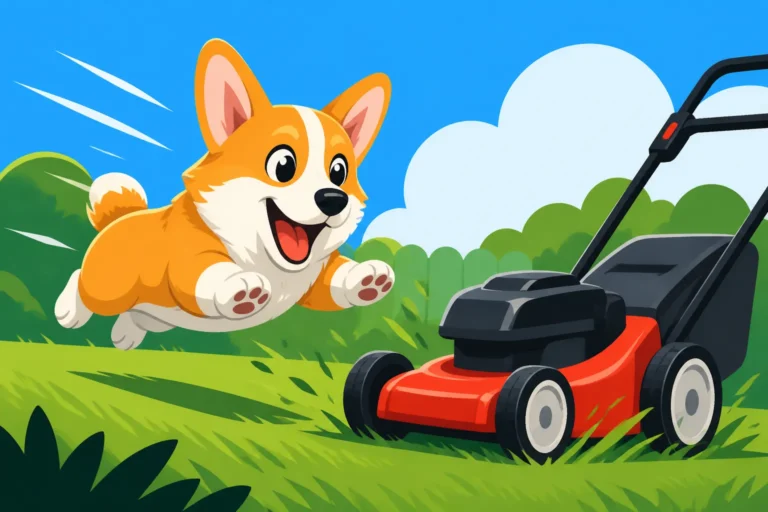
Imagine vast, open fields in Wales, with cattle much larger than a Corgi. How did these small dogs manage such immense animals? By targeting their heels. The Corgi's low stature was a huge advantage, allowing them to dart under the hooves, nip at the cattle's heels to get them moving, and then quickly duck out of the way before receiving a retaliatory kick. This "heel-nipping" was a highly effective and necessary part of their job. They weren't trying to injure the cattle; they were simply guiding them, using pressure and quick movements.
This behavior is hardwired into their DNA. Even though your Corgi may never see a cow in their life, that instinct to gather, guide, and move things by applying a little pressure to the lower extremities remains. It's not aggression; it's a remnant of their original purpose, a historical echo in their daily behavior. When your Corgi nips at your heels or the back of your legs, they're not trying to hurt you; they're trying to move you, to herd you, often because they perceive you as out of place or simply because they want to direct you. You'll find a lot more about their history in The Cattle Dog Behind the Corgi.
The Instinct to Gather and Control
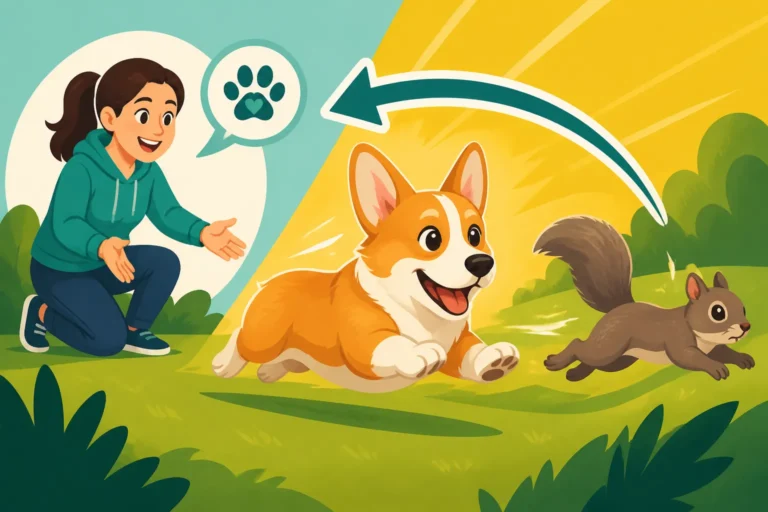
Beyond just moving cattle, Corgis also possess a strong instinct to gather and control. This means they often feel compelled to keep their "flock" – which now includes their human family members, other pets, and even toys – in a perceived order or location. If you're walking away from them, or if a child is running, your Corgi might see this as a disruption to the flock's cohesion. The nip becomes their way of saying, "Hey! Stay together! This way!" or "Stop moving so erratically!"
This instinct can be particularly prominent when there's a lot of activity in the house. Children running, people moving quickly, or even just general hustle and bustle can trigger this deep-seated desire to organize and control. They're not being naughty; they're simply acting on instincts that have been honed over centuries. It's a fundamental part of The Cattle-Driving Nip a Corgi Still Has. It's crucial for owners to remember this isn't defiance, but rather an innate drive that needs appropriate redirection and understanding.
Distinguishing Nips from Bites
It's easy for new Corgi owners to panic when their dog nips, wondering if they have an aggressive dog on their hands. However, there's a significant difference between a typical Corgi nip and an actual bite, and understanding this distinction is key to appropriate management and training.
Defining a Corgi Nip
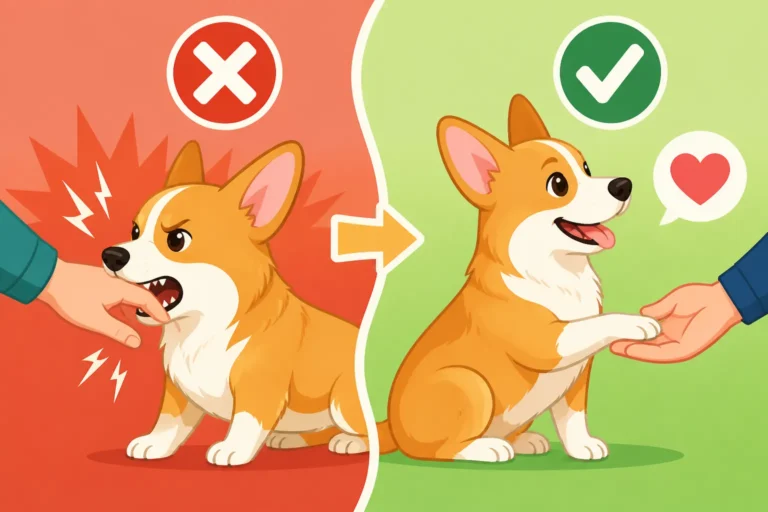
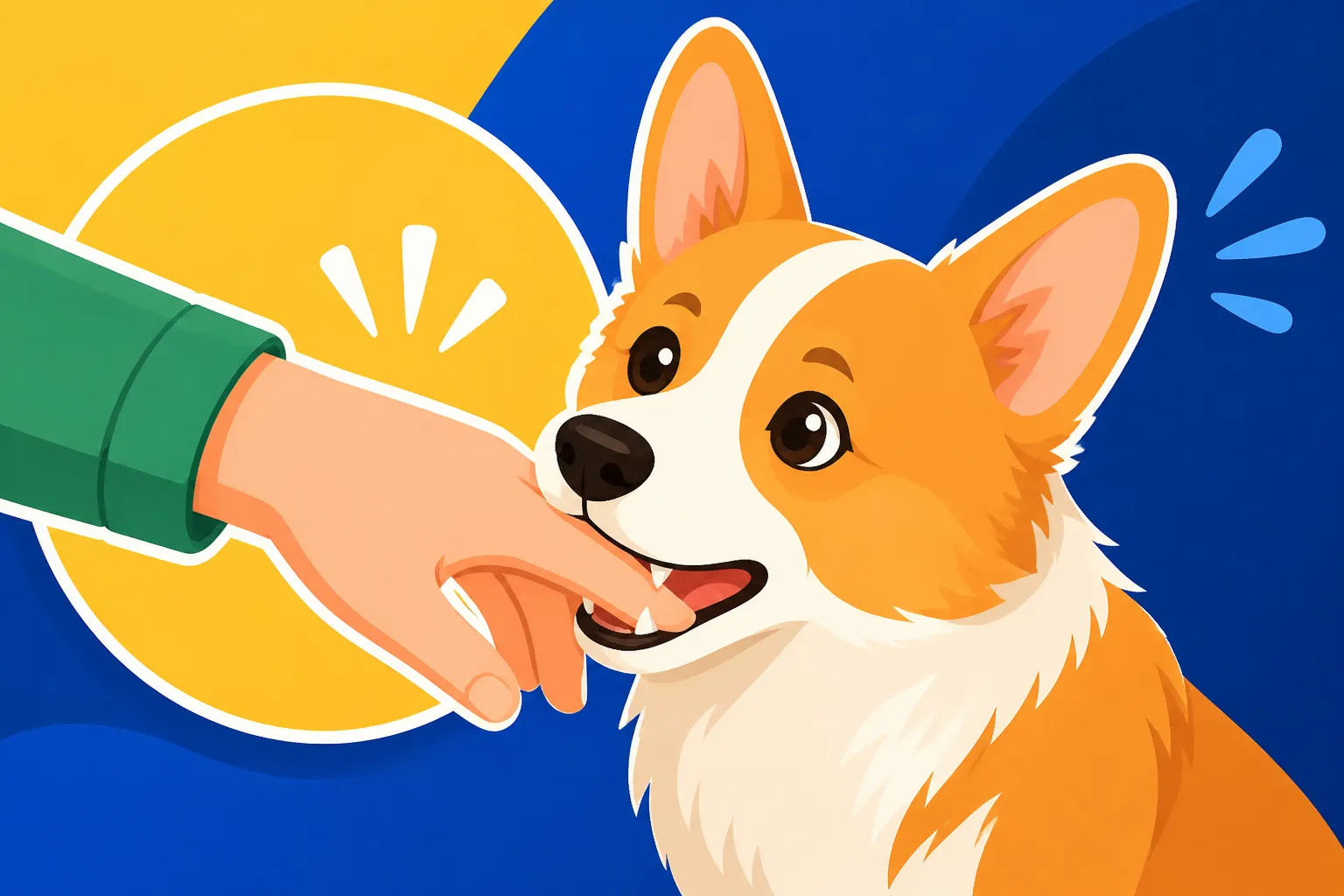
A Corgi nip is generally characterized by a quick, sharp grab with the front teeth, often at ankles, calves, or occasionally hands during play. It's usually accompanied by little to no skin breaking, though it can certainly leave a red mark or a bruise, especially if your skin is delicate. It's a communication, a momentary pressure, rather than an attempt to cause serious injury. Think of it as a physical nudge, a tactile command inherited from their herding days.
The key aspects of a nip include its swiftness, its lack of sustained pressure, and the absence of tearing or deep puncture wounds. Often, the Corgi's body language will remain relatively loose and playful, even if their mouth is being a bit forward. They might do a little "play bow" afterward, or their tail might be wagging. This is their way of saying, "I'm still playing, but I'm trying to tell you something!"
When a Nip Escalates to a Bite
While Corgi nips are usually benign, any mouthy behavior can escalate if not addressed properly. A true bite, in contrast to a nip, involves sustained pressure, deeper penetration of the skin, and often a shaking or tearing motion. The intent is different; a bite is typically driven by fear, pain, possessiveness, or genuine aggression, rather than a herding instinct. The body language leading up to a bite will also be very different from a playful nip.
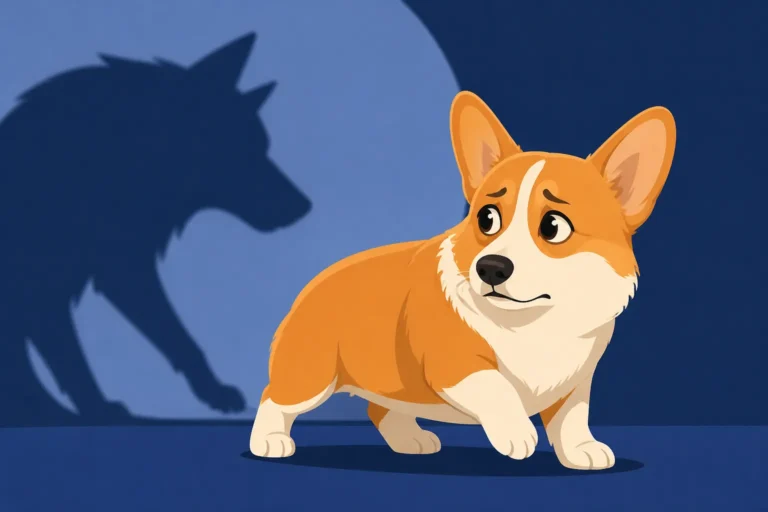
A Corgi exhibiting genuine bite-level aggression might display stiff body language, growling, snarling, raised hackles, a tucked tail (fear), or a rigid, forward posture (dominance/aggression). If your Corgi is breaking skin consistently, causing puncture wounds, or showing any of these aggressive behaviors, it's vital to seek professional help from a certified dog trainer or veterinary behaviorist immediately. This table helps distinguish the two:
| Feature | Corgi Nip | Corgi Bite |
|---|---|---|
| Intent | Herding, communication, play, guiding | Fear, pain, aggression, resource guarding, serious warning |
| Pressure | Quick, light to moderate; momentary | Sustained, crushing; often tearing or ripping |
| Skin Damage | Red mark, bruise, light scratch; rarely breaks skin | Puncture wounds, lacerations, significant skin breakage |
| Body Language | Often loose, playful, wagging tail, bouncy | Stiff, rigid, growling, snarling, raised hackles, tucked tail |
| Sound | Sometimes a playful bark or grumble | Deep growl, snarl, sharp, aggressive bark |
| Response | Easily interrupted, dog redirects to another activity | Dog may re-engage, difficult to interrupt, may pursue |
If you're dealing with a Corgi that nips running children, it's particularly important to understand this distinction.
Managing the Nipping Behavior
Dealing with a nippy Corgi requires consistency, patience, and redirection. It's about teaching them an alternative, more appropriate way to express their instincts and communicate their desires. Remember, they're not being malicious, they're just doing what their genetics tell them to do.
Redirection and Positive Reinforcement
The most effective way to manage nipping is to redirect the behavior onto acceptable outlets. The moment your Corgi's mouth goes towards your ankles or hands, let out a high-pitched "ouch!" or "yip!" and immediately remove yourself from the situation (even if it's just stepping behind a baby gate for 10-20 seconds). This teaches them that mouthing humans ends the fun. Once they're calm, re-engage and immediately offer an appropriate chew toy. Praise them enthusiastically when they chew the toy instead of you.
Consistency is absolutely crucial here. Everyone in the household needs to respond the same way every single time. Have a variety of exciting, durable chew toys available, perhaps even some filled with treats that they can work on. Toys from retailers like Amazon, such as KONGs or durable Nylabones, can be fantastic for this. Puzzle toys also engage their minds, which can tire them out just as effectively as physical exercise, reducing the urge to nip out of boredom or excess energy. Remember, you're not punishing them, you're simply teaching them that nipping doesn't get them what they want (attention, play, movement) and that appropriate chewing does. Consider also exploring online training programs like those offered by BAXTER & Bella, which can provide structured guidance on managing puppy nipping and other behaviors.
Creating a Safe Environment
Sometimes, prevention is the best medicine. If you know certain situations trigger your Corgi's nipping—like visitors arriving, children running around, or simply you moving quickly—try to manage the environment. Have a designated "safe space" for your Corgi, like a crate or a playpen, where they can go when things get too exciting or overwhelming. Give them a special chew toy or a treat-filled KONG in this space to make it a positive experience.
Using baby gates can also be a lifesaver, allowing you to physically separate yourself from your Corgi if the nipping becomes too intense or if you need a break. This isn't a punishment; it's managing the environment to prevent the undesired behavior from occurring. For instance, if you're cooking and know your Corgi will be underfoot and nippy, put them in a penned-off area with a long-lasting chew. For guidance on getting them off your ankles, check out Redirecting a Corgi Off Ankles. It's about setting them up for success, not just reacting when they fail.
Training for a Calm Corgi
Beyond simply managing the nipping, actively training your Corgi can help build their impulse control and provide them with constructive outlets for their intelligence and energy. A well-trained Corgi is often a calmer, less nippy Corgi.
Consistent Training and Boundaries
Corgis are intelligent, but they can also be notoriously independent and, dare I say, a little stubborn. This means short, frequent, and engaging training sessions are far more effective than long, drawn-out ones. Work on basic obedience commands like "sit," "stay," and "down" using positive reinforcement. These commands help build impulse control, which directly translates to less nipping. If your Corgi learns to "sit" and wait patiently for a reward, they're less likely to lunge and nip.
Consider investing in an online training program like BAXTER & Bella. They often provide step-by-step instructions that are great for Corgi owners who need help with consistency and structured learning. The key is to be consistent with your expectations and boundaries. If sometimes nipping is allowed and sometimes it's not, your Corgi will be confused. Every interaction is a training opportunity. Regularly reinforce desired behaviors with treats and praise, making it clear that gentle interactions earn positive attention. They might argue with you a bit, as noted in The Age a Corgi Decides It Knows Better, but persistence pays off.
Appropriate Outlets for Energy
Remember, a tired Corgi is a good Corgi! These dogs were bred to work, and while they might be small, they have surprising energy levels and keen minds. Simply letting them out in the yard isn't enough. They need mental and physical stimulation to prevent boredom and excess energy from manifesting as nipping or other undesirable behaviors. Daily walks, playtime with appropriate toys, and engaging their minds are critical.
Think about activities that mimic their natural instincts in a safe way. Instead of herding your ankles, teach them to "herd" a large, soft ball in the yard. Enroll in beginner obedience classes or even explore dog sports like scent work, which is fantastic for Corgis because it engages their powerful noses and minds without putting undue stress on their backs. Fetch, tug-of-war (with rules), and interactive feeder toys found on Amazon are excellent ways to burn off both physical and mental energy. The more fulfilled and stimulated your Corgi is, the less likely they are to resort to nipping out of boredom or pent-up energy. For more ideas on constructive activities, look into Teaching a Corgi to Herd a Ball Instead.
Disclaimer
This article is for general informational purposes only and does not constitute professional advice. Laws, prices and regulations vary by location and change over time. Consult a qualified professional for guidance on your specific situation.