Retraining a Rescued Corgi
Bringing a rescued Corgi into your home is a truly heartwarming experience, but let's be honest, it often comes with a unique set of challenges. These wonderful, quirky dogs might arrive with an unknown history, bringing behaviors that leave you scratching your head, or anxieties that tug at your heartstrings. This comprehensive guide is here to walk you through understanding, supporting, and lovingly retraining your rescued Corgi, helping them blossom into a confident, cherished member of your family.
Understanding the Rescued Corgi's Past and Present
When you bring a rescue Corgi home, it’s easy to focus on the immediate joy, but it’s crucial to remember that they've had a life before you, and that life might have been quite different from what you imagine. Their past experiences, whether positive or negative, shape who they are today and how they react to their new environment. Taking the time to consider their journey is the first step in successful retraining.
The Baggage They Might Carry
Imagine being uprooted, possibly multiple times, or coming from an environment where comfort and consistency were scarce. Many rescued Corgis have faced abandonment, neglect, or simply haven't had consistent training. They might have lived in a shelter for months, experiencing high stress levels and a lack of individual attention. This can manifest in various ways: fear of new people or situations, resource guarding over food or toys, or even just a general uncertainty about where they stand in their new pack. They might have learned coping mechanisms that aren't ideal for a family home, like excessive barking as a way to relieve stress or command attention.
Even Corgis from seemingly good situations, like a foster home, can struggle with transition. They bond deeply and then must re-adjust to a new home, new rules, and new people. This can lead to anxiety, regression in house training, or a reluctance to engage. It's not a reflection on you or your home; it's simply a natural response to significant change. Patience and empathy are your greatest tools here, understanding that their "baggage" isn't malicious, but often a cry for security and understanding.
Reading Your New Corgi's Body Language
Corgis are expressive dogs, but sometimes their signals can be subtle, especially if they're trying to hide discomfort or fear. Learning to read their body language is paramount in retraining a rescued Corgi, as it helps you understand what they're trying to tell you before a behavior escalates. A tucked tail, flattened ears, wide eyes (showing the whites), lip licking, yawning, or turning their head away can all be signs of stress or discomfort. They might also freeze, become rigid, or try to make themselves smaller.
On the flip side, a relaxed Corgi will have loose body posture, soft eyes, a gently wagging tail (or happy wiggles for our bobtailed friends), and an open mouth. Understanding these cues allows you to intervene before a situation becomes overwhelming for your Corgi. If you see signs of stress, you can remove them from the situation, give them space, or redirect their attention positively. Being attuned to their non-verbal communication builds trust and helps you tailor your training approach to their emotional state.
Creating a Foundation of Trust and Security
Before you can even think about formal training commands, your rescued Corgi needs to feel safe, loved, and secure in their new home. Think of it as building a stable house; you can't put up the roof before you've laid a strong foundation. This initial period of adjustment is critical and sets the stage for all future learning and bonding.
The Importance of a Safe Space
Every rescued Corgi, regardless of their past, benefits immensely from having their own designated safe space within your home. This isn't a place for punishment, but a sanctuary where they can retreat when they feel overwhelmed, tired, or just need some alone time. A comfy crate, an orthopedic dog bed in a quiet corner, or even a section of a room gated off can serve this purpose. Cover the crate with a blanket to create a den-like feel, making it cozy and private. Provide soft bedding, a favorite chew toy, and fresh water.
Teach your Corgi that this space is theirs and always positive. Never force them into it, and never bother them when they're inside. Encourage them to use it with treats and praise. This safe haven can be particularly helpful during busy times, when guests visit, or when you need to leave the house. Knowing they have a predictable, calm retreat helps reduce anxiety and fosters a sense of security, which is absolutely essential for a dog learning to trust their new surroundings.
Establishing Predictable Routines
Dogs thrive on routine and predictability, and this is doubly true for rescued Corgis who may have experienced chaos or inconsistency. Establishing a clear, consistent daily schedule from day one can significantly reduce anxiety and help your Corgi understand what to expect. This includes consistent feeding times, potty breaks, walks, playtime, and bedtime. For example, waking up at the same time each day, going out for a potty break, having breakfast, followed by a walk, can create a sense of order.
A consistent routine helps your Corgi anticipate events, which can be incredibly comforting. They learn when to expect food, when they'll go outside, and when they'll have dedicated attention from you. This predictability builds confidence and helps them feel secure in their new environment. It also helps with house training and managing arousal levels throughout the day. A rescued Corgi might test boundaries or seem "stubborn" initially, but a solid routine acts as a gentle, reassuring framework for their new life.
Addressing Common Behavioral Challenges
Rescued Corgis, like any dog, can present a variety of behavioral challenges. The key is to remember that these behaviors often stem from past experiences, fear, or a lack of understanding, rather than defiance. Approaching these issues with patience, consistency, and positive reinforcement is crucial for success.
Tackling Fear, Anxiety, and Reactivity
Fear and anxiety are incredibly common in rescued dogs, especially if their past involved negative experiences. This might manifest as shyness, hiding, trembling, or even "reactivity" – barking, lunging, or growling at perceived threats like other dogs, strangers, or even unfamiliar objects. It's heartbreaking to see, and it can be frustrating to manage, but it's important to understand that your Corgi isn't being aggressive; they're scared and trying to make the scary thing go away.
For fear-based behaviors, the goal is always to create positive associations and gradually desensitize your Corgi to their triggers. If they're reactive to other dogs on walks, for example, start by keeping a distance where they notice the other dog but don't react, then reward them with high-value treats. Slowly, over many sessions and days, you can decrease the distance. For shy Corgis, allow them to approach new people or situations at their own pace, never forcing interactions. Teach people to ignore your Corgi initially, letting the Corgi make the first move. Resources like online training programs, such as those offered by BAXTER & Bella, can provide structured guidance for these complex behaviors.
Managing Nipping, Barking, and Resource Guarding
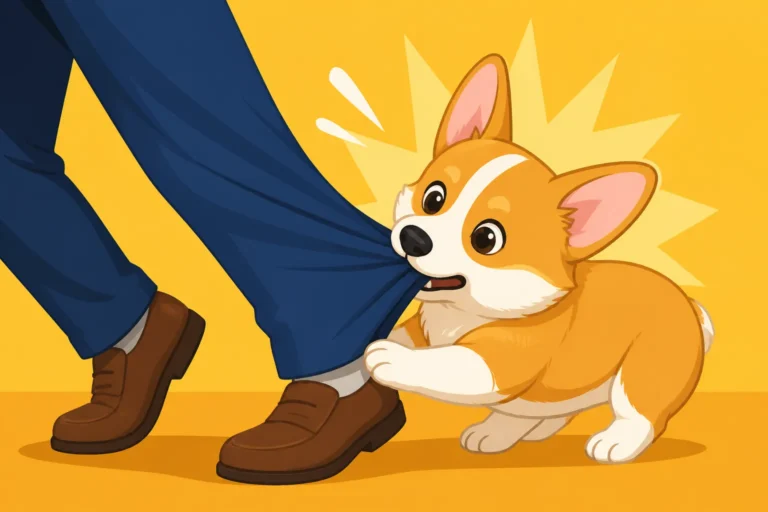
Corgis, true to their herding heritage, can be prone to certain behaviors that might seem challenging in a home environment. The famous "Corgi nip" is one such trait. They were bred to nip at the heels of cattle to move them along, and this instinct can transfer to human ankles, especially those of moving children. It's usually not aggressive, but it can certainly be startling and painful. Teaching your Corgi appropriate outlets for this herding drive, like playing with toys on a flirt pole or engaging in organized games where they "herd" a ball, can be very effective. Immediately redirecting any nipping towards an appropriate chew toy is also key. Consistency is everything when dealing with this ingrained instinct.
Excessive barking is another common Corgi characteristic. They are natural alarm barkers and can be quite vocal. While you might not eliminate barking entirely, you can manage it. Identify the triggers: is it boredom, attention-seeking, anxiety, or something outside the window? Address the root cause. Provide plenty of mental and physical exercise. Teach a "quiet" cue by rewarding silence after barking, or redirecting their attention to a puzzle toy. For resource guarding – where a Corgi becomes possessive over food, toys, or even sleeping spots – a "trade" game can be very effective. Offer a high-value treat in exchange for the guarded item, then return the item, reinforcing that good things happen when they share. Never try to force an item away, as this can escalate guarding behaviors and damage trust. Consistency, once again, is vital.
House Training and Crate Acclimation
Even if a rescued Corgi was previously house-trained, they might regress in a new environment. This is often due to stress, a change in routine, or simply not understanding the new rules. Start fresh with house training as if they were a puppy. Take them out frequently – first thing in the morning, after meals, after naps, before bed, and several times in between. Reward them immediately and enthusiastically with treats and praise when they go potty outside. Supervise them closely indoors, and if you can't supervise, use a crate or a small, confined area to prevent accidents.
Crate acclimation goes hand-in-hand with house training and is crucial for many rescued Corgis, especially those who may have had negative associations with confinement. The goal is to make the crate a positive, comfortable space, not a punishment zone. Introduce the crate gradually, leaving the door open and tossing treats inside. Feed meals in the crate. Never force them in or use it for extended periods initially. Slowly build up the time they spend in the crate, always ensuring it's a calm, safe place. A properly introduced crate can be a powerful tool for house training, managing anxiety, and providing a secure den for your Corgi. Six Weeks of Crate Rest With a Corgi offers more insights into managing confinement if it becomes medically necessary, but the principles of positive acclimation apply universally.
Positive Reinforcement and Patience: The Only Way Forward
When retraining a rescued Corgi, your approach to training methods is paramount. It’s not just about teaching commands; it’s about rebuilding trust and showing them that the world, and you, can be a safe and rewarding place.
The Power of Reward-Based Training
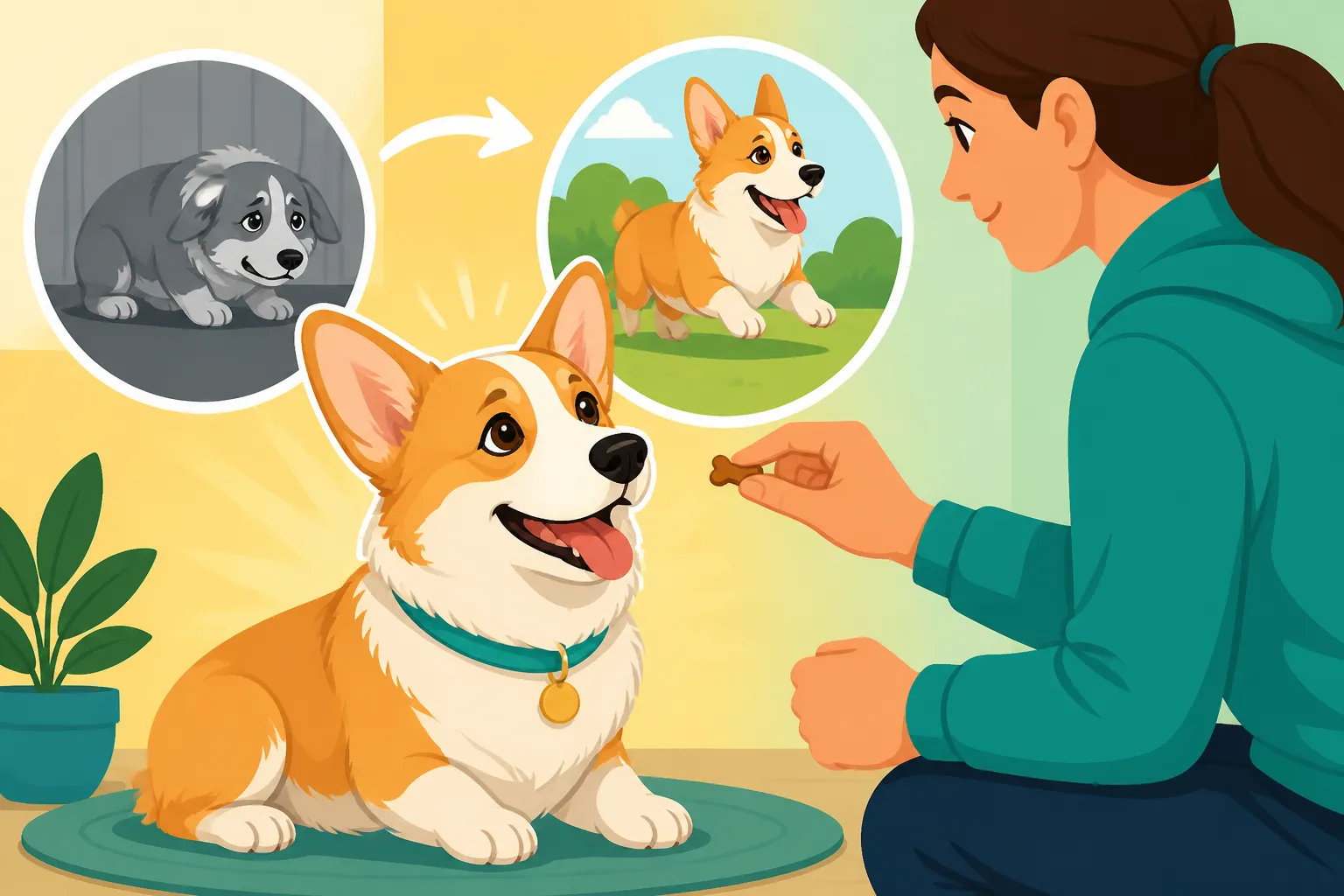
Positive reinforcement is not just a training method; it's a philosophy that centers on rewarding desired behaviors rather than punishing unwanted ones. For a rescued Corgi, whose past might have included harsh treatment or inconsistency, this approach is vital for building confidence and trust. When your Corgi does something you like—sits politely, refrains from barking, or walks calmly on a leash—immediately reward them with a high-value treat, enthusiastic praise, or a favorite toy. This helps them understand what you want them to do and makes them eager to repeat those behaviors.
Consistency in using rewards is key. Everyone in the household needs to be on the same page, so your Corgi receives clear signals about what behaviors earn a reward. For Corgis who can be a bit "stubborn" or make their own decisions, positive reinforcement taps into their intelligence and desire to work for something good. They learn that listening to you leads to good things, fostering a stronger bond and a happier, more cooperative companion. Remember, Short Bursts of Training a Corgi Will Take often yield the best results, as their attention spans can be surprisingly brief for formal lessons.
Setting Realistic Expectations and Celebrating Small Wins
It's easy to get frustrated when a rescued Corgi isn't picking things up as quickly as you'd hoped, or if they regress after a period of improvement. This is where realistic expectations and boundless patience come into play. Your Corgi has a past, and undoing old habits or overcoming deep-seated fears takes time – often much longer than you might anticipate. Some behaviors, particularly those rooted in fear or anxiety, may never fully disappear, but they can be managed and significantly improved.
Instead of focusing on perfection, learn to celebrate every tiny victory. Did they make eye contact when another dog passed by without reacting? That's a win! Did they go potty outside after a week of accidents? Celebrate it! Did they choose to go to their safe space instead of nipping? Fantastic! These small successes build confidence in both you and your Corgi and keep you motivated. Remember that progress isn't always linear; there will be good days and challenging days. Your unwavering patience and consistent positive approach are the most valuable gifts you can give your rescued Corgi.
Seeking Professional Guidance and Support
While many common issues can be addressed with consistent home training, some situations warrant the expertise of a professional. Knowing when to reach out for help can make all the difference in a successful transition for your rescued Corgi.
When to Call in a Trainer or Behaviorist
Sometimes, despite your best efforts, certain behaviors just don't improve, or they might even worsen. If your Corgi is exhibiting severe anxiety, aggression (beyond typical Corgi sass), separation distress that leads to destructive behavior, or if you're feeling overwhelmed and unsure how to proceed, it's definitely time to seek professional help. A certified professional dog trainer, especially one experienced with rescue dogs and their unique needs, can provide invaluable guidance. For more complex issues, like severe fear or aggression, a veterinary behaviorist may be necessary, as they can assess for underlying medical conditions that might be contributing to behavioral problems and can prescribe medication if appropriate.
When looking for a professional, ensure they use positive reinforcement methods. Avoid anyone who suggests harsh corrections, punitive tools, or techniques that rely on fear or intimidation, as these can severely damage your Corgi's trust and exacerbate existing behavioral issues. Ask about their certifications, experience with similar breeds or rescue cases, and their training philosophy. A good trainer will work with you to create a customized plan, teach you how to effectively communicate with your Corgi, and empower you to continue the training long after their sessions are over. Finding Whether a Trainer Understands a Herding Corgi can be a great starting point for your search.
Community and Resources for Rescue Corgi Owners
You are not alone on this journey! Many Corgi owners have experienced the ups and downs of retraining a rescued dog. Tapping into a supportive community can provide comfort, practical advice, and a sense of shared experience. Look for local Corgi clubs, online forums, or social media groups dedicated to Corgi rescues or Corgi training. These communities are often brimming with seasoned owners who can offer tips, share their stories, and provide encouragement during challenging times.
Beyond community support, there are numerous resources available. Reputable dog training websites, books on positive reinforcement and canine behavior, and even online courses can be incredibly helpful. Brands like BAXTER & Bella offer comprehensive online puppy and dog training programs that can be adapted for rescued Corgis, providing structure and support from the comfort of your home. Libraries are also a treasure trove of information, with books on everything from The Cattle-Driving Nip a Corgi Still Has to Corgi Barking and How Much Is Normal. Educating yourself further will equip you with more tools and strategies to help your Corgi thrive.
Here's a quick overview of some common rescue Corgi behaviors and general approaches:
| Behavior | Possible Cause (General) | Training Approach (Positive Reinforcement) |
|---|---|---|
| Fear/Shyness | Lack of socialization, negative past experiences | Gradual exposure, positive association (treats), never force interaction |
| Reactivity (barking/lunging) | Fear, anxiety, frustration, lack of confidence | Counter-conditioning, desensitization (distance training), management |
| Nipping/Mouthiness | Herding instinct, lack of bite inhibition training | Redirection to toys, "yikes" and disengage, appropriate chew outlets |
| Excessive Barking | Boredom, attention-seeking, alarm, anxiety | Identify triggers, teach "quiet," enrichment, consistent routine, reward calm |
| Resource Guarding | Insecurity, past deprivation | "Trade" game (offer better item), never challenge directly, build trust |
| House Training Accidents | Stress, new environment, inconsistent routine, lack of training | Frequent potty breaks, reward outside, crate training, supervision |
| Separation Anxiety | Past abandonment, over-attachment, insecurity | Gradual departures, desensitization, enrichment, calm departures/arrivals |
| Leash Pulling | Excitement, lack of leash manners training | Loose-leash walking practice (reward slack leash), consistent pace, harness |
Remember, retraining a rescued Corgi is a journey, not a destination. It's about patience, consistency, and building a bond based on trust and mutual respect. Embrace the quirks, celebrate the triumphs, and love the Corgi you've chosen to welcome into your heart and home.
Disclaimer
This article is for general informational purposes only and does not constitute professional advice. Laws, prices and regulations vary by location and change over time. Consult a qualified professional for guidance on your specific situation.