The Word That Stops a Corgi Mid-Chase
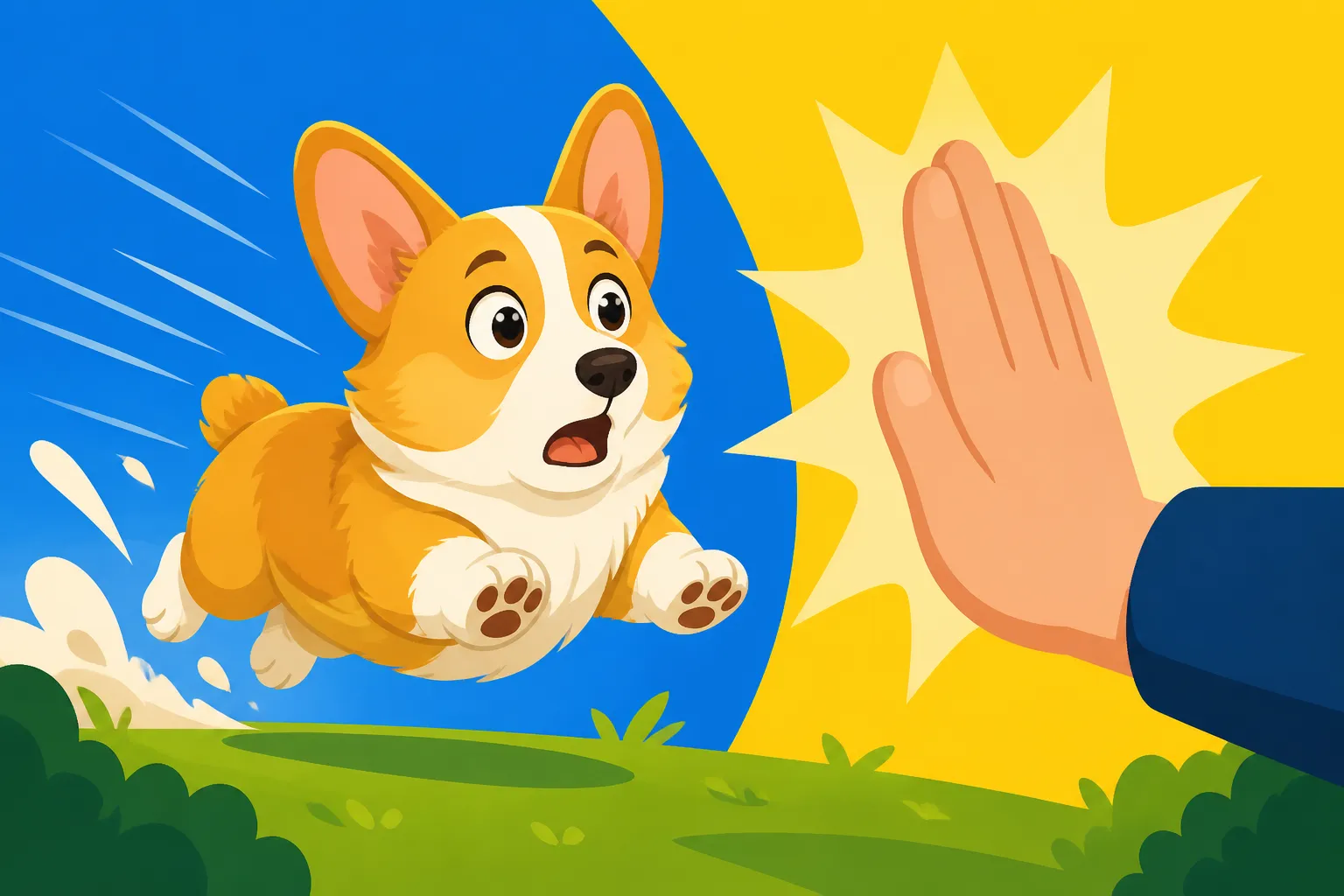
One of the most frustrating things about living with a Corgi is their uncanny ability to suddenly decide that chasing a squirrel, a leaf, or even a dust bunny in the wind is far more important than anything you could possibly say. That moment of panic when your beloved, stubby-legged friend bolts after something, seemingly deaf to your pleas, is something many Corgi owners know all too well. This guide is here to walk you through exactly how to teach your Corgi a reliable "stop" word, a cue that can cut through their herding instincts and potential distractions, bringing them safely back to you or halting them in their tracks.
Understanding the Corgi Chase Instinct
Let's be real, Corgis were bred for centuries to be independent cattle herders. They're not just cute fluffballs; they're intelligent, quick-witted working dogs with a deep-seated instinct to move things. When they spot something moving – whether it's a cyclist, a jogger, another dog, or a rabbit in the park – that ancient drive kicks in. It's not malice; it's just who they are.
The Herding Drive is Strong
Corgis are known for their strong prey drive and herding instinct. They were literally bred to dart in and nip at the heels of cattle, directing them where to go. This means that a running child, a bicycle whizzing by, or a squirrel scampering up a tree can trigger that instinct instantly. It’s hardwired into their DNA, making them want to chase, gather, or at least investigate. This isn't a behavior they "grow out of" completely; it's a part of their core being that needs management and redirection. Understanding this deep-seated urge is the first step in effectively training them. You're not fighting against bad behavior, but rather channeling a very natural, very powerful drive. For more on this, you might find The Cattle-Driving Nip a Corgi Still Has insightful.
Why They "Go Deaf" Mid-Chase
When a Corgi is in full chase mode, their focus narrows intensely. The world outside their target essentially fades away. Their ears might still be working, but their brain is prioritizing the chase. It's like us being so engrossed in a thrilling movie that we don't hear someone calling our name from the next room. This isn't them being stubborn or disobedient; it's their primal instinct taking over, flooding them with adrenaline and locking their attention onto the moving object. This extreme focus makes it incredibly difficult for a casual "come" or "no" to penetrate their concentration. That's why we need a powerful, distinct, and highly reinforced "stop" cue.
Choosing and Introducing Your "Stop" Word
Picking the right word is crucial. It needs to be something you don't use often in everyday conversation, short, sharp, and attention-grabbing. Consistency is key, so once you pick it, stick with it!
Selecting Your Unique Cue Word
Forget "come" or "stop" if you've already watered them down with inconsistent use. For a critical cue like halting a chase, you need something fresh and impactful. Think about words that are distinct and have a sharp sound. Many trainers like a two-syllable word, or even something a bit unusual. Examples could be "Halt!" "Freeze!" "Anchor!" or even "Biscuit!" (if your Corgi is food motivated, and you plan to reward heavily with treats). The goal is for this word to become a powerful, positive interrupt, not a nag. You want it to cut through distractions like a hot knife through butter. Avoid anything that sounds too much like another common command or your dog’s name.
Initial Introduction in a Low-Distraction Environment
Once you've chosen your word, the training begins in a calm, controlled environment. This is where you build the massive positive association.
- The Setup: Have your Corgi on a long line or leash in a quiet, fenced area, like your backyard. Have super high-value treats ready – think tiny pieces of cooked chicken, cheese, or hot dogs.
- The Drill:
- Say your chosen "stop" word clearly and enthusiastically.
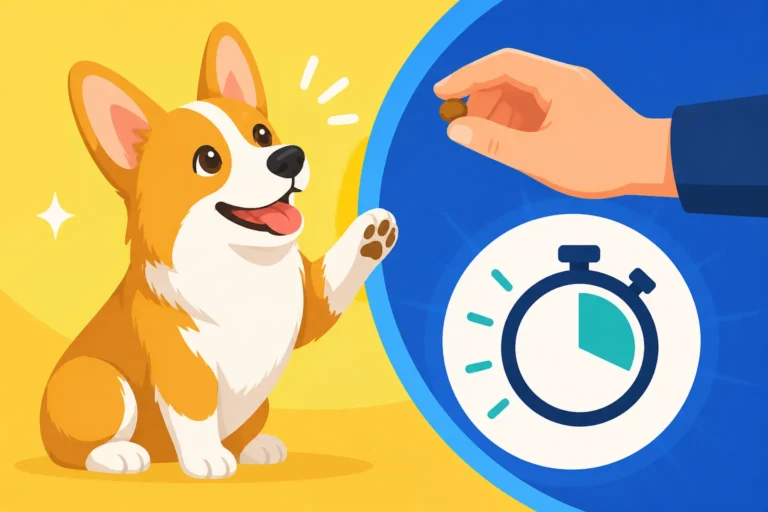
- Immediately follow it by dropping several high-value treats right at your Corgi's nose, or even toss them directly at their feet if they're moving away. The key is to make the reward instantaneous and abundant.
- Repeat this 5-10 times in a session, a few times a day.
- The Goal: Your Corgi should quickly associate the sound of the word with delicious food appearing right under their nose. They should literally stop what they're doing and look for the reward.
- Practice: During this phase, you are not testing; you are teaching. Keep it fun, fast-paced, and always positive. Think of it as building a "stop and reward" reflex. This initial stage is purely about creating that rock-solid positive connection before you even think about distractions. A training program like the one offered by BAXTER & Bella often emphasizes positive reinforcement in stages, which is exactly what you need here.
Building a Rock-Solid "Stop" Cue
Once your Corgi understands the basic association in a quiet setting, it's time to add movement and gradually introduce distractions. This is the stage where you transform the simple word into a reliable, chase-stopping command.
Adding Movement and Distance
Now, let's get your Corgi moving and then stop them.
- Leash Work: Still on a long leash, let your Corgi wander a few feet away, sniff around, or start to move in a direction.
- The Cue: As they are moving, use your "stop" word.
- Immediate Reward: The instant they pause or turn their head toward you, walk briskly to them and lavish them with praise and treats. If they don't stop, gently guide them to a halt with the leash as you say the word, then immediately reward. The leash is there for safety and guidance, not correction.
- Gradual Distance: Slowly increase the distance you are from your Corgi when you give the cue. If they are walking ahead on the long line, say "Halt!" and as they slow or look at you, sprint to them with the treats. Make it a party! The idea is that stopping means you come to them with the good stuff, not that they have to come all the way back to you. This is a subtle but important difference from a traditional "come" command.
Introducing Controlled Distractions
This is where the real work begins. You'll need to think strategically about how to slowly ramp up the distractions, always setting your Corgi up for success.
- Visual Distractions: Start with something mild. Maybe a toy rolling slowly in the distance, or a family member walking by calmly.
- Place your Corgi on a long line.
- Introduce the mild distraction.
- The moment your Corgi starts to show interest (ears perk, body tenses, not yet in full chase), say your "stop" word.
- If they stop and look at you, mega praise and jackpot treats!
- If they hesitate or ignore you, give a gentle but firm tug on the long line as you say the word again to interrupt their focus, then immediately reward.
- Auditory Distractions: A squeaky toy, a distant car horn, or someone clapping their hands softly. Follow the same steps as above.
- Movement Distractions: This is often the hardest. A slow-moving person, then a slightly faster one. A remote-control car. A person jogging very slowly across the field.
- Never put your Corgi in a situation where they are likely to fail initially. If you know a full-speed cyclist will send them into a frenzy, don't start there.
- Work in short, frequent sessions. A Corgi's attention span, especially for repetitive drills, can be short. Keep it engaging. You can read more about this in Short Bursts of Training a Corgi Will Take.
| Training Stage | Environment | Distraction Level | Goal | Reward Strategy |
|---|---|---|---|---|
| Introduction | Quiet, indoor, fenced yard | Zero | Associate word with immediate positive | Jackpot treats at nose |
| Movement & Distance | Fenced yard, long line | Low (self-generated) | Stop movement, orient to handler | Handler moves to Corgi with treats |
| Controlled Distr. | Quieter park, long line | Gradual, controlled | Stop despite mild external stimuli | High-value treats, enthusiastic praise |
| Real-World Prep. | Busy park (leashed), trails | Moderate, unexpected | Reliable stop before full chase begins | Variable rewards, praise, games |
| Proofing | Dog park (leashed), busy areas | High, varied | Instant stop, regardless of strong temptation | Ultimate rewards (favorite toy, longer play) |
Troubleshooting Common Issues
- "They only stop if they see the treat!": This means you're still relying too heavily on the visible lure. Start hiding the treat in your hand before you say the word. They should stop for the word, then you reveal the treat.
- "They ignore me completely when they see a squirrel.": This is usually a sign you've jumped to too high a distraction level too quickly. Go back a step. Practice with a less exciting "squirrel" (maybe a toy on a string held by a friend) at a greater distance. Your Corgi needs to experience success at each level before moving on.
- "My Corgi just barks at me instead.": Sometimes, a Corgi will "talk back" or offer a different behavior when confused or overstimulated. Remain calm, don't scold. Re-evaluate your setup. Are you too close to the distraction? Is the reward high enough value? If your Corgi struggles with ignoring you, Why an Independent Corgi Ignores You might offer further insights.
Reinforcing and Generalizing Your "Stop" Cue
Once your Corgi is starting to understand the "stop" word with mild distractions, it's time to make it truly bomb-proof. This means practicing in increasingly challenging environments and making the reward unpredictable but always satisfying.
Practicing in Varied Environments
Your Corgi needs to understand that "Halt!" means "Halt!" no matter where you are or what's happening around them.
- From the Backyard to the Park: Start with quiet neighborhood walks, then move to less busy parks, eventually working up to areas with more activity. Always use a long line for safety until the cue is absolutely reliable. You can find robust, long training leashes on platforms like Amazon, which are crucial for this stage.
- Different Surfaces and Scenarios: Practice on grass, pavement, dirt trails, near water. Practice when they're sniffing, when they're trotting, when they're interacting with a friend. Each new scenario is a new opportunity to solidify the command.
- Proofing with Real-Life Triggers (Safely): This means working around other dogs, people jogging, kids playing, and yes, even squirrels. Again, start at a distance where your Corgi notices the trigger but isn't instantly overwhelmed. Use your long line to prevent actual chases and ensure success. The moment they twitch or show interest, give your "stop" cue. Reward heavily if they listen. If not, a gentle but firm leash correction coupled with the cue, then reward.
The Power of Variable Reinforcement
Once your Corgi is reliably stopping, you can't just give them a treat every single time. That makes the treat predictable and less motivating. This is where variable reinforcement comes in.
- Jackpot for Success: Sometimes, they'll get a huge handful of treats and enthusiastic praise. Other times, it might be one small treat and a "good dog!"
- Surprise Rewards: Every now and then, if they do an amazing job, surprise them with their favorite toy or a short game of tug after they've stopped. This keeps them guessing and highly motivated. They never know when the really good stuff is coming, so they keep trying.
- Life Rewards: If your "stop" word prevents them from chasing something dangerous, the reward is simply continuing the walk or getting to sniff something interesting afterward. The interruption leads to something positive, not the end of fun.
- Consistency: While the type of reward can be variable, the act of acknowledging their response to the "stop" word must be 100% consistent. They should never be ignored when they respond correctly.
What to Do When They Fail (Because They Will!)
It's going to happen. Your Corgi will ignore you sometimes. Here's how to handle it:
- Stay Calm: Yelling or getting angry will only scare your Corgi and associate the "stop" word with negativity. That's the opposite of what you want.
- Interrupt and Redirect: If they're on a long line, a gentle but firm tug can often break their focus. Immediately follow with your "stop" word and then reward any momentary attention they give you.
- Re-evaluate: If your Corgi consistently fails in a particular situation, it means you've pushed too far, too fast. Go back a step or two in your training. Make the distraction less intense, or increase the distance from it. Every "failure" is a learning opportunity for you, the trainer, to adjust your approach.
- Practice Corgi Recall and the Herding Instinct: A strong recall is always a good backup, even if your primary goal is the "stop" cue. The more tools you have in your toolbox, the safer your Corgi will be.
Ultimately, teaching your Corgi a reliable "stop" word is about building trust and clear communication. It takes patience, consistency, and a deep understanding of their herding nature, but the peace of mind knowing you can halt them mid-chase is absolutely priceless.
Disclaimer
This article is for general informational purposes only and does not constitute professional advice. Laws, prices and regulations vary by location and change over time. Consult a qualified professional for guidance on your specific situation.