When a Corgi Starts Arguing at Ten Months
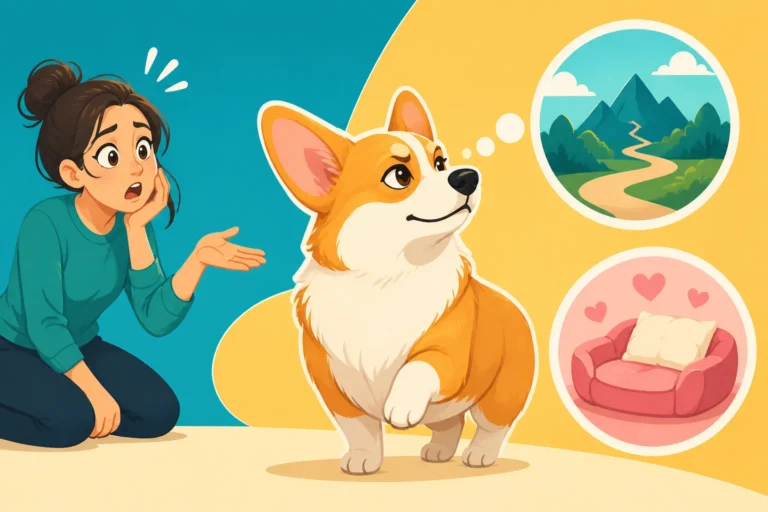
It’s a common story: you brought home an adorable Corgi puppy, sailed through puppy classes, and thought you had this whole dog ownership thing down. Then, around the ten-month mark, your sweet, attentive pup suddenly develops a stubborn streak, selective hearing, and a penchant for “talking back.” This guide is here to tell you that you're not alone in experiencing this sudden shift in your Corgi's behavior and will help you understand and navigate this challenging, yet normal, phase of canine adolescence.
Understanding Corgi Adolescence: The "Teenage" Phase
Just like human teenagers, Corgis go through a period of adolescence where they test boundaries, assert independence, and seem to "forget" all the good manners they once knew. For many Corgi owners, this phase hits hard around ten months of age, lasting well into their second year. It’s a completely normal part of their development, but it can certainly feel like your once-perfect pup has suddenly turned into a little furry rebel.
What Ten Months Really Means for a Corgi
At ten months, your Corgi is no longer a tiny puppy, but they aren't quite an adult either. Physically, they might be close to their full size and weight, but mentally and emotionally, they're in a whirlwind of changes. Hormones are surging, their brains are still developing, and they're becoming much more aware of the wider world around them. This isn't just about their body growing; it's about their mind trying to make sense of their place in your family and in the world at large.
Think of it this way: your Corgi is essentially a canine teenager. They have newfound confidence, a desire to explore limits, and sometimes, a frustrating tendency to ignore what you say because, well, they just know better. This isn't out of malice, but rather a combination of developmental brain changes and a natural inclination to explore independence. It's crucial to remember that this phase is temporary, even if it feels never-ending in the moment.
The Instinctual Roots of Corgi Independence
Corgis, by their very nature, are intelligent and independent dogs. They were bred to herd cattle by nipping at their heels, a job that required quick thinking and a certain level of self-reliance, often far from a human handler. This innate drive to make their own decisions doesn't just disappear when they become a house pet. As they enter adolescence, these ancient instincts can resurface, making them more inclined to ignore a command if something more interesting catches their eye.
This strong herding instinct means they often want to be in charge, or at least have a say in matters. When you ask them to "come" and there's a fascinating smell or another dog to "organize" in the distance, their ancient programming might tell them to prioritize that over your request. Understanding this helps us empathize with their "stubbornness" and approach training with patience and a clear understanding of their breed traits. It's not personal; it's ancestral. You might find our post Why an Independent Corgi Ignores You particularly insightful during this stage.
Why the Argumentative Phase Feels So Sudden
One day your Corgi is a model student, the next they're staging a sit-in every time you ask them to do something. Why does it feel so sudden? The transition from puppyhood to adolescence isn't always a smooth, gradual slope. For many dogs, and Corgis are no exception, it can feel like a flip switches almost overnight. This abrupt change can be startling and incredibly frustrating for owners who thought they had successfully laid a solid foundation of training.
This suddenness is often due to a culmination of factors: hormonal shifts, increased confidence, and a more developed sense of self. What worked yesterday might not work today because their internal landscape has changed. They are testing the waters, pushing boundaries, and seeing what they can get away with. It's a phase of re-evaluation, where they try to solidify their position within the household dynamic. Without understanding this, it's easy to feel like you've failed, but in reality, your Corgi is just growing up.
Common "Arguments" You'll Hear (and See) From Your Corgi
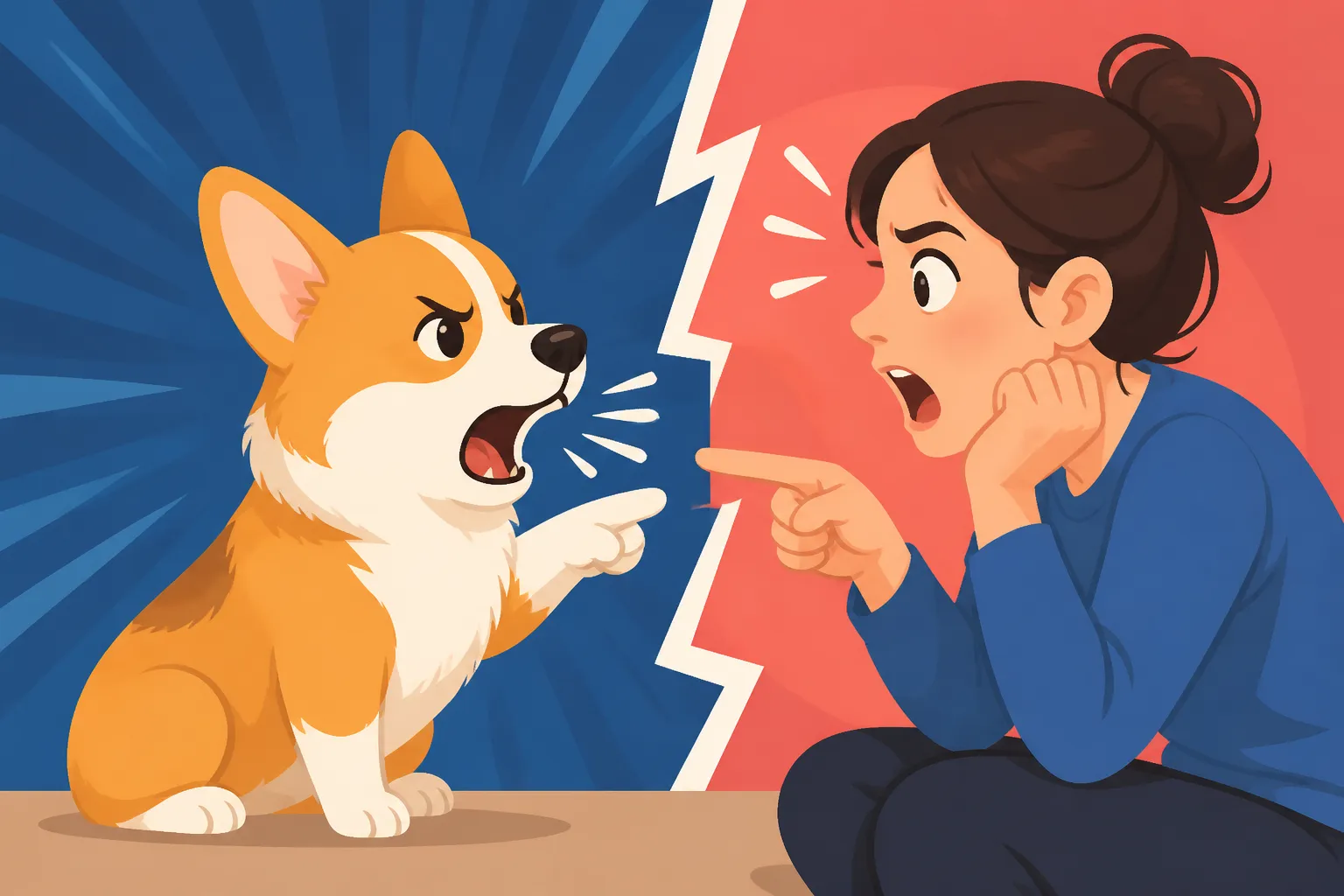
When we talk about a Corgi "arguing," we're not talking about a verbal debate (though sometimes their expressive grumbles might make you think otherwise!). Instead, it manifests as a range of behaviors that challenge your authority and tested patience. These behaviors are a natural part of their adolescent exploration, but knowing what to expect can help you prepare and respond effectively.
Selective Hearing and Ignoring Commands
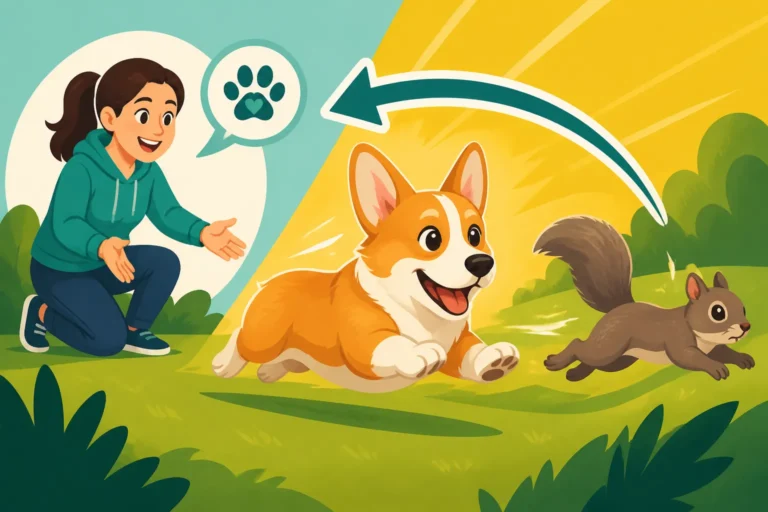
Perhaps the most common "argument" you'll encounter is selective hearing. Your Corgi, who once responded perfectly to "sit," "stay," or "come," will suddenly act as if they've never heard these words in their life. You might call their name repeatedly, only for them to glance at you with an almost disdainful look before returning to sniffing that interesting patch of grass or ignoring you completely. This can be infuriating, especially when you're in a public place and relying on their recall.
A classic scenario involves calling your Corgi at the dog park. They're romping happily with their friends, and when you say their name, they might freeze, ears twitching, clearly having heard you. But then, they make the conscious decision to turn their head away and re-engage with play. It's not that they don't know the command; it's that they've decided something else is more rewarding in that moment. This is a prime example of their independent streak showing through, and why revisiting basic commands with high-value rewards is so crucial during this time. For more on this, check out Why a Corgi Does It Once and Then Refuses.
Testing Boundaries and Rules
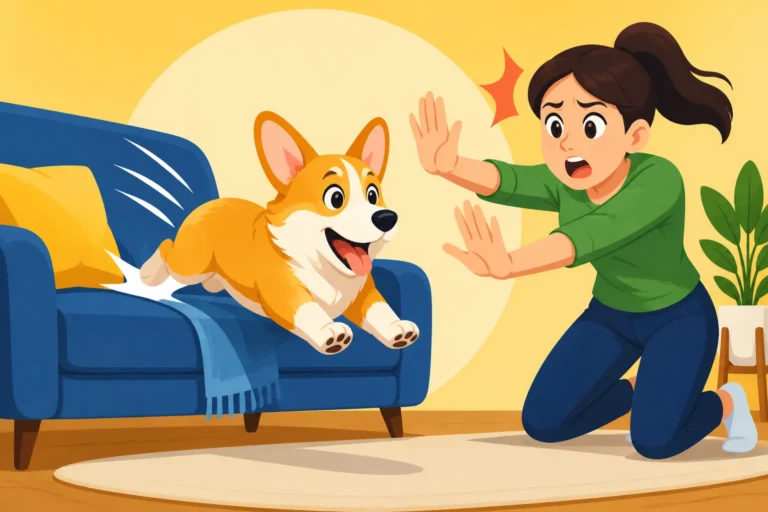
Another hallmark of the argumentative Corgi is boundary-testing. Rules that were once firmly established might suddenly be challenged. Jumping on the sofa, which was a no-no, becomes a defiant leap. Counter-surfing attempts, long abandoned, might reappear with renewed vigor. They'll push every single limit you've set, often with surprising creativity, to see if the rules still apply, or if they can bend them just a little bit.
Imagine your Corgi, who used to wait patiently at the door, suddenly trying to bolt out ahead of you when you open it for a walk. Or they might start stealing socks from the laundry basket, something they haven't done since they were a tiny puppy, just to get a reaction. These aren't necessarily acts of malice, but rather experiments in understanding the limits of their world and your tolerance. It's their way of asking, "Is this really a rule, or can I get away with it now?" It's exhausting, but your consistent response is vital to guide them through.
Increased Barking and Vocalizations
Corgis are known for being quite vocal creatures, and adolescence can often amplify this trait. What might have been occasional alert barking can escalate into seemingly incessant "conversations" or protests. They might bark more at passersby outside the window, at squirrels in the yard, or even at you when they want attention, food, or playtime. Their barks can vary from sharp, insistent demands to long, drawn-out "arguments" that sound uncannily like they're trying to reason with you.
A real-life example might be your Corgi protesting loudly from their crate if you leave the room, even if they've been perfectly content in there for months. Or perhaps they start barking aggressively at other dogs on walks, even friendly ones, as a way to assert their newfound confidence or test their social boundaries. This increased vocalization can be challenging for both you and your neighbors, making it important to revisit "quiet" cues and provide plenty of appropriate mental stimulation to keep their busy minds engaged. We delve deeper into this in our article, Why Corgis Bark More Than Most.
Navigating the Challenges: Strategies for Success
Dealing with an argumentative Corgi can feel like an uphill battle, but with the right approach, you can guide them through this phase and reinforce the training you've already established. The key is to remain patient, consistent, and proactive in your management and training efforts.
Consistency is Your New Best Friend
During Corgi adolescence, consistency isn't just important; it's absolutely non-negotiable. If you allow a behavior one day and correct it the next, your Corgi will learn that the rule is flexible, and they will exploit that inconsistency every chance they get. Every member of the household needs to be on the same page regarding rules, commands, and expectations. This means everyone uses the same cues, enforces the same boundaries, and provides the same rewards (or consequences).
For instance, if jumping on the sofa is forbidden, it must always be forbidden, regardless of who is home or how tired you are. If your Corgi jumps up, calmly say "off" and guide them down, rewarding them when all four paws are on the floor. If one family member secretly allows it, your Corgi will quickly learn that "sofa is allowed when Mom isn't looking," leading to endless confusion and frustration for everyone. Creating a clear "house rules" chart can be a surprisingly effective way to keep everyone aligned.
Consistency also applies to your emotional responses. It's easy to get frustrated and react angrily when your Corgi is being particularly defiant. However, yelling or losing your temper can actually make things worse, either by scaring your Corgi or by inadvertently rewarding their attention-seeking behavior. Strive for calm, clear, and consistent responses, always. Remember, your Corgi is testing you, and your steady hand is what they need to feel secure in the rules you set.
Reinforcing the Basics (Again!)
It might feel like you're going backward, but revisiting and reinforcing basic obedience commands is vital during this "argumentative" phase. Your Corgi hasn't forgotten how to sit or stay, but they're likely testing the value of those commands against other distractions. This means going back to basics in a controlled environment, making training sessions fun and rewarding, and gradually reintroducing distractions.
Start by practicing commands in a quiet, low-distraction environment, like your living room. Use high-value treats – something truly irresistible – and lavish praise when they perform correctly. Make these sessions short, upbeat, and frequent. As they consistently respond, slowly introduce more distractions. For example, practice "come" in the backyard, then in a fenced park, and eventually in more stimulating environments. If you're struggling, resources like BAXTER & Bella offer online puppy and dog training programs that emphasize positive reinforcement and consistency, which can be incredibly helpful for owners needing a refresher or new strategies.
Think of it like an athlete going back to fundamental drills when their performance slips. It’s not a punishment; it’s strengthening their foundation. You'll likely find that Short Bursts of Training a Corgi Will Take is a more effective approach than long, drawn-out sessions, as Corgis can have shorter attention spans, especially during adolescence. Make every correct response a huge celebration, ensuring that complying with your commands is always more rewarding than ignoring them.
Redefining Engagement and Mental Stimulation
An "argumentative" Corgi is often a bored Corgi, or one that isn't getting enough appropriate mental and physical exercise. These are intelligent dogs with a strong working drive, and if that energy isn't channeled constructively, it will find its own outlets – often in ways you don't appreciate. During adolescence, their energy levels can be high, and they need more than just a quick walk around the block.
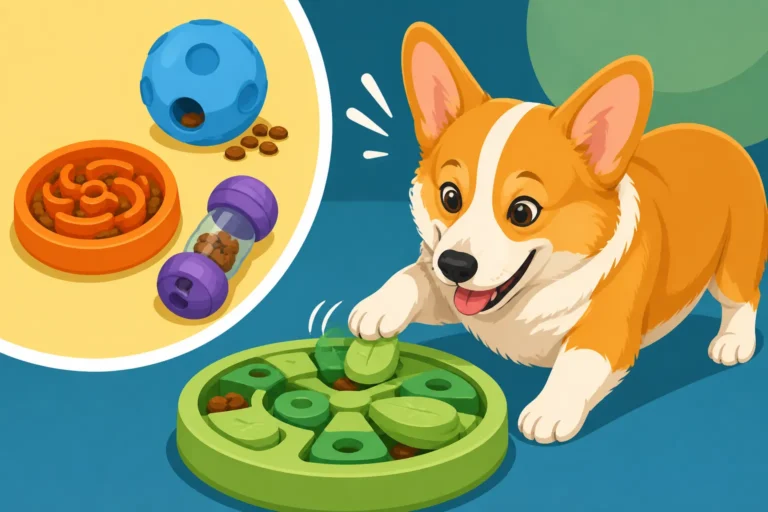
Consider expanding their mental stimulation. Puzzle toys, snuffle mats, and hiding treats around the house (scent work!) can be fantastic ways to engage their brains and burn off energy. Rotating their toys and introducing new challenges can keep them from getting bored. Many Corgis thrive on learning new tricks, which not only provides mental exercise but also strengthens your bond and reinforces positive interactions. You could even explore dog sports like scent work, which is very forgiving on their long backs, or even non-competitive obedience to give them a "job."
Physically, ensure they are getting adequate exercise for their age and breed. While a Corgi shouldn't be over-exercised in ways that strain their back (like excessive jumping), they do need vigorous activity. Two good walks a day, plus some active playtime, can make a huge difference in their overall demeanor. A tired Corgi is often a well-behaved Corgi. Remember to always consider their physical limitations, especially concerning their back; our article The Forty-Five Minutes a Corgi Needs Daily provides great guidance on appropriate exercise levels. You can find a vast array of stimulating toys and training tools on platforms like Amazon to help keep your Corgi engaged.
| Adolescent Corgi Behavior | What It Looks Like | Why It Happens | Owner Response Strategy |
|---|---|---|---|
| Selective Hearing | Ignoring commands, slow response, looking away. | Testing boundaries, higher value distractions, hormonal changes. | High-value rewards, short and frequent training sessions, reduce distractions, practice recall games. |
| Boundary Pushing | Jumping on forbidden furniture, counter-surfing, leash pulling. | Testing rules, exploring independence, seeking attention. | Unwavering consistency from all family members, redirect to appropriate behaviors, manage environment (e.g., clear counters). |
| Increased Vocalization | Excessive barking at perceived threats, demanding attention, "talking back." | Breed trait amplification, boredom, anxiety, boundary testing. | Teach a "quiet" cue, increase mental and physical exercise, ignore attention-seeking barking, consult a trainer if excessive. |
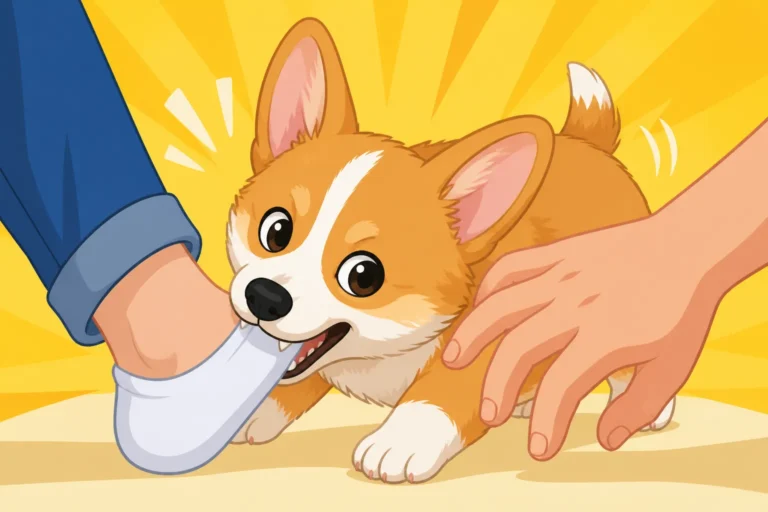
| Mouthiness/Nipping | Grabbing clothes or hands, playful but firm nips. | Reliving puppy phase, seeking attention, testing limits. | Redirect to appropriate chew toys, discontinue play immediately upon nipping, teach bite inhibition through "ouch" and disengagement. |
| Destructive Chewing | Chewing furniture, shoes, inappropriate items. | Boredom, anxiety, teething (if still present), seeking mental release. | Provide plenty of appropriate chew toys, ensure adequate exercise and mental stimulation, supervise closely, crate train for safety. |
Setting Your Corgi Up for Continued Success
The argumentative phase can be a true test of patience, but it’s also an opportunity to deepen your bond and solidify your Corgi's training for life. By anticipating challenges and proactively managing their environment and your interactions, you can navigate this period with grace and emerge with a more mature, well-adjusted canine companion.
Managing the Environment to Prevent Arguments
Prevention is often the best medicine when dealing with adolescent Corgis. By carefully managing their environment, you can reduce opportunities for them to practice undesirable behaviors and set them up for success. This means being a step ahead of their mischievous minds. If you know your Corgi is prone to counter-surfing, make sure there’s nothing on the counters for them to steal. If they like to jump on the sofa, use gates or physical barriers when you can't supervise directly.
This might sound like you’re puppy-proofing all over again, and in many ways, you are! Use baby gates strategically to limit access to certain rooms or areas where they might get into trouble. Crates, when used positively, can be an invaluable tool for safely confining your Corgi when you can't give them your full attention, preventing them from developing bad habits. For instance, if your Corgi is suddenly having accidents inside or chewing forbidden items, a short period of re-cratetraining can remind them of house rules and appropriate chewing habits.
Also, consider modifying your home to protect their vulnerable backs, particularly as they become more adventurous. Ramps or steps next to beds and sofas can prevent dangerous jumps, which are often irresistible to an adolescent Corgi but incredibly risky. Ramps and Steps That Save a Corgi's Back is an excellent resource for making your home safer during this active phase and beyond.
Seeking Professional Guidance When Needed
Sometimes, despite your best efforts, your Corgi's adolescent behaviors can feel overwhelming, or even escalate beyond what you feel comfortable handling on your own. There’s absolutely no shame in seeking professional help. A certified professional dog trainer or a veterinary behaviorist can provide invaluable insight, develop a tailored training plan, and offer support through this challenging time.
They can observe your Corgi's behavior in person, identify underlying causes for their "arguments," and teach you specific techniques to address issues like excessive barking, stubbornness, or even nipping that might arise during this phase. They can also help you understand if certain behaviors are truly just adolescent testing or if they might be signs of something deeper, like anxiety or fear. Finding a trainer who understands the unique temperament and drives of a herding breed like a Corgi is key. Many reputable trainers offer virtual consultations, making access easier. BAXTER & Bella, for example, offers professional guidance through their various training modules and support forums, which can be a lifeline for confused owners.
Remember, a good trainer acts as a coach, empowering you with the knowledge and skills to work with your dog. Don't wait until you're completely exasperated; early intervention can prevent minor issues from becoming major problems down the line. Investing in professional help now can save you a lot of stress and reinforce a positive relationship with your Corgi for years to come.
The Light at the End of the Tunnel: Trusting the Process
It’s easy to feel disheartened when your Corgi is arguing every command, but it's vital to remember that this phase is temporary. Just like human teenagers, Corgi adolescents eventually mature, settle down, and become the wonderful, well-adjusted adults you always knew they could be. The consistency, patience, and effort you put in now will pay dividends in the long run.
Keep a positive attitude, even on the toughest days. Celebrate the small victories – the times they do listen, the moments of calm, and the flashes of their old, sweet puppy self. Continue to provide them with plenty of love, appropriate exercise, mental stimulation, and clear boundaries. Your relationship with your Corgi is a journey, and adolescence is just one bend in the road.
Trust that your Corgi is not doing this to spite you. They are simply navigating a complex developmental stage, and they rely on you to be their steady, understanding guide. If you maintain your training, reinforce your bond, and continue to educate yourself, you will come out on the other side with a fantastic adult Corgi. The hard work you put in now is an investment in many years of joy and companionship.
Disclaimer
This article is for general informational purposes only and does not constitute professional advice. Laws, prices and regulations vary by location and change over time. Consult a qualified professional for guidance on your specific situation.