A Corgi Puppy Biting Ankles and Hands
Oh, the joy of a Corgi puppy! They're adorable, fluffy, and full of personality, but let's be real, those little land sharks with their needle-sharp teeth can turn your ankles and hands into a battlefield. Many new Corgi parents find themselves bewildered and bruised, wondering if their sweet pup will ever stop this incessant nipping. This comprehensive guide is here to walk you through understanding why your Corgi puppy is biting, and more importantly, how to gently but effectively curb this behavior for a more peaceful, bite-free coexistence.
Understanding the Corgi Puppy Nip: More Than Just Play
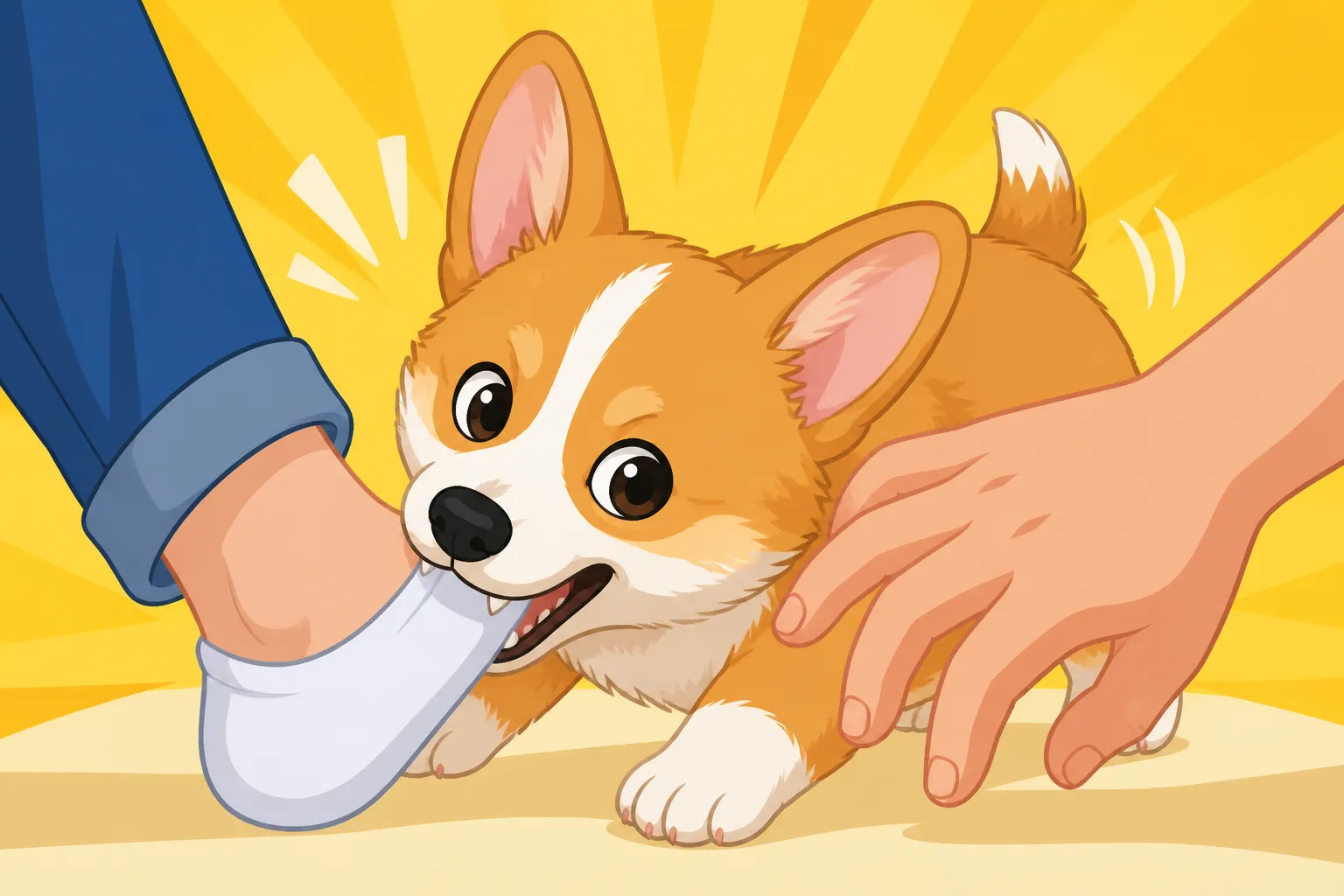
It's easy to feel personally attacked when your cute little Corgi puppy is constantly latching onto your fingers or chasing your heels with playful but painful nips. But it’s crucial to understand that this isn’t malicious behavior. It stems from their natural instincts and developmental stages. Validating this helps us approach the problem with patience rather than frustration.
The Herding Instinct in Miniature
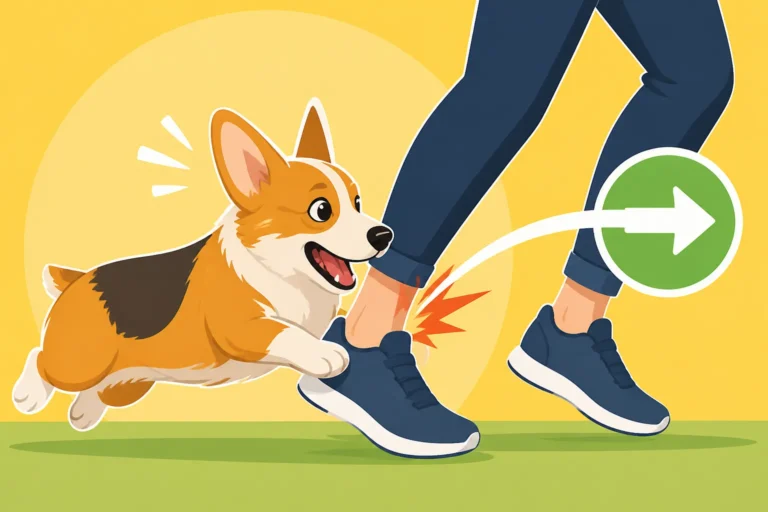
Corgis, whether Pembrokes or Cardigans, were bred for a very specific job: herding cattle. Picture this: a tiny, low-slung dog nipping at the heels of much larger animals to direct them. That instinct is hardwired into their DNA. When your Corgi puppy nips at your ankles as you walk by, or attempts to "herd" your children across the living room, they're not trying to be naughty; they're simply doing what generations of their ancestors did. This is Where the Corgi Heel Nip Comes From, and it’s a powerful drive. They’re practicing those ancestral skills, and unfortunately, human ankles and hands are readily available targets. It’s an inherited trait, this The Cattle-Driving Nip a Corgi Still Has, and it manifests very early on in puppyhood. They see moving objects as things to control, and if those objects happen to be you or your family members, well, you're fair game for a little "herding."
Puppy Teething and Exploration
Just like human babies, Corgi puppies go through a teething phase. Their mouths are how they explore the world around them. Everything new and interesting goes straight into their mouth. This means your hands, the sofa leg, the rug, and yes, your ankles, all become fascinating chew toys. During this time, they're not only trying to relieve discomfort from erupting teeth, but also learning about pressure and texture. They need appropriate outlets for this natural urge. Without suitable chew toys, your skin and clothes will inevitably become their go-to substitutes. This exploratory biting is a normal part of their development, but it definitely needs guidance so they learn what is and isn't acceptable to bite. Remember, for a Corgi puppy, their mouth is just another tool for interaction, a way to test boundaries and explore their surroundings. This is a big part of The Corgi Puppy Mouth and Where It Lands.
Attention-Seeking Behavior
Sometimes, despite all our best efforts to redirect, the nipping seems to escalate, especially when we're busy. This can often be a cry for attention. If your Corgi puppy has learned that a quick nip gets an immediate reaction from you—even if it's a frustrated "ouch!" or pushing them away—they've just learned a very effective way to get you to notice them. Any reaction, positive or negative, can be perceived as attention by a puppy desperate for interaction. They might nip your hands while you're trying to work on your laptop, or your feet when you're cooking dinner. They've discovered that a little chomp on your moving parts brings the focus back to them. Breaking this cycle requires being more strategic about how you respond and ensuring they get plenty of positive attention when they're not nipping.
Immediate Strategies to Stop the Nipping
When those sharp little puppy teeth sink into your skin, it's natural to react. But reacting consistently and effectively is key to teaching your Corgi puppy that human skin is off-limits. These immediate strategies are about interrupting the behavior in the moment and showing them a better way.
The "Yelp and Ignore" Method
This classic technique mimics how puppies learn bite inhibition from their littermates. When a puppy bites too hard during play, their sibling will often let out a loud yelp and then stop playing. This teaches the biting puppy that if they want to continue playing, they need to be gentler. You can replicate this with your Corgi puppy. The moment those teeth touch your skin with uncomfortable pressure, let out a high-pitched "YIP!" or "OUCH!" (something that mimics a puppy's cry). Then, immediately withdraw all attention. If they were nipping your hand, pull your hand away and cross your arms. If they were nipping your ankle, turn your back to them or walk into another room (briefly, just for 10-20 seconds).
The crucial part is the immediate cessation of all interaction. No scolding, no pushing them away, no eye contact—just a complete withdrawal of your presence or attention. This teaches them, "Hard bites make the fun stop." Once they calm down, you can re-engage with them. If they nip hard again, repeat the process. Consistency is paramount. Every time they nip, the fun stops. This needs to be applied by everyone in the household, so the message is clear and unwavering.
Redirection with Appropriate Toys
Puppies need to chew, and they need to interact. When your Corgi puppy goes for your hands or feet, immediately redirect their attention to an appropriate chew toy. Keep a variety of safe, engaging toys readily available in every room. When you see your puppy gearing up for a nip or if they've just made contact, quickly offer them a toy instead. Wave it enticingly, make it move, and encourage them to bite that instead of you.
For instance, if your Corgi puppy is lunging at your pant legs, stop moving, offer a sturdy tug toy, and engage them in a brief, vigorous game of tug. As they bite and pull the toy, they learn that this is what they should be biting. Textured chew toys, puzzle toys, or even frozen Kongs can be excellent for satisfying their chewing urges. You can find a huge variety of durable, puppy-safe toys on Amazon that can stand up to a Corgi's determined chewing. Remember, your goal is to fulfill their natural desire to bite, just on the right object. Providing plenty of Chews a Teething Corgi Can Have will make a huge difference in saving your skin.
Managing the Environment
Sometimes, the best offense is a good defense. By proactively managing your Corgi puppy's environment, you can significantly reduce opportunities for nipping. This is especially important for A Corgi That Nips Running Children or other fast-moving family members.
Consider using baby gates or playpens to create safe, puppy-proof zones where your Corgi can't access everyone's ankles freely. When children are playing, ensure your puppy is either supervised very closely, crated with a stimulating chew, or behind a gate. This isn't about punishment; it's about setting your puppy up for success by preventing them from practicing unwanted behaviors. If you know certain situations trigger nipping (like meal prep time or kids playing tag), preemptively redirect your puppy to a quiet spot with a long-lasting chew or engage them in a brief training session before the nipping can even begin. Providing a designated safe space, such as a crate with comfortable bedding and engaging Toys That Occupy a Corgi, can be invaluable for managing their energy and preventing unwanted nips when you can't give them your undivided attention.
Training for Long-Term Nip Prevention
While immediate strategies help in the moment, sustained training is essential for teaching your Corgi puppy appropriate behavior as they grow. This involves consistent effort and positive reinforcement.
Consistent Bite Inhibition Training
Beyond the "yelp and ignore," you need to actively teach your Corgi puppy how much pressure is acceptable. This is called bite inhibition. When your puppy mouths your hand gently (without biting down hard), reward them with calm praise or a small treat. The goal is for them to learn that gentle mouthing is okay, but anything harder immediately stops the interaction. As they grow, you can gradually reduce the acceptable pressure until they learn that any teeth on skin is a no-go.
This often involves playing with your puppy in a controlled manner, allowing them to mouth your hand softly, and then immediately withdrawing if the pressure increases. It's about developing a "soft mouth" so that even if they do accidentally nip later in life, the bite won't cause serious damage. This is a fundamental lesson that prevents stronger bites in adulthood. It’s a process, not a one-time fix. Consistency, again, is absolutely critical for Teaching a Corgi Puppy to Stop Grabbing with their mouth.
Teaching "Leave It" and "Drop It"
These two commands are invaluable for managing a Corgi puppy prone to nipping. "Leave It" teaches your puppy to ignore something tempting, while "Drop It" teaches them to release something they already have in their mouth.
To teach "Leave It": Hold a treat in your closed fist. Let your puppy sniff and lick, but don't open your hand until they back away or look at you. The moment they disengage, say "Yes!" and open your hand, giving them the treat. Repeat this, gradually increasing the distraction. Eventually, you can place a treat on the floor and cover it with your hand, saying "Leave It." When they back away, reward them. This can be adapted to your body parts: if they start to target your hand, calmly say "Leave It" and redirect them.
For "Drop It": Start with a toy your puppy likes but isn't overly obsessed with. Engage them in play. Then, offer a higher-value treat right next to their nose. As they open their mouth to take the treat, say "Drop It" and take the toy. Immediately reward with the treat. Practice this often, making "dropping it" a positive experience. Both commands empower you to calmly intervene before a nip happens or to get them to release your hand if they've already grabbed it. The folks at BAXTER & Bella have some excellent online resources and video tutorials for teaching these commands, using positive reinforcement methods that work wonderfully with Corgis.
Enrichment and Mental Stimulation
A bored Corgi puppy is a destructive Corgi puppy, and often a nippy Corgi puppy. These intelligent little dogs need more than just physical exercise; they need mental stimulation to tire them out and prevent boredom-induced mischief. When their minds are engaged, they're less likely to resort to nipping out of sheer pent-up energy or boredom.
Incorporate puzzle toys, snuffle mats, or scatter-feeding meals to make them work for their food. Engage them in short, fun training sessions throughout the day, teaching new tricks or practicing basic obedience. Even five to ten minutes of focused mental work can be as tiring as a much longer walk. Nose work games, where they have to find hidden treats, are fantastic for Corgis, tapping into their natural scenting abilities without putting strain on their long backs. A mentally satisfied Corgi is often a calmer, less nippy Corgi.
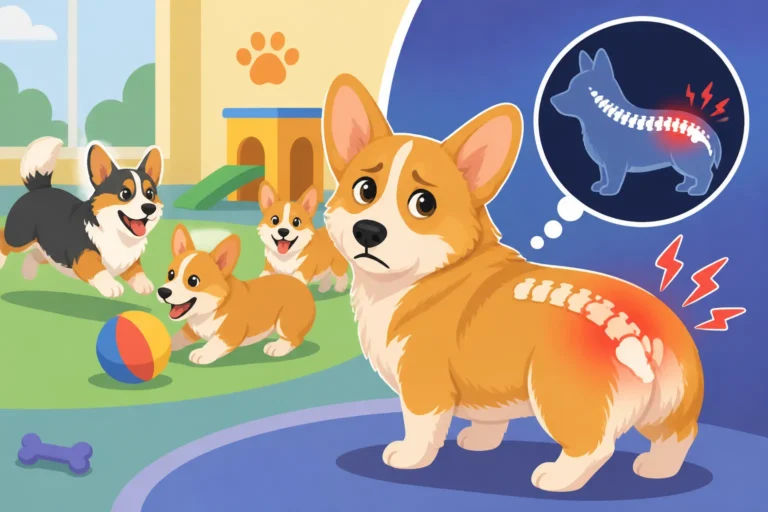
Consider activities like short, structured walks combined with training opportunities. This helps them burn physical energy and learn appropriate leash manners. While Whether Corgi Zoomies Damage the Back is a concern for some, controlled, mentally engaging activities are always safe and beneficial.
Here's a quick overview of some strategies:
| Strategy | Description | Key Outcome | When to Use |
|---|---|---|---|
| Yelp & Ignore | A high-pitched "ouch!" followed by immediate withdrawal of attention (turn away, leave room for seconds). | Teaches bite pressure inhibition; hard bites stop fun. | Immediately when teeth touch skin with too much pressure. |
| Redirection | Offer a suitable chew toy or interactive game the moment nipping starts. | Redirects natural chewing/play drive to appropriate items. | When puppy is about to nip, or immediately after a nip occurs. |
| Environmental Mgmt. | Use gates, playpens, or leashes to prevent access to "nip targets" (ankles, running children). | Prevents opportunities for unwanted behavior; sets puppy up for success. | Proactively, especially when you can't supervise closely or during high-risk times (e.g., kids playing). |
| Bite Inhibition | Reward gentle mouthing; withdraw if pressure increases. Gradually decrease acceptable pressure. | Teaches a "soft mouth" for accidental nips. | During supervised play sessions and interactions. |
| "Leave It"/"Drop It" | Train commands to ignore/release items. | Gives you control to prevent/stop nipping by command. | When puppy targets an inappropriate item or has already grabbed something. |
| Mental Enrichment | Puzzle toys, training sessions, nose work games. | Prevents boredom, reduces pent-up energy, and stimulates their mind. | Daily, as part of their routine, especially when you need them to be calm and occupied. |
When to Seek Professional Help
For most Corgi puppies, consistent application of the above strategies will yield positive results. However, there are times when puppy nipping can escalate or become concerning, and professional guidance is absolutely warranted. Don't feel ashamed or embarrassed to reach out; it's a sign of a responsible pet parent!
Persistent or Aggressive Nipping
If your Corgi puppy's nipping seems unusually intense, persistent, or is accompanied by other concerning behaviors like growling, snarling, or a reluctance to be handled, it might be more than just typical puppy behavior. If the nipping isn't improving despite consistent training, or if your puppy seems genuinely agitated rather than just playful, it’s time for a professional assessment. Whether a Corgi nips rather than bites is an important distinction; most puppy nipping is not intended to harm, but if it feels aggressive, that's a different concern entirely. A professional can help distinguish between normal puppy behavior and something that requires more specialized intervention.
Overwhelm and Frustration
Living with a nippy puppy can be incredibly frustrating and exhausting. If you find yourself constantly stressed, avoiding interaction with your puppy, or feeling like you're losing patience, that's a clear signal to seek help. A good trainer can not only help your puppy but also help you manage your emotions and provide you with personalized strategies that fit your lifestyle and your Corgi's specific personality. Sometimes, a fresh pair of eyes from an experienced professional can spot subtle things you've missed or offer alternative approaches. Don't let the situation spiral into resentment or anger; support is available.
Finding a Corgi-Savvy Trainer
When looking for a professional, try to find a certified professional dog trainer (CPDT-KA) or a certified behavior consultant (CBCC-KA) who uses positive reinforcement methods. Avoid trainers who advocate for harsh punishment, alpha rolls, or other outdated, aversive techniques, as these can damage your relationship with your puppy and exacerbate fear-based behaviors. Even better, look for someone with experience specifically with herding breeds or Corgis. They'll understand the nuances of the breed's instincts and temperaments.
Many trainers offer virtual consultations, which can be a great starting point, or in-person private lessons. If you're considering group classes, ask if they have specific Whether a Corgi Suits Group Classes tailored for puppies or for managing nipping behaviors. You might also ask about What a Corgi Puppy Course Costs or Trainer Rates for a Corgi That Nips to budget appropriately. A good trainer will teach you how to communicate effectively with your Corgi, building a foundation of trust and understanding that extends far beyond just stopping the nipping. They can help you implement a plan to teach your puppy to use its mouth appropriately, and offer guidance for continued socialization and training.
Ultimately, your Corgi puppy's nipping phase is temporary, but the lessons they learn during this time will shape their behavior for years to come. With patience, consistency, and the right strategies, you can guide your little land shark into becoming a well-mannered, cherished member of your family.
Disclaimer
This article is for general informational purposes only and does not constitute professional advice. Laws, prices and regulations vary by location and change over time. Consult a qualified professional for guidance on your specific situation.