Whether a Trainer Understands a Herding Corgi
It’s a common frustration for Corgi owners: you sign up for a basic obedience class, full of hope, only to find your brilliant, independent little herder isn't quite fitting the mold. You see other dogs sitting perfectly, while your Corgi is offering up a sassy bark or trying to herd the Golden Retriever next to them. This guide is all about helping you understand why your Corgi is unique and how to find a trainer who truly gets their distinctive personality and heritage, ensuring training is effective and fun for both of you.
Why Corgis Require a Special Touch from Trainers
When you're trying to teach your Corgi the finer points of "stay" or "come," it can feel like you're speaking a different language than other dog owners. And in a way, you are! Corgis aren't just small dogs; they're working dogs, bred for centuries to move cattle much larger than themselves. This deep-seated heritage means they come pre-programmed with a set of instincts and a mindset that's profoundly different from many other breeds. A good trainer doesn't just see a cute, low-rider; they see a highly intelligent, opinionated herding dog ready to apply those instincts to everyday life, often to your exasperation.
Their Hardwired Herding Style: Nipping and Body Blocking
Think about it: how does a tiny dog move a huge cow? Not by barking politely! Corgis developed a precise and effective way to get those cattle moving: they'd dart in, nip at the ankles, and then duck out of the way before a hoof could connect. This isn't aggression; it's a survival tactic, and it's something many Corgi owners encounter in their homes. Your Corgi might try to "herd" your children, your guests, or even you, by nipping at heels or nudging with their body. They might use their compact, sturdy frame to block your path, a subtle but firm way of directing traffic.
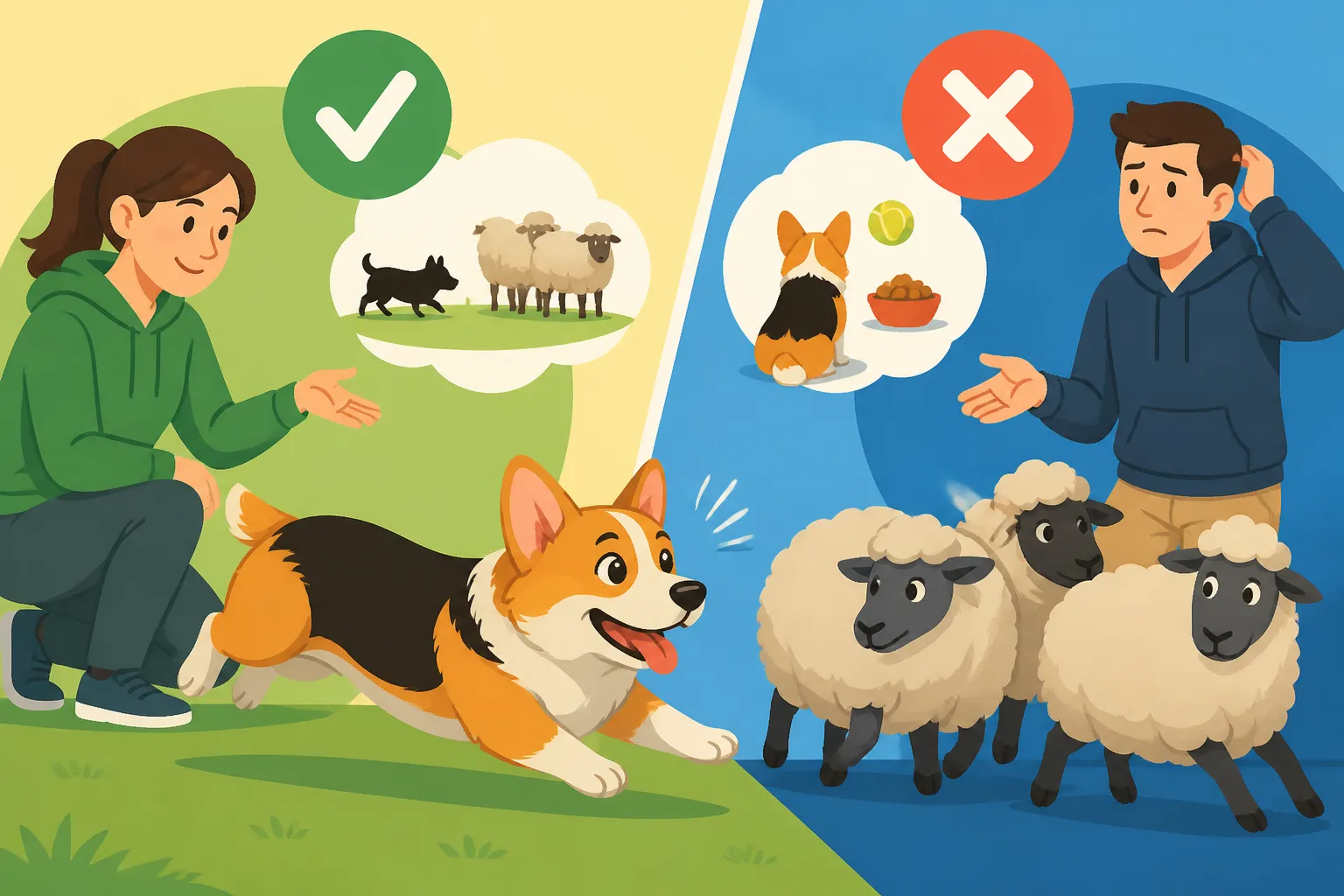
A trainer who doesn't understand this might mistake it for simple bad manners or aggression. But a trainer with Corgi experience knows that these behaviors are echoes of their past job description. They can help you redirect these instincts into appropriate outlets, like herding a large jolly ball in the yard, rather than trying to completely suppress a behavior that's literally in their DNA. This kind of nuanced understanding makes all the difference. We've talked before about The Cattle-Driving Nip a Corgi Still Has – it's a real thing, and it needs a specific approach.
Independent Thinkers, Not Blind People-Pleasers
While some breeds were developed to work with humans in a highly collaborative way, like retrievers or shepherds, Corgis were often given a lot more autonomy. They were expected to make their own decisions in the field, sometimes far from their human handler, to keep the cattle moving. This bred a fiercely independent spirit. Your Corgi isn't necessarily being stubborn when they decide that "sit" isn't worth their while at this exact moment; they're weighing the request against their own perceived priorities. They're thinking, "Is this truly beneficial for me right now, or is there something more important, like investigating that suspicious leaf, or perhaps, barking at the mail carrier?"
This independence means that while Corgis are incredibly smart and can learn quickly, they often need a compelling reason to comply. Pure "because I said so" rarely works with a Corgi. A trainer who understands this won't try to break their spirit or force submission. Instead, they'll focus on making training fun, rewarding, and relevant to the Corgi's natural drives. They know that your Corgi is an individual with their own opinions, and they'll help you tap into what motivates your dog. Training a Corgi That Makes Its Own Decisions often involves a lot of creativity and high-value rewards.
The Vocal Corgi: Barking and "Arguing"
Oh, the Corgi bark! It's legendary, isn't it? From a sharp, piercing alarm bark to a deep, rumbling "woof" of displeasure, Corgis are not shy about using their voices. Again, this harks back to their herding days – a well-placed bark could get a stubborn cow moving or warn off a predator. They also have an impressive range of vocalizations, often described as "talking" or "arguing." They'll grumble, whine, and let you know exactly what they think about everything from their dinner being late to the cat daring to exist in their space.
A trainer unfamiliar with the breed might view this as excessive or ill-mannered barking that needs to be shut down completely. However, a trainer who understands Corgis knows that while management and redirection are crucial, some level of vocal expression is simply part of being a Corgi. The goal isn't silence, but rather teaching your Corgi appropriate times and triggers for their vocalizations. They can help you identify why your Corgi is barking – is it alert barking, demand barking, or just expressing themselves? – and then provide strategies tailored to that specific motivation. For more on this, check out Corgi Barking and How Much Is Normal.
What to Look for in a Corgi Trainer
Finding the right trainer for your Corgi can feel like searching for a needle in a haystack, especially if you've had frustrating experiences in the past. It’s not about finding someone who exclusively trains Corgis, though that would be a dream! It’s about finding someone who possesses a deep understanding of herding breeds, positive reinforcement methods, and realistic expectations for your sassy companion.
Experience with Herding Breeds and Corgis Specifically
This is arguably the most crucial factor. You want a trainer who has worked with more than just Golden Retrievers and Labradors. Ask them directly about their experience with herding breeds – Australian Shepherds, Border Collies, Shelties, and yes, Corgis. A trainer who understands the general herding dog temperament – the intelligence, the drive, the occasional nipping, the independence – will be much better equipped to help your Corgi.
Ideally, they’ll have specific experience with Corgis. They'll know about their unique body structure (which affects jumping and certain exercises), their vocal nature, and their uncanny ability to outsmart a novice owner. If they light up when you mention your Corgi and share anecdotes that resonate with your own experiences, you're probably on the right track. Don't be afraid to ask for client testimonials or even references from other Corgi owners they've worked with.
Training Philosophy and Methods: Positive Reinforcement is Key
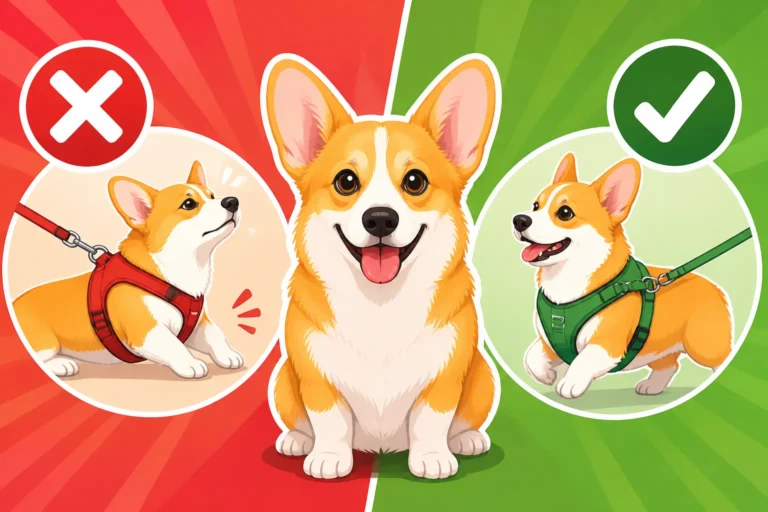
When it comes to Corgis, positive reinforcement is not just a preference; it's practically a necessity. Due to their independent and often sensitive nature, harsh corrections or punitive methods can backfire spectacularly. A Corgi subjected to harsh training might shut down, become resistant, or even develop fear-based aggression. They need to trust you and find training intrinsically rewarding.
Look for trainers who use modern, science-based, positive reinforcement techniques. This means using treats, toys, praise, and fun activities to reward desired behaviors, rather than punishing unwanted ones. They should be focused on building a strong, trusting relationship between you and your Corgi. When you're dealing with a breed that has a strong sense of self-preservation and a tendency to "talk back," making training a positive experience is paramount. You might even find online courses that fit this bill, like programs offered by BAXTER & Bella, which focus on positive, home-based learning.
Understanding the Corgi's Physical Limitations
Beyond behavior, a good Corgi trainer should also understand the physical aspects of the breed. Corgis, with their long backs and short legs, are prone to certain musculoskeletal issues, such as Intervertebral Disc Disease (IVDD). This means that certain exercises or activities might be inappropriate or even dangerous for them. For example, excessive jumping, agility with high jumps, or intense repetitive stair climbing should be approached with caution or avoided entirely.
A knowledgeable trainer will factor this into their recommendations. They might suggest modifications for certain behaviors, like teaching your Corgi to use a ramp for furniture instead of jumping, or recommending low-impact activities like scent work or modified agility. If a trainer suggests exercises that seem risky for a long-backed dog, that's a red flag. Always consider Why Corgi Weight Is a Spinal Problem and how any exercise regimen might impact their delicate back.
Questions to Ask a Potential Trainer
Once you've narrowed down your choices, it's time to have a direct conversation. Don't just show up for a class; schedule a consultation or at least a detailed phone call. This is your chance to really grill them and ensure they're the right fit for your unique Corgi.
Scenario-Based Questions
Instead of asking general questions like "Do you train Corgis?", pose specific scenarios that you're currently struggling with. This will give you a much clearer picture of their approach.
- The Nipping Herder: "My Corgi constantly nips at my kids' heels when they run in the yard. How would you suggest we address that?" A good trainer will suggest redirection, teaching an alternative behavior, and setting up appropriate play, rather than just telling you to stop the dog.
- The Selective Listener: "My Corgi knows 'come' perfectly in the house, but outside, it's like I don't exist, especially if there's a squirrel. What's your strategy for building reliable recall with an independent, high-drive dog?" This question addresses their understanding of Corgi independence and distraction management. They should suggest high-value rewards and incremental training, perhaps even suggesting a long line for safety. Consider our post on Corgi Recall and the Herding Instinct for more context.
- The Barking Sentinel: "My Corgi barks furiously at anyone passing by the window. How do you help owners manage excessive alert barking without suppressing their dog's natural warning instincts?" Look for answers that involve identifying triggers, management techniques (like window film or blinds), and teaching an incompatible, quiet behavior.
Discussing Specific Corgi Behaviors and Traits
Go beyond just problem behaviors and discuss what makes Corgis, well, Corgis.
- Motivation: "What types of motivators do you find most effective for Corgis? Are they typically food-motivated, toy-motivated, or something else?" A trainer who says "just make them do it" or "they'll work for praise" might not understand the Corgi's drive. Often, it's about finding that high-value reward, whether it's a piece of cheese or a favorite squeaky toy. For insights into this, check out Whether a Corgi Works for Anything but Food.
- Patience and Persistence: "Corgis can be brilliant but also very opinionated. How do you approach training a dog that might 'tune out' after a few minutes or decide they know better?" This question gauges their patience and ability to adapt. Look for answers that emphasize short, engaging sessions and breaking down tasks into tiny steps.
- Physical Safety: "Given their long backs, what precautions or modifications do you recommend for Corgis during training exercises, especially anything involving jumping or quick turns?" Their answer should demonstrate an awareness of potential back issues and a focus on safe movement.
Observing a Training Session
If possible, ask if you can observe a portion of a group class or a private session before committing. This is an invaluable way to see a trainer in action.
- Watch their interactions: Do they seem patient and understanding with all dogs, not just the "easy" ones? How do they handle a dog that isn't immediately complying?
- Look at the dogs: Do the dogs seem engaged and happy, or stressed and fearful?
- Evaluate their explanations: Do they clearly explain why they're asking you to do something, not just what to do? Are their instructions easy to follow?
If you can't observe in person, many modern trainers, like those at BAXTER & Bella, offer online programs with video demonstrations. This allows you to see their techniques and teaching style from the comfort of your home, helping you decide if their approach aligns with your Corgi's needs. You can also find many excellent books and video courses on platforms like Amazon that showcase positive reinforcement methods specifically for active, intelligent breeds.
Working Effectively with Your Corgi Trainer
Once you've found a trainer who clicks with your Corgi, the real work begins – and much of it falls to you! A good trainer provides the roadmap and the tools, but you're the one driving the car daily. Think of them as your Corgi navigation system; they can tell you where to go, but you still need to steer.
Consistency is Key, Especially with an Independent Corgi
Corgis thrive on routine and clear expectations, even if they pretend otherwise. When working with a trainer, it's absolutely crucial that you follow their advice consistently at home, every single day. If you only practice "leave it" during your training session once a week, but let your Corgi snatch dropped food the rest of the time, you're sending mixed signals that their clever brain will happily exploit.
Establish a daily training schedule, even if it's just a few short bursts throughout the day. Corgis, with their high intelligence and short attention spans, often respond better to several five-minute sessions than one long, tedious one. This constant reinforcement helps solidify new behaviors and reinforces that you are the consistent source of guidance and rewards. Think of it as building a strong foundation, brick by brick.
Supplementing Training at Home with Appropriate Activities
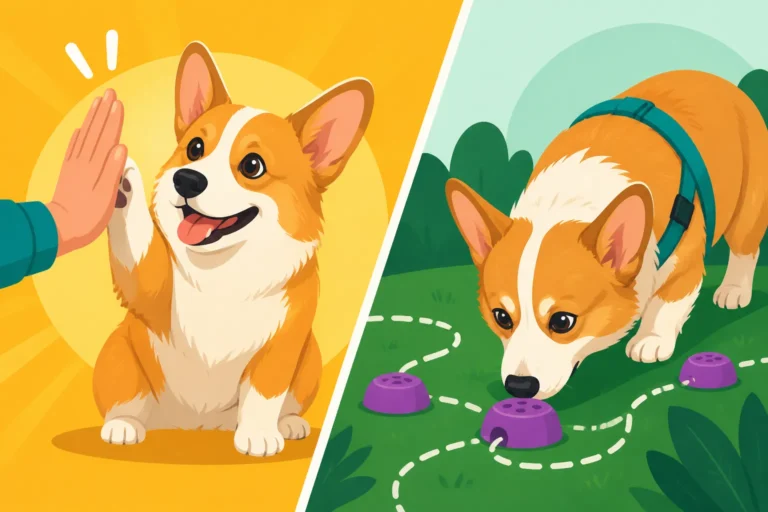
Training isn't just about obedience commands; it's about enriching your Corgi's life and meeting their inherent needs. Your trainer might give you homework that includes more than just "sit" and "stay." They might suggest mental enrichment games, puzzle toys, or even nose work activities. These are particularly valuable for Corgis because they tap into their intelligence and natural sniffing instincts without putting strain on their long backs.
For instance, scattering kibble in the grass for your Corgi to find (a "sniffari") or using a snuffle mat provides mental stimulation and a healthy outlet for their drive to "work." This can burn off mental energy just as effectively as a physical walk, sometimes even more so! Explore Scentwork as a Sport That Spares a Corgi's Back for ideas. You can find a huge variety of puzzle toys and snuffle mats on Amazon to keep your Corgi engaged. Remember, a tired Corgi (mentally and physically, within safe limits) is often a well-behaved Corgi.
Knowing When to Seek a Specialist
Sometimes, despite your best efforts and a great trainer, certain behaviors might persist or even worsen. This isn't a failure on your part or your Corgi's; it simply means there might be something more going on that requires a specialist's attention. If your Corgi displays sudden aggression, severe anxiety, or behaviors that seem completely uncharacteristic, it's time to consider consulting a veterinary behaviorist.
These professionals are veterinarians with advanced training in animal behavior. They can assess your Corgi from both a medical and behavioral standpoint, rule out underlying health issues (which can often manifest as behavioral problems), and develop a comprehensive treatment plan that might include medication in conjunction with behavior modification. A good general trainer will recognize when a case is beyond their scope and refer you to a specialist, ensuring your Corgi gets the most appropriate and effective care possible. It's all about advocating for your furry family member and getting them the help they need to thrive.
Table of Corgi Training Considerations
To help you remember what to look for and what to discuss, here's a handy table outlining key aspects of Corgi training and how a knowledgeable trainer approaches them.
| Corgi Trait/Behavior | Common Owner Frustration | What a Knowledgeable Trainer Understands & Does |
|---|---|---|
| Herding Instincts | Nipping at heels, circling people/pets, body blocking. | Redirects instinct to appropriate toys/activities (e.g., herding a ball), teaches "leave it." |
| Independence/Stubbornness | Ignores commands, chooses own path, short attention span. | Uses high-value rewards, short, fun sessions, builds strong motivation, makes training a game. |
| Vocalizations | Excessive barking at triggers, "talking back," whining. | Identifies bark triggers, teaches "quiet" cue, provides mental enrichment, manages environmental factors. |
| Physical Build (Long Back) | Jumps off furniture, fast turns, rough play. | Advises on ramps/steps, low-impact exercise (scent work), avoids risky movements, monitors weight. |
| Intelligence | Outsmarts owner, gets bored easily, learns bad habits fast. | Emphasizes mental stimulation, puzzle toys, complex commands, consistent boundaries. |
| Sensitivity | Shuts down with harsh corrections, becomes fearful. | Employs exclusively positive reinforcement, builds trust, focuses on clear communication. |
Disclaimer
This article is for general informational purposes only and does not constitute professional advice. Laws, prices and regulations vary by location and change over time. Consult a qualified professional for guidance on your specific situation.