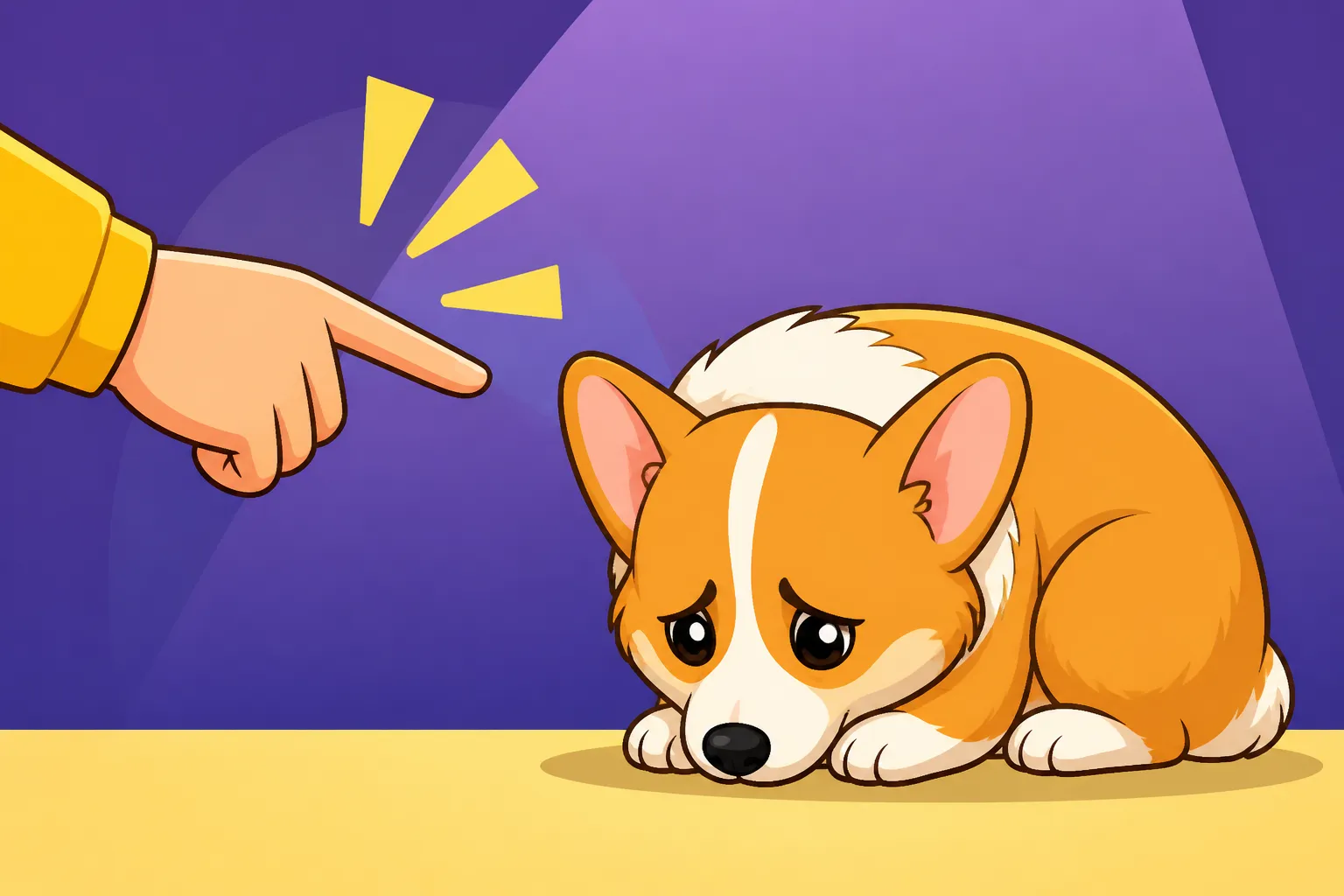
A Corgi That Shuts Down When Told Off
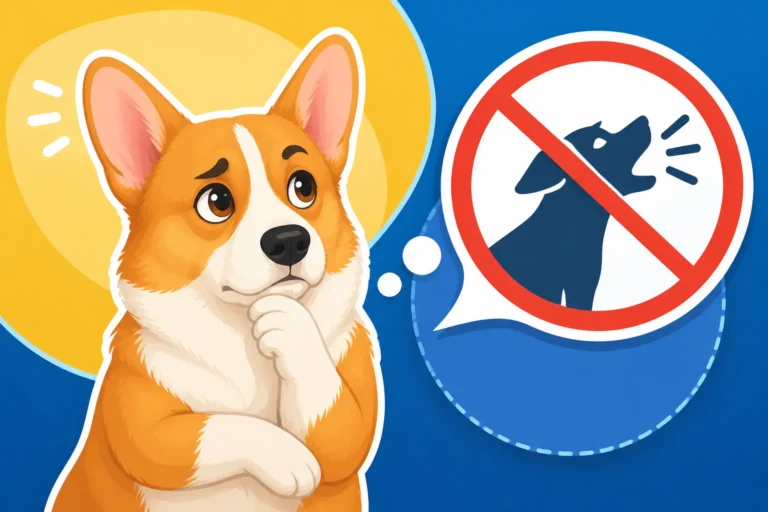
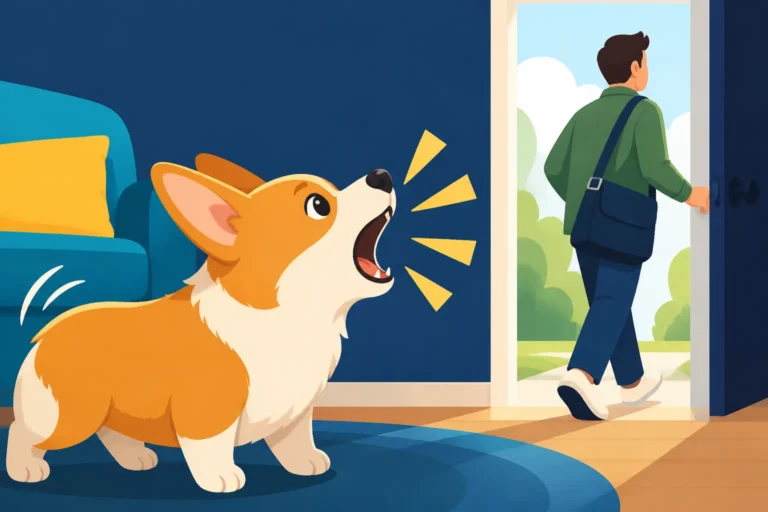
It’s a frustrating scenario many Corgi owners know all too well: you’ve asked your furry friend to do something, or perhaps you’ve caught them in the act of something they shouldn’t be doing, and you’ve raised your voice, maybe even used a firm, corrective tone. Instead of responding or looking apologetic, your Corgi just… shuts down. They might turn their head away, avoid eye contact, lie down with a sigh, or simply walk off and ignore you completely. This can feel incredibly disheartening, making you wonder if you’ve somehow broken their spirit or if they’re just being incredibly stubborn. This guide will help you understand why your Corgi reacts this way and offer practical, empathetic strategies to communicate effectively without causing them to withdraw.
Understanding the Corgi Psyche: More Than Just Stubbornness
Corgis are complex little dogs, often described as big dogs in small bodies. They come from a lineage of independent, intelligent herding dogs, and this heritage deeply influences how they perceive and react to correction. When they "shut down," it's rarely out of pure defiance; it's often a nuanced response rooted in their natural instincts and sensitive nature.
The Herding Dog Instinct: Independence and Decision-Making
Think about a Corgi's original job: driving cattle by nipping at their heels. This wasn't a job for a dog waiting for constant direction. It required quick thinking, problem-solving, and a significant degree of independence. A Corgi on a farm needed to make its own decisions about where to go, when to nip, and how to maneuver livestock, often without direct human commands in the thick of things. This deep-seated instinct means Corgis are hardwired to process information and decide on a course of action rather than just blindly obey.
When you "tell off" a Corgi, especially if it’s for something they perceive as instinctual or for a rule they haven’t fully grasped, their brain might not immediately jump to "I did wrong, I must comply." Instead, they might process it as "This human is upset, what is the best way to disengage from this conflict?" or "This doesn't make sense to me, I will remove myself from the situation." They might seem to "talk back" or display what we perceive as sass, but often, it's their independent mind at work. This can be especially noticeable if you've ever had a Corgi that gets a Corgi That Shuts Down When Told Off from their human. They are thinking, strategizing, and sometimes, that strategy is to simply disengage.
Sensitive Souls in Stout Packages
Despite their tough, bossy exterior and working dog background, Corgis can actually be quite sensitive creatures, particularly to changes in tone and emotional intensity. While they might appear aloof or stubborn, a sharp, angry voice can genuinely startle or upset them. For many Corgis, a raised voice or a harsh reprimand isn't just a signal that they did something wrong; it can feel like a direct threat or a sudden break in their relationship with their beloved human.
When a Corgi shuts down, it can be a self-preservation mechanism. They might be trying to appease you, to make themselves smaller and less noticeable in hopes of de-escalating the situation. They might interpret your anger as rejection, and rather than engaging, they withdraw emotionally. This is especially true for Corgis that tend to be more reserved or timid; for them, a stern telling-off can be genuinely overwhelming, leading to a complete emotional freeze rather than an active "ignoring" of your command. This reaction is far removed from the bold, in-charge dog that will A Corgi That Rounds Up the Other Dogs.
Why "Telling Off" Can Backfire on a Corgi
It's natural to get frustrated with our dogs, especially when they're pushing boundaries or ignoring us. However, for Corgis, the typical "telling off" approach can often be counterproductive, leading to outcomes you definitely don't want: disengagement, fear, and a breakdown of trust.
The Difference Between Correction and Scolding
There's a fine line between giving a clear, immediate correction and launching into a full-blown scolding. A good correction is usually a quick, firm, and impersonal interrupter that immediately tells the dog "no" or "stop" without adding emotional baggage. It's about redirecting behavior in the moment. For example, a sharp "Ah-ah!" followed by redirecting your Corgi to a more appropriate activity.
Scolding, on the other hand, often involves a raised, angry voice, a lecture, or prolonged chastisement. This kind of communication tends to be highly emotional and, for a sensitive Corgi, can be deeply unsettling. They might pick up on your tone and body language that you're angry, but they often don't connect that anger to the specific behavior they just exhibited, especially if a few seconds have passed. What they learn is that you are unpredictable or scary when you are angry, which can erode their trust and make them wary of approaching you, rather than teaching them the desired behavior. It certainly doesn't help when you're trying to figure out Why an Independent Corgi Ignores You.
Overwhelm and Withdrawal
Imagine being yelled at in a language you only partially understand. You'd likely feel confused, stressed, and perhaps even scared. You might try to make yourself invisible or simply tune out the noise. This is often what happens to a Corgi when they are subjected to intense or prolonged "telling off." Their small bodies are packed with big personalities, but their emotional resilience can be surprisingly fragile in the face of perceived human anger.
When a Corgi shuts down, they're not necessarily being stubborn; they're often experiencing overwhelm. They might physically withdraw, turn their head, avert their gaze, or flatten their ears, all signs of stress and an attempt to diffuse the situation. This withdrawal means they are no longer in a learning state. Instead of processing what you want them to do differently, their brain is focused on coping with your perceived anger. This can lead to them becoming fearful of training sessions, less willing to try new things, and generally disengaged from interacting with you, which is the last thing any Corgi owner wants.
Strategies for Effective Communication (Without the Shutdown)
The good news is that Corgis are incredibly intelligent and eager to please the right way. It’s all about finding communication methods that resonate with their specific psyche, fostering trust, and motivating them through positive means.
Positive Reinforcement: The Corgi's Love Language
This is hands down the most effective way to train a Corgi and prevent the dreaded shutdown. Positive reinforcement focuses on rewarding desired behaviors, making your Corgi more likely to repeat them. Instead of waiting for them to do something "wrong" and then scolding, you actively seek out and reward them for doing things "right." This could be as simple as praising them for lying calmly on their bed, rewarding them for coming when called, or giving them a treat for sitting politely instead of jumping.
Brands like BAXTER & Bella offer excellent online training programs that are built entirely around positive reinforcement. Their approach helps you understand why dogs do what they do and how to motivate them without resorting to punitive methods. For physical rewards, high-value treats are your best friend. Many Corgis are highly food-motivated (they rarely Whether a Corgi Ever Says It Is Full), so finding a treat they absolutely adore can be a powerful tool. You can find a huge variety of training treats and engaging puzzle toys on Amazon that can make training fun and rewarding for your Corgi. Remember, training sessions should be Short Bursts of Training a Corgi Will Take to keep their attention and prevent boredom.
Clear, Concise, and Calm Communication
Corgis thrive on clarity and consistency. When you give a command, use a calm, neutral, and consistent tone. Avoid yelling or repeating commands endlessly, as this can dilute their meaning.
- Be specific: Instead of a vague "No!" when they’re chewing on something inappropriate, give a clear "Leave it," and then immediately redirect them to an appropriate chew toy.
- Focus on what you want: Rather than saying "Don't jump on the couch," try "Off" or "Four on the floor," and reward them when all four paws are on the ground.
- Use visual cues: Corgis are observant. Pairing your verbal commands with hand signals can be very effective. This provides them with more information and can prevent confusion, especially if your voice is ever unintentionally sharp.
- Manage your own emotions: Take a deep breath. If you're feeling frustrated, it’s best to step away for a moment if possible, and then approach the situation with a calmer demeanor. Your Corgi will pick up on your emotional state and react accordingly. If you're angry, they're more likely to shut down.
| Communication Style | Corgi Interpretation (Likely) | Behavioral Outcome (Likely) |
|---|---|---|
| Harsh Scolding | "Human is angry/scary. I am unsafe." | Shutdown, withdrawal, avoidance, fear, disengagement. |
| Vague "No!" | "Human is making noise. I am confused." | Continues undesired behavior, explores other inappropriate actions. |
| Calm, Clear Correction | "That behavior is not what is wanted." | Pauses, looks for guidance, learns to differentiate between acceptable and unacceptable actions. |
| Positive Reinforcement | "Doing this makes Human happy and gets me a reward!" | Repeats desired behavior, eager to engage, builds confidence and trust. |
Proactive Management and Environment Setup
The best way to avoid "telling off" a Corgi is to prevent them from doing the undesirable behavior in the first place. This requires a bit of foresight and setting up your environment for success.
- Corgi-proof your home: Put away anything they shouldn’t chew on or access. Use baby gates to restrict access to certain rooms when you can’t supervise.
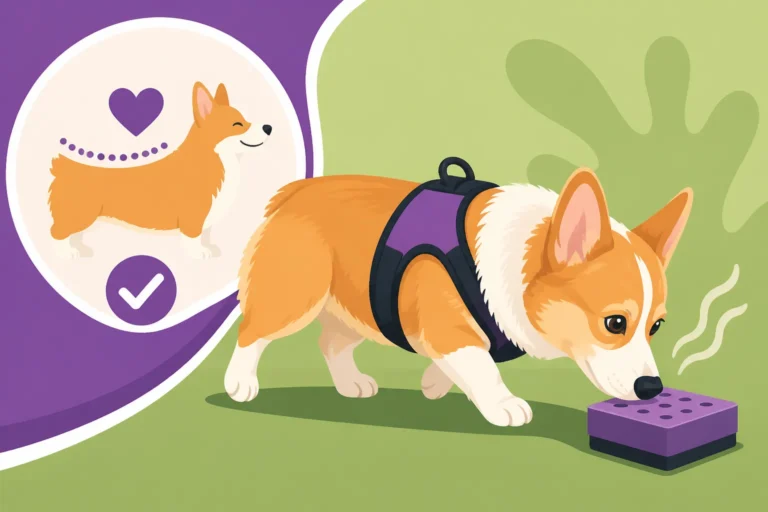
- Provide appropriate outlets: A bored Corgi is a mischievous Corgi. Ensure they have plenty of appropriate chew toys, puzzle feeders, and mental enrichment. The Job a Corgi Needs Instead of Herding You includes things like scent work, interactive toys, or short training sessions.
- Manage jumping: Corgis have long backs that are prone to injury. Teach them early on not to jump off furniture. This is where ramps and steps are invaluable. Incorporate Ramps and Steps That Save a Corgi's Back or even Sofa Ramps a Corgi Will Actually Use into your home setup. Similarly, prevent them from Whether a Corgi Should Ever Jump Off a Sofa by teaching them a "wait" cue before letting them down gently, or picking them up yourself if they are too small to use a ramp safely.
- Supervision: Actively supervise your Corgi, especially when they are young or in new environments. This allows you to interrupt unwanted behaviors with a calm redirection before they become ingrained.
Rebuilding Trust and Engagement
If you’ve found yourself frequently scolding your Corgi and they’ve started to shut down, don’t despair! You can absolutely rebuild trust and engagement through consistent, positive efforts.
Short Bursts of Positive Training
Forget long, drawn-out training sessions. Corgis, with their independent and sometimes short attention spans, benefit immensely from frequent, brief, and fun training. Think 5-10 minute sessions scattered throughout the day. This keeps them engaged without overwhelming them. Focus on foundational commands they already know, rewarding them heavily for success. This success builds their confidence and reinforces that interacting with you is a positive experience.
During these sessions, use high-value rewards – whether it's their favorite squeaky toy, a piece of chicken, or just enthusiastic praise. The key is to make it a game, not a chore. If you notice your Corgi starting to disengage, end the session on a positive note with a command they always get right, and then take a break. Consistency with positive interactions is far more impactful than intense, infrequent "lessons." Programs like BAXTER & Bella’s often emphasize these short, engaging bursts to maintain interest.
Understanding Body Language
Learning to "read" your Corgi's body language is crucial, especially if they tend to shut down. Subtle cues can tell you a lot about how they're feeling and when they might be overwhelmed.
- Signs of stress or disengagement: Averting gaze, licking lips, yawning (when not tired), flattening ears, hunching slightly, freezing, turning their back on you, or slow, deliberate movements. These are all signals that your Corgi is uncomfortable or stressed and may be on the verge of shutting down.
- Signs of engagement: Loose body, wagging tail (often a full body wag), bright eyes, seeking eye contact, relaxed mouth, eager posture, and a willingness to approach. These are the signs that your Corgi is happy, comfortable, and ready to learn.
When you see signs of stress or disengagement, that’s your cue to de-escalate. Lower your voice, change your posture to be less confrontational, or simply give them space. Understanding these signals helps you avoid pushing them past their comfort level and inadvertently causing a shutdown. Knowing A Corgi That Is Wary Rather Than Bold will help you tailor your approach to their individual personality.
When Professional Help is Needed
Sometimes, despite our best efforts, we might need a little extra guidance. If your Corgi's shutdown behavior is persistent, or if you're struggling to make progress with positive reinforcement, it might be time to enlist the help of a professional dog trainer or a veterinary behaviorist.
Look for trainers who use positive, force-free methods and have experience with independent, intelligent breeds like Corgis. A good trainer can observe your interactions, identify triggers you might be missing, and provide tailored strategies for your specific dog. They can also help you understand Whether a Trainer Understands a Herding Corgi and how to leverage their natural instincts constructively. Online resources and communities (like those found through Amazon for books or BAXTER & Bella for virtual coaching) can also be a valuable lifeline for troubleshooting and getting advice from experienced Corgi owners and trainers.
Rebuilding trust and teaching a Corgi to respond without shutting down is a marathon, not a sprint. It requires patience, consistency, and a deep understanding of their unique character. By focusing on positive reinforcement, clear communication, and proactive management, you’ll not only teach your Corgi desired behaviors but also strengthen the incredible bond you share.
Disclaimer
This article is for general informational purposes only and does not constitute professional advice. Laws, prices and regulations vary by location and change over time. Consult a qualified professional for guidance on your specific situation.