Whether a Corgi Ever Says It Is Full
If you’ve ever owned a Corgi, you know the look: the soulful, unwavering gaze fixed on your plate, the subtle paw tap, the sigh that conveys utter starvation, even if they just ate a full meal. It often feels like our beloved low-riders have a bottomless pit for a stomach, constantly on the hunt for more snacks, more kibble, more anything edible. This can be incredibly frustrating and even worrying for owners, especially when you know their health depends on a balanced diet. This guide is here to unravel the mystery of the Corgi's perpetual hunger, helping you understand their eating habits, manage their diet effectively, and keep them happy and healthy without overindulging.
The Corgi's Endless Appetite: Myth or Reality?
It’s a common lament among Corgi owners that their dogs seem to never feel full. They hover, they beg, they clean their bowls as if they haven't seen food in days, only to repeat the performance moments later if given the chance. While it might seem like a unique Corgi trait, there's a strong basis for this behavior rooted in their history and evolution as a breed. It's not necessarily a myth that they seem endlessly hungry; it's often their reality, driven by instinct and learned behaviors.
Born to Herd, Built to Eat: Understanding Their Instincts
Imagine a Corgi's ancestors. These weren't pampered lapdogs; they were hardy, independent working dogs, specifically bred to herd cattle in the Welsh countryside. Their job was physically demanding, requiring bursts of energy, agility, and keen intelligence. They had to be quick, resilient, and ready to work for long hours, often in challenging conditions. In such an environment, food wasn't always plentiful or guaranteed. A dog with a strong drive to consume calories whenever they were available would have a distinct survival advantage.
This instinct to "eat when you can" is deeply embedded in their DNA. Modern Corgis, even those whose "herding" consists of rounding up toddlers or toy balls in the living room, still carry this genetic programming. Their bodies are essentially wired to take advantage of every feeding opportunity, storing energy for tasks that, for most, no longer exist. This means that a Corgi's brain might still be telling it, "There might not be food tomorrow, so eat all the food today!" This isn't gluttony; it's a throwback to their working heritage, a testament to how effectively they adapted to survive and thrive as herding dogs. They evolved to be efficient calorie-consumers, a trait that can lead to problems in a modern, sedentary pet lifestyle.
The "Begging Bowl" Phenomenon: Why They Always Seem Hungry
Beyond ancient instincts, there's a significant behavioral component to why Corgis often appear perpetually hungry. Dogs are incredibly smart and adaptable creatures, and they learn very quickly how to get what they want from their human companions. The "begging bowl" phenomenon is a classic example of this learned behavior, where a Corgi actively solicits food from you, often with great success.
Think about it: when your Corgi stares at their empty bowl, then looks up at you with those big, sad eyes, what's your first instinct? For many of us, it’s to top up the bowl, offer a treat, or share a morsel from our own meal. Every time we do this, we inadvertently reinforce the behavior. Our Corgis quickly learn that looking hungry, pawing, whining, or even nudging the bowl will often result in more food. They associate these actions with a positive outcome (food!), and thus, the cycle continues. It’s not necessarily that they’re physically starving; it’s that they’ve successfully trained us to respond to their cues. They also learn that food isn't just sustenance, but a source of pleasure and attention from their favorite people. This makes it even harder for them to "feel full" when the act of eating, or even the hope of eating, brings so much satisfaction.
The Physiological Truth About Satiety in Corgis
While a Corgi’s deep-seated instincts and learned behaviors play a huge role in their apparent endless appetite, there's also a physiological reality at play. Do their bodies ever signal that they're full? The answer is yes, they do, but these signals can be overridden or misinterpreted by both the dog and the owner. Understanding the science behind hunger and fullness can help us manage our Corgis' diets more effectively.
Hormones, Hunger, and the Corgi Brain
Just like humans, a Corgi's hunger and satiety are regulated by a complex interplay of hormones. The primary players are ghrelin, often called the "hunger hormone," and leptin, the "satiety hormone." Ghrelin levels rise when the stomach is empty, sending signals to the brain that it's time to eat. Conversely, as a Corgi eats and its stomach fills, the intestines release signals that, over time, lead to the release of leptin. Leptin is produced by fat cells and signals to the brain that the body has sufficient energy stores, suppressing appetite and increasing metabolism.
However, this system isn't always perfect, especially in breeds with a strong food drive like Corgis. Some studies suggest that in perpetually hungry individuals (canine or human), there might be a degree of leptin resistance, meaning the brain doesn't receive the "I'm full" signal as strongly or as quickly as it should. Additionally, the sheer pleasure of eating can sometimes override these hormonal signals. A Corgi might feel a physical sensation of fullness in its stomach but still desire more food because it tastes good, or because it associates food with positive interactions. This means there's a crucial difference between being physically full and feeling psychologically satisfied or choosing to stop eating. For many Corgis, the psychological desire to eat often outstrips the physical need.
When a Corgi Actually Stops Eating: Rare Occasions
It's tempting to think a Corgi will eat until it bursts, but there are indeed circumstances when a healthy Corgi will voluntarily stop eating. However, these situations are usually quite specific and often indicate a problem rather than a normal state of satiety. A truly healthy, food-motivated Corgi rarely leaves food in its bowl unless something is genuinely amiss.
One common reason a Corgi might stop eating is if they are unwell. A stomach upset, nausea, dental pain, or a more serious underlying illness can all suppress their appetite. If your Corgi, who usually inhales its meals, suddenly turns its nose up at food, it's a significant red flag that warrants a call to the vet. Extreme stress or anxiety can also lead to a temporary loss of appetite, as can certain medications. In rare cases, a Corgi might simply be too full to the point of discomfort, especially if they've managed to sneak into a bag of kibble and gorged themselves. Even then, it's usually a reactive stop (their body physically can't take more) rather than a proactive decision based on feeling satisfied. In a normal, daily feeding scenario, a Corgi typically will not say "no more" until the food source is completely gone, demonstrating just how powerful their drive to eat can be.
The Dangers of Believing a Corgi "Knows Best" About Food
It’s easy to fall into the trap of thinking our Corgis know what’s best for themselves, especially when they act so convincingly hungry. But blindly following their lead when it comes to food can lead to serious health consequences that impact their quality of life and longevity. Given their unique physical structure, particularly their long backs and short legs, maintaining an ideal weight is paramount.
The Silent Threat of Weight Gain
For Corgis, extra weight isn't just a cosmetic issue; it's a profound health risk that can silently shorten their lives and dramatically reduce their comfort. Their characteristic long backs are already predisposed to spinal issues, most notably Intervertebral Disc Disease (IVDD). Even a few extra pounds dramatically increase the stress on their delicate spinal discs, making them far more susceptible to rupture or herniation. Imagine carrying a heavy backpack all day, every day – that's what even a slightly overweight Corgi experiences. This continuous strain can precipitate a devastating disc injury, leading to pain, paralysis, and costly medical interventions like surgery. To understand the specific risks, you might want to read more about Disc Disease in a Long-Backed Corgi and Why Corgi Weight Is a Spinal Problem.
Beyond spinal concerns, obesity in Corgis contributes to a host of other serious health problems. They become more prone to joint issues like arthritis, as their short legs and existing structure struggle under the added load. Diabetes, heart disease, respiratory problems (especially in hotter climates given their dense double coats), and even certain types of cancer are all more prevalent in overweight dogs. Their energy levels drop, their desire to play diminishes, and their overall quality of life suffers immensely. It’s a cascading effect, where one problem often leads to another, creating a challenging situation for both the dog and the owner. This is why understanding The Body Condition Score a Corgi Owner Aims For is so important.
Managing Portions vs. Free-Feeding
One of the biggest culprits in Corgi weight gain is the practice of "free-feeding," where a bowl of kibble is left out all day for the dog to graze on as they please. While this might seem convenient or even kind, for a breed like the Corgi with its strong food drive, it's a recipe for disaster. As we've discussed, a Corgi rarely says no to food, so a constantly available supply means constant eating. This almost invariably leads to overconsumption and weight gain. It removes any control the owner has over calorie intake and undermines the dog's ability to regulate its own food, which, for Corgis, is often non-existent.
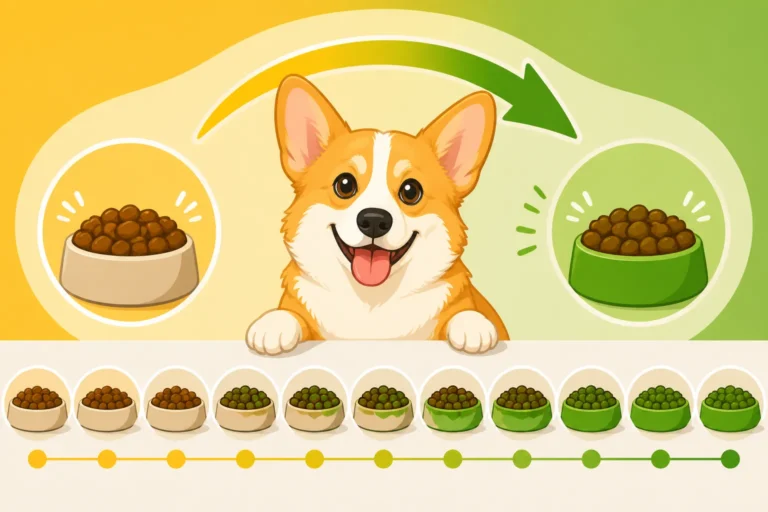
Instead, strict portion control is essential. This means feeding your Corgi measured meals at set times, usually twice a day. This approach ensures that you know exactly how many calories your dog is consuming, allowing you to tailor their intake to their activity level and ideal weight. It also helps establish a routine, which many dogs thrive on, and teaches them to anticipate meals rather than constantly demand food. If you're wondering why this method is so crucial, take a look at Why a Corgi Should Never Eat Free Choice. Transitioning from free-feeding to scheduled meals can be a challenge initially, as your Corgi will likely protest, but it's one of the most impactful changes you can make for their long-term health.
Strategies for Satisfying a Corgi Without Overfeeding
Since we've established that a Corgi likely won't police its own food intake, the responsibility falls squarely on us, their human companions. The good news is that there are many effective strategies to manage their diet, keep them healthy, and even make them feel more satisfied without piling on the pounds. It's all about smart feeding and creative enrichment.
The Art of Measured Feeding and Appropriate Treats
The cornerstone of successful weight management for a Corgi is precise measured feeding. This isn't just guessing with a cup; it's about using an actual kitchen scale to weigh out their daily kibble allowance. Different kibble brands have different densities, so a "cup" of one might be significantly more calories than a "cup" of another. Weighing ensures consistency and accuracy. Start by finding out The Calorie Target for a Twenty-Eight Pound Corgi (adjusting for your Corgi's ideal weight) and then divide that into two or three meals per day. Many veterinarians and reputable food brands will provide guidance on calorie counts per serving, which you can then adjust based on your Corgi's individual metabolism and activity level.
When it comes to treats, remember they contribute to the total daily calorie intake. Don't think of them as "extra" food. Instead, integrate them into their daily allowance. This means if your Corgi gets X calories of kibble, and you give Y calories in treats, their kibble portion needs to be reduced accordingly. This concept is crucial for managing weight, and you can learn more about it in Keeping Treats Inside a Corgi's Ration. For convenient tools like kitchen scales or precise measuring cups, online retailers like Amazon or specialized pet supply stores like Chewy offer a wide variety of options that can make accurate feeding much simpler.
Enrichment Feeding: Making Mealtime Last
One key to making a Corgi feel more satisfied is to make their meals last longer and engage their brains. Gulping down a bowl of food in 30 seconds leaves them feeling just as "empty" as before, even if their stomach is full. Enrichment feeding turns mealtime into a mental exercise, tapping into their natural foraging instincts.
- Food Puzzle Toys: These toys require your Corgi to manipulate them to release kibble or treats. This slows down eating, provides mental stimulation, and satisfies their desire to "work" for food.
- Slow Feeder Bowls: Designed with ridges or mazes, these bowls prevent rapid eating. They’re a simple, effective tool for Corgis who inhale their meals.
- Kibble Scattering: Instead of putting all their food in a bowl, scatter a portion of their kibble in the yard (weather permitting) or around a room. This mimics natural foraging and uses up some mental and physical energy.
- Using Kibble for Training: This is a fantastic way to bond with your Corgi, reinforce good behaviors, and provide mental stimulation, all while delivering their daily calories. Instead of separate treats, use small portions of their regular kibble for training sessions. This strategy is explored further in Using a Corgi's Own Kibble as Training Currency.
These methods make mealtime more than just eating; they make it an enriching experience that can leave your Corgi feeling more content, even on a controlled diet.
High-Fiber Options and Calorie-Conscious Snacks
Sometimes, even with measured meals, a Corgi will still act hungry. This is where strategic, low-calorie additions can be a lifesaver. High-fiber foods can help them feel fuller because they add bulk without adding many calories.
- Vegetables: Many Corgis love certain vegetables. Cooked green beans, baby carrots, broccoli florets, or even apple slices (without seeds!) can be excellent, healthy snacks. These are low in calories and high in fiber, helping to fill them up. Just be sure to introduce new veggies slowly to avoid stomach upset. For example, Whether Carrot Sticks Satisfy a Corgi is a question many Corgi owners grapple with, and often, the answer is yes!
- Specialty Low-Calorie Treats: If you prefer commercial treats, look for those specifically marketed as low-calorie or weight management. Again, remember to factor these into their daily calorie budget. Brands available on Chewy or Amazon often have a good selection of these.
- Pumpkin: A spoonful of plain, canned pumpkin (not pie filling!) can be a great fiber boost and many Corgis adore the taste. It can also aid in digestion.
Always ensure any human food you offer is safe for dogs and given in moderation. A quick search can confirm if a particular fruit or vegetable is safe.
Monitoring Your Corgi's Body Condition
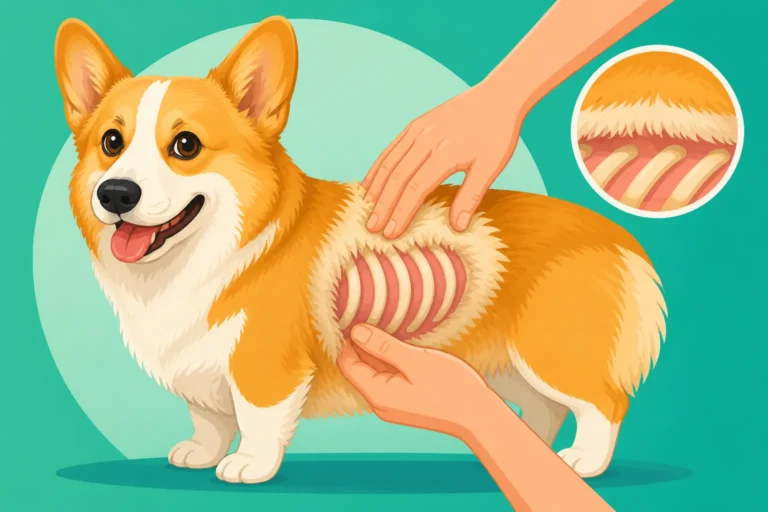
Even with the best feeding strategies, it's crucial to regularly monitor your Corgi's body condition. Their dense double coat can be incredibly deceptive, hiding weight gain until it becomes a significant problem. Relying solely on the scale isn't enough; you need to learn how to assess their physical shape.
Beyond the Scale: The Body Condition Score
The Body Condition Score (BCS) is a veterinary tool that helps assess a dog's fat reserves and muscle mass. It's typically on a 9-point scale, with 4 or 5 being ideal. While a vet can give you an accurate BCS, you can learn to do a basic assessment at home. For a Corgi, this means getting hands-on because their fluffy fur can make visual assessment tricky.
Start by feeling along their rib cage. You should be able to feel their ribs easily, like feeling the knuckles on the back of your hand, without them being visibly prominent (like knuckles on a clenched fist). If you have to press hard to feel them, your Corgi is likely overweight. Next, feel along their spine. You should be able to feel the bony prominences of the vertebrae without pressing too hard. Finally, look at their waist from above (when standing) and from the side. An ideal Corgi should have a visible waistline tucked up behind their ribs, rather than a straight or bulging line. This can be tricky with their low stature and long body, but it's important to look for a subtle tuck. You can dive deeper into this topic by looking at What a Pembroke Should Weigh to get a benchmark for your dog. For specific guidance on how to feel for ribs through their thick coat, refer to Feeling for Ribs Through a Corgi's Undercoat.
Recognizing True Hunger vs. Begging Behavior
One of the biggest challenges for Corgi owners is distinguishing between genuine hunger and learned begging behaviors. Your Corgi might give you the same sad eyes for a piece of cheese as they would if they truly missed a meal. Learning to differentiate can save your Corgi from unnecessary calories and help you maintain discipline.
True Hunger Signs often include:
- Restlessness before mealtime.
- Increased salivation.
- Focusing intently on where food is stored or prepared.
- A "hungry whine" that sounds different from a "want attention" whine.
- If they've genuinely gone longer than usual between meals.
Begging Behaviors, on the other hand, are often:
- Eye contact while you're eating.
- Paw tapping or nudging.
- Sitting or standing near you, especially in the kitchen or dining area, without other true hunger cues.
- Barking or vocalizing specifically when you have food, even after they've eaten.
- Following you around the house in anticipation of a treat, regardless of recent meal times.
The key is consistency. Stick to your feeding schedule and resist the urge to give in to begging. It might feel harsh at first, but you're teaching your Corgi that begging won't yield results, and ultimately, you're protecting their health.
Here's a quick comparison to help you distinguish:
| Feature | True Hunger Signals | Begging Behaviors (Learned) |
|---|---|---|
| Timing | Typically occurs around scheduled meal times | Can occur at any time, especially when humans are eating |
| Vocalizations | Specific "hungry" whines, pacing, focused anticipation | Attention-seeking barks, sighs, nudges |
| Body Language | Pacing, sniffing food areas, intense focus on food source | Intense staring at human/food, pawing, nudging, sitting expectantly |
| Response to "No" | May eventually settle, but remains focused on food | May try different tactics, or give up until next opportunity |
| Motivation | Physiological need for sustenance | Desire for treats, human food, or attention |
| Consistency | Fairly consistent prior to meal times | Highly variable, often opportunistic |
When to Consult Your Vet About Corgi Eating Habits
While many Corgi eating habits are normal (albeit challenging) for the breed, there are times when changes in appetite or persistent issues warrant professional veterinary advice. It’s always better to err on the side of caution when it comes to your dog's health.
Sudden Changes in Appetite
Any sudden or dramatic shift in your Corgi's eating habits should be a cause for concern and a prompt call to your veterinarian. If your notoriously food-obsessed Corgi suddenly stops eating or shows a significant decrease in appetite, it's a major red flag. This could indicate:
- Illness: Many health issues, from minor stomach upset to serious organ disease or infections, can cause a loss of appetite.
- Dental Pain: A painful tooth or gum infection can make eating uncomfortable, leading your Corgi to avoid food.
- Stress or Anxiety: Major changes in routine, new pets, or household stress can sometimes temporarily impact appetite.
- Medication Side Effects: Some medications can cause nausea or appetite suppression.
Conversely, a sudden and insatiable increase in appetite, even beyond a Corgi’s usual food drive, could also signal a problem. Conditions like diabetes, Cushing's disease, or thyroid issues can sometimes manifest as increased hunger alongside weight gain or loss. If your Corgi is constantly ravenous despite seemingly adequate meals and is losing weight, or gaining an alarming amount, it's definitely time to get them checked out. These conditions require veterinary diagnosis and treatment.
Crafting a Personalized Nutrition Plan
Your veterinarian is your best partner in developing a personalized nutrition plan tailored to your Corgi's specific needs. They can help you determine the precise The Calorie Target for a Twenty-Eight Pound Corgi (adjusted for your individual dog), taking into account their age, activity level, current weight, and any existing health conditions. This is particularly important if your Corgi needs to lose weight; your vet can advise on How Slowly a Corgi Should Come Down in Weight to ensure it's healthy and sustainable.
During a vet visit, you can discuss:
- Type of Food: Whether your Corgi would benefit from a specific type of kibble, wet food, or even fresh-prepared meals. Some Corgi owners find success with services like Ollie that provide pre-portioned, fresh food, making calorie control easier.
- Dietary Supplements: If your Corgi has joint issues or other specific needs, your vet might recommend certain supplements.
- Weight Loss Diets: If your Corgi is overweight, your vet might suggest a prescription weight-loss diet, which is specially formulated to be lower in calories but still provide essential nutrients and a feeling of fullness. This is a common discussion point, as many wonder Whether a Corgi Needs a Vet Diet or Just Less.
- Underlying Medical Conditions: They can rule out any medical reasons for unusual eating behaviors or weight fluctuations.
Working with your vet ensures that your Corgi receives optimal nutrition and maintains a healthy weight, which is the best defense against many of the health challenges common to the breed, particularly those related to their long backs. This proactive approach to their health and well-being will lead to a happier, longer life for your furry family member. Caring for a Corgi involves a significant financial commitment over their lifetime, and preventative care through proper nutrition can help manage The First Twelve Months of Corgi Spending and beyond.
Disclaimer
This article is for general informational purposes only and does not constitute professional advice. Laws, prices and regulations vary by location and change over time. Consult a qualified professional for guidance on your specific situation.