Why a Corgi Should Never Eat Free Choice
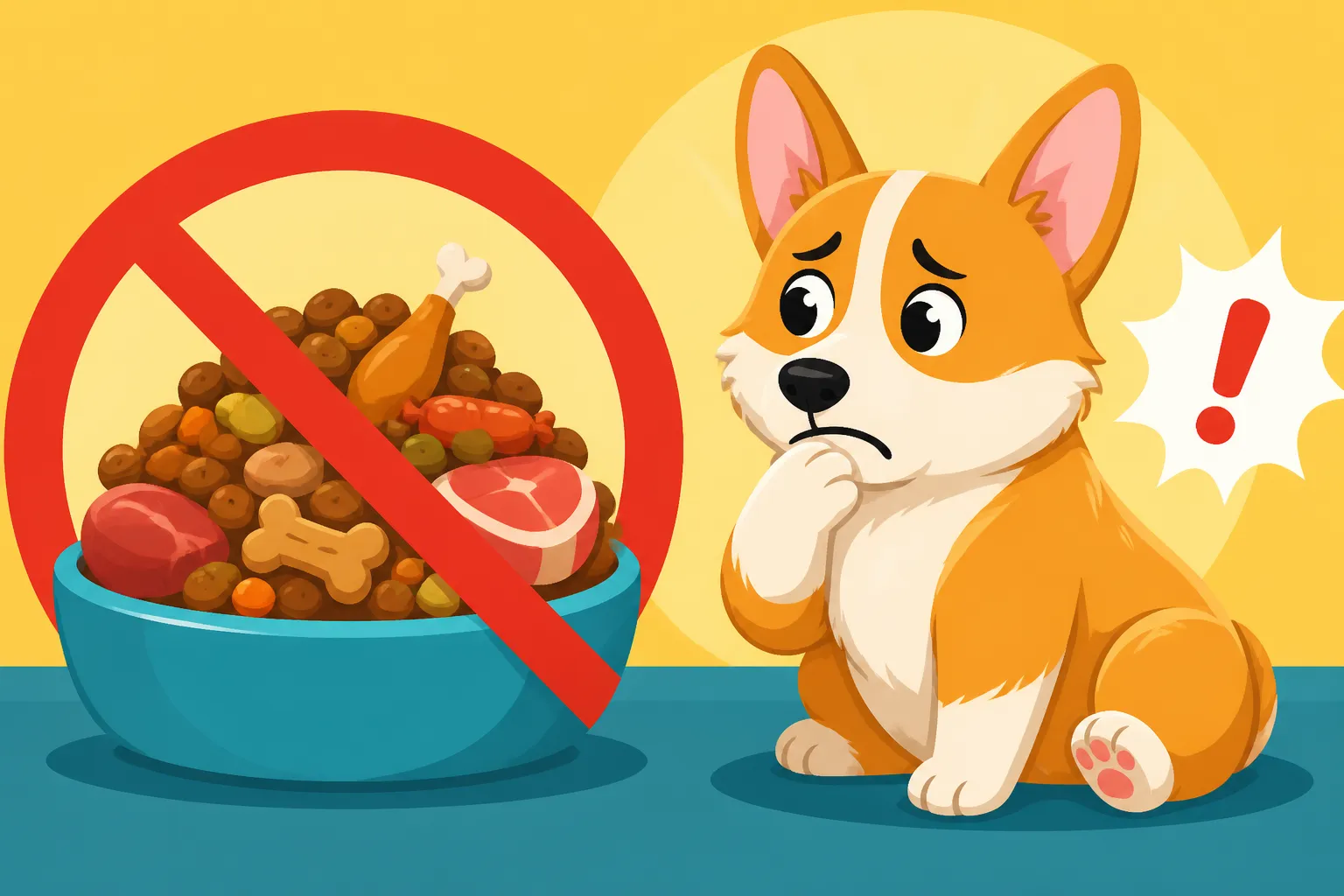
It's so tempting, isn't it? To just fill the bowl in the morning and let your sweet Corgi graze throughout the day, thinking they'll eat only what they need. Many of us have been there, lured by the promise of convenience or the belief that our dogs will self-regulate. But for Corgi owners, this "free-choice" feeding method is a silent saboteur, undermining your pup's health in ways you might not even realize. This guide will walk you through exactly why free-feeding can be so detrimental to our beloved Corgis and, more importantly, how to establish a feeding routine that supports their long-term well-being.
The Corgi's Eternal Hunger: Why "Self-Regulating" Is a Myth for This Breed
Let's be honest, Corgis are notorious for their love of food. It's not just a cute quirk; it's deeply ingrained in their history and genetics. These smart, tenacious little dogs were bred to be herders, working alongside farmers in tough conditions where food wasn't always plentiful. Their bodies became incredibly efficient at utilizing every calorie and, perhaps more importantly, at consuming whatever was available because they didn't know when their next meal might come. This isn't laziness; it's an evolutionary survival mechanism that our modern, pampered pups still carry.
A History of Hunter-Gatherer Instincts
Think about it: a Corgi's ancestors weren't sitting around with bowls of kibble readily available. They were constantly on the move, burning energy, and if they found food, they ate it. All of it. This isn't just about feeling full; it's about making the most of a resource. So, when you put a big bowl of delicious food down, your Corgi's ancient instincts kick in. Their brain isn't telling them, "Oh, I'm satiated, I should stop." Instead, it's whispering, "Eat now, it might be gone later!" This is why many Corgis will eat until they physically can't eat anymore, not because they're truly hungry, but because their genetic programming tells them to.
The Problem with Unlimited Access
When food is always available, your Corgi never learns true portion control. They snack throughout the day, often consuming far more calories than their relatively small, active bodies actually need. This constant availability also removes the structured routine that many dogs, especially intelligent breeds like Corgis, thrive on. Meal times become unpredictable, and the satisfaction of a clear beginning and end to their eating experience is lost. It might seem like you're providing abundance, but in reality, you're setting them up for a lifelong struggle with their waistline. For a deeper dive into their genetic predispositions, you might find The Cattle Dog Behind the Corgi insightful.
The Avalanche of Health Problems: When Free-Feeding Undermines Your Corgi's Well-Being
The biggest, most immediate danger of free-feeding a Corgi is obesity. But it's not just about aesthetics; those extra pounds act as a catalyst for a host of serious health issues, many of which are particularly devastating for a breed like the Corgi with their unique physical structure.
The Direct Link to Obesity
Obesity in Corgis isn't just a concern for their general health; it's a critical threat to their signature long back. Imagine carrying a backpack filled with bricks all day, every day. That's what extra weight feels like to your Corgi's spine. Each additional pound puts immense strain on their intervertebral discs. These discs, which act as shock absorbers between the vertebrae, are already prone to issues in Corgis due to their chondrodystrophic (short-legged) build. Free-feeding almost guarantees that your Corgi will consume more calories than they burn, leading to inevitable weight gain. You can learn more about how weight impacts them in Why Corgi Weight Is a Spinal Problem.
Increased Risk of Intervertebral Disc Disease (IVDD)
When those discs are under constant pressure from excess weight, they are much more likely to bulge, herniate, or even rupture. This condition, known as Intervertebral Disc Disease (IVDD), can be incredibly painful and debilitating, leading to partial or complete paralysis. A Corgi's spine is already a point of vulnerability, and obesity amplifies this risk exponentially. We're talking about an increased chance of emergency vet visits, costly surgeries, and a significantly reduced quality of life for your furry friend. The emotional and financial toll of Paying for a Corgi's Ruptured Disc is something no Corgi owner wants to face.
Exacerbating Degenerative Myelopathy (DM)
While DM is a genetic condition, not directly caused by weight, maintaining a healthy weight is crucial for Corgis who may be at risk or already diagnosed with the condition. The additional stress on their joints and spine from obesity can accelerate the progression of symptoms, making mobility even more challenging. An overweight Corgi struggling with DM will find it much harder to move, maintain balance, and perform daily tasks, essentially speeding up the time until they might need assistance like a cart. Understanding Degenerative Myelopathy and the Corgi is key for all owners.
Other Serious Health Consequences
Beyond spinal issues, an overweight Corgi faces many other dangers:
- Joint Damage: Their sturdy but short legs and hips bear the brunt of extra weight, leading to conditions like arthritis and hip dysplasia developing earlier or more severely. Joint Damage From Corgi Weight Gain is a real concern.
- Diabetes: Just like in humans, obesity is a major risk factor for developing diabetes in dogs, requiring lifelong management of insulin injections and special diets. You can read more about Diabetes Risk in an Overweight Corgi.
- Heart and Respiratory Issues: Extra weight makes the heart work harder and can strain the respiratory system, especially in a breed that can be prone to heat sensitivity due to their double coat.
- Reduced Lifespan: Plain and simple, obese dogs tend to live shorter lives. Every extra pound can shave months or even years off their precious time with you.
Establishing a Healthy Feeding Routine: Bringing Control Back to the Bowl
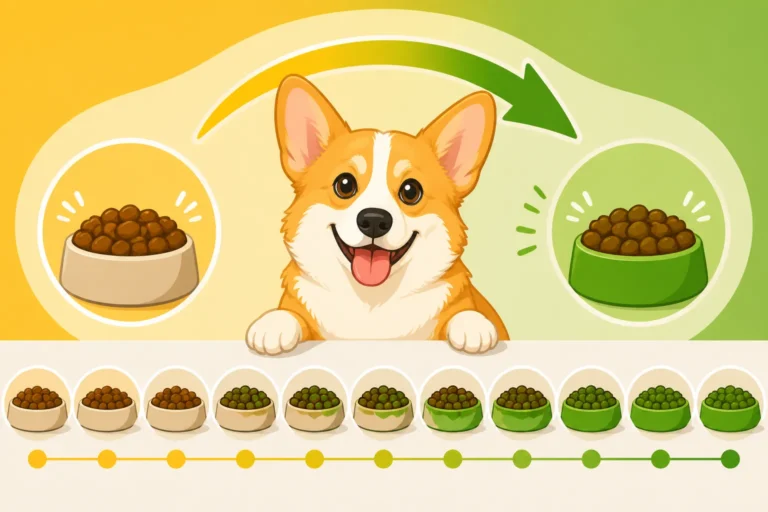
Moving away from free-feeding might feel like a big change, but it’s one of the most impactful things you can do for your Corgi's health. Scheduled feeding provides structure, allows for portion control, and helps you monitor your dog's appetite and overall health.
The Benefits of Scheduled Meals
Scheduled meals offer a myriad of advantages that free-feeding simply cannot:
- Precise Portion Control: This is the absolute cornerstone of weight management for Corgis. When you feed at set times, you measure out exactly how much food your Corgi gets. This allows you to tailor their calorie intake to their activity level, age, and individual needs, helping them maintain The Body Condition Score a Corgi Should Hold. If you're unsure about the right amount, look for guidelines on the food packaging or consult your vet, especially for The Calorie Target for a Twenty-Eight Pound Corgi.
- Better Digestion: Regular feeding times help regulate your dog's digestive system, leading to more predictable bowel movements. This can be particularly helpful for house-training puppies or managing older dogs.
- Appetite Monitoring: When you feed on a schedule, you quickly notice if your Corgi isn't eating with their usual gusto, or if they're suddenly ravenous. This can be an early indicator of illness or other health issues, allowing you to seek veterinary attention sooner. It's much harder to spot changes in appetite when the bowl is always full.
- Reduced Begging and Resource Guarding: Believe it or not, a consistent feeding schedule can actually reduce begging. When dogs know exactly when their next meal is coming, they often feel less anxious about food scarcity. They learn that food will arrive, reliably, at certain times, rather than constantly hoping for a free-for-all. This can also help prevent resource guarding issues, as they don't feel the need to protect their perpetually available food source.
- Stronger Bond: Mealtime can become a ritual, a moment of connection between you and your Corgi. It's a prime opportunity for training, positive reinforcement, and just spending quality time together.
How to Transition to a Scheduled Routine
If your Corgi is used to free-feeding, the transition might take a little patience, but it's absolutely doable:
- Determine Portion Size: Start by calculating your Corgi's ideal daily calorie intake based on their age, weight, and activity level. Your vet is the best resource for this. Use a precise measuring cup (you can find reliable ones on platforms like Amazon) and stick to the recommended amount. Remember, How Little an Adult Corgi Actually Eats might surprise you!
- Choose Meal Times: Most adult Corgis do well with two meals a day, usually morning and evening. Puppies, especially younger ones, may need three or four smaller meals. Pick times that fit your family's routine consistently.
- Implement the Schedule: Put the measured food down for 15-20 minutes. If your Corgi doesn't eat it all within that time, pick the bowl up. Don't offer more food until the next scheduled meal. Yes, they might ignore it at first, staging a hunger strike, but they will eventually learn. They won't starve themselves.
- Stay Strong: This is where many owners falter. Your Corgi might give you those famous sad eyes or start A Corgi That Stares at You Through Dinner. It's tough, but remember you're doing this for their health. Consistency is key. Everyone in the household needs to be on board with the new routine.
Selecting the Right Food
Choosing a high-quality food is just as important as how you feed it. Look for foods with whole meat as the first ingredient and avoid excessive fillers. There are many great options available, whether you prefer kibble, wet food, or fresh options from companies like Ollie. Many Corgi owners explore diverse selections on sites like Chewy to find what works best for their individual pup's needs and sensitivities. If your Corgi is already overweight, your vet might recommend a specific weight management formula, so don't be afraid to ask about Whether a Corgi Needs a Vet Diet or Just Less.
| Feature | Free-Feeding | Scheduled Feeding |
|---|---|---|
| Portion Control | Very difficult; encourages overeating | Easy to measure and adjust |
| Weight Management | High risk of obesity | Excellent for maintaining ideal weight |
| Health Monitoring | Hard to detect appetite changes | Easy to spot changes in eating habits |
| Digestion | Can lead to inconsistent bowel movements | Promotes regular and predictable digestion |
| Behavior | May encourage begging, resource guarding | Can reduce anxiety around food; aids training |
| Owner Effort | Appears low effort, but high health risk | Requires consistency, but high health reward |
| Bonding | Minimal interaction during feeding | Creates positive routine and interaction |
Beyond the Bowl: Managing Treats, Scraps, and Training Rewards Wisely
Even with a perfect feeding schedule, your Corgi's waistline can still suffer if you're not careful about "extras." Treats, table scraps, and even rewards during training can add a significant number of hidden calories that quickly undo all your hard work at meal times. Corgis are masters of persuasion, and their begging skills are legendary, making it even harder to resist.
The Calorie Creep of Treats and Scraps
It's easy to forget that treats, no matter how small, contain calories. A handful of small training treats throughout the day, a tasty chew, or a few bites of human food can quickly add up to an entire extra meal's worth of calories. For a Corgi, whose calorie requirements are already relatively modest compared to larger breeds, this "calorie creep" is particularly dangerous. They are often incredibly persistent and expressive when they want something, leading many owners to cave. If you've ever thought Whether Corgis Beg Harder Than Other Breeds, you're not alone!
Consider this: A single bite of cheese or a piece of chicken from your plate might seem insignificant to you, but for a 25-pound Corgi, it's equivalent to a human eating a significant snack or even a small meal. These seemingly harmless additions contribute directly to the problems we discussed earlier, from spinal stress to diabetes risk.
Smart Snacking and Training Rewards
This isn't to say your Corgi can never have a treat! It's all about mindful management:
- Count Them In: Factor any treats or chews into your Corgi's total daily calorie allowance. If you give a treat, subtract that equivalent amount of kibble from their next meal.
- Choose Wisely: Opt for low-calorie, healthy treats. Small pieces of plain, cooked chicken, carrots, green beans, or even their regular kibble can make excellent training rewards. There are also many commercial low-calorie dog treats available on sites like Chewy or Amazon.
- Use Food-Dispensing Toys: Instead of just handing out treats, make your Corgi work for them! Puzzle toys that dispense kibble or small treats can provide mental stimulation and slow down consumption, making a small amount of food last longer.
- Avoid Table Scraps: This is a hard rule that's best adhered to. Not only are many human foods unhealthy or even toxic for dogs, but giving scraps reinforces begging behavior and can lead to digestive upset. Teach your Corgi that your mealtime is not their mealtime.
- Non-Food Rewards: Remember that not all rewards have to be food-based. Praise, a quick game of tug, a favorite squeaky toy, or a good ear scratch can be just as motivating for your Corgi, especially during training sessions. This helps build a deeper connection that isn't solely focused on food.
By being diligent about all sources of calories, you empower your Corgi to live their healthiest, happiest life. It takes discipline, but seeing your Corgi thrive at a healthy weight, full of energy and free from preventable ailments, is the greatest reward of all. Managing their diet is a year-round commitment, but particularly important as they age and their activity levels may decrease. Being proactive can save you from The Two Ages a Corgi Gets Expensive.
Disclaimer
This article is for general informational purposes only and does not constitute professional advice. Laws, prices and regulations vary by location and change over time. Consult a qualified professional for guidance on your specific situation.