The Cattle Dog Behind the Corgi
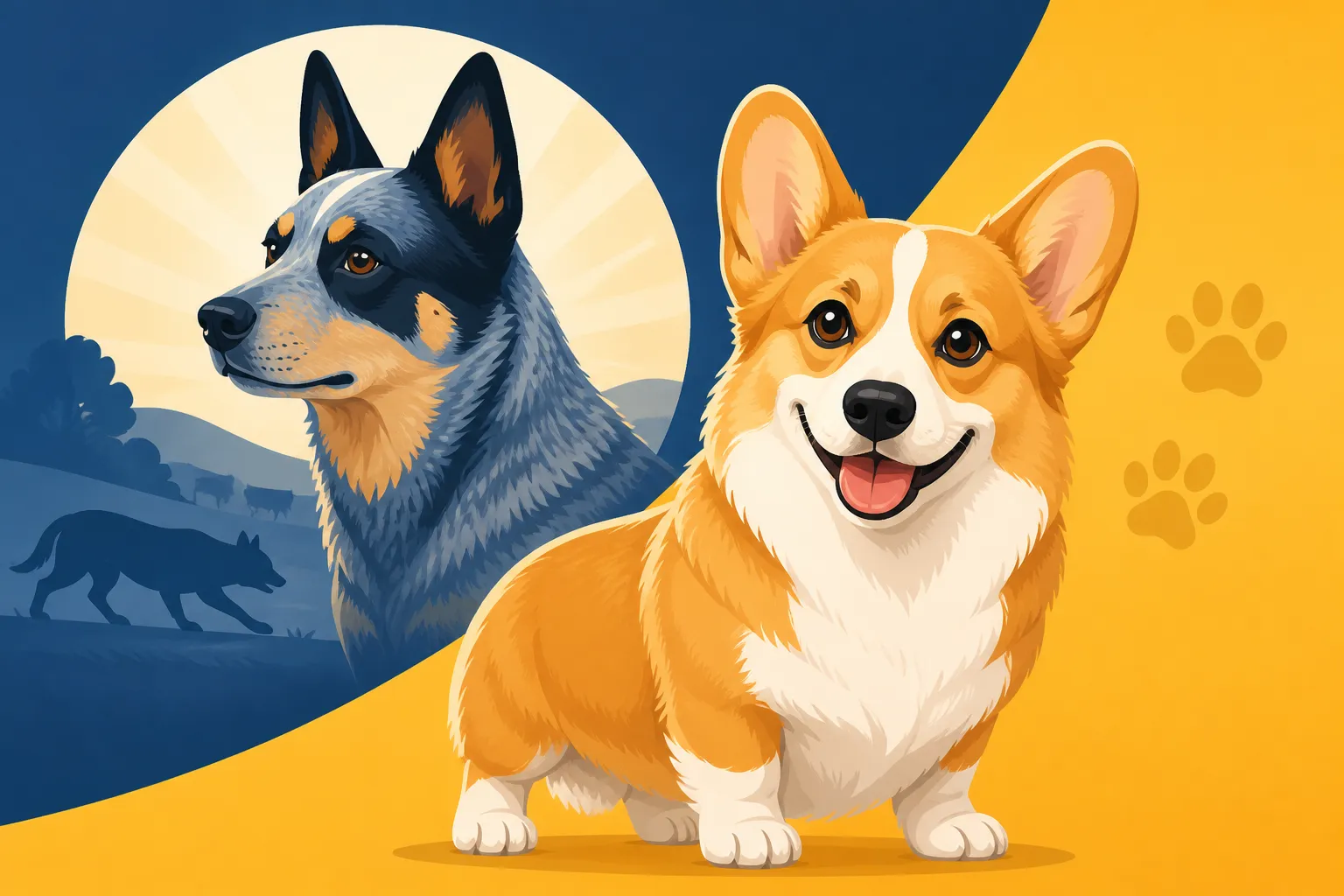
It's easy to look at a Corgi, all fluffy and low to the ground, and see nothing but an adorable, perpetually smiling companion. But beneath that charming exterior lies the heart of a tenacious, intelligent working dog with centuries of history. Many new Corgi owners are often surprised, and sometimes frustrated, by behaviors like nipping at heels or incessant barking, not realizing these are direct links to their dog's cattle-driving past. This guide will take a deep dive into the fascinating heritage of the Corgi as a cattle dog, helping you understand their core instincts and how to live harmoniously with these remarkable little herders.
The Ancient Origins of the Herding Corgi
Before Corgis became internet sensations and royal companions, they were indispensable working dogs on the farms and fields of Wales. Their very existence is intertwined with the agricultural practices of their homeland, evolving to meet the specific demands of herding livestock. It wasn't just a job; it was their purpose, their identity.
Geographical Factors and Early Welsh Farms
Imagine the rugged, often hilly terrain of rural Wales, dotted with small family farms. These weren't sprawling ranches with vast open plains; they were often confined, sometimes rocky pastures, with livestock that needed careful management. The farmers needed dogs that could work independently, move agilely, and control powerful animals much larger than themselves without getting injured. It was a tough environment that demanded a unique kind of canine. The Corgi's short stature, for instance, wasn't just a quirky trait; it was a crucial adaptation to this landscape. They needed to be able to navigate dense undergrowth and uneven ground without getting tangled or tiring quickly.
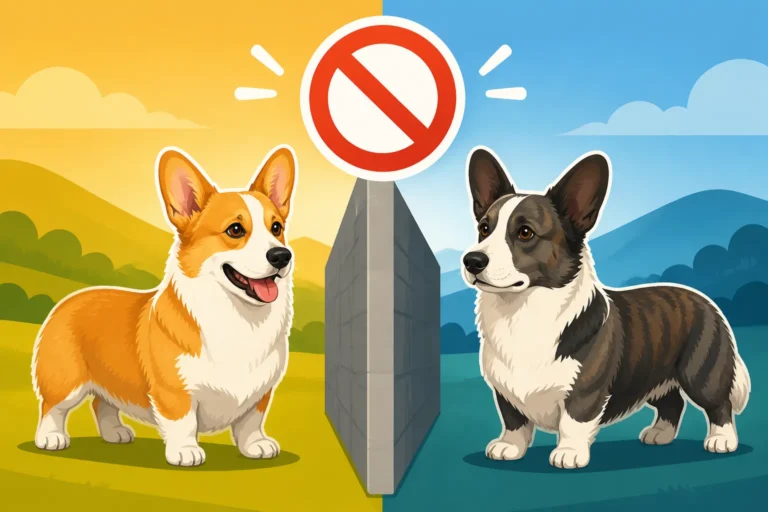
The development of the Corgi breeds—the Pembroke and the Cardigan—is rooted deeply in these specific needs. While they're often lumped together, their histories diverge, reflecting different regional needs and possibly different ancestral lines. The Cardigan Welsh Corgi, for example, is thought to be the older of the two, tracing its lineage back over a thousand years to the Teckel family of dogs, suggesting a much deeper, more ancient connection to the land and its working requirements.
What a Welsh Corgi Did on a Farm All Day
A Corgi's workday was relentless and varied. Their primary role was to move cattle, not just from one pasture to another, but also to markets and away from crops. These weren't gentle nudges; they were firm, decisive movements. Farmers relied on these dogs to be their extra pair of hands, or rather, paws. It wasn't just about moving the herd; it was about protecting them, guiding them, and sometimes even defending the farm.
They were responsible for "heeling" the cattle—nipping at the heels of stubborn cows to keep them moving, then dropping quickly to avoid a retaliatory kick. This required immense bravery, quick reflexes, and an unwavering focus. They also helped with general farm duties, often serving as alarm systems, barking at strangers or unusual sounds. Their intelligence was critical; they had to learn complex routes, understand subtle commands, and make judgment calls on their own, especially when working out of sight of their human handler. This independent thinking is a trait that still shines through in our modern Corgi companions, sometimes to our delightful frustration! You can read more about What a Welsh Corgi Did on a Farm All Day.
Built Low to the Ground: A Herder's Ingenuity
The most striking physical characteristic of the Corgi is, without a doubt, its short legs and long body. While adorable, these features are not mere quirks of breeding; they are highly specialized adaptations that made them exceptionally effective cattle dogs. Every aspect of their unique build served a purpose in the field.
Why the Corgi Was Bred So Low
Their low stature wasn't just for looking cute; it was a matter of safety and efficiency. Being so close to the ground allowed them to duck and weave beneath the powerful hooves of cattle, minimizing the risk of getting trampled. Imagine a Corgi, only six to twelve inches tall at the shoulder, navigating a field full of massive cows. Their ability to stay low kept them out of harm's way while they performed their crucial task of moving the herd.
This low center of gravity also contributed to their remarkable agility. They could turn on a dime, dart in, nip a heel, and then swiftly retreat. This quick burst of speed and maneuverability was paramount in a job where a moment's hesitation could mean serious injury. It's truly a marvel of natural and selective breeding, creating a dog perfectly suited for a dangerous, demanding role. The breed standard today still emphasizes this robust, low-set frame as essential to the Corgi's historic purpose.
Driving Cattle With a Corgi Six Inches Tall
The technique of "heeling" is central to understanding how a Corgi worked. They didn't push or herd from behind in the way a Border Collie might. Instead, they would run underneath or alongside the cattle, delivering sharp, precise nips to the animals' hocks or heels. This quick, startling action was enough to prompt the cattle to move forward without causing serious injury. Then, just as quickly, the Corgi would drop to the ground or duck under the cow's belly to avoid a kick.
This specialized method required incredible courage and intelligence. A Corgi had to read the cattle's body language, anticipate their movements, and know exactly when to strike and when to retreat. This wasn't just brute force; it was a sophisticated dance of intimidation and evasion. It's astonishing to think of a dog so small commanding such large, powerful animals, but it speaks volumes about their innate drive and capability. The phrase Driving Cattle With a Corgi Six Inches Tall perfectly encapsulates this incredible feat of working dog prowess.
The Corgi's Instincts: More Than Just a Pretty Face
While the modern Corgi often lives a life of leisure, their ancestral instincts are deeply ingrained. These aren't just cute habits; they are echoes of their working past, sometimes leading to behaviors that puzzle new owners. Understanding these innate drives is key to managing a happy and well-adjusted Corgi.
The Cattle-Driving Nip a Corgi Still Has
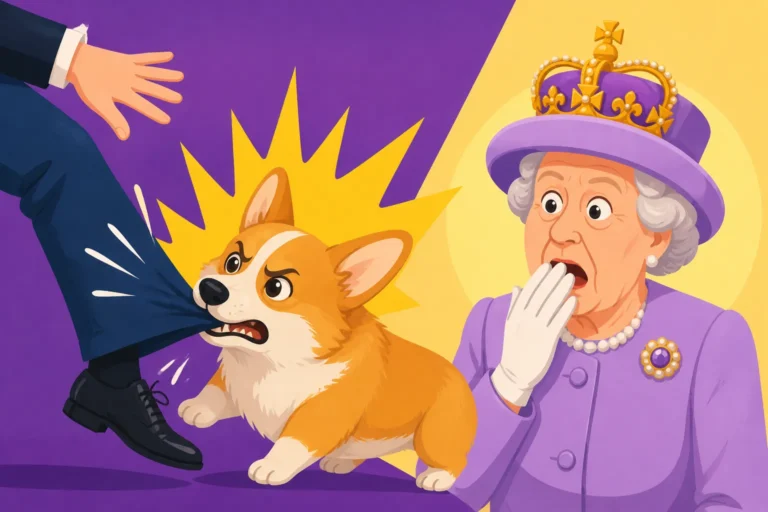
Perhaps the most famous, or infamous, inherited trait is "the nip." Corgis were bred to nip at the heels of cattle, and this instinct can manifest in a pet Corgi by nipping at the heels or ankles of family members, especially children or anyone who runs past them. It's not aggression; it's an instinctual attempt to "herd" or control movement.
This behavior can be surprising, even a little painful, for unsuspecting owners. It's crucial to understand that your Corgi isn't being mean; they're just doing what their ancestors did for centuries. Management and redirection are key. Instead of scolding, redirect this energy into appropriate outlets. Perhaps a soft toy on a rope that they can "herd" and "nip" at, or engaging them in structured play that allows them to chase and retrieve. Ignoring the behavior can lead to it becoming a habit, while understanding its root helps you address it with patience and effective training. The tendency for The Cattle-Driving Nip a Corgi Still Has is a strong one, and it requires careful attention in a family setting.
Corgi Barking and How Much Is Normal
Corgis are known for being vocal, and their barking isn't just random noise; it's another inherited trait from their working days. On a farm, a Corgi's bark served multiple purposes: alerting the farmer to intruders, communicating with the herd, and signaling when something was amiss. They needed to be effective alarm systems, and that meant being quick to voice their observations.
Today, this translates into a dog that barks at passersby, the mailman, squirrels in the yard, or even just at sounds only they can hear. For owners in apartments or close-knit neighborhoods, this can be a real challenge. It's not necessarily boredom; it's often their natural inclination to alert and protect. While you might never eliminate barking entirely, understanding its purpose allows you to manage it more effectively. Training a "quiet" command, managing environmental triggers (like window access), and providing mental stimulation can help temper the volume. Many owners find themselves asking Corgi Barking and How Much Is Normal as their vocal companion asserts itself.
Why an Independent Corgi Ignores You
Another common frustration for Corgi owners is their perceived stubbornness or independence. They might know a command perfectly well but choose not to execute it, especially if there's something more interesting happening. This isn't defiance for the sake of it; it's a direct link to their historical role. Working on a farm, Corgis often had to make independent decisions, sometimes out of sight or earshot of their handler. They couldn't wait for constant direction; they had to think for themselves.
This independence means that while Corgis are intelligent and capable of learning many commands, they also possess a strong will. They are not dogs that blindly follow orders; they weigh the situation and decide if your request is worth their effort or attention. This is why positive reinforcement and making training fun and rewarding are so crucial. If you want to know Why an Independent Corgi Ignores You, remember they were bred to be problem-solvers on their own terms. Consistent, engaging training that appeals to their smarts, often involving food or high-value toys, works far better than harsh commands.
From Field to Family: The Transition of the Working Corgi
The journey of the Corgi from a tireless working dog to a beloved family pet is a testament to their adaptable nature and endearing personality. However, this transition wasn't without its own set of challenges, as instincts bred for one purpose found new expressions in a different environment.
The Royal Household and Corgi Popularity
A significant turning point in the Corgi's public profile, especially the Pembroke Welsh Corgi, was its adoption by the British Royal Family. Starting with King George VI and later popularized globally by Queen Elizabeth II, the Corgi became synonymous with royalty. This association propelled the breed into the public eye, turning them into household names and sought-after companions around the world.
Suddenly, the sturdy, hardworking farm dog was seen as a charming, regal pet. This burst in popularity meant that Corgis were increasingly bred for companionship rather than working ability. While this brought immense attention to the breed, it also meant that many owners acquired Corgis without fully understanding their deep-seated herding instincts and needs. The image of a Corgi lounging on a velvet cushion often overshadowed the reality of a dog that still needed a job to do. This royal endorsement undeniably cemented their place in popular culture, leading to both admiration and, at times, misunderstanding of their true nature.
Adapting to a Life of Leisure
Moving from a demanding farm environment to a comfortable home meant a drastic shift in lifestyle for Corgis. Their daily routine changed from active herding, running, and problem-solving to structured walks, playtime, and perhaps a bit of mischief around the house. This transition highlighted the breed's incredible adaptability but also brought forth the need for owners to provide alternative outlets for their innate drives.
Without a job to do, a Corgi's intelligence and energy can quickly turn into boredom and destructive behaviors. They still need mental engagement, physical activity, and a sense of purpose. This adaptation means that responsible Corgi ownership isn't just about providing food and shelter; it's about acknowledging and channeling their genetic predispositions. Owners often find themselves needing to be creative to satisfy a Corgi's busy mind, from puzzle toys to structured training sessions that mimic the problem-solving aspects of their herding past.
Modern Corgi Behavior: Echoes of the Past
Even generations removed from the farm, Corgis display behaviors that are direct genetic throwbacks to their herding days. Understanding these "echoes" can help owners interpret their Corgi's actions and provide appropriate guidance. It’s all part of the unique Corgi charm, if you know how to look at it.
Why a Corgi Herds the Family Cat
It might seem comical to see your Corgi attempting to "herd" your family cat, other pets, or even small children, but it's a perfectly natural expression of their ingrained instinct. Just as their ancestors would round up stubborn cows, your Corgi might try to gather anyone or anything moving around them that they perceive as "out of place." This isn't aggression; it's their brain saying, "Things need to be organized, and I'm the one to do it!"
This behavior often involves circling, nudging, and sometimes even those characteristic little nips at the legs. While cute when directed at a ball, it can be problematic with other pets or children. It's a reminder that their drive to manage movement is powerful. Providing plenty of appropriate toys for herding, like large, sturdy balls or toys that can be chased, is crucial. If they are constantly attempting to herd the family cat, it might be a sign they need more directed mental and physical stimulation. They need to feel like they are working, even if that work is just playing a game of fetch.
The Corgi's Guarding Instincts
Beyond herding, Corgis also possess strong guarding instincts, another valuable trait from their farm dog origins. On a farm, they weren't just moving livestock; they were also guarding the homestead and alerting the farmer to anything unusual. This translates into a pet Corgi who can be quite protective of their home and family.
This guarding behavior often manifests as alert barking at visitors, suspicious noises, or anything new in their environment. They can be wary of strangers until introduced properly, and some may even become possessive of their favorite toys or sleeping spots. While their small size might make their "guard dog" aspirations amusing, it's a serious instinct that needs management. Early socialization is incredibly important to help them distinguish between genuine threats and everyday occurrences. You want a Corgi who is confident and friendly, not fearful and reactive. Knowing The Cattle Dog Behind the Corgi helps us understand why they bark so readily and act as tiny guardians of their domain.
Vocal Communication: Beyond Just Barking
Corgis are not just barkers; they are masters of vocal communication. They groan, grumble, sigh, "woof," and even "talk" in a series of expressive sounds that can sometimes sound like a conversation. This rich vocabulary is another echo of their past, where clear and varied vocalizations would have been essential for communicating with farmers and even other working dogs over distances or in noisy environments.
This vocal expressiveness is one of the most charming, yet sometimes challenging, aspects of living with a Corgi. They will use their voice to express joy, frustration, demand attention, or simply comment on the day's events. While delightful, it requires understanding and patience. Teaching them appropriate times and methods for communication, and recognizing when their vocalizations are a plea for attention or engagement, is vital. Remember, a bored Corgi is often a noisy Corgi, so mental stimulation, which you can find a great range of products for on Chewy, can help keep their minds busy and their voices a bit quieter.
Keeping the Herding Spirit Alive in Your Pet Corgi
Ignoring a Corgi's natural instincts is a recipe for a frustrated dog and a chaotic household. Instead, smart owners embrace these historical drives and find constructive, fun ways to channel them. Giving your Corgi a "job" will make them a happier, more well-behaved companion.
Providing Appropriate Mental and Physical Stimulation
A Corgi's brain is as active as its body, and both need regular exercise. Short walks alone won't cut it for these intelligent, driven dogs. They need activities that engage their minds and allow them to use their natural talents. Think beyond just physical exertion; mental exercise is equally important, especially for a breed known for its cleverness.
Puzzle toys, snuffle mats, and hiding treats around the house (especially if you get a variety of options from Chewy) can provide excellent mental stimulation, mimicking the problem-solving aspects of their herding ancestors. Obedience training, trick training, and even scent work are fantastic ways to engage their minds. For physical activity, controlled play in a fenced yard, short bursts of fetch, or even carefully managed hikes can be beneficial, always keeping their long backs in mind. You want to make sure they're using their brains and bodies, but safely.
Safe Outlets for Herding Instincts
Since direct cattle herding isn't usually an option for pet Corgis, it's up to us to provide safe, breed-appropriate alternatives. This can be incredibly rewarding for both dog and owner. Recognizing their natural tendencies and giving them a healthy outlet for them will prevent these instincts from manifesting in unwanted behaviors.
One excellent option is "flirt pole" play, which involves a long pole with a lure attached to the end. This allows your Corgi to chase, stalk, and "catch" without putting excessive strain on their back, as they would if they were constantly stopping and turning hard in high-speed games. Some Corgis also love to "herd" large, sturdy balls in a controlled environment. Think of it as a canine soccer game where they push the ball with their nose and body. This satisfies their urge to move objects and control space. You can also look into Teaching a Corgi to Herd a Ball Instead for some specific techniques.
Considering Dog Sports and Activities
For Corgis that thrive on activity and mental challenge, formal dog sports can be an incredible outlet. While their long backs mean high-impact activities like competitive jumping in agility need careful consideration, many other sports are perfectly suited to their build and intelligence. Always consult with your vet before starting any strenuous activity, especially considering common Corgi health concerns like disc disease.
| Activity Type | Corgi Suitability | Benefits for Herding Instinct | Considerations for Corgi Back |
|---|---|---|---|
| Herding Trials | High | Direct outlet for natural drive | Requires proper training, safe environment |
| Scent Work/Nosework | High | Engages problem-solving, focus | Very low impact, excellent mental workout |
| Obedience/Rally | High | Channels intelligence, builds focus | Generally low impact, good for structure |
| Agility | Moderate | Fast-paced, mentally stimulating | Requires careful course design, emphasis on low jumps, weave poles, tunnels. Agility With a Corgi's Back in Mind is crucial here. |
| Tracking | High | Uses natural searching abilities | Low impact, engages scenting power |
Herding trials, if available in your area, are the ultimate way to let your Corgi express their innate talents in a controlled and safe environment. Even if you don't have sheep or cattle, many facilities offer "instinct tests" to see if your Corgi has the drive. For those less inclined to herd, activities like scent work are fantastic. They tap into a dog's natural hunting and searching instincts, providing immense mental satisfaction with minimal physical impact. These activities not only provide an outlet but also strengthen the bond between you and your Corgi, giving them a sense of purpose that hearkens back to their working heritage.
Understanding the Corgi's Drive for a Harmonious Home
Living with a Corgi means accepting their deeply rooted history and making space for it in your modern home. A harmonious relationship comes from understanding their unique blend of intelligence, independence, and strong-willed charm.
Training a Corgi That Makes Its Own Decisions
Because Corgis were bred to make independent decisions, conventional obedience training might feel like an uphill battle at times. They're not always eager to please, especially if they see a more interesting alternative. This isn't a flaw; it's a feature of their working breed. You need to be consistent, patient, and make training genuinely rewarding for them.
Positive reinforcement methods work best. Find what truly motivates your Corgi—high-value treats, a favorite toy, or even enthusiastic praise—and use it generously. Keep training sessions short, fun, and varied to hold their attention. If you push too hard or become frustrated, a Corgi might simply "switch off" and decide the interaction isn't worth their time. Remember, you're not just training a dog; you're partnering with an intelligent, self-thinking individual. Consistent work on Corgi Recall and the Herding Instinct is vital, as their independent streak can lead them to follow their nose rather than your voice.
The Importance of Early Socialization
Given their inherent guarding instincts and vocal tendencies, early and thorough socialization is paramount for a Corgi puppy. Exposing them to a wide variety of sights, sounds, people, and other dogs from a young age helps them develop into confident, well-adjusted adults. Without it, they can become overly suspicious, reactive barkers, or even nip out of fear or territoriality.
Socialization isn't just about meeting other dogs; it's about positive exposure to the world. Take your puppy on car rides, expose them to different textures and surfaces, introduce them to various types of people (children, adults, people wearing hats or glasses), and visit different environments (parks, pet-friendly stores, bustling street corners). The more positive experiences they have in their formative months, the better equipped they'll be to handle new situations calmly and confidently as adults. This reduces the likelihood of them feeling the need to "alert" or "herd" every novel stimulus.
Nurturing the Herding Dog Spirit in a Companion Role
Ultimately, nurturing the herding dog spirit in your companion Corgi means honoring their heritage while integrating them successfully into your family life. It's a balance between respect for their innate drives and gentle guidance to ensure they thrive in a human world. This isn't about trying to suppress who they are, but rather understanding them deeply.
This involves providing consistent training, ample mental and physical exercise, and plenty of opportunities for enrichment. It means acknowledging their propensity for barking and nipping and redirecting those behaviors into acceptable outlets. It means appreciating their intelligence and independent spirit without letting it turn into pushiness. When you understand The Cattle Dog Behind the Corgi, you gain a much deeper appreciation for their quirks and personality, allowing you to build a stronger, more empathetic bond with your pint-sized herding hero. They're not just pets; they're living pieces of history, and it's a joy to share your life with one.
Disclaimer
This article is for general informational purposes only and does not constitute professional advice. Laws, prices and regulations vary by location and change over time. Consult a qualified professional for guidance on your specific situation.